Portuguese
  Spanish


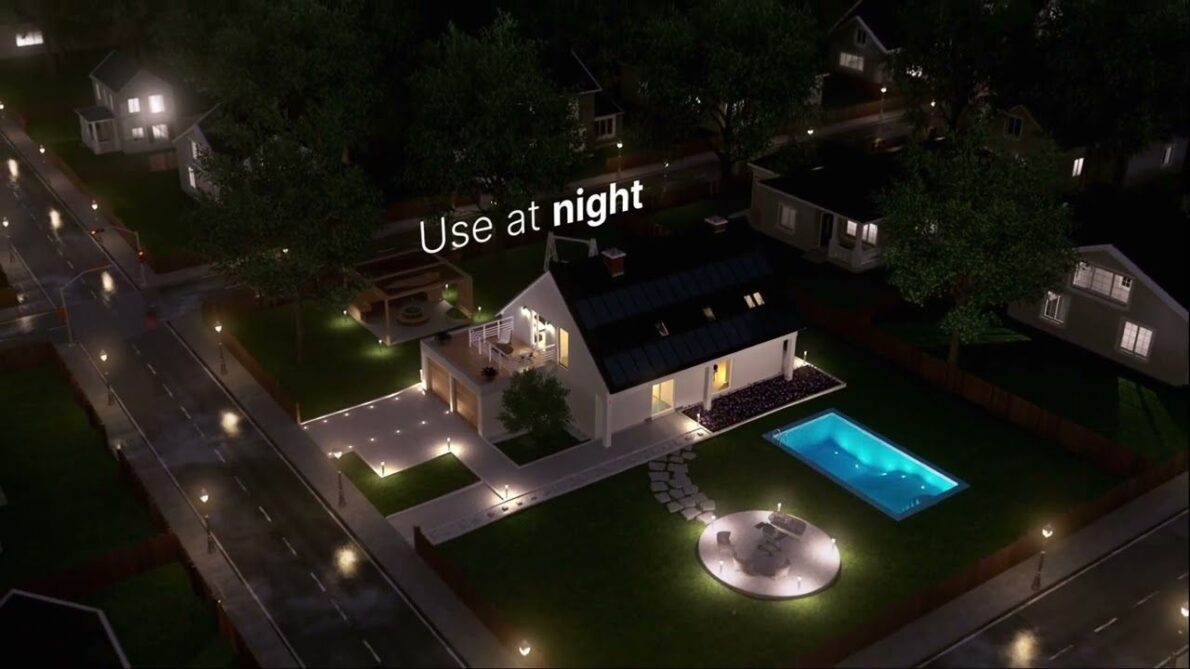

This Innovative Solar Energy System Allows The Excess Energy Generated By Solar Panels To Be Stored In High Capacity Batteries For Later Use, Ensuring Continuous Energy Supply During The Night Or Power Outages. With The Capacity To Store Up To 10 kWh And Expand Up To Four Batteries Per Inverter, The SolarEdge Hybrid System Offers An Efficient And Sustainable Solution, Reducing Dependence On Utility Companies And Optimizing Electric Consumption In Homes And Businesses.
The SolarEdge hybrid system is changing the landscape of solar energy in Brazil and around the world. With the capacity to store excess solar energy in batteries for later use, this system not only ensures continuous electricity but also maximizes users’ energy independence from utility companies.
The SolarEdge system uses a set of photovoltaic modules connected to optimizers that are, in turn, linked to a hybrid inverter. This inverter plays a crucial role in converting the direct current produced by the solar panels into alternating current, usable in homes and businesses.
Storage Allows Solar Energy To Be Used At Night Or During Outages From The Utility


The excess energy generated by the panels during high production periods is stored in nickel manganese cobalt batteries, with a capacity of 10 kWh. This storage allows solar energy to be used at night or during outages from the utility, ensuring a constant and reliable energy source.
-
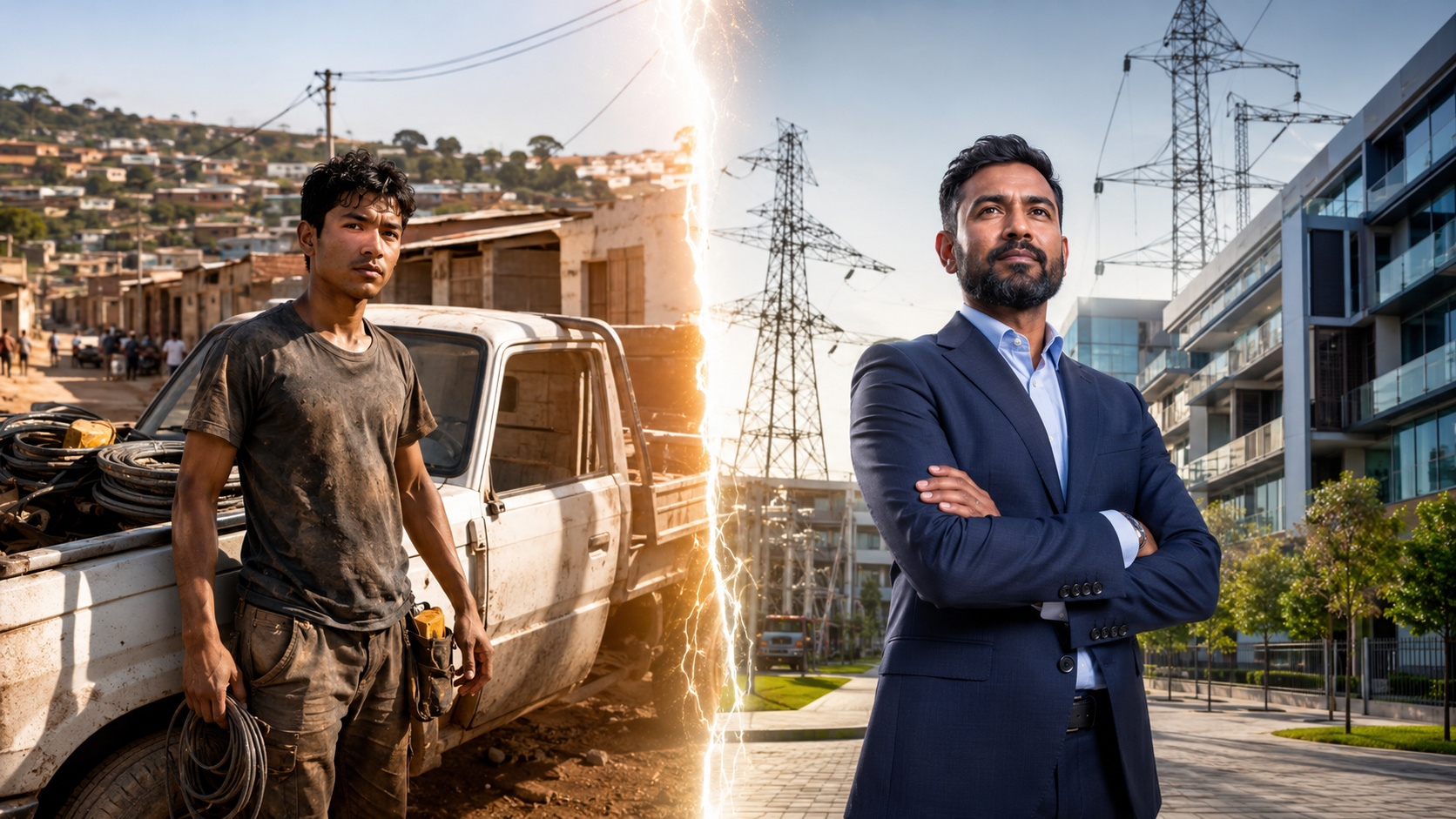
Fired during apartheid and with a little borrowed money, an electrician started with a borrowed truck and transformed electrical services into a group connected to energy, real estate, and infrastructure in South Africa.

-
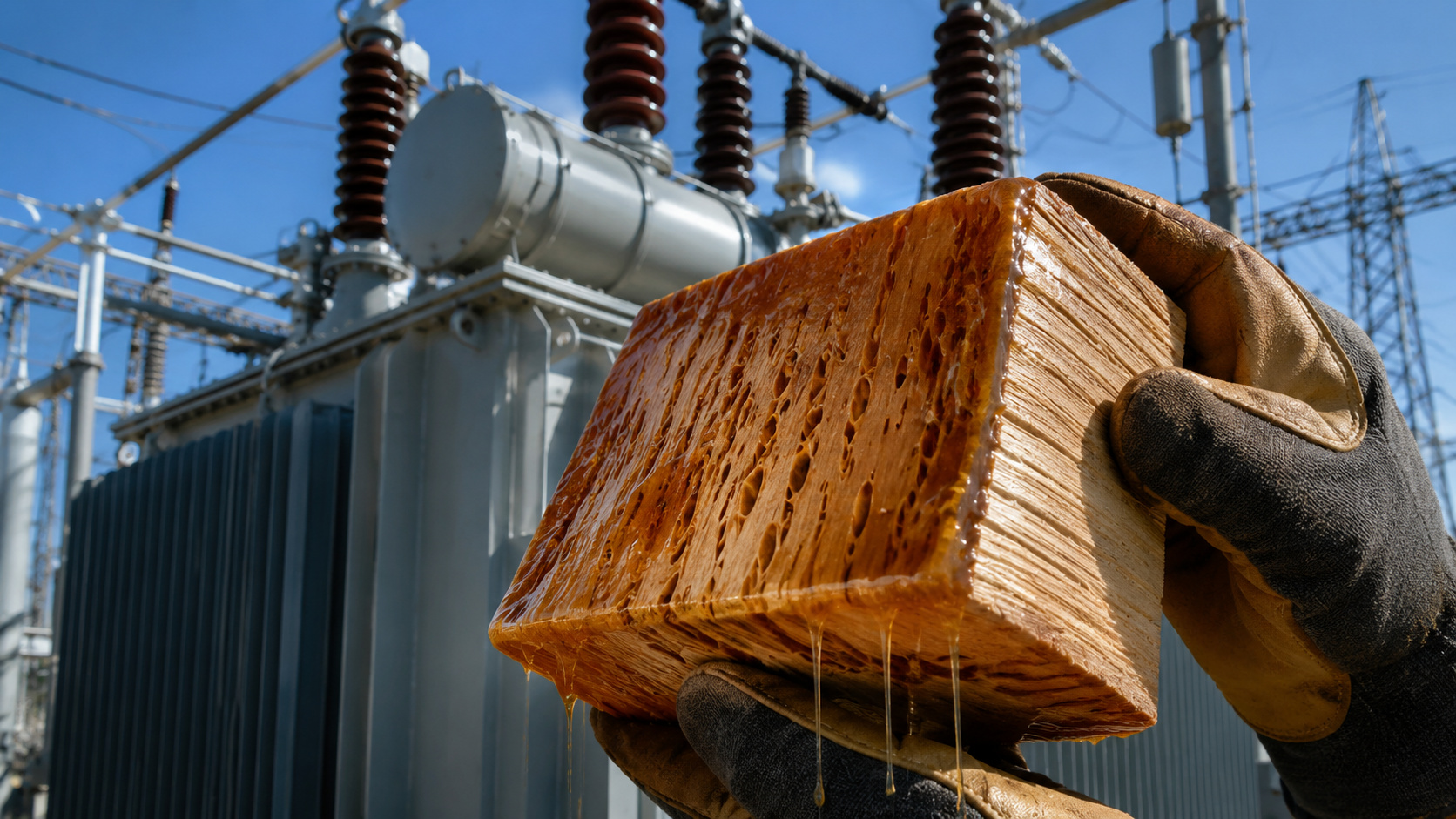
Wood has ceased to be just a construction material in Yale research and has become insulation for electrical transformers that face intense heat, aging, and increasing pressure from the renewable energy-powered grid.
-
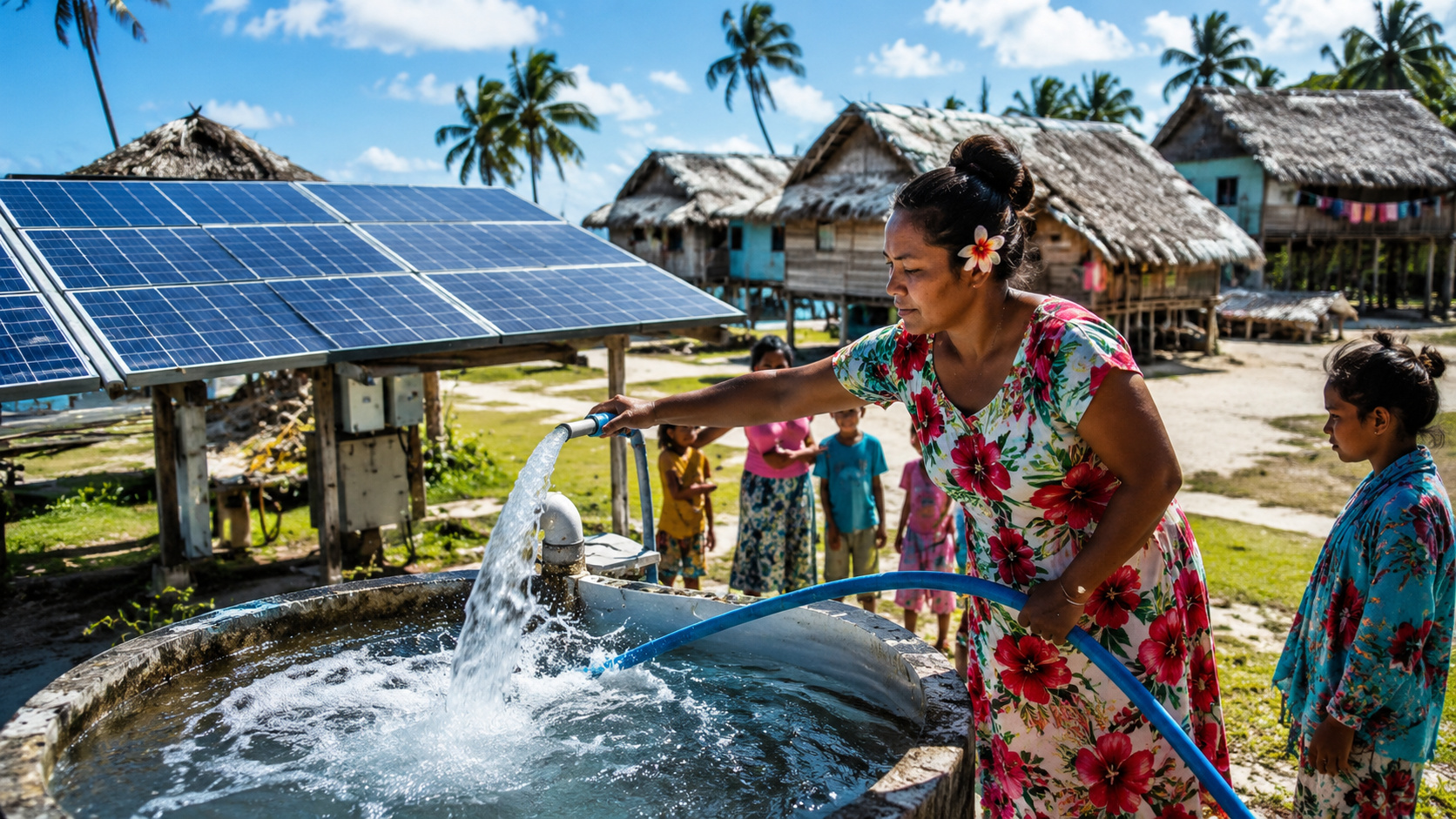
More than 1,000 residents of a remote island in Kiribati now have clean water and electricity with solar systems operated by the community itself.
-
Ceará brings together 7 giants and R$ 66 billion to transform Pecém into the largest green hydrogen hub in Brazil, with final decisions expected by the end of 2026.

Energy storage is one of the main advantages of the SolarEdge hybrid system. With it, users can keep essential devices running during blackouts, in addition to using accumulated solar energy during higher rate periods, significantly reducing electricity costs.
Installation Of The SolarEdge Hybrid System Is Simple
The installation of the SolarEdge hybrid system is straightforward and can be done without major changes to the existing electrical infrastructure. The system consists of a ‘backup unit interface’, which monitors the connection to the utility’s power grid and automatically manages the flow of energy between the panels, batteries, and the grid, ensuring a smooth and immediate transition in the event of power supply failures.
- Small System (2kWp): Between R$ 15,000 and R$ 20,000
- Medium System (3kWp): Between R$ 20,000 and R$ 25,000
- Large System (4kWp or more): Between R$ 25,000 and R$ 35,000
One of the most notable features of the SolarEdge hybrid system is its capacity for expansion. Each inverter can support up to four batteries, allowing customization as the user’s energy needs increase. This makes the system ideal not only for residential use but also for commercial and industrial applications that demand a large amount of energy.