





 Portuguese
  English
  Spanish
 5 min of reading
  0 comments


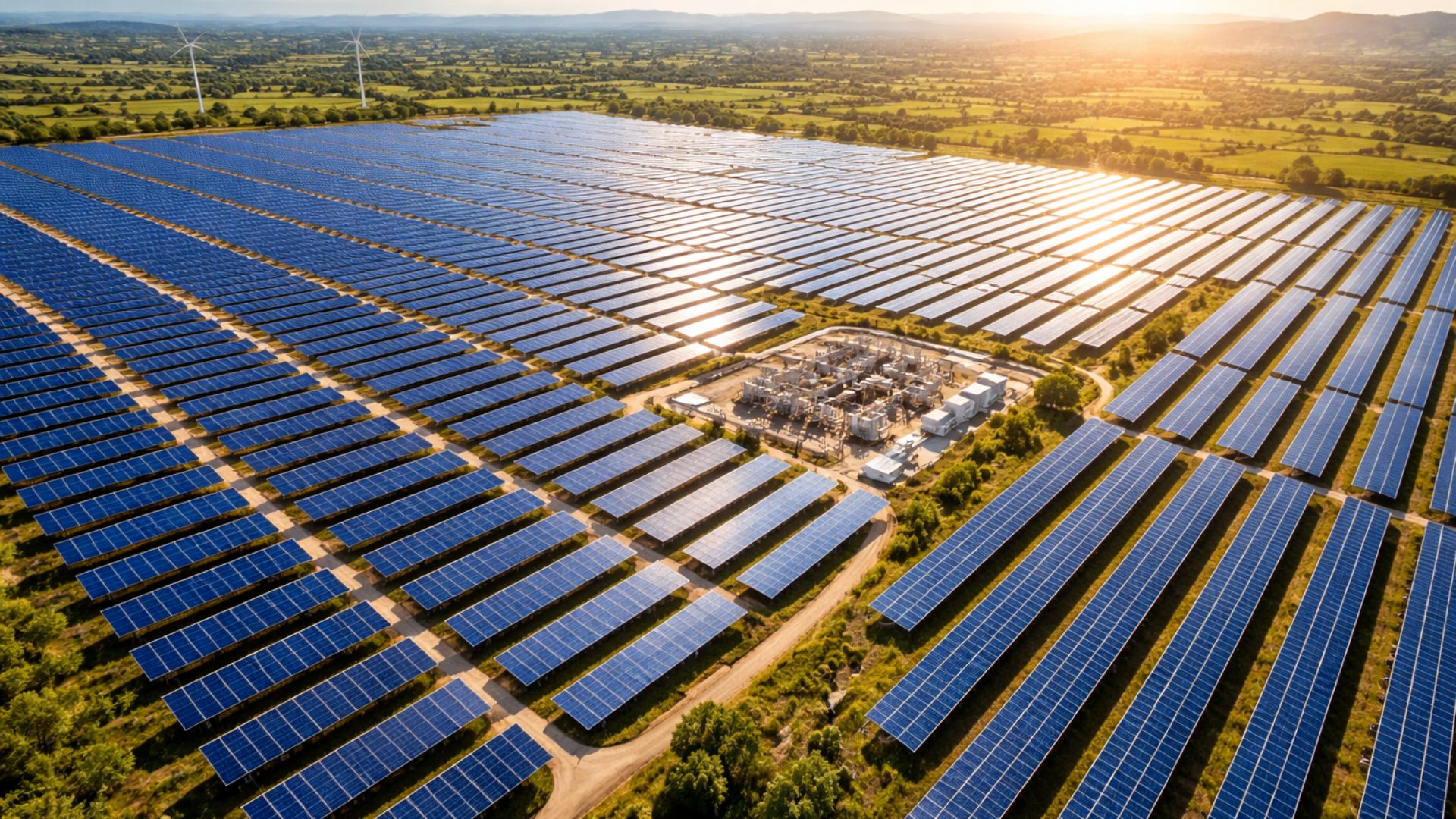
The Assú Sol Photovoltaic Plant Begins Its Commercial Operation With 895 MWp Of Installed Capacity, Strengthening Renewable Energy In Brazil. Understand How The Project Expands National Security, Strengthens The Free Market, And Boosts The Brazilian Electricity Grid.
The Assú Sol photovoltaic plant achieved 100% commercial operation on February 13, establishing itself as the largest solar project in operation by ENGIE Brasil Energia in the world. Located in the municipality of Assú, in Rio Grande do Norte, the project received an investment of R$ 3.3 billion and has an installed capacity of 895 MWp (753 MWac), with an average commercial capacity of 229.6 MW entirely directed to the Free Energy Market.
According to an article published by the Além da Energia website, from Engie, on February 23, the magnitude of the project reinforces the role of renewable energy in the Brazilian electricity grid and expands national security in electricity supply. The commercial capacity of the asset is sufficient to supply a city of approximately 850,000 inhabitants, highlighting its strategic relevance in a scenario of growing demand for clean and predictable energy.
Assú Sol Photovoltaic Plant Marks A New Scale Level In Brazilian Renewable Energy
Even before reaching 100% commercial operation, the photovoltaic plant was already making a significant contribution to the company’s solar generation. In early February, ENGIE Brasil recorded a solar generation record of 1,400 MW, with Assú Sol responsible for about 50% of that amount. This performance anticipates the structural impact of the project on the national electricity sector.
-
Seagri’s headquarters invests in solar energy with Neoenergia Coelba and promises to cut electricity costs, highlighting a strategic advance in sustainability and energy efficiency within state public administration.
-
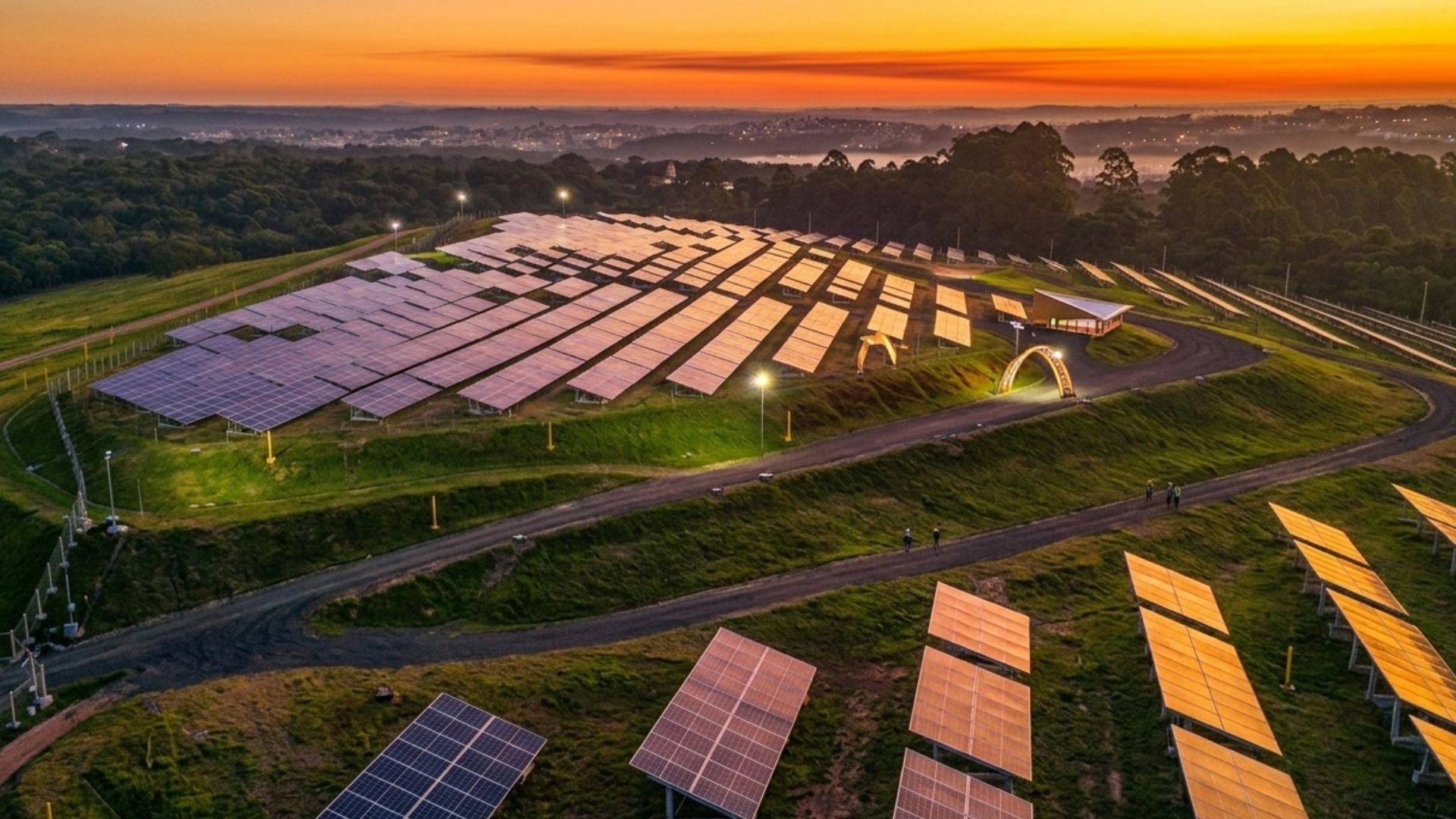
Solar Pyramid draws attention by converting solar energy into million-dollar savings and repositioning the City Hall of Curitiba as an example of innovation, sustainability, and intelligent use of public resources.
-
Europe records strong euro economy with solar energy in March and sparks curiosity about which country leads growth that redefines the energy market and reduces costs.

-
Piauí reaches a historic milestone in energy transition: State records nearly 160,000 households powered by solar energy and leads growth in the Northeast.

The definitive entry into commercial operation represents more than the completion of construction. It symbolizes the consolidation of a large-scale asset capable of influencing the dynamics of the Brazilian electric system. The photovoltaic plant was built on a licensed area of 2,344 hectares and consists of over 1.5 million photovoltaic modules.
The infrastructure includes 12,000 kilometers of cables, 53 kilometers of internal access roads, and a direct connection to the substation via a transmission line of approximately one kilometer. These numbers demonstrate the logistical and technical complexity involved in implementing the project.
In the context of the expansion of renewable energy, projects of this scale are critical to accelerate the energy transition. According to public data from the National Electric Energy Agency, centralized solar generation has shown consistent growth in recent years, increasing its share in the national electricity grid.
Assú Sol Strengthens National Security By Diversifying The Electricity Grid
The expansion of installed capacity through the photovoltaic plant directly contributes to energy security. Diversifying the grid reduces dependence on hydrological conditions and increases the system’s resilience against extreme weather events.
Brazil has historically depended on hydropower sources. In periods of prolonged drought, the activation of thermal power plants increases costs and emissions. The consolidation of commercial operation of large solar plants like Assú Sol creates an additional cushion of supply during the day, especially during peak consumption hours.
Furthermore, the complementarity between solar and wind, abundant sources in the Northeast, strengthens the stability of the National Interconnected System. Operational data from the National Electric System Operator indicates that the integration of variable sources has advanced with greater predictability thanks to technological improvements and the expansion of transmission infrastructure.
Technology Applied In The Photovoltaic Plant Elevates Standards Of Efficiency And Sustainability
During the implementation of the photovoltaic plant, innovative technological solutions were used. Aerial mapping with drones allowed for greater precision in reading the terrain. Automated motor graders integrated with 3D models optimized the leveling of the area, reducing rework.
There was also the pioneering use in Brazil of an automatic pile driver in photovoltaic projects. This technology raised productivity standards and contributed to efficiency gains in the construction phase.
The adoption of these solutions reinforces the reliability of the project in its commercial operation. More efficient projects tend to present a lower rate of failures, higher availability, and better performance in generating renewable energy, essential factors for system stability and national security.
Social-Environmental Impact And Investments Of R$ 50 Million In The Surroundings Of Assú Sol
The development of the photovoltaic plant was also accompanied by significant social-environmental investments. Throughout the implementation and the recent entry into commercial operation, R$ 50 million were allocated to social-environmental initiatives.
Of this total, R$ 8.9 million were specifically spent on social responsibility actions in the municipality of Assú. Among the initiatives are the construction of a school, a primary health care unit, a community kitchen, and a sports court. There were also donations of a tractor and agricultural implements, offering vocational courses, and implementing access and water storage systems.
The project also included the Quilombola Action Plan of the Bela Vista Piató community and Private Social Investment initiatives aimed at surrounding communities. These actions extend the positive impact of renewable energy beyond electricity generation, promoting local development and social inclusion.
By integrating economic growth and social-environmental responsibility, the project reinforces an expanded view of national security, which involves not only energy supply but also social stability and regional strengthening.
The Free Energy Market Boosts Competitiveness With Renewable Energy From The Photovoltaic Plant
All of the 229.6 MW average commercial capacity of the photovoltaic plant is directed to the Free Energy Market. In this environment, consumers can negotiate contracts directly with generators, ensuring price predictability and long-term planning.
The full entry into commercial operation expands the supply of contracts backed by renewable energy, meeting the growing business demand for solutions aligned with decarbonization commitments. Companies with ESG goals seek clean and traceable sources to reduce their carbon footprint.
This movement strengthens the business environment and stimulates new private investments in energy infrastructure. By increasing competitiveness and diversifying sector stakeholders, the project again contributes to national security, reducing concentration risks and enhancing market robustness.
A Decisive Step In The Consolidation Of Renewable Energy And National Security
The consolidation of the commercial operation of the Assú Sol photovoltaic plant represents a structural milestone for the Brazilian electricity sector. With an investment of R$ 3.3 billion, an installed capacity of 895 MWp (753 MWac), and infrastructure that includes over 1.5 million modules, 12,000 kilometers of cables, and 53 kilometers of internal access roads, the project demonstrates the country’s capacity to execute large-scale projects efficiently.
The generation equivalent to the supply of approximately 850,000 inhabitants highlights the relevance of the asset to the electricity grid. By strengthening the share of renewable energy, the project reduces vulnerabilities and increases system reliability.
Located in a strategic state like Rio Grande do Norte, the project consolidates regional leadership in the energy transition. The advance of solar generation, combined with the expansion of wind sources, positions the Northeast as one of the main hubs for clean energy production in the country.
The Assú Sol photovoltaic plant, now fully in commercial operation, not only broadens the electricity supply but also reinforces national security by promoting diversification, technological innovation, and socioeconomic development. This is a consistent step towards consolidating a more sustainable, competitive, and future-ready electricity grid.









Seja o primeiro a reagir!