





 Portuguese
  English
  Spanish
  3 min of reading
  0 comments


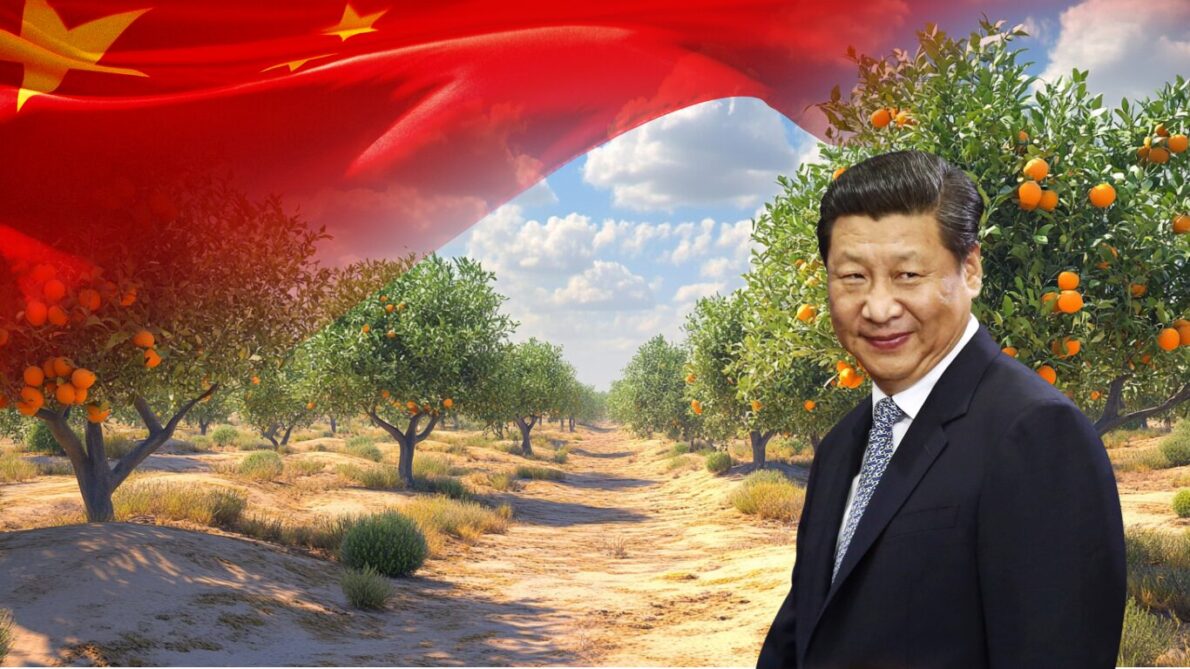
Li Mingua’s Inspirational Journey, Transforming an inhospitable Desert in China into a Profitable Orchard, Highlighting the Importance of Technology and Investment in Sustainable Agriculture
According to the website construçõesdeelite, Li Mingua, a visionary businesswoman from China, saw potential where many saw only a barren desert. With an initial investment of 2 million dollars, Li challenged natural adversities and, over 12 years, transformed the desert into a lush oasis of fruit trees. The return? Nothing less than 9 million dollars. But, for Li, profit was just part of the story. The true victory was proving that, with the right combination of investment and agricultural technology, even the most arid lands can bloom.
Investing in Technology and Sustainable Agriculture
Li Mingua’s success was not a result of chance. By using advanced safety technologies and innovative agricultural techniques, she was able to turn the Chinese desert into fertile land. Instead of merely planting trees, Li modified a precision control system, which saves water and ensures that every drop is used efficiently. Additionally, she dynamic fruit tree varieties especially adapted to grow in extreme conditions, making the desert soil productive.
This approach not only generated large profits but also served as a powerful example of how investing in technology can transform agriculture in previously unviable areas. “Who would have thought a desert could bear fruit?,” could be a rhetorical question, but for Li, it is a concrete reality.
-
Unemployment rises again to 5.8% at the beginning of 2026, raising alarms about the end of temporary positions and its impact on the Brazilian job market.

-
Document organization can cut invisible costs in small businesses, a simple step that prevents waste, rework, and losses in daily operations.

-
While Russia dominates the global wheat market, Brazil emerges as an unexpected competitor in the Cerrado, offering grain available in July and August when stocks in the Northern Hemisphere are at their lowest point of the year.

-
China returned almost 20 Brazilian ships with soybeans, but now everything could change: the country that buys 80% of the grain is considering relaxing regulations after impurities held up shipments of thousands of tons and caused million-dollar losses.
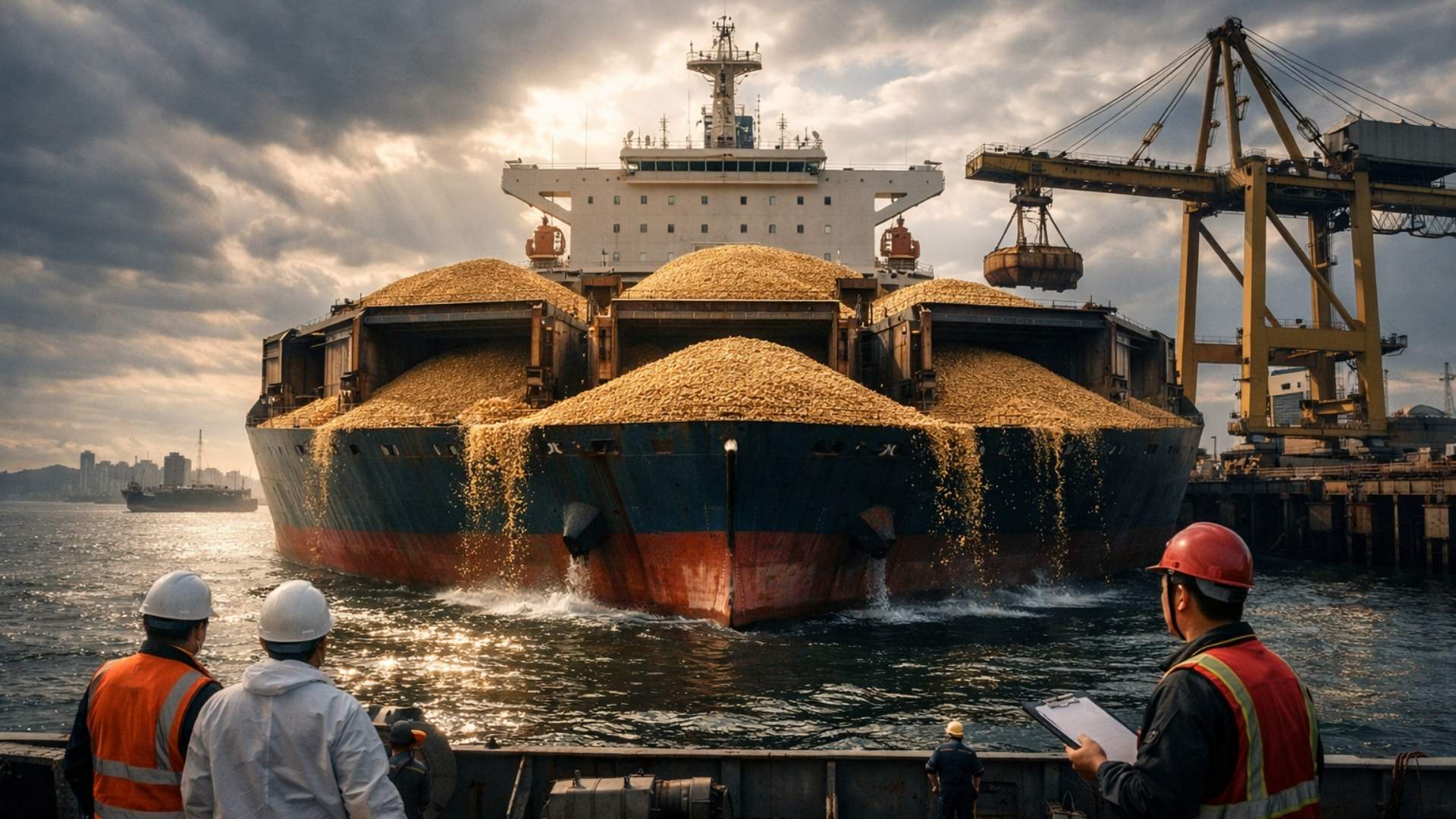

The Chinese Influence on Global Agriculture
The impact of Li Mingua’s transformation of the Chinese desert extends beyond China’s borders. Inspired by Li’s success, other entrepreneurs and governments have begun investing in agricultural projects in arid regions. China, for example, has extended its reach into the African continent, sharing its knowledge and technology with various countries.


In Nigeria, the Chinese specialist Wang Shuing led an agricultural project that revolutionized rice production. Thanks to the new technologies and sensations introduced by Wang’s team, rice yields increased by 30%, benefiting thousands of local farmers. This project is a clear example of how international cooperation can have a direct impact on combating hunger and fostering economic development.
Cooperating for a Sustainable Future
Li Mingua’s story and China’s agricultural collaboration with African countries highlight a crucial point: sustainable agriculture and technology go hand in hand. Investing in seemingly unproductive land not only generates financial returns but also contributes to food security and social development on a global scale.
This successful model is a reminder that, with the right strategy, opportunities can be found anywhere – even in the middle of a desert. And, who knows, perhaps the next big agricultural project will emerge in another remote corner of the world, driven by visionary investors like Li Mingua and supported by the powerful combination of technology and international cooperation.









Seja o primeiro a reagir!