





 Portuguese
  English
  Spanish
  3 min of reading
  0 comments



Brazil, Paraguay, Argentina and Chile are together in a giant project: the construction of the Bioceanic Route. This superhighway will connect the Atlantic Ocean to the Pacific, promising huge savings in imports and exports, especially with the Asian market.
The construction of the Bioceanic Route, also known as the land Panama Canal, is a project of extreme importance for logistics and economic development of the four countries involved. The idea is to reduce export costs by up to 30%, making products more competitive, especially in the Asian market.
Starting from Campo Grande, Brazil, to the ports of Antofagasta and Iquique in Chile, the route covers about 2,396 km. This will significantly reduce transport distances, saving time and money. Additionally, it avoids the high costs of crossing the Panama Canal.
Current Status of the Bioceanic Route Works
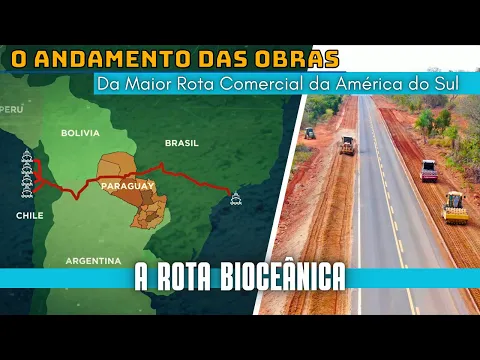

In Brazil, the works are progressing with the revitalization of roads and construction of accesses, such as BR-060 and BR-267, which cross Mato Grosso do Sul. The investment is heavy, with R$ 240 million just in the first phase and an additional R$ 472 million for accesses and customs at the new Bioceanic International Bridge, which will connect Brazil and Paraguay.
-
São Paulo surprises the world with a colossal railway network project that promises over 1,000 km of tracks, R$ 194 billion in investments, and 40 projects connecting the capital to the interior with fast and sustainable trains.

-
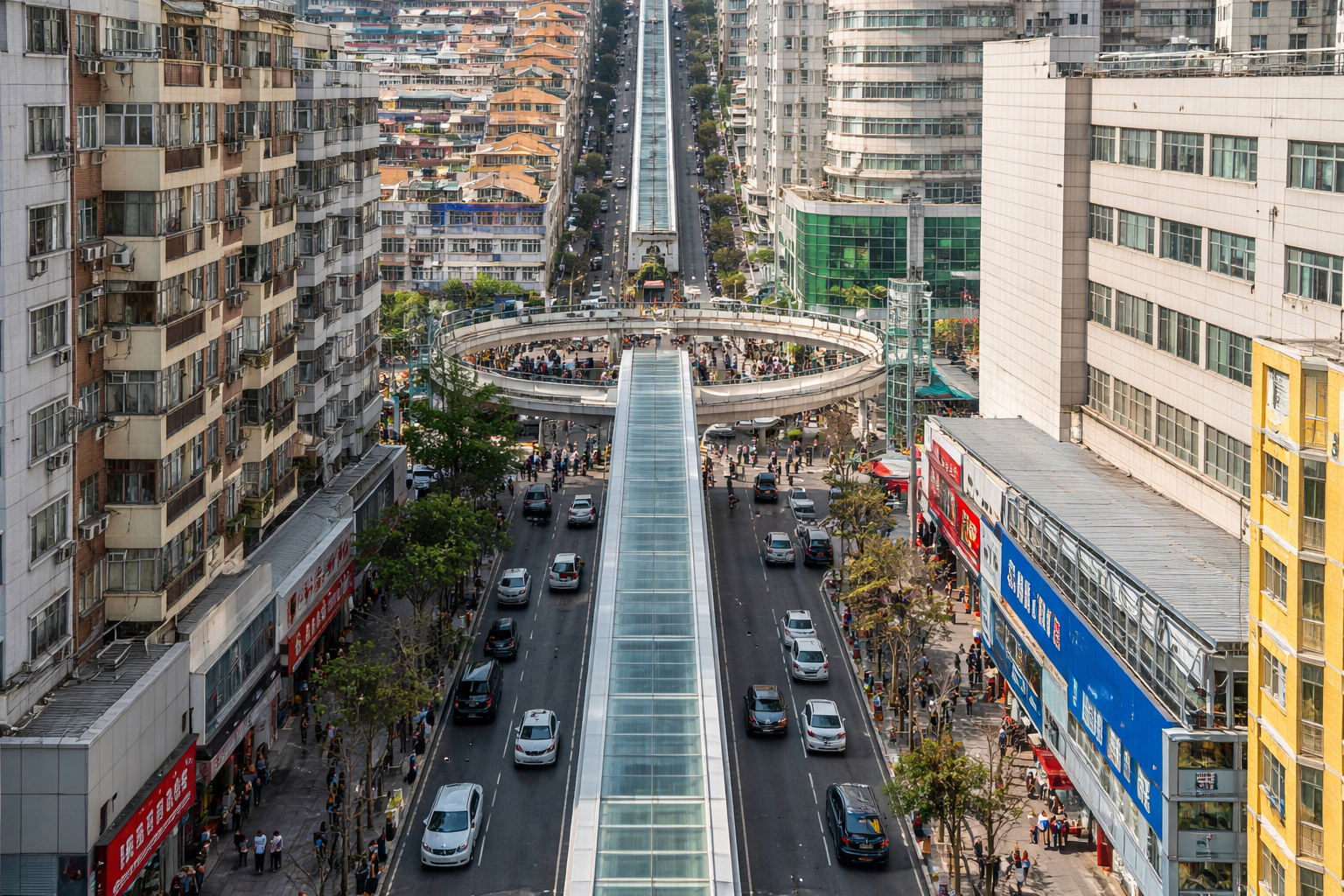
The world’s largest escalator, measuring 905 meters in China, reduces urban travel time from 1 hour to about 20 minutes and transforms mobility in mountainous regions with an engineering solution adapted to the terrain.
-
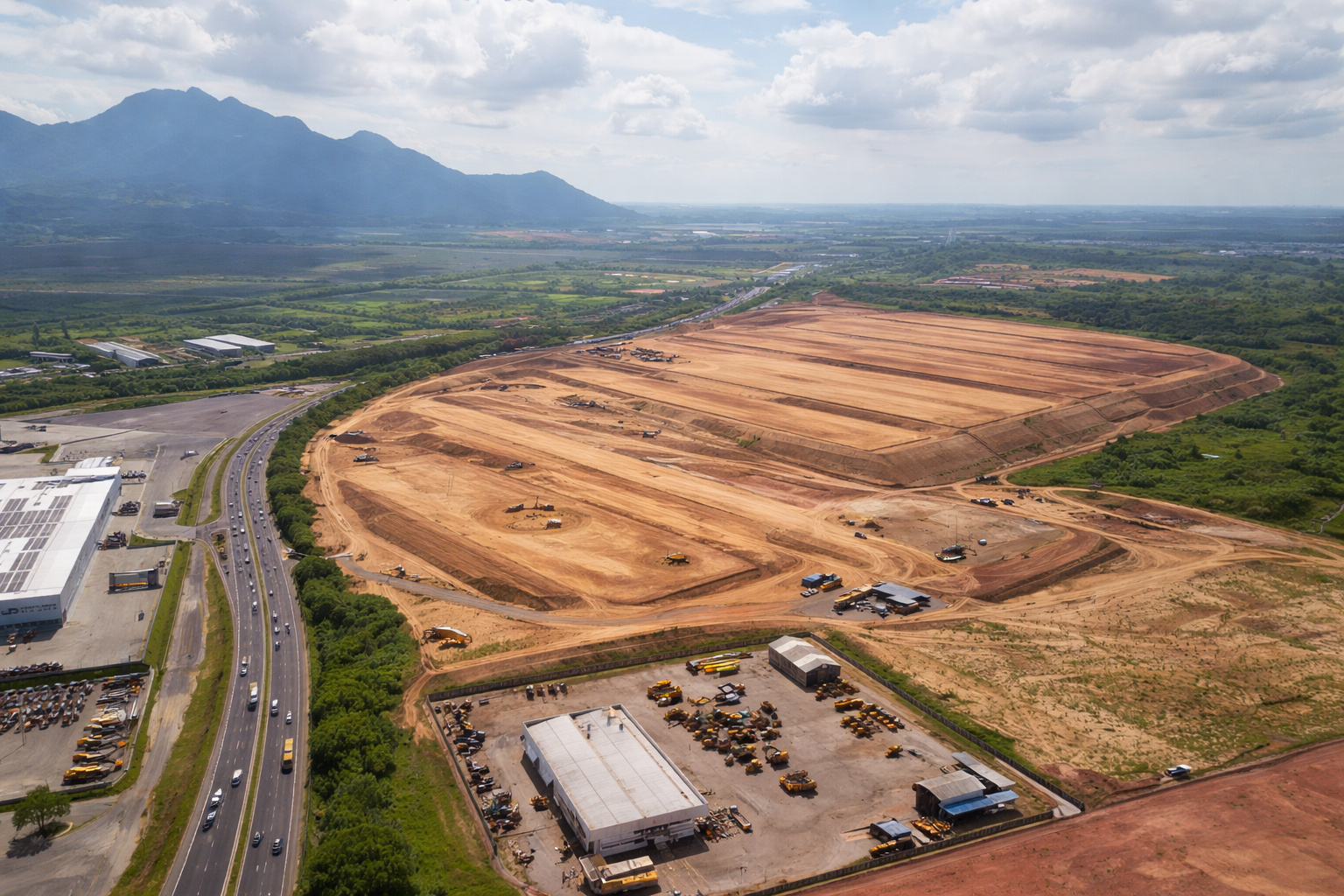
A R$ 300 million logistics giant is taking shape in Serra with over 100,000 m² and raises a question: how can this transform e-commerce and distribution in the state?
-
Could Uber Rides Lose Minimum Fare? Understand What’s Happening!


Bioceanic Route: The Importance of Construction
The Bioceanic Route project is a monumental effort that will unite Brazil, Paraguay, Argentina and Chile through a superhighway, connecting the Atlantic to the Pacific. This logistics corridor promises to transform the economy of these countries, especially regarding imports and exports with the Asian market.
Improving logistics is vital for economic growth. The construction of the Bioceanic Route aims to reduce export costs by up to 30%, allowing products such as grains and raw materials to reach international markets more competitively. Imagine a shipment leaving Campo Grande, Brazil, covering a much shorter distance to the port of Santos, and from there to the Asian market. This translates to a savings of 9,700 km!
Brazil: The Starting Point
In Brazil, the construction of the Bioceanic Route is already in full swing. The route starts in Campo Grande and follows the BR-060 and BR-267 to Porto Murtinho, at the border with Paraguay. Improvements include the addition of 15 km of third lane and shoulders, plus R$ 240 million invested by the federal government. The construction of access roads to the new Bioceanic International Bridge, which will connect Brazil to Paraguay, involves 13.63 km of road and customs, costing R$ 472 million.
Paraguay
Paraguay had a long way to go, with 275 km of unpaved road between Carmelo Peralta and Loma Plata. But, in record time, from February 2019 to February 2022, this section was completed ahead of schedule, with an investment of US$ 445 million. The next stretch, 224 km to the Argentine border, is underway, funded by F Plata with US$ 353 million.
Argentina: Bridge and Paving
In Argentina, the Mission De La Paz bridge passed load tests, but there are plans to possibly build a new bridge without pillars in the middle of the river. Additionally, 22 km of road to the city of Mission De La Paz need to be paved, a project already in the works to begin. The following stretches, totaling 121 km to Ruta Nacional 34, are ready and in good condition.
Chile: Heading to the Ports
In Chile, the Bioceanic Route crosses Ruta 27 to San Pedro de Atacama and continues along Ruta 23 to Calama. From there, goods can head to the ports of Antofagasta, Tocopilla, Iquique and Arica. These highways are in excellent condition, ready to facilitate exports, especially of grains, to the Asian market.
We are close to seeing the Bioceanic Route become a reality. The construction of this superhighway will revolutionize logistics and the economy of the four involved countries. Connecting two oceans over land will reduce costs, distances and transport times, strengthening the exports and imports of Brazil, Paraguay, Argentina and Chile. This is the new era for South American logistics, and the benefits will be felt by all.









Seja o primeiro a reagir!