





 Portuguese
  English
  Spanish
  3 min of reading
  0 comments


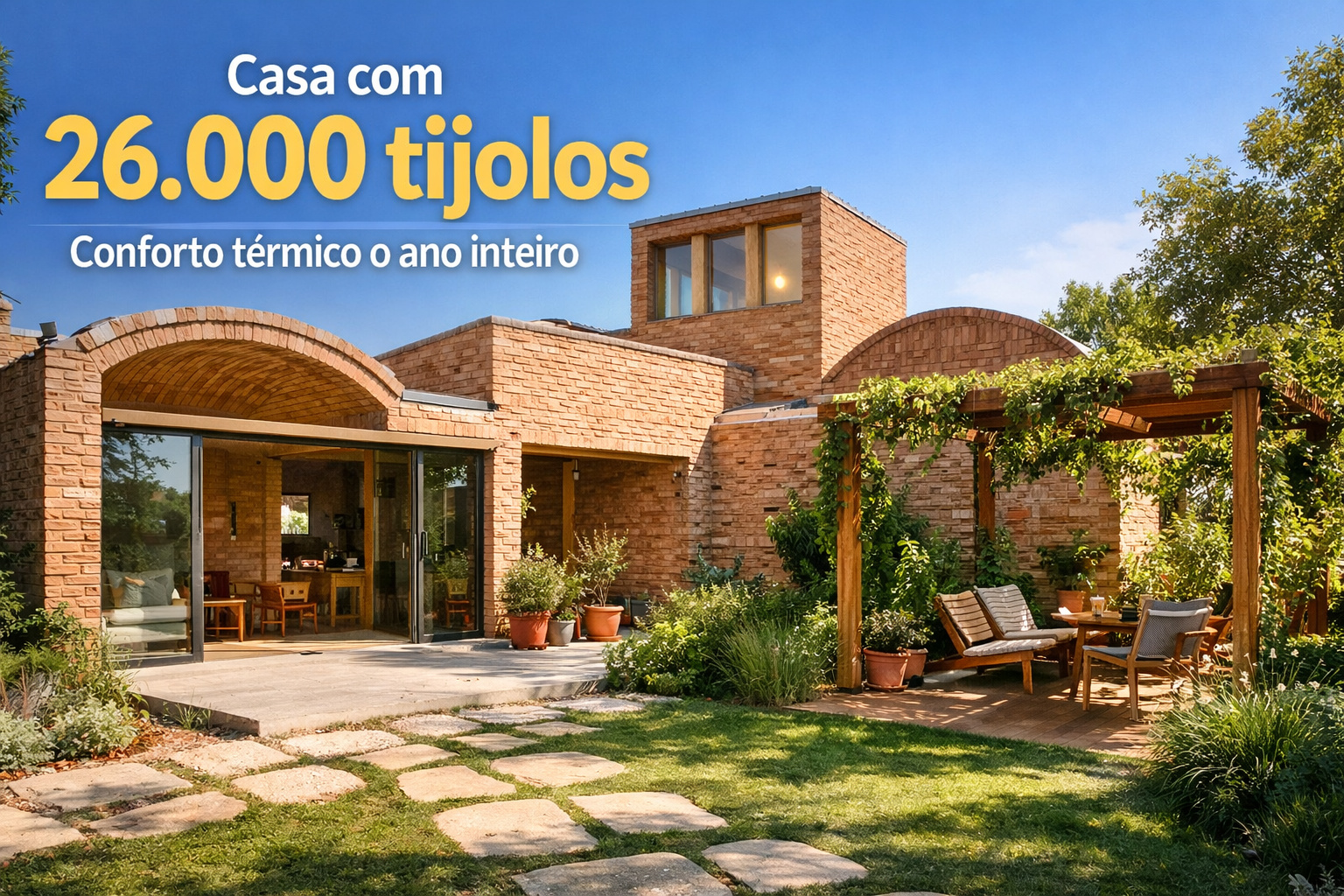
House With 26,000 Bricks Uses Survival Strategy of Construction Industry to Maintain Thermal Comfort Year Round.
Construction Industry Bets on House With 26,000 Bricks for Permanent Thermal Comfort
An innovative solution from the construction industry has been drawing attention in Barcelona by showing how a house built with 26,000 bricks can maintain thermal comfort throughout the year.
Designed for a young couple, the project was recently completed in a residential neighborhood of the city and adopts a survival strategy based on modular architecture, solar orientation, and integration with the garden.
The proposal practically demonstrates how simple techniques can generate energy efficiency, comfort, and new curiosities within the contemporary housing scenario.
-
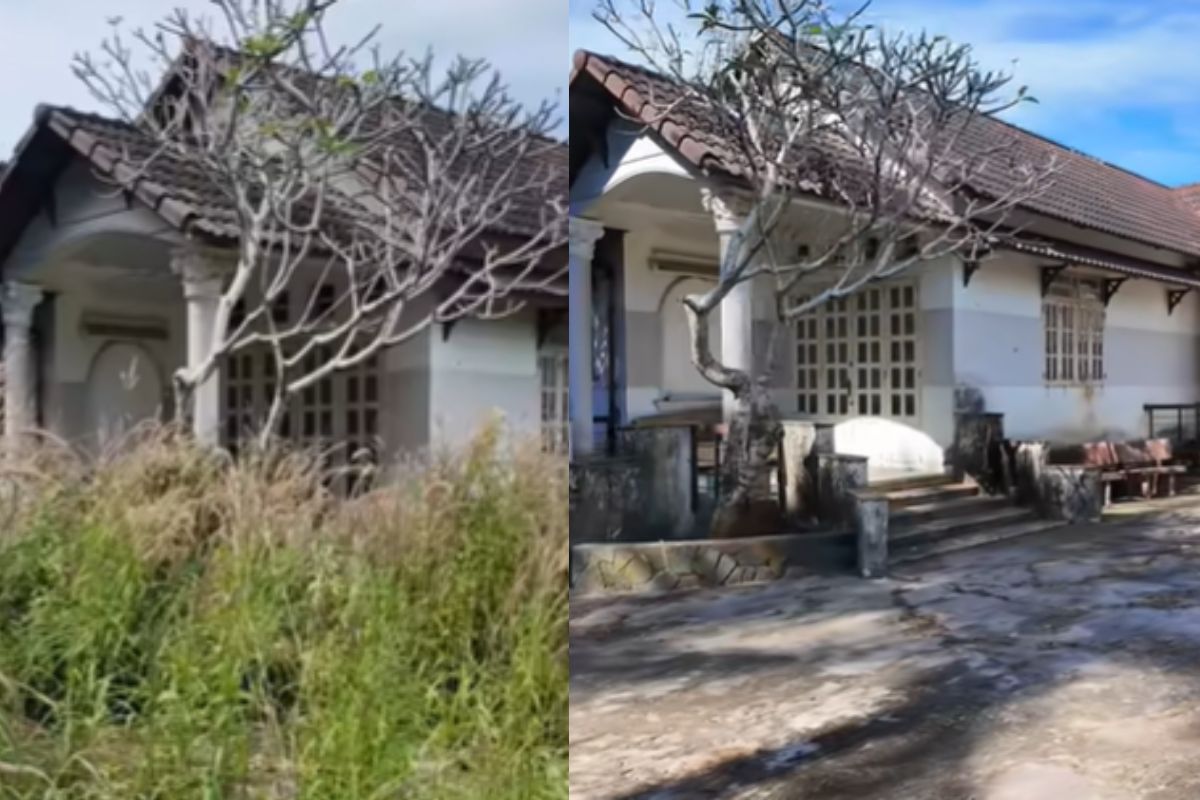
Abandoned house for 15 years disappears in the woods, shocks owner with unrecognizable scenery and is reborn in an intense transformation after almost 90 hours of work in just 10 days.
-
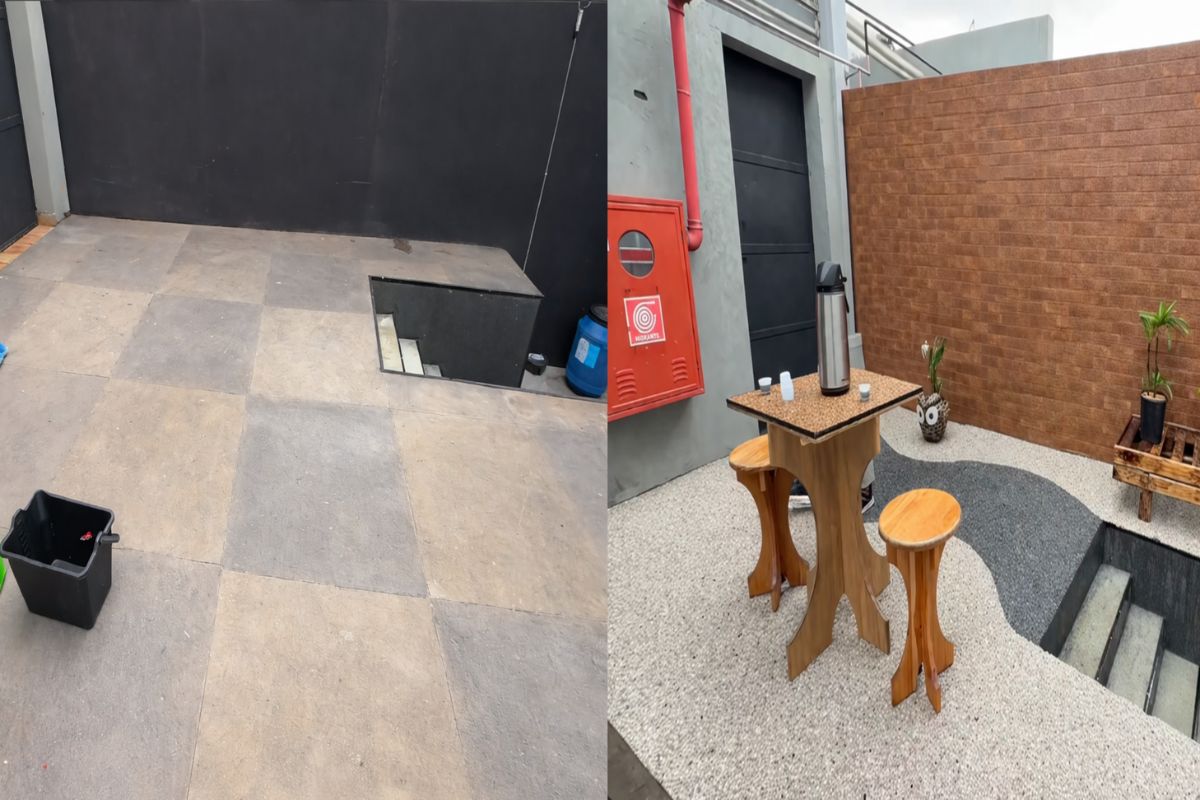
In just three hours, a natural stone floor transforms the entrance of the house with an organic effect, immediate drainage, and a sophisticated non-slip finish that doesn’t puddle water, dries quickly, and impresses with the final result.
-
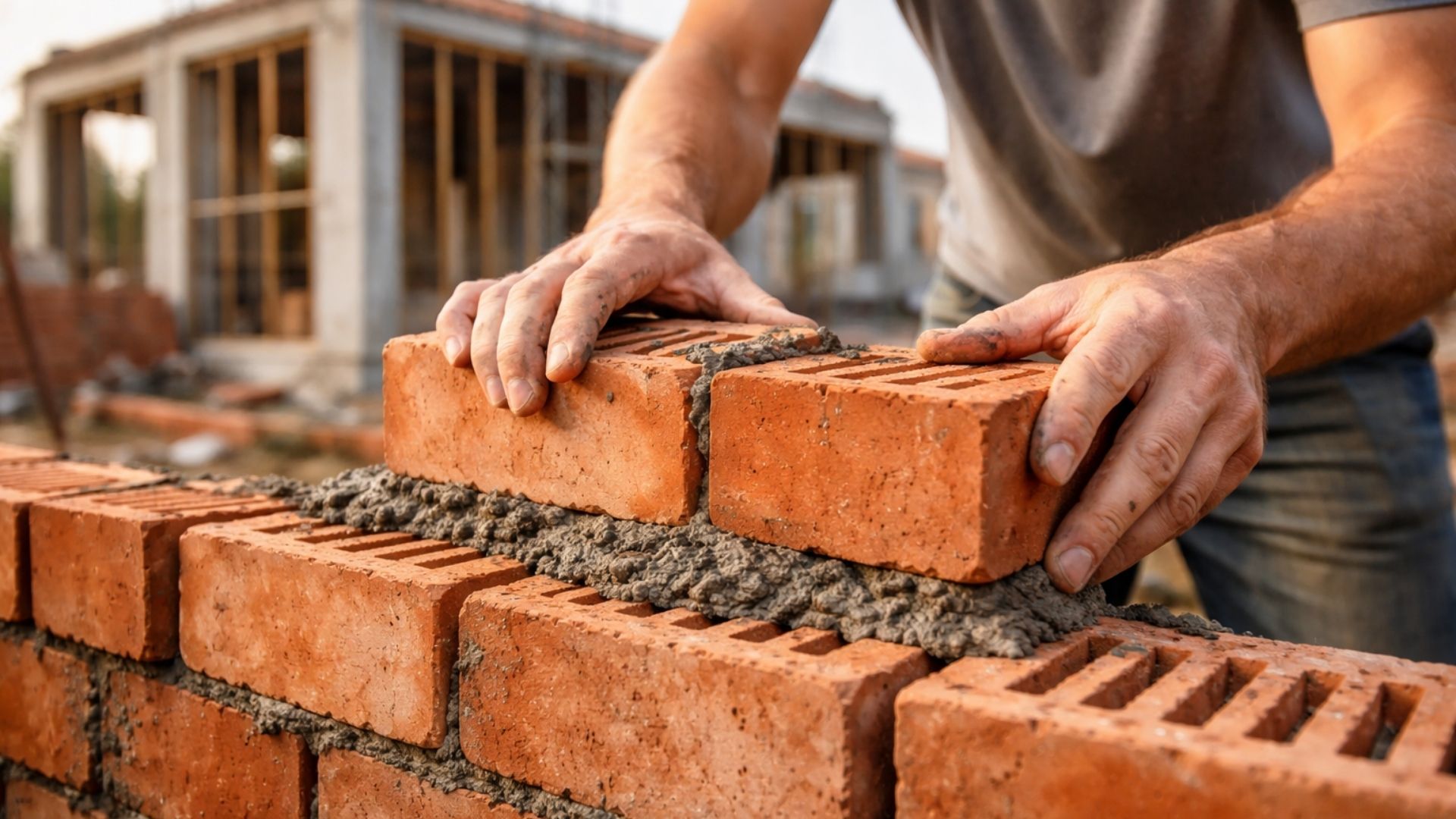
‘Interlocking brick’ made of earth arrives in the construction industry with cost reductions of up to 40% on the project.
-
Espírito Santo will receive the largest engineering project in its history with the duplication of BR 262, which will have 50 viaducts, 28 bridges, and 2-kilometer tunnels cutting through the most challenging mountainous region of the entire state.


Modular House Reorganizes Spaces and Expands Usage Possibilities
Set on a corner lot, the house was organized into nine identical modules, slightly shifted along the plot. This configuration creates a continuous sequence of visually connected spaces that can also function independently.
The solution allows living, dining, kitchen, and bedrooms to integrate without losing constructive clarity. Additionally, the modularity facilitates future adaptations, such as room divisions or incorporation of new functions, without breaking the original structural logic.
Survival Strategy Guides Natural Light and Ventilation
The stepped geometry of the residence directs most spaces to the south, optimizing sun exposure during winter. In summer, this same configuration favors cross ventilation, reducing excessive heating of the interior spaces.
The large openings ensure abundant natural light and strengthen the connection between interior and exterior. With about 140 square meters, the house enhances the sense of space through the visual depth created by the modules, without the need to increase the built area.
26,000 Bricks Ensure Thermal Comfort Throughout the Year
The use of 26,000 bricks is one of the main elements of the thermal strategy adopted in the project. The load-bearing brick walls, combined with continuous concrete flooring, create a structure with high thermal mass.
In winter, these materials absorb heat during the day and gradually release it at night. In summer, they slow thermal gain, stabilizing the internal temperature of the house and reducing the need for artificial cooling systems.
Ceramic Arches Enhance Natural Ventilation
The vaulted ceilings made of ceramic tiles reinforce the thermal performance and spatial continuity of the residence. A raised central module, equipped with upper windows, deepens the entry of sunlight during the colder months.
During the warmer periods, this volume acts as a natural exhaust for hot air. By simultaneously opening low and high openings, cross ventilation is activated, promoting constant renewal of indoor air in a simple and efficient manner.
Integrated Garden Enhances Comfort and Well-Being
The garden functions as an active extension of the house, not just as an outdoor area. Thus, vegetative pergolas create shade and soften the transition between interior and exterior.
Additionally, direct access and wooden elements make the spaces more welcoming and inviting.
Construction Industry Combines Simplicity and Environmental Efficiency
The project shows that simple construction solutions can generate high environmental performance. Thus, brick walls, concrete floors, and ceramic arches regulate temperature and ensure comfort.
Moreover, the central volume and the garden enhance solar capture and natural ventilation.
Curiosities Reveal New Approach from the Construction Industry
Among the main curiosities of the project, the reinterpretation of traditional techniques to meet current demands stands out.
Thus, the climatic survival strategy reduces energy consumption and expands the flexibility of the house’s use.
In this way, the construction industry demonstrates that it is possible to combine sustainability, efficiency, and adaptation to the needs of modern families.










Seja o primeiro a reagir!