





 English
  Francês
  Alemão
  Italiano
  Japonês
  Norueguês
  Portuguese
  Spanish
 2 min of reading


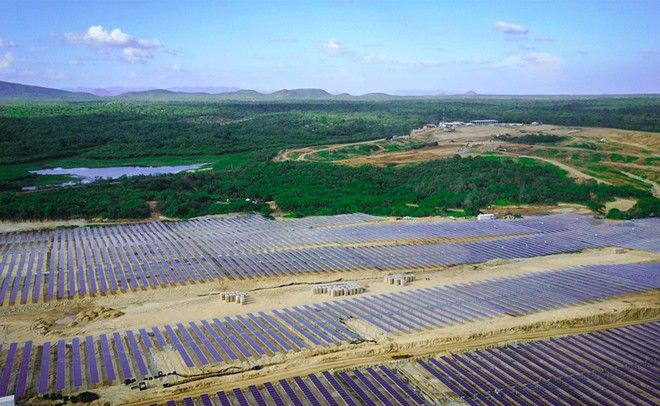
Chinese Manufacturer Huawei Closed A New Partnership In Brazil In Another Sector; The Company Will Help With The Expansion Of A Project In Coremas, In The Sertão Of Paraíba, Which Constitutes The Largest Solar Energy Generation Plant In Brazil
The project has a capacity of 426 MW, and Huawei’s strength will be in the area of Artificial Intelligence. The company will provide a solution called FusionSolar 6.0+, which allows for a reduction in energy costs for five plants in the complex – a total savings of 5% and yields up to 2% higher, numbers considered quite high for the size of the project.
Read Also
- Huawei, Cell Phone Manufacturer, Announces New Factory In São Paulo
- Brazilian Telecommunications Industry Discusses Taxes, Regulations
- After Contract Signed Between Vale And Casa Dos Ventos, Folha Larga Wind Energy Complex Begins Operations In Bahia
- Major Milestone At Porto Do Açú: First Oil Transshipment Operation With A VLCC Ship For Shell Brazil Successfully Carried Out
To finalize the partnership, Rio Alto went to China to learn about Huawei’s investments in Research and Development. The chosen platform is fully digitized and patented, based on algorithms and large-scale data analysis. The factory was visited by the President of the Republic, Jair Bolsonaro, this Thursday (17). He attended the opening ceremony of the site and will soon visit the new plant.
Better Utilization Of Solar Energy
The algorithms also improve the connection to the power grid, ensuring greater utilization of the photovoltaic solar energy generated by the plants. The complex is expected to begin commercial operations in 2022.
-
A study reveals the expansion of renewable energy procurement in Brazil and shows how companies are taking advantage of opportunities to reduce expenses, ensure energy efficiency, and strengthen strategic environmental commitments.

-
Mato Grosso do Sul excels in the sugar-energy sector: the state reaches a milestone of 22 operating mills and accelerates the production of clean energy in MS with a focus on sustainability.

-
National energy dilemma: Brazilians support clean energy but reject increases in tariff costs to finance the sustainable transition.
-
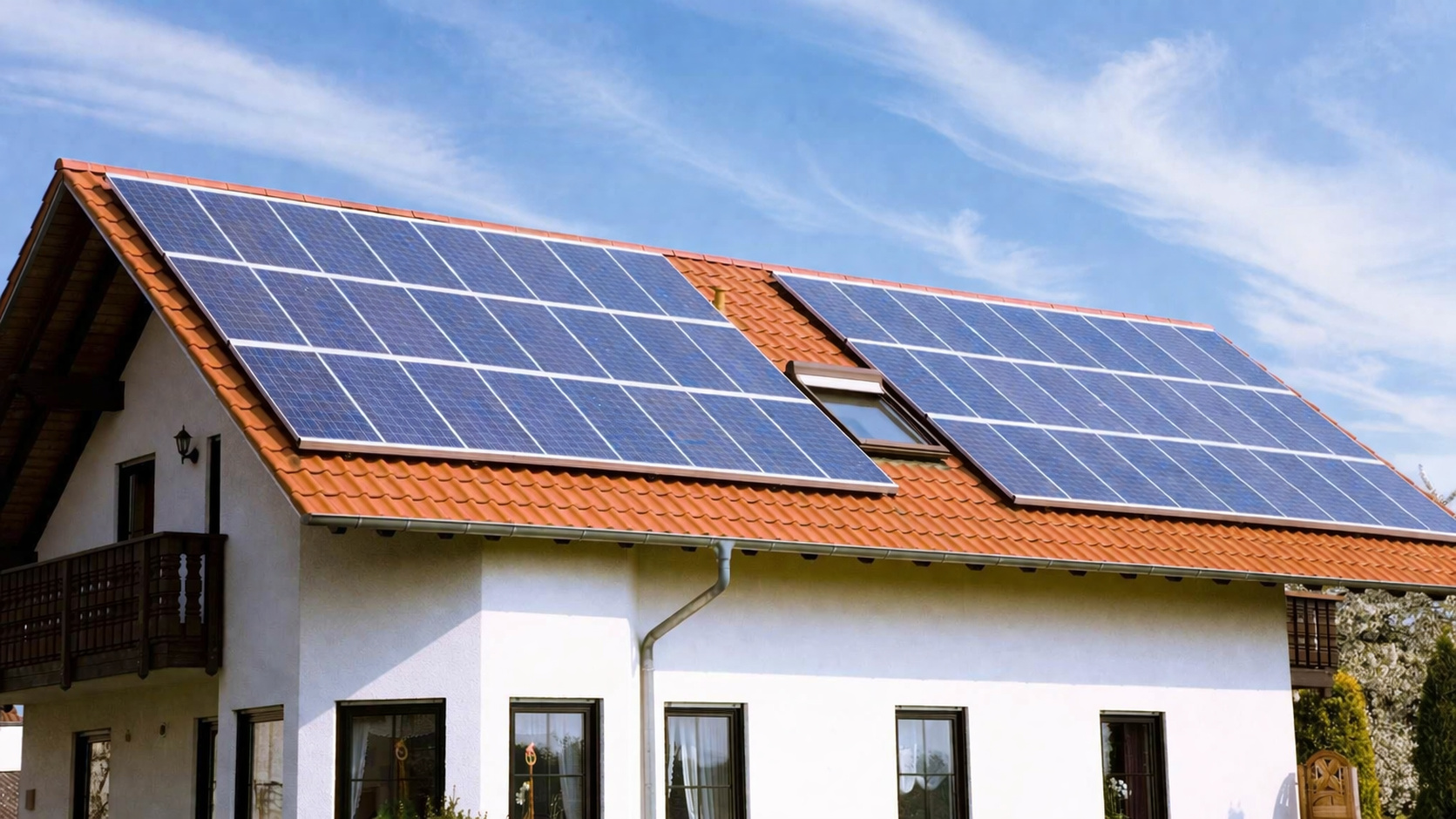
Research indicates that Brazilians support clean energy and wish to advance in the energy transition, but reject paying more on their electricity bill, showing a direct conflict between cost and sustainability.


On the other hand, it is worth noting that Huawei’s relationship with the government is unstable for the creation of a solar energy plant: the Chinese are at risk of being banned from participating in the 5G frequency auction and, if allowed to compete, will likely not be chosen for political reasons.
The United States government, which has been in a trade war with the company since last year, pressures allied countries not to adopt Chinese technologies.









Seja o primeiro a reagir!