





 Portuguese
  English
  Spanish
  3 min of reading
  20 comments


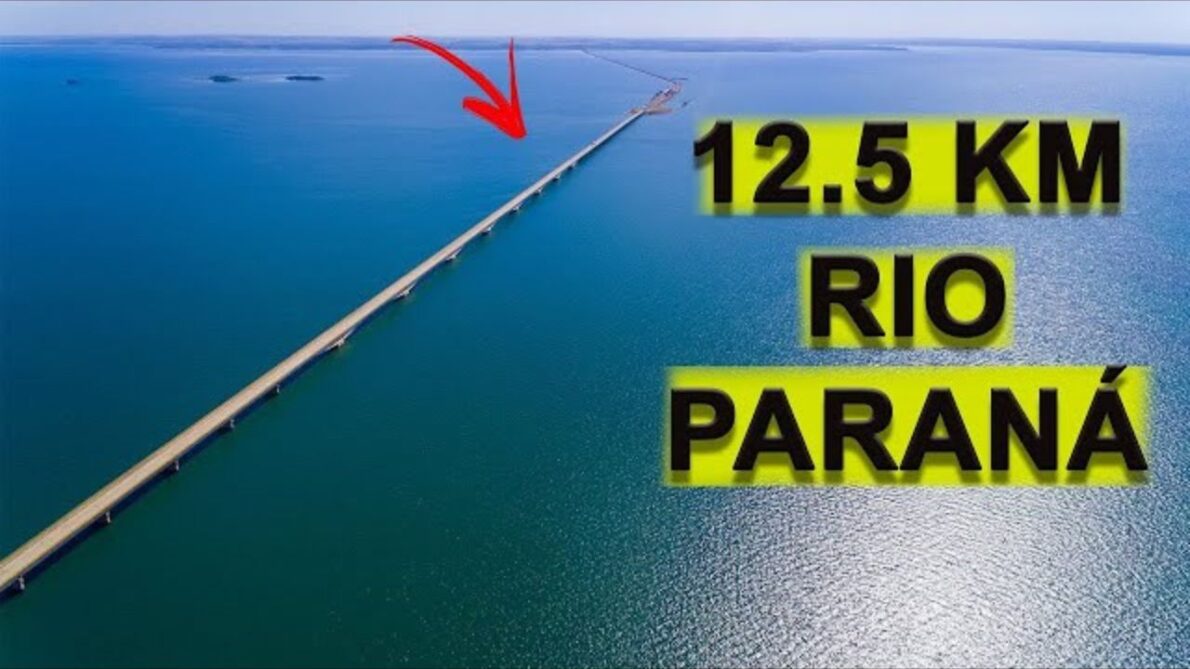


Construction of the Hélio Serejo Bridge: The Epic Journey of One of the Largest Bridges in
If you think assembling a 5,000-piece puzzle is challenging, wait until you learn about the saga behind the construction of the Hélio Serejo Bridge! This monumental work not only connected two states but also established itself as one of the largest bridges in Brazil, leaving a legacy that spans generations.
The history of the construction of the Hélio Serejo Bridge dates back to the 1960s when the need arose to elevate the access route between São Paulo and Mato Grosso do Sul. Prior to this, crossing the imposing Paraná River was done by ferries, a slow and limited process. It was then that the federal government, through the National Department of Highways, decided to intervene.
Initially named the Maurício Joppert Bridge in honor of the then Minister of Transport (1945-1946), the bridge had its name changed in 2012 to honor Hélio Serejo. A journalist and writer with over 33 published books, and a member of the Mato Grosso Academy of Letters, Serejo was one of the main advocates for the bridge’s construction, campaigning and mobilizing the population to make this dream a reality.
-
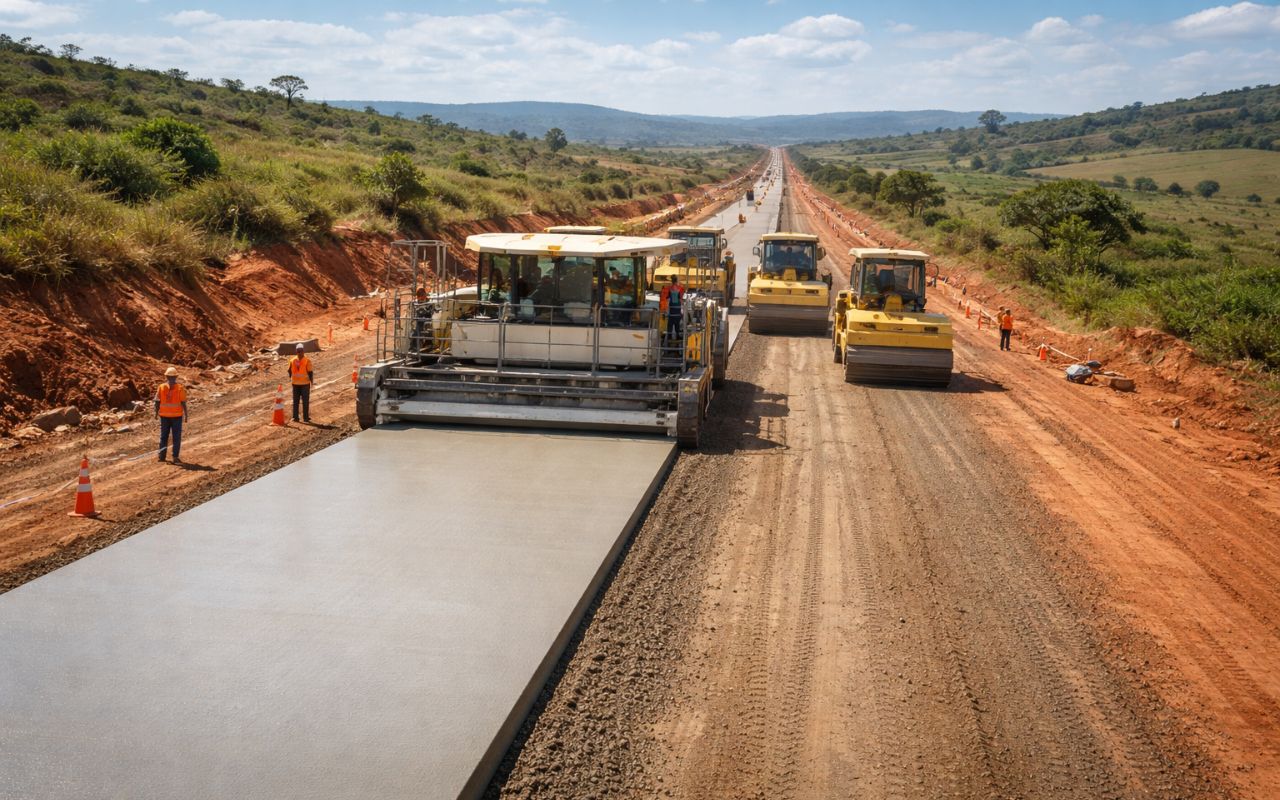
New CCR concrete paving technology promises roads up to 3x more durable, less maintenance, and cost reduction in Brazil.
-
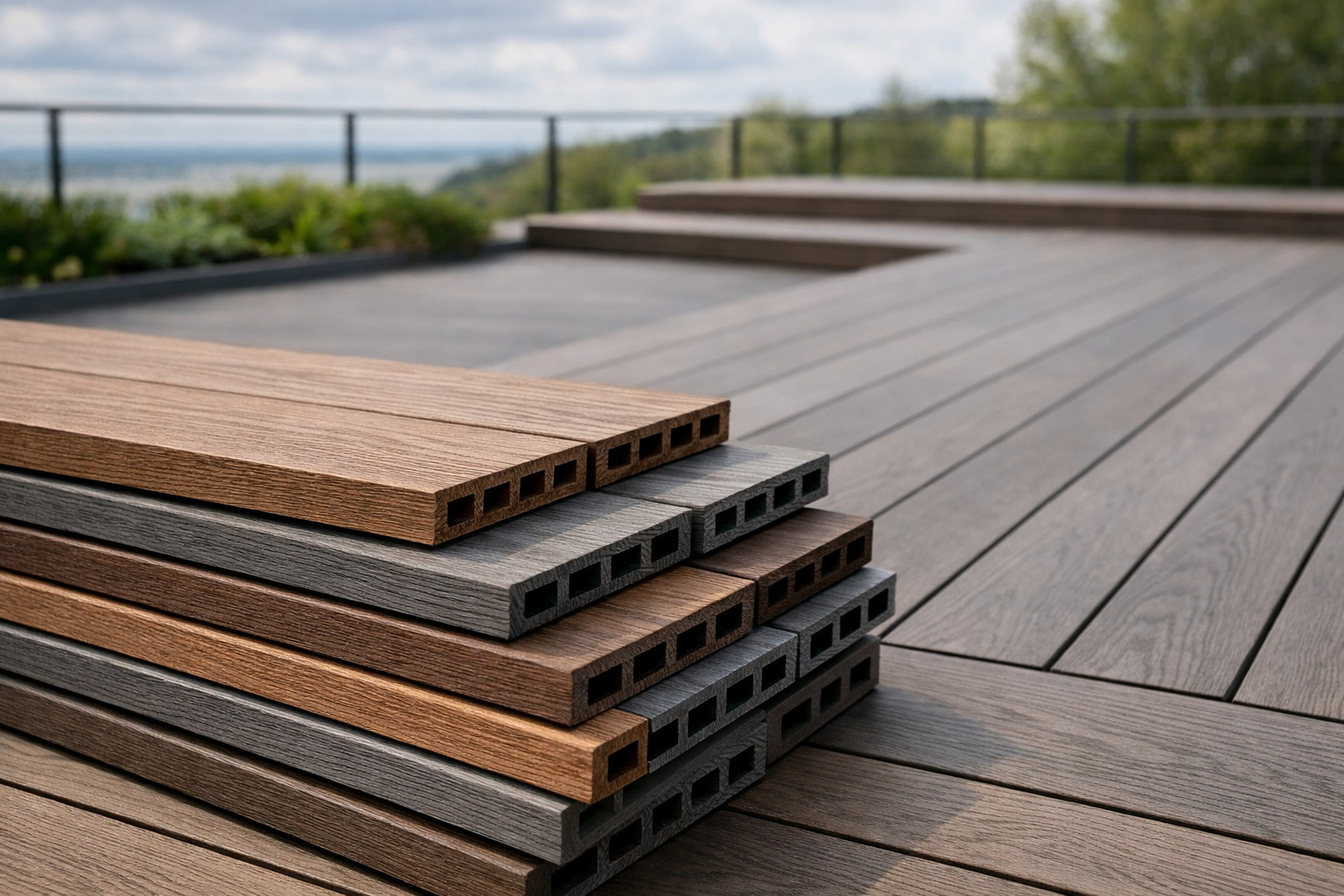
Made from recycled plastic, plastic wood is gaining space in the construction industry because it does not rot, resists moisture, and reduces maintenance costs over the years.
-
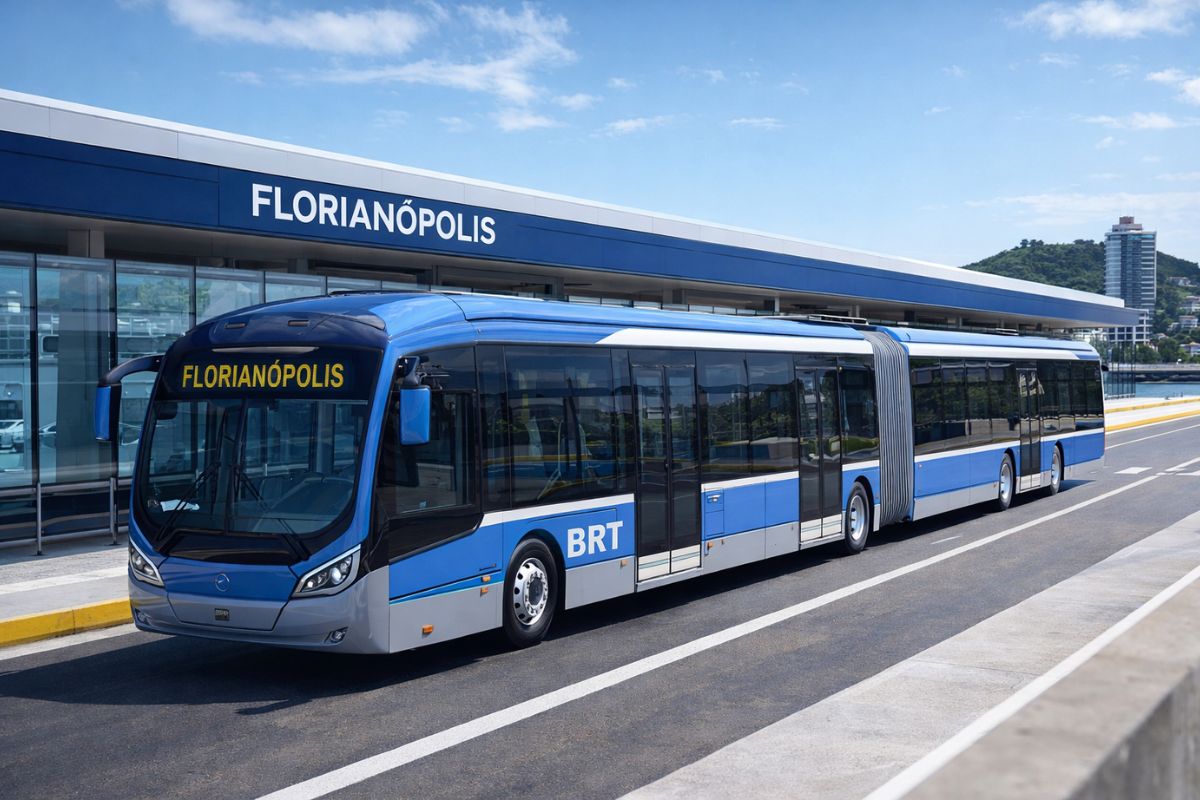
Florianópolis will receive a million-dollar BRT that will begin construction in 2026 with nearly 400 million in funding from the federal government and the Inter-American Development Bank, and the map already shows the routes for the exclusive bus corridors.
-
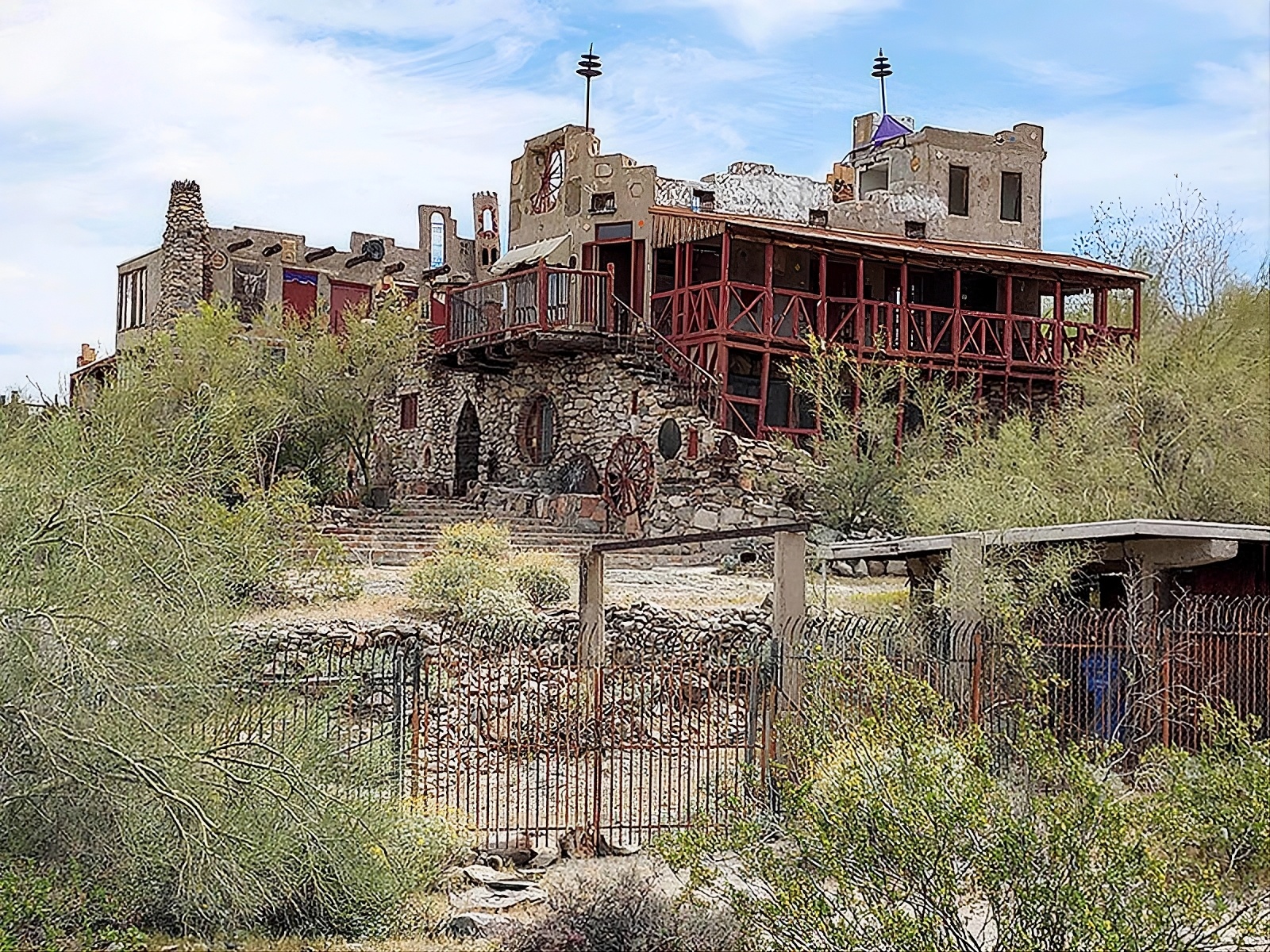
Without a blueprint, without an engineer, and using scrap from the dump, a father spends 15 years building an 18-room castle for his daughter, featuring tram tracks, 13 fireplaces, and over 700 m², which may now be demolished.

Construction of the Hélio Serejo Bridge Was a True Engineering Challenge
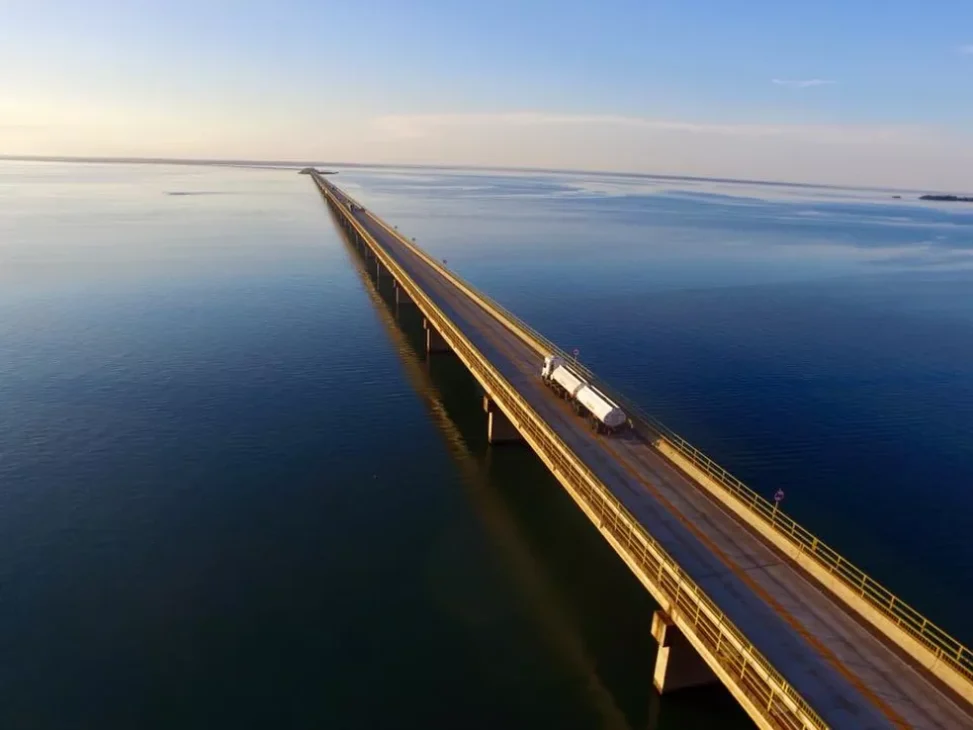
The construction of the Hélio Serejo Bridge was a true engineering challenge. With a length of 2,550 meters and a width of 12.30 meters, the bridge was built over the Paraná River, one of the most important rivers in the country. The work involved advanced technologies for the time, such as the use of prestressed concrete and large precast beams.
During the process, the engineers faced obstacles such as defining the best route for the crossing and the complexities of the foundations in a river with a depth of up to 15 meters. A line was chosen that offered favorable conditions, with higher banks on the Mato Grosso do Sul side, facilitating the bridge’s implementation.
Box Beam System
The pillars of the construction were the box beam system, and the assembly of the beams was almost like a giant Lego game, requiring precision and strategy. The foundation was another chapter in itself, requiring detailed geological studies due to the layers of sand and gravel on the riverbed. Concrete tubes with widened bases were driven with compressed air to ensure the stability of the structure.
The opening to traffic occurred on August 21, 1965, marking a new era in the connection between the states. Decades later, in 2011, the bridge underwent a significant renovation, with investments of R$ 24 million for pavement replacement and foundation point recovery.
Construction of the Hélio Serejo Bridge Is Not Just a Transportation Route
Today, the construction of the Hélio Serejo Bridge is not just a transportation route but also a tourist attraction that enchants with its grandeur and the history it carries. As one of the largest bridges in Brazil, it is a testament to human persistence and ingenuity, connecting not just territories but also stories and cultures.
We would like to acknowledge all the workers who made this feat possible, turning a decades-long dream into reality and writing an unforgettable chapter in the history of Brazilian engineering.
And what do you think about the impact of the construction of the Hélio Serejo Bridge on regional development? Share your opinion in the comments!






Maior crime ambiental do Brasil, eu moro em Presidente Epitácio sp, vi a construção,
na matéria devia ter pelo menos os municípios. ontem a ponte se localiza. em São Paulo presidente epitácio e no ms bataguassu
Conecta SÃO PAULO e MATO GROSSO DO SUL. Sabia que existem 2 estados?
Mato Grosso não faz divisa com SP.
Eu sou morador de Presidente Epitácio e sim, SP faz divisa com MS, as cidades interligadas são a minha (Presidente Epitácio) e a cidade distrito (nova porto XV)