





 Portuguese
  English
  Spanish
  3 min of reading


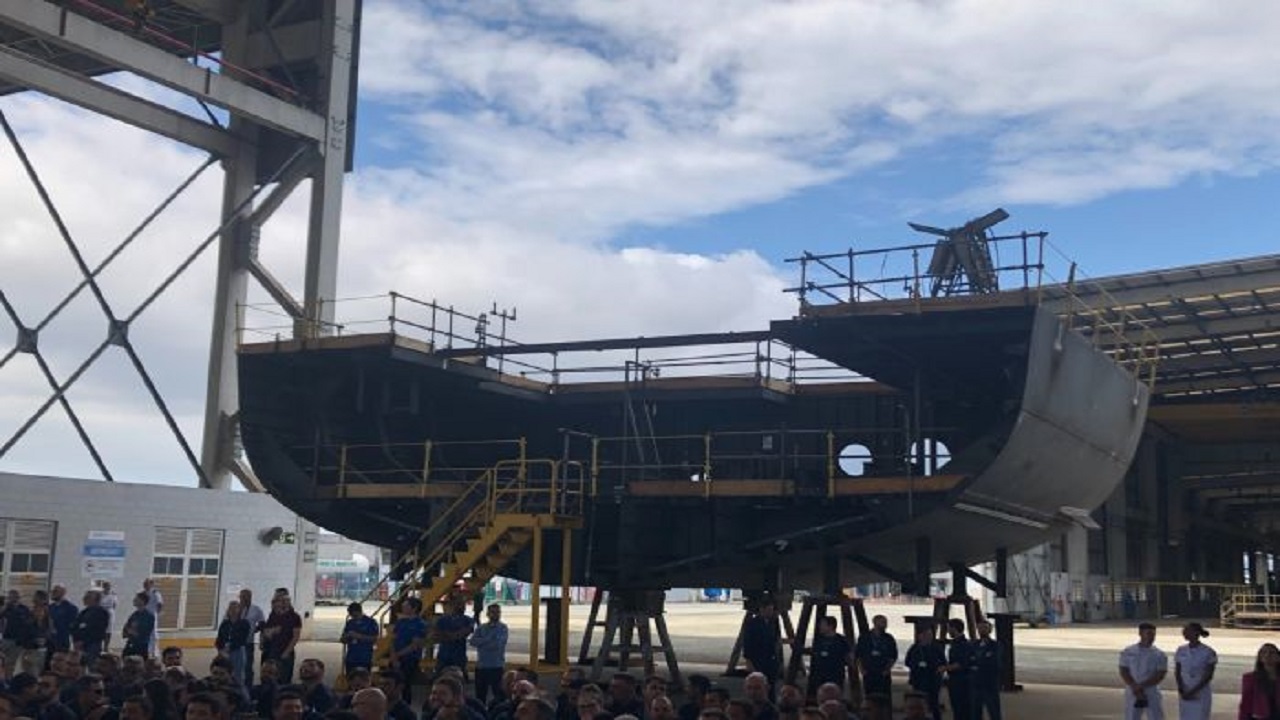
First Frigate of the Brazilian Navy Had Its Keel Laying Last Week. Project Should Generate Thousands of New Jobs in Brazilian Shipbuilding.
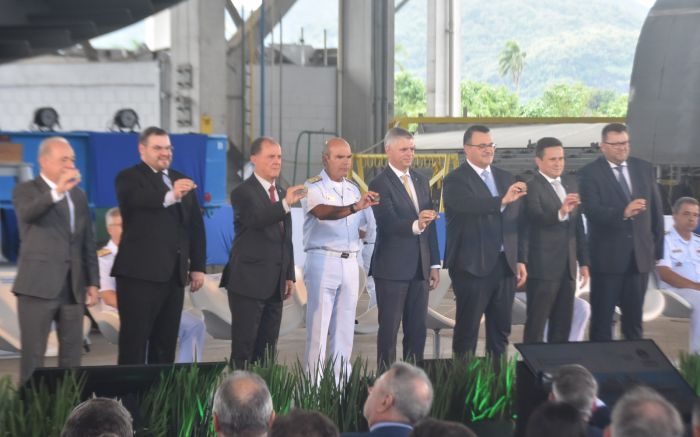
The keel laying of the first of four frigates of the Brazilian Navy, which will be manufactured in Itajaí (SC), marked a new phase in the construction of Tamandaré class ships. The ceremony took place last Friday at Thyssenkrupp Estaleiro Brasil Sul. The project has already generated 600 jobs and currently has another 40 available. In total, there will be more than 2,000 opportunities generated by the end of the work. A prominent feature in shipbuilding, the keel laying occurs when the keel, the “backbone” of the Frigate, is completed, making it possible to structure the other parts.
Importance of the Vessel for the Brazilian Navy in Naval Construction
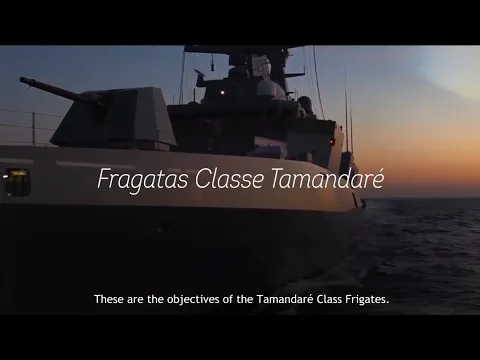

The evolution of engineering and the current production processes used in the Tamandaré Class Frigates Program (PFCT) make it possible for the vessels to be built in blocks.
Thus, in the case of the Tamandaré Frigate, which generated several jobs, the keel laying was characterized by positioning a structural block weighing about 52 tons, equivalent to one of the engine rooms of the ship, where two engines, auxiliary equipment, and a reduction gear will be installed.
-
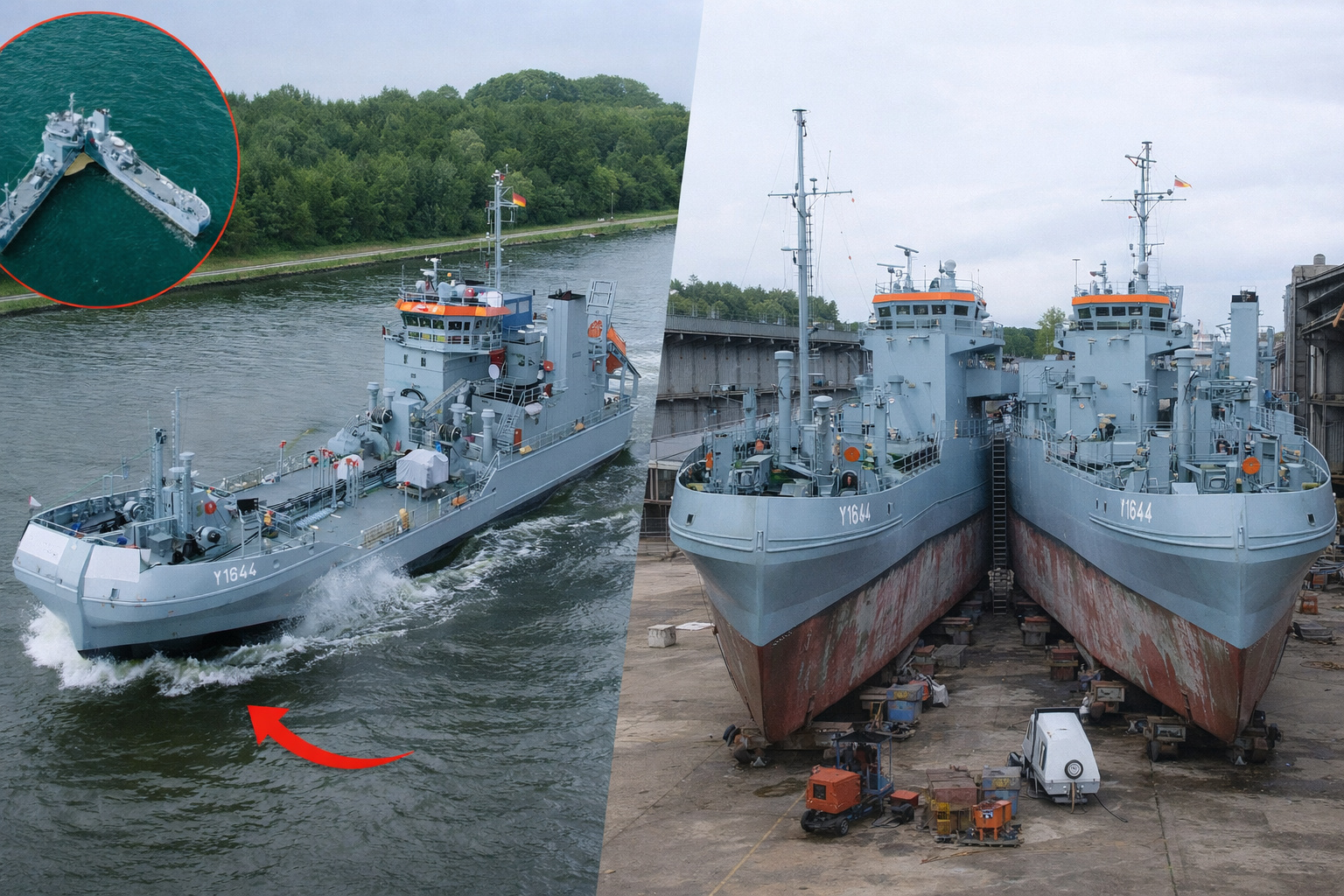
The German ship Bottsand splits its hull in two halves in the middle of the ocean to swallow spilled oil on the surface, separating the oil from the water inside a 790 cubic meter tank and then closing again. It is the only ship in the world factory-designed to split in half as part of normal operations, and the crew of six people who operate everything is civilian.
-
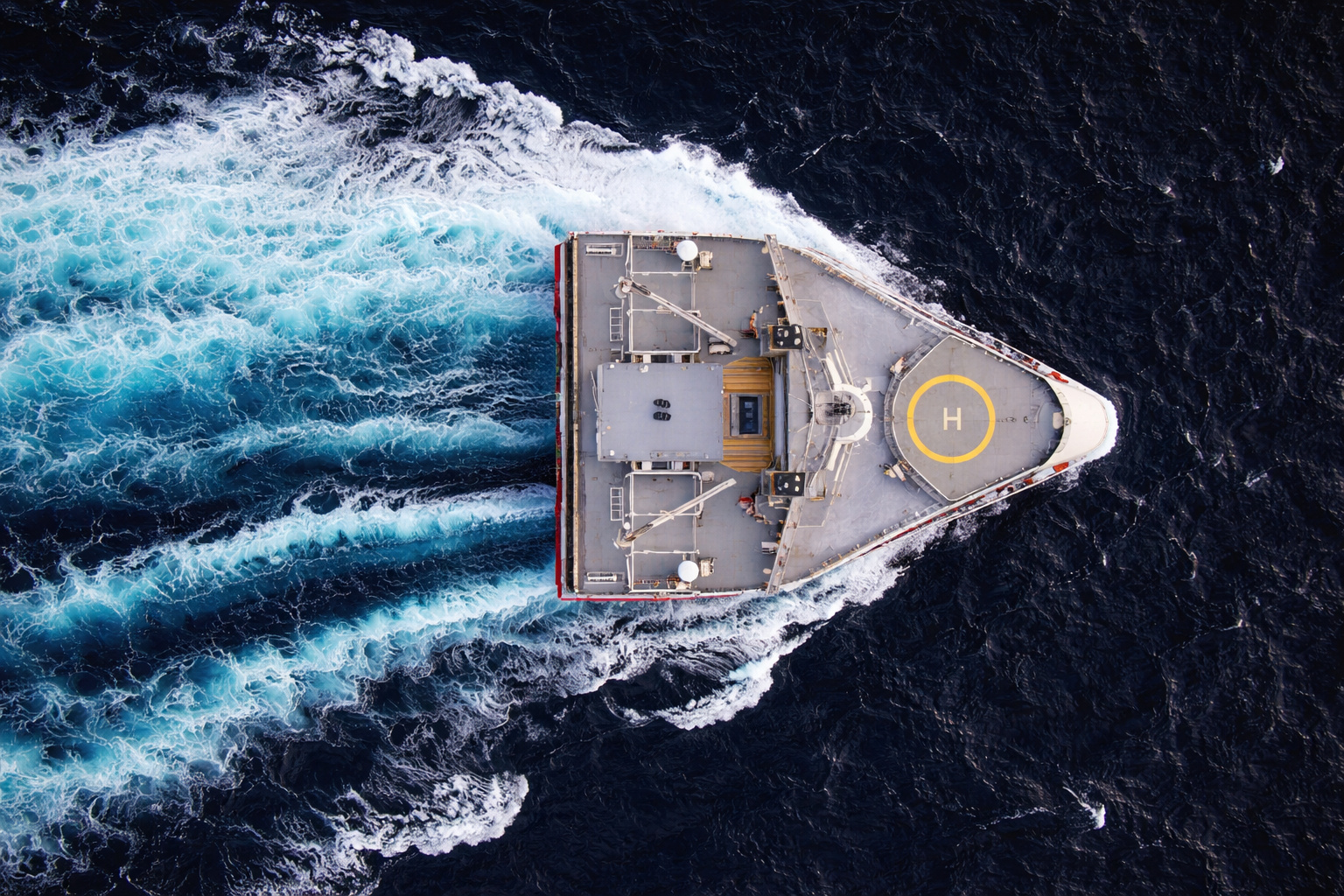
With almost 70 meters in width at the stern and a shape resembling a “giant slice of cheese,” the Ramform Titan tows up to 24 seismic cables to sweep the ocean floor in 3D and reveal oil reserves hidden beneath kilometers of sediment.
-
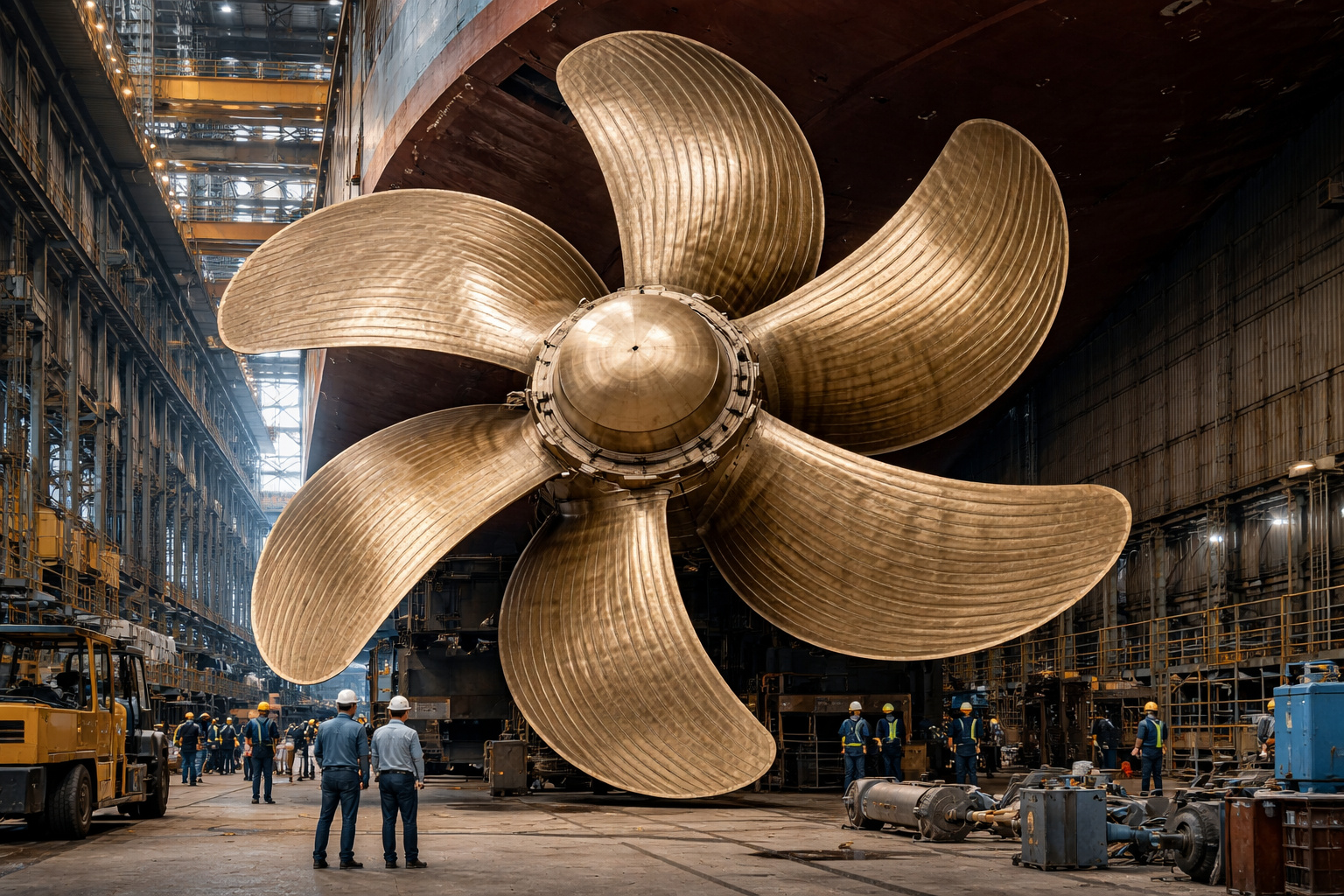
How a 131-ton, 11-meter propeller supports 90% of global trade and transforms the largest container ships on the planet.
-
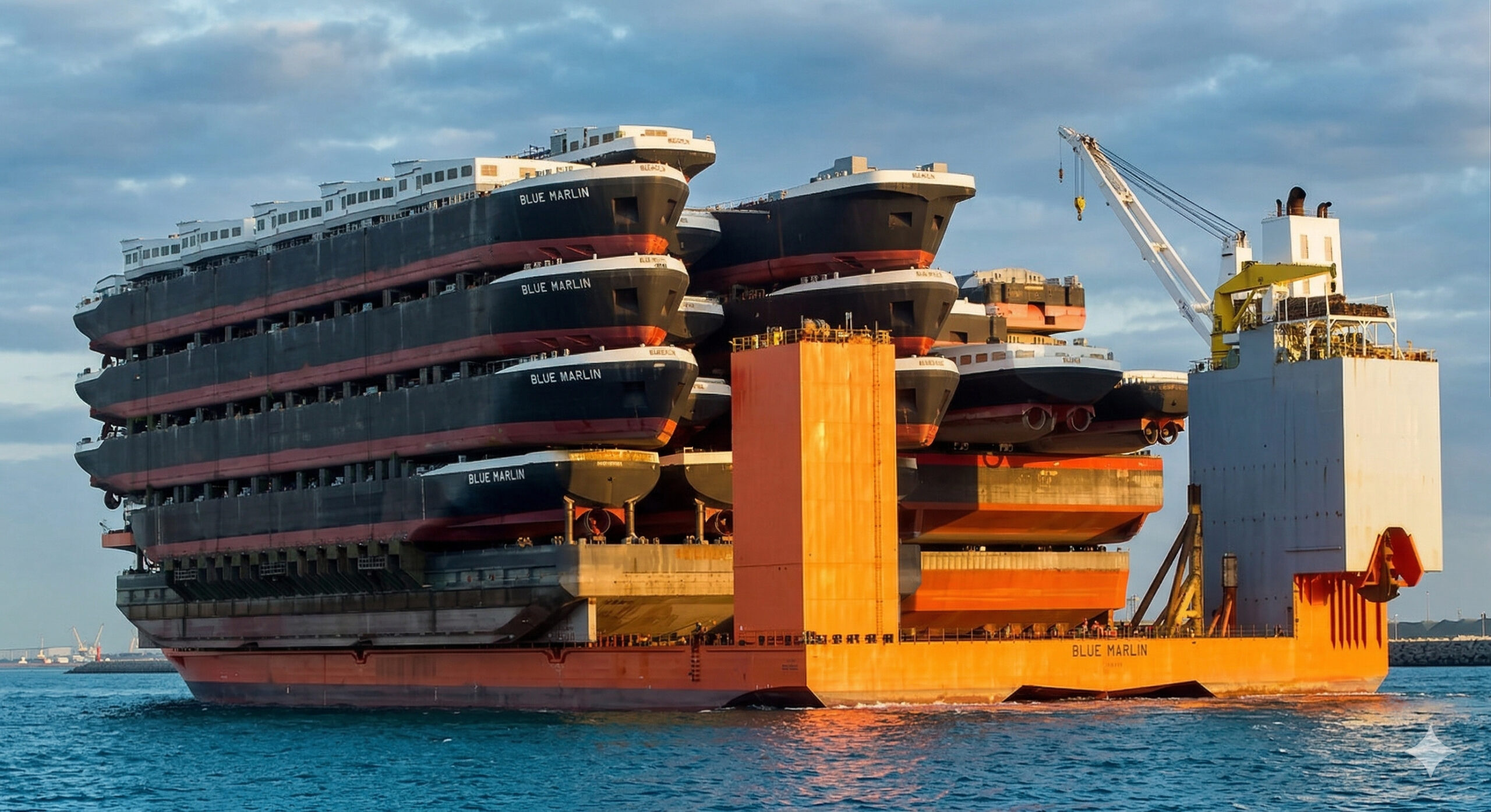
With a length of 225 meters and a capacity of 76 thousand tons, this ship “sinks” its own deck down to 28 meters deep to accommodate war destroyers, oil platforms, and giant radars floating above, and then emerges with everything intact on top like a colossal tray crossing oceans.

This type of block construction, which is built separately and joined at the end, is unprecedented in shipbuilding for the Brazilian Navy. The production of the first frigate of the project began in September of last year.
The launch of the ship, which created numerous jobs, is scheduled for 2024, with delivery to the Brazilian Navy expected by December of the following year. Soon after, three more vessels will be delivered in 2027, 2028, and 2029. The cutting of the hull plate for the second frigate, which marks the beginning of construction, is expected to take place still in 2023.
Advantages of the New Model of the Brazilian Navy
Admiral Arthur Fernando Bettega, General Director of Material for the Navy, emphasizes the importance of this advancement in naval construction in the PFCT, which is strategic for the Navy and for the sovereignty of the country.
According to Bettega, it has been possible to witness the meeting of tradition with pressing technological modernity, resulting in optimized production and enhanced safety for the workers and information.
Oliver Burkhard, CEO of Thyssenkrupp Marine Systems, added that the company will provide the Brazilian Navy with state-of-the-art frigates that incorporate the most advanced naval technology, robust combat capability, and innovation.
This modern construction model, which anticipates production in blocks to be subsequently built, provides several advantages over the old model. Thus, it is possible to install accessories and foundations in advance, in addition to facilitating the placement of equipment on board and allowing work in various stages to be carried out separately in each unit. The process also enhances worker safety by keeping spaces open for longer during construction.
Job Generation in the Shipbuilding Sector
Fernando Queiroz, the executive director of the Águas Azuis consortium, highlighted at the event that more than 600 workers are currently active at the shipyard, not counting service providers and the supply chain of suppliers and specialists involved in production. Throughout the project, the frigate program is expected to generate about 2,000 direct jobs and 6,000 indirect jobs.
Fernando mentions that the efforts of all have borne fruit through a strong, competent, creative, and competitive shipbuilding industry. The Thyssenkrupp Estaleiro Brasil Sul is already among the companies generating the most opportunities in the Itajaí region and thus contributes to making Santa Catarina one of the states with the lowest unemployment rates in Brazil.









Seja o primeiro a reagir!