





 Portuguese
  English
  Spanish
  3 min of reading
  15 comments


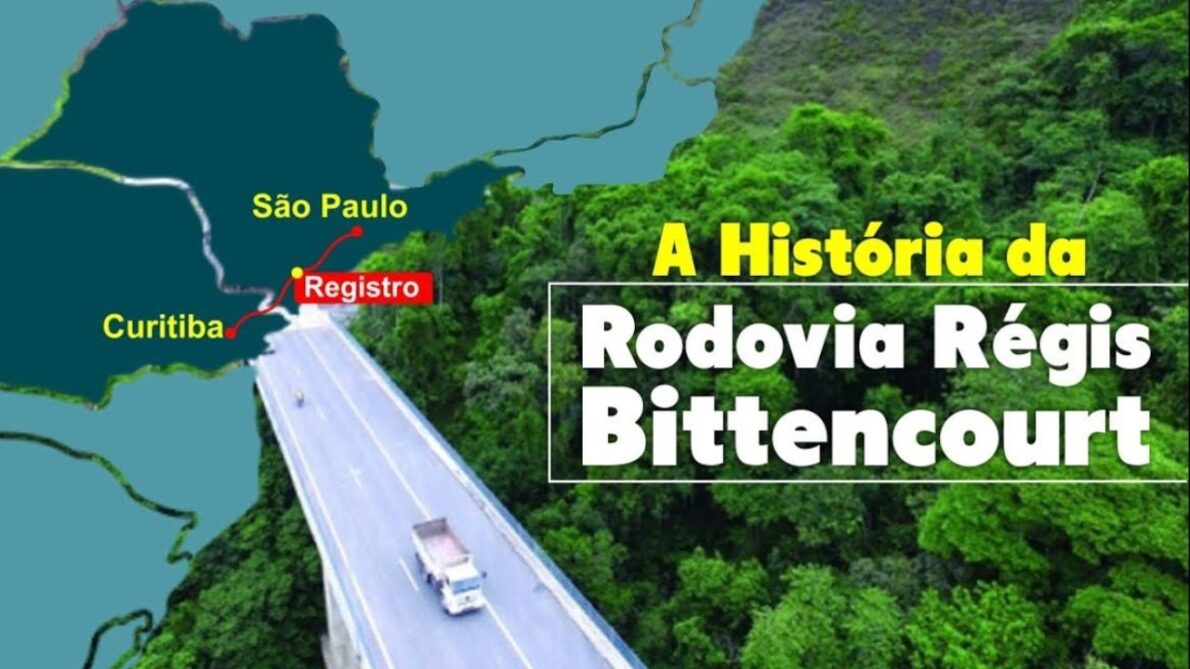

The Construction of the Régis Bittencourt Highway, Inaugurated in 1961 as BR-2, Revolutionized Transportation Between São Paulo and Curitiba and Became One of the Most Important Highways in the Country, with Decades of Economic and Social Impact.
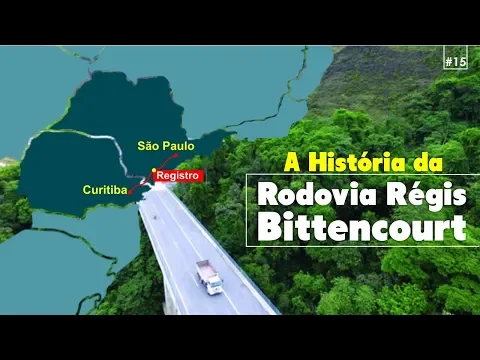
The construction of the Régis Bittencourt Highway was not just the creation of another road; it was practically an epic of national transport. Imagine reducing the travel time between São Paulo and Curitiba from 12 hours to just 3, at a time when potholes and mud were the main companions of those who ventured on dirt roads. This was only possible with the inauguration in 1961 of BR-2, now known as BR-116, which would soon become one of the most important highways in the country.
The Construction of the Régis Bittencourt Highway Was One of the Greatest Highway Achievements of the 1960s
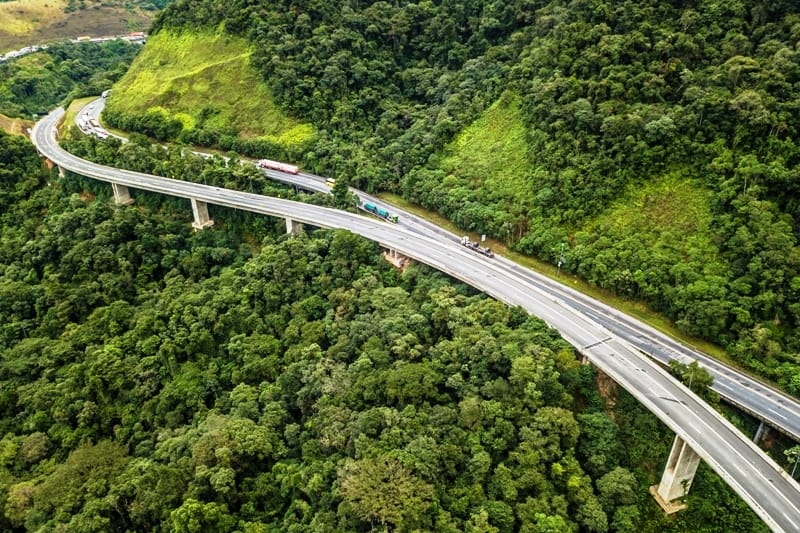
The construction of the Régis Bittencourt Highway, which connects São Paulo to southern Brazil, was one of the greatest highway achievements of the 1960s. Delivered by then-President Juscelino Kubitschek, this work represented a milestone in the development of national infrastructure. Before it, traveling from Registro to São Paulo, for example, was a true mission. Benevides Teixeira, in his 1980 book, recounted how the journey in a “jardineira,” a typical bus of the time, took a long 12 hours to complete the route. With the new highway, this time was reduced to just 3 hours.
BR-116 Was Named Régis Bittencourt
Over the years, BR-116 was named Régis Bittencourt, in honor of the civil engineer who played a key role in its execution. The highway, which today stretches over 400 km from São Paulo to the border with Paraná, has established itself as one of the most important highways in the country, serving as a crucial link for Mercosur and connecting Brazil to the international trade route.
-
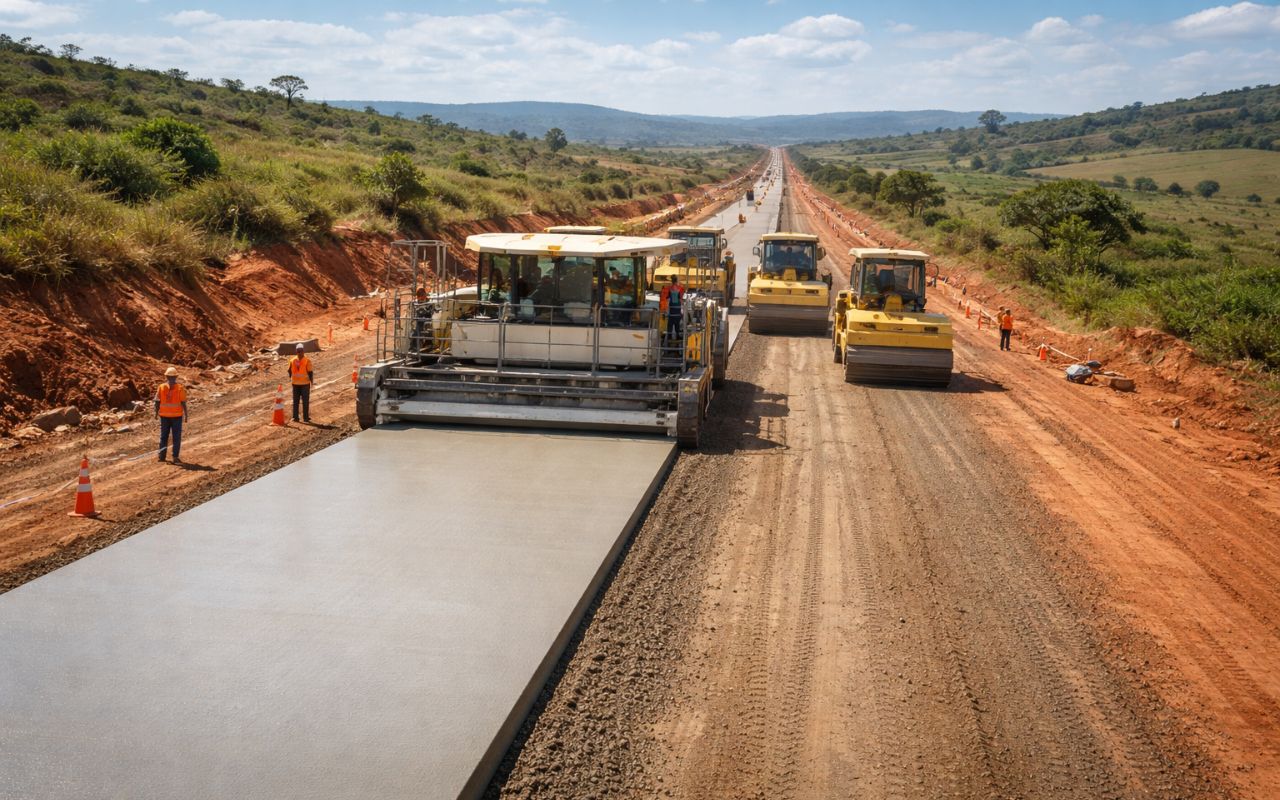
New CCR concrete paving technology promises roads up to 3x more durable, less maintenance, and cost reduction in Brazil.
-
Made from recycled plastic, plastic wood is gaining space in the construction industry because it does not rot, resists moisture, and reduces maintenance costs over the years.

-
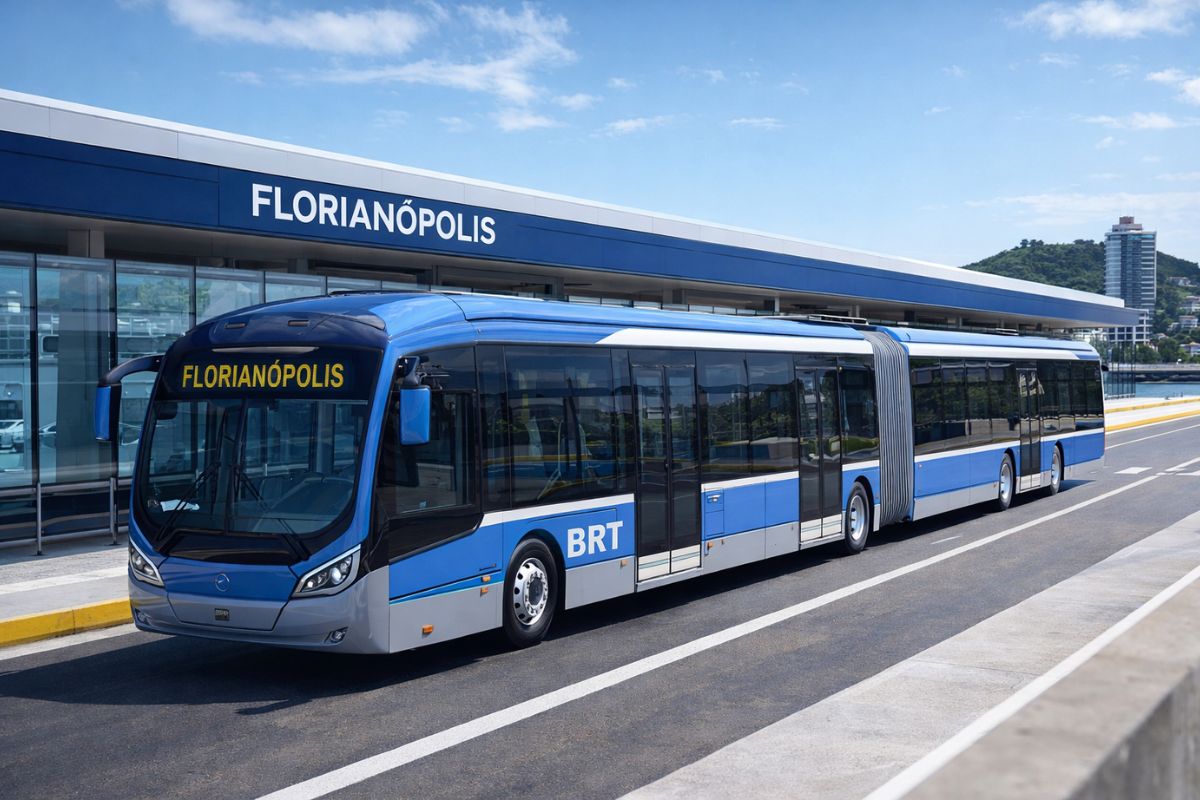
Florianópolis will receive a million-dollar BRT that will begin construction in 2026 with nearly 400 million in funding from the federal government and the Inter-American Development Bank, and the map already shows the routes for the exclusive bus corridors.
-
Without a blueprint, without an engineer, and using scrap from the dump, a father spends 15 years building an 18-room castle for his daughter, featuring tram tracks, 13 fireplaces, and over 700 m², which may now be demolished.

Régis Bittencourt Sadly Became Known as the “Highway of Death”
However, not everything was progress. In the 80s and 90s, Régis Bittencourt sadly became known as the “Highway of Death,” due to the high number of fatal accidents. In 1999, the worst accident in its history involved a tourist bus and a truck, resulting in over 30 deaths. This tragic event forever marked the history of the highway, highlighting the need for structural improvements.
In an attempt to resolve these issues, the duplication of the highway began during the government of Fernando Henrique Cardoso and was completed in 2017. One of the most critical points, the Serra do Cafezal, was known for its winding curves and was the last section to be duplicated. The duplication and other improvements were made possible thanks to the concession of the highway to the private sector, which installed toll plazas and invested in modernizing the road.
The Construction of the Régis Bittencourt Highway Continues to Play a Vital Role

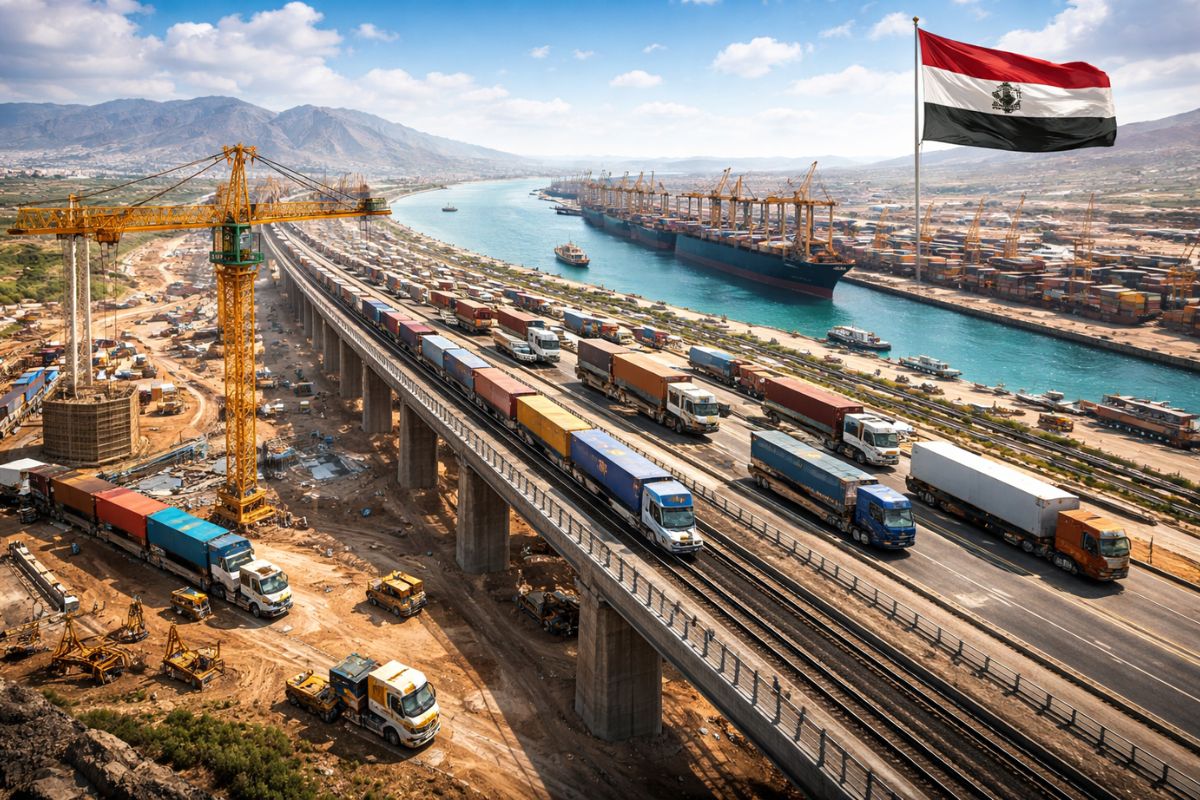
Today, the construction of the Régis Bittencourt Highway continues to play a vital role in the national economy, facilitating the transport of goods and people. Despite its turbulent past, the improvements made over the past decades have ensured that this highway remains among the most important highways in the country, connecting states and countries and allowing for the economic and social development of the entire region it crosses.
With its rich history, the construction of the Régis Bittencourt Highway shows us how infrastructure can impact the lives of millions. From its dangerous curves and feared nickname, the highway has evolved into one of Brazil’s main transportation corridors, playing a fundamental role in trade and in the daily lives of the people who depend on it.
And you, have you had any memorable experiences traveling on the Régis Bittencourt Highway? How do you see the impact of this highway on your life or on the country’s economy? Share in the comments!






Conheço essa estrada desde 1975 quando ia com carga p cajati , sempre foi perigosa , depois que duplicou não passei mais mas a fama continua
Ola , meu nome e Fernanda so acho que vocês precisam melhorar a rodovia com iluminação , mais controle com os caminhões e um perigo , a nooite nao tem iluminação nenhuma vindo de embu ate juquitiba , tinha que ter so uma pista para caminhões
Carro de passeio vi varios em acidentes provocados por caminhoneiros sem prudência, Precisa ser melhorado essa estrada de juquitiba
3 horas???? SP X Curitiba?? Como 400km???