





 English
  Francês
  Alemão
  Italiano
  Japonês
  Norueguês
  Portuguese
  Spanish
  3 min of reading


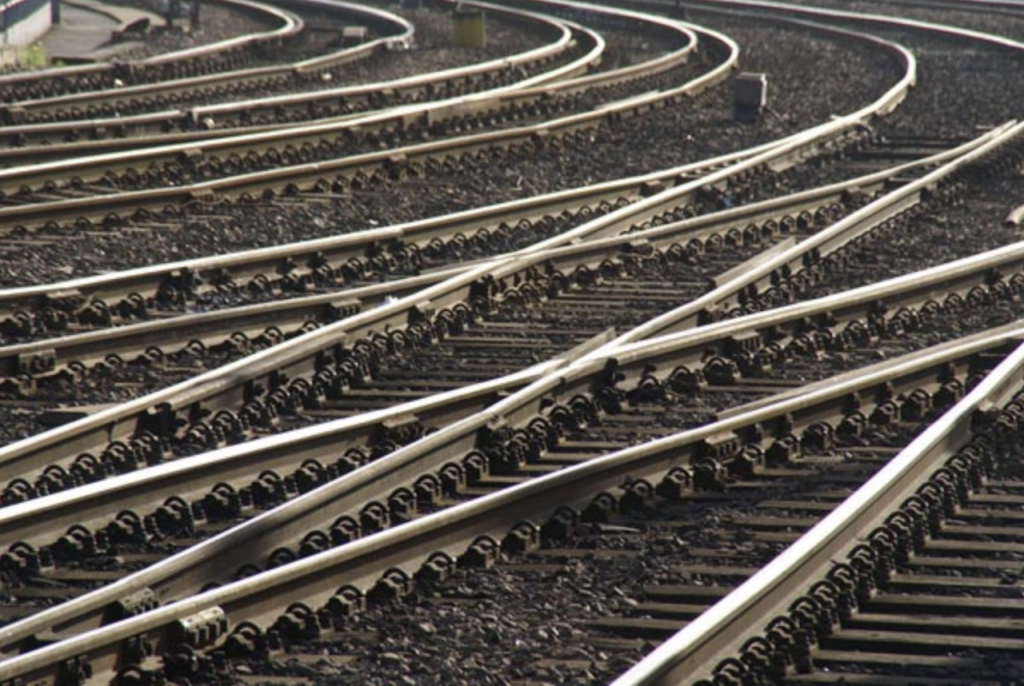
Logistics Companies Agreed to Build the Railway with the Ministry of Infrastructure So That Both Can Explore the Stretch and Assume 100% of the Project Risk
The logistics companies Rumo and VLI obtained federal authorization for the development of the railway construction project between the city of Uberlândia and Chaveslândia, a district of Santa Vitória. The announcement of the release by the Federal Government for the companies to explore the site was made in September of last year by G1. The expectation is that R$ 2.77 billion will be invested in the 276.5 km stretch.
See Also:
- Job Openings for Elementary and High School Graduates to Work at a Ethanol Plant in São Paulo
- After Partnering with Estrella Galicia, Coca-Cola, the Global Giant of Non-Alcoholic Beverages, Acquires All Shares of Companhia Vontobel de Investimentos (CVI) and its Subsidiaries in Brazil
- Gasoline and Diesel Prices May Crash and Drop by Up to R$ 3.00 if Senate and Congress Create a Fund with Profits from the Government Due to the Rise of the Dollar and Oil to Subsidize Fuel Price Adjustments
Private logistics companies can invest in construction or upgrade railways thanks to the framework established by the new Legal Framework for Railways, which provides greater freedom for ventures and fewer state impositions.
According to the Ministry of Infrastructure, the two logistics companies can develop the sector and, to do so, need to obtain the necessary licenses from the responsible agencies and execute engineering project developments. Additionally, they must secure funding to implement the business and consider the risks of the venture, among other agreements that the companies need to assume.
-
São Paulo surprises the world with a colossal railway network project that promises over 1,000 km of tracks, R$ 194 billion in investments, and 40 projects connecting the capital to the interior with fast and sustainable trains.

-
The world’s largest escalator, measuring 905 meters in China, reduces urban travel time from 1 hour to about 20 minutes and transforms mobility in mountainous regions with an engineering solution adapted to the terrain.

-
A R$ 300 million logistics giant is taking shape in Serra with over 100,000 m² and raises a question: how can this transform e-commerce and distribution in the state?
-
Could Uber Rides Lose Minimum Fare? Understand What’s Happening!


New Legal Framework for Railways
The logistics companies will operate based on the new railway authorization model established by the Legal Framework for Railways. According to the new document, it is the responsibility of the private sector to project, build, and operate new railway sectors under the authorization of the Government. In this contractual form, the investment and potential business risks are entirely borne by the private sector.
Based on this, the logistics companies Rumo and VLI will have the autonomy to develop their own projects in the relevant stretch. However, if one of the two logistics companies cannot proceed, the project will be managed by the one that can make the business viable while ensuring compliance with safety standards and operational capacity, both required by the Federal Government. And this applies not only to licensees but also to service concessionaires for transportation in Brazil.
The new operational model is different from the former railway concession projects, where all project details were defined by the government, which offered them at auction for private companies to implement. The new authorizations are for constructing and exploring railway services, provided they do not present locational incompatibility.
The Legal Framework for Railways does not foresee discretionary solutions for evaluating ventures, which opens the door for market solutions to enter the competition. That is, if the contractors meet the requirements of the legislation, the decision on construction will have a market solution, competing for each company to conduct the studies to implement the railways.







Seja o primeiro a reagir!