





 Portuguese
  English
  Spanish
  6 min of reading
  0 comments


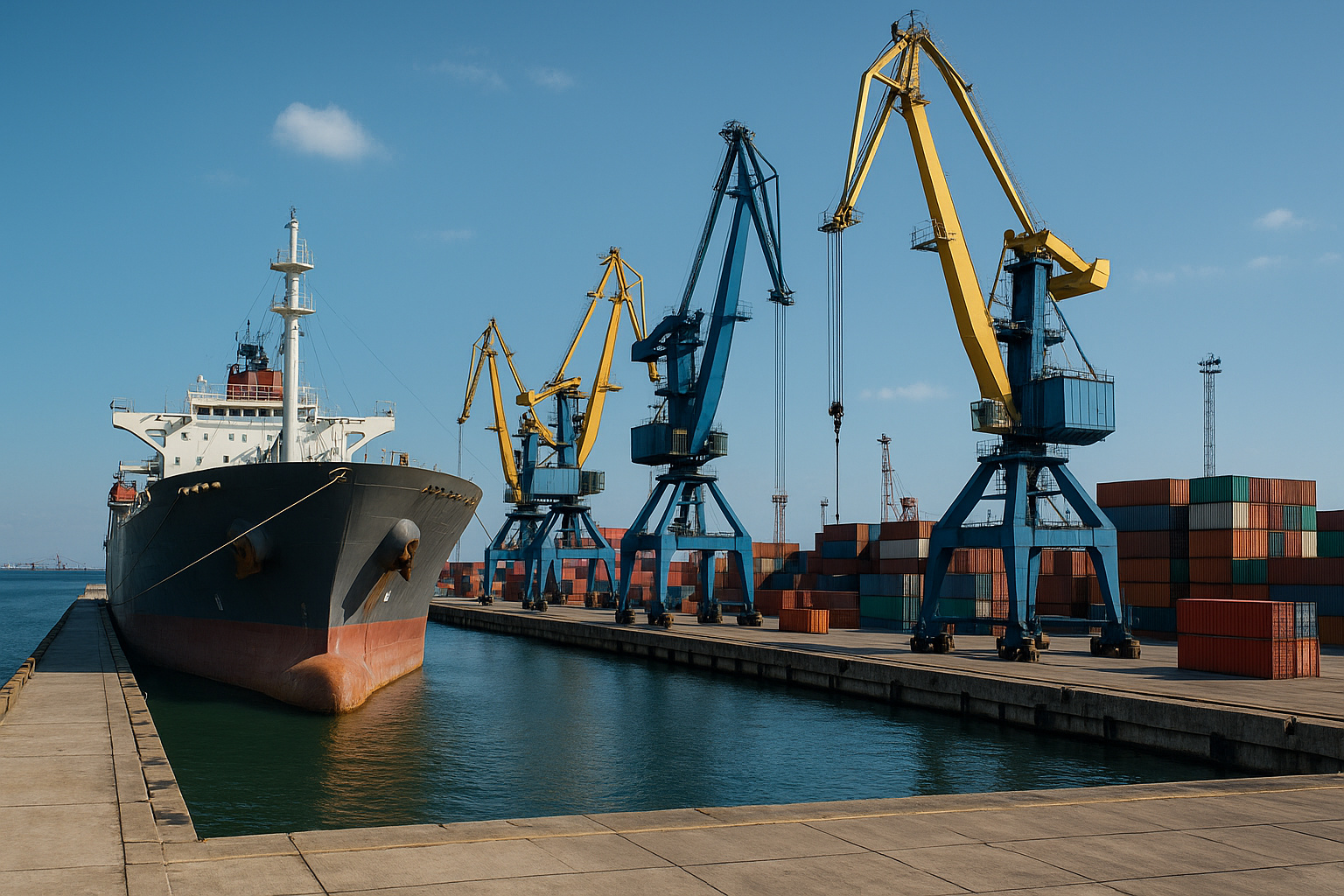
Understand How Port Construction Shaped History, Drives the Economy, and Evolves with Technology and Sustainability to Meet the Demands of Maritime Trade.
The construction of ports has always played a fundamental role in economic development and the integration between peoples, especially in coastal regions.
Since the first records of maritime navigation, civilizations have sought ways to create structures that allow for the loading and unloading of goods, as well as the safe arrival of people.
As reported by the Brazilian Ministry of Infrastructure, the organization of the first structured ports in the country began in the 18th century, when the export of agricultural and mineral products intensified.
-
Abandoned house for 15 years disappears in the woods, shocks owner with unrecognizable scenery and is reborn in an intense transformation after almost 90 hours of work in just 10 days.

-
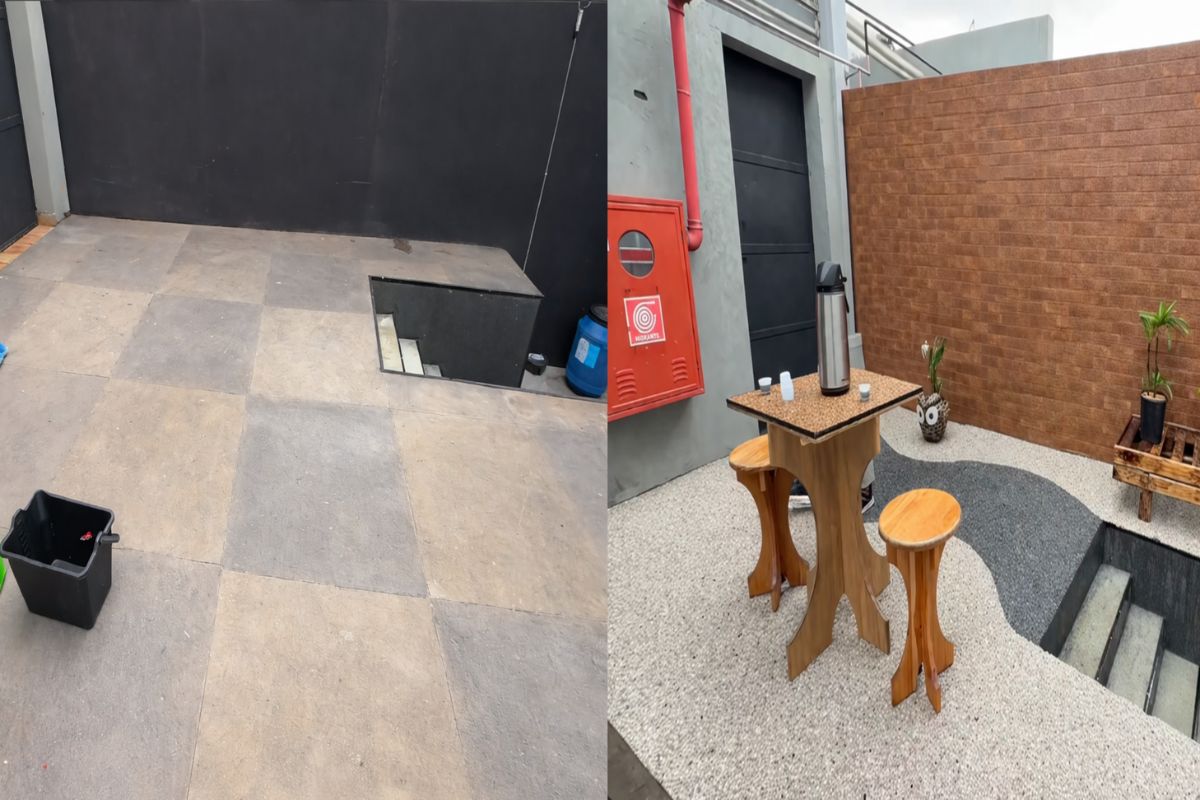
In just three hours, a natural stone floor transforms the entrance of the house with an organic effect, immediate drainage, and a sophisticated non-slip finish that doesn’t puddle water, dries quickly, and impresses with the final result.
-
‘Interlocking brick’ made of earth arrives in the construction industry with cost reductions of up to 40% on the project.

-
Espírito Santo will receive the largest engineering project in its history with the duplication of BR 262, which will have 50 viaducts, 28 bridges, and 2-kilometer tunnels cutting through the most challenging mountainous region of the entire state.


Over time, port engineering has evolved significantly, replacing rudimentary solutions made of wood and stone with highly complex and technological designs.
Today, therefore, modern ports handle billions of tons of cargo per year and account for a significant portion of global trade.
They serve not only to transport goods but also facilitate the mobility of people and boost regional development.
In this article, we will understand how port construction occurs, what factors influence the design, its historical evolution, and the challenges involved in this infrastructure.
The Origin and Historical Evolution of Ports
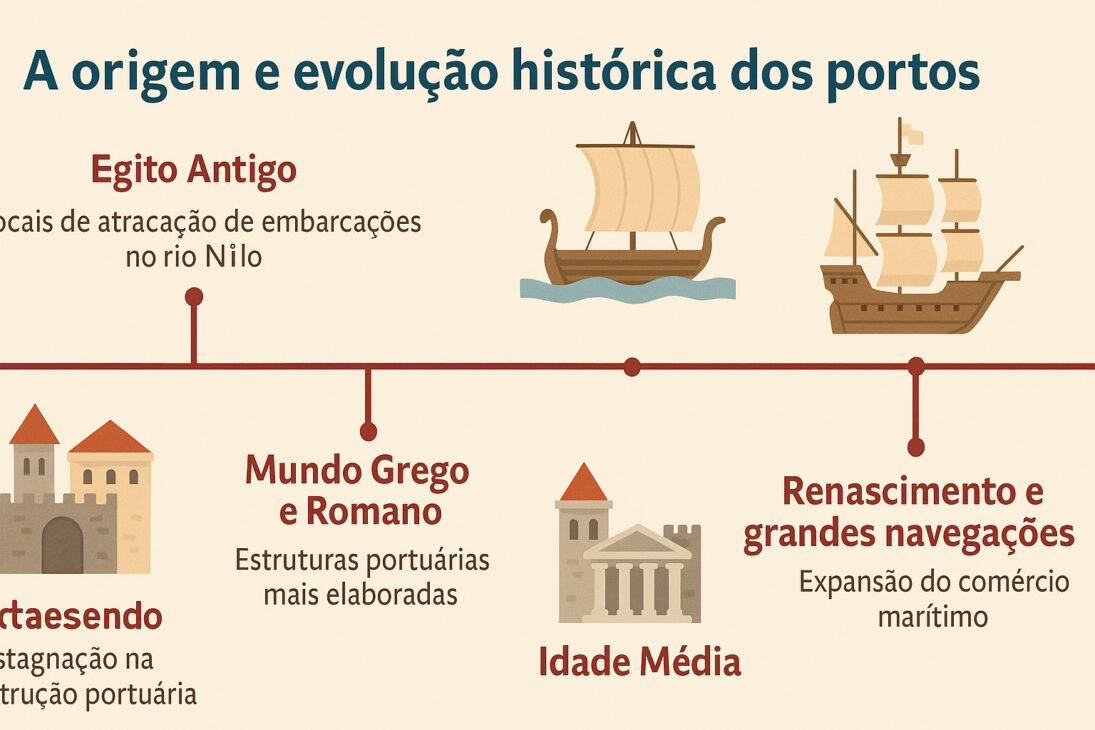
Ports emerged along with navigation itself. In Ancient Egypt, for example, there were already places where vessels docked to unload products from the Nile River, according to records from UNESCO.
Additionally, in the Greek and Roman worlds, port structures took on more elaborate forms.
The famous Piraeus Port in Greece and the artificial port built by the Romans in Caesarea, in Palestine, with concrete blocks that hardened in water, are examples of advances in port engineering in the 4th century BC.
During the Middle Ages, there was a period of stagnation in port construction in Europe, but with the Renaissance and the great navigations of the 15th century, European maritime trade expanded significantly.
According to historian Fernand Braudel, this period marked the beginning of global trade and the transformation of ports into strategic commercial centers, with the development of warehouses, docks, and customs areas.
In colonial Brazil, the establishment of the ports of Salvador (1549), Recife, and Rio de Janeiro was essential for the flow of agricultural and mineral production to Europe, according to data from the Brazilian Institute of Geography and Statistics (IBGE).
The growth of these ports accompanied the economic expansion and colonization of the territory, reflecting the strategic importance of port infrastructure for the country.
The Industrial Revolution in the 19th century drove profound changes in port construction.
According to the National Department of Transport Infrastructure (DNIT), the emergence of larger ships required more robust works, including dredging channels, constructing jetties, and using materials such as steel and reinforced concrete.
This modernization allowed ports to keep up with the increase in the volume and size of vessels, a crucial factor for the expansion of international trade.
What Involves Port Construction
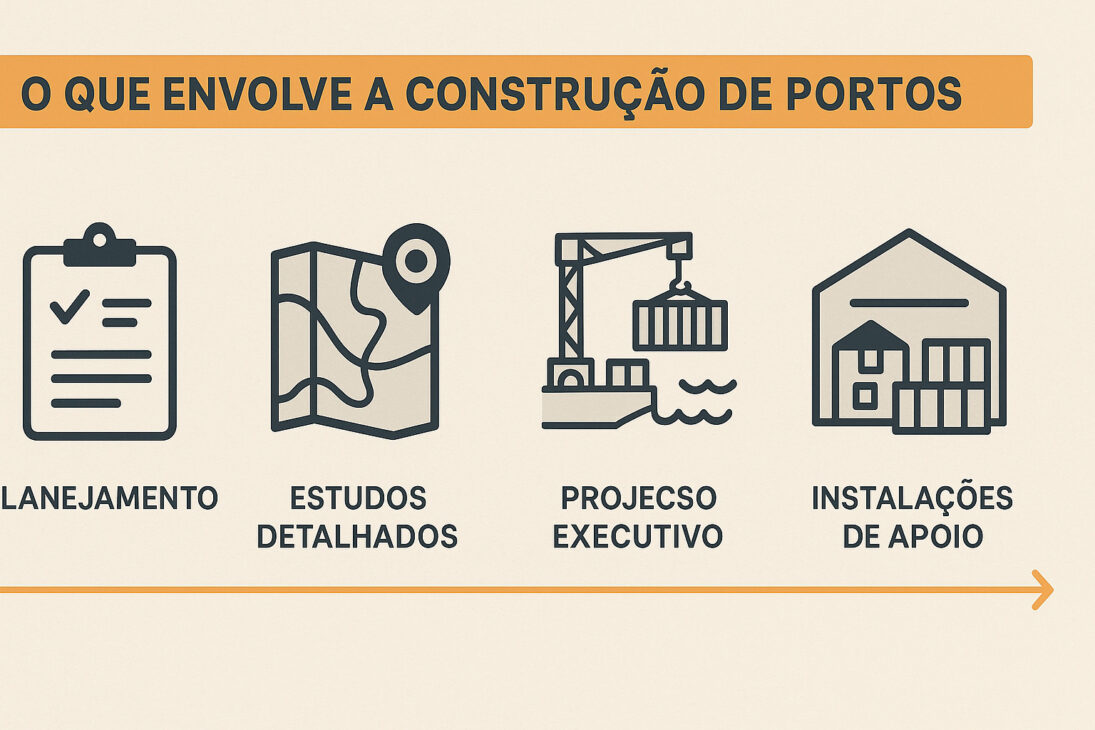
Building a port requires multidisciplinary planning. Before starting any construction, engineers and technicians conduct detailed studies of the chosen region.
They assess aspects such as geological conditions, water depth, tides, currents, climate, environmental impact, and land access to ensure the project’s feasibility.
Each of these factors directly influences the cost, construction time, and future efficiency of the port.
The process usually begins with the development of an executive project, which defines the types of structures needed. Among the main ones are jetties, piers, ramps, and dredging operations—each with a specific function in the port system.
The choice of these elements depends on the type of vessels served, the cargo handled, and the type of operation (general cargo, solid or liquid bulk, containers, etc.).
In addition to physical structures, the port needs logistical support facilities such as warehouses, cranes, customs terminals, and road and rail access.
This infrastructure must operate in an integrated manner to ensure efficiency in the loading and unloading of cargo and passengers.
Well-planned internal logistics reduces shipping wait times, lowering costs for companies and increasing the port’s competitiveness, according to studies by the International Association of Ports and Harbors (IAPH).
Sustainability and Environmental Impact
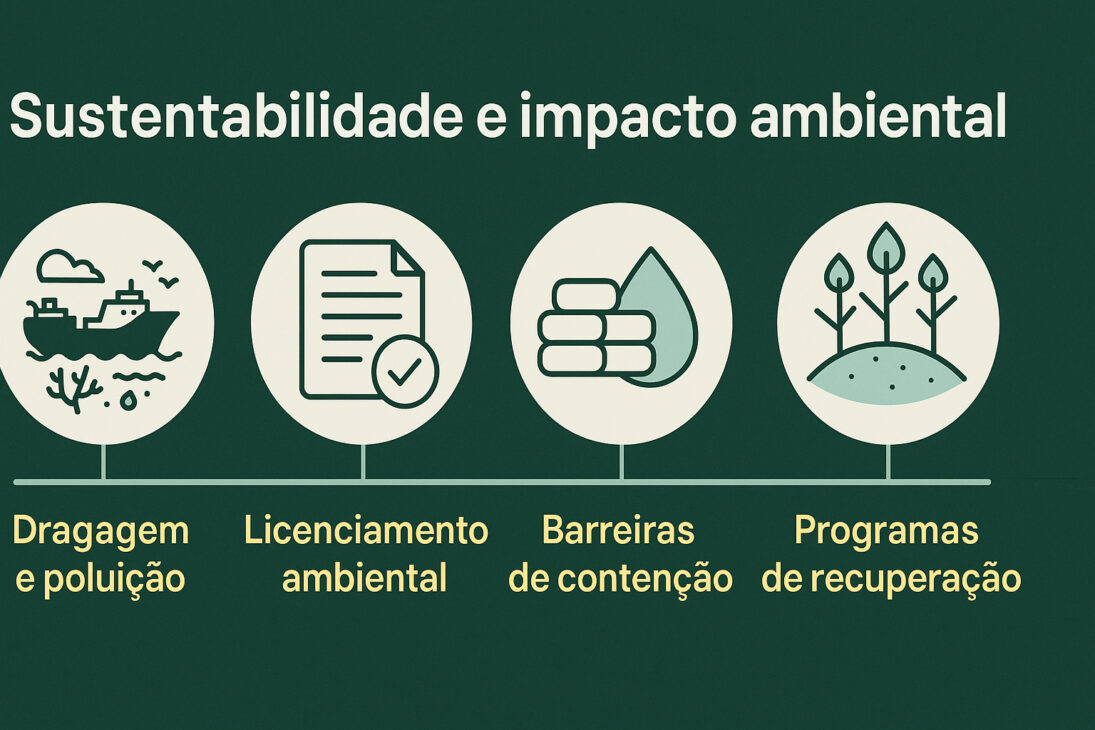
With the increasing environmental concerns, port construction has begun to consider the impact on marine and coastal ecosystems more carefully.
Dredging, for example, can affect sandbanks and corals, while the heavy traffic of ships generates water and air pollution.
Thus, the construction and operation of ports require special care to protect local biodiversity.
Port construction or expansion projects generally undergo processes of environmental licensing and environmental impact assessments (EIA/RIMA), as required by the Brazilian Institute of the Environment and Renewable Natural Resources (IBAMA).
Techniques such as the use of containment barriers, controlled dredging, and marine fauna monitoring help minimize damage.
Moreover, many ports invest in environmental recovery programs, such as mangrove reforestation and protection of preservation areas.
The concept of sustainable ports has gained strength, encouraging practices such as renewable energy generation, waste management, use of clean technologies, and investments in environmental compensation.
Modern engineering seeks to balance logistical efficiency with ecological responsibility.
Sustainable projects tend to achieve better social acceptance and greater longevity, becoming references in the sector.
The Strategic Importance for Brazil and the World
Ports not only serve foreign trade but also connect regions within a country.
In Brazil, with its extensive coastline, the construction of ports is essential for the flow of agricultural, mineral, and industrial production, especially from the Midwest and Southeast regions.
This makes ports crucial elements for national integration and regional economic development.
Ports like Santos, Paranaguá, and Suape play a fundamental role in the Brazilian economy.
They integrate the logistics chain, receiving products via railroads or highways and distributing them to the world via maritime means.
In times of globalization, port efficiency is directly linked to a country’s competitiveness in the international market.
Investing in port infrastructure reflects in reduced export and import costs, influencing prices and product availability, according to the Ministry of Economy.
Furthermore, ports focused on passengers, such as cruise terminals, boost the tourism sector and stimulate local economies.
These ports promote the development of cities and generate direct and indirect jobs, acting as engines for various productive chains.
Technological Trends and the Future of Port Construction
The modernization of ports also involves technological innovation.
Today, several countries adopt the concept of smart ports, which integrate digital systems to optimize the use of infrastructure, monitor cargo movement in real time, and enhance security.
These technologies allow for quick responses to problems and increase the transparency of operations.
In the construction of future ports, engineers are already using 3D modeling, computational simulations, environmental monitoring sensors, and even artificial intelligence.
These tools help predict failures, reduce maintenance costs, and increase productivity.
Additionally, drones and autonomous vehicles are already conducting inspections and cargo movements in some ports.
Other advances include the use of corrosion-resistant materials, the implementation of automated loading and unloading systems, and the development of infrastructures resilient to climate change, such as rising sea levels and extreme weather events.
Modern ports need to withstand these new conditions, ensuring safety and continuity of services, as noted in the International Maritime Organization (IMO) report of 2023.
The construction of ports requires technical knowledge, environmental sensitivity, urban planning, and strategic vision.
From ancient times to the present day, ports function as bridges between nations and engines of development.
They connect the local to the global, the producer to the consumer, the past to the future.
With the constant evolution of engineering and technologies, it is expected that the ports of the future will be even more efficient, sustainable, and prepared to face global challenges.
Therefore, understanding how the construction and operation of these logistical complexes occur is essential for those interested in infrastructure, economics, foreign trade, and urban development.










-

Uma pessoa reagiu a isso.