





 English
  Francês
  Alemão
  Italiano
  Japonês
  Norueguês
  Portuguese
  Spanish
  2 min of reading


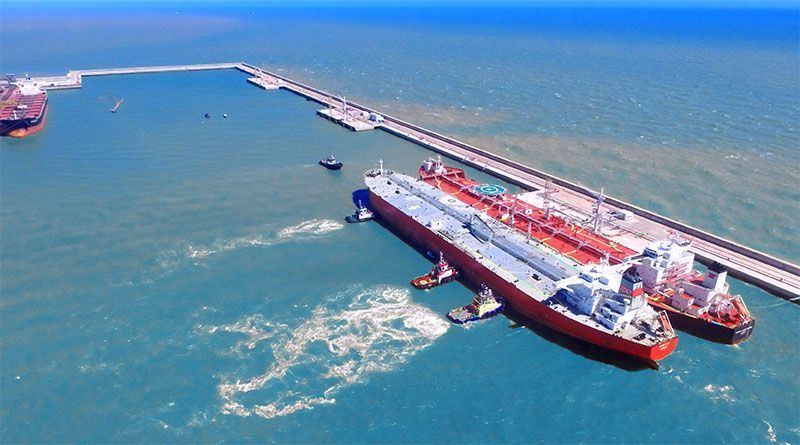
Port of Açu Operations and Fortescue Signed a Memorandum to Evaluate the Construction of a Hydrogen Plant in Rio de Janeiro
Controlled by Prumo Logística, Port of Açu Operations, together with Fortescue Future Industries, signed a memorandum of understanding to study the feasibility of constructing a 300-megawatt (MW) green hydrogen plant at the site. The document also includes other projects for solar and wind energy in the states of Rio de Janeiro and Espírito Santo.
Hydrogen Plant in Carbon Neutrality Plan
The Australian mining company Fortescue, which owns Fortescue Future Industries, plans to construct a green hydrogen plant in Brazil to achieve its carbon neutrality goal.
The company, which is the fourth largest producer of iron ore in the world, announced its plan to achieve carbon neutrality by 2030 and expects to meet its original target within ten years. As part of this goal, the company aims to produce green hydrogen on a commercial scale by 2023.
-
Rio Grande do Sul accelerates energy transition: State invests in renewable technologies and consolidates decarbonization strategies and pathways to attract billions in new industrial investments.

-
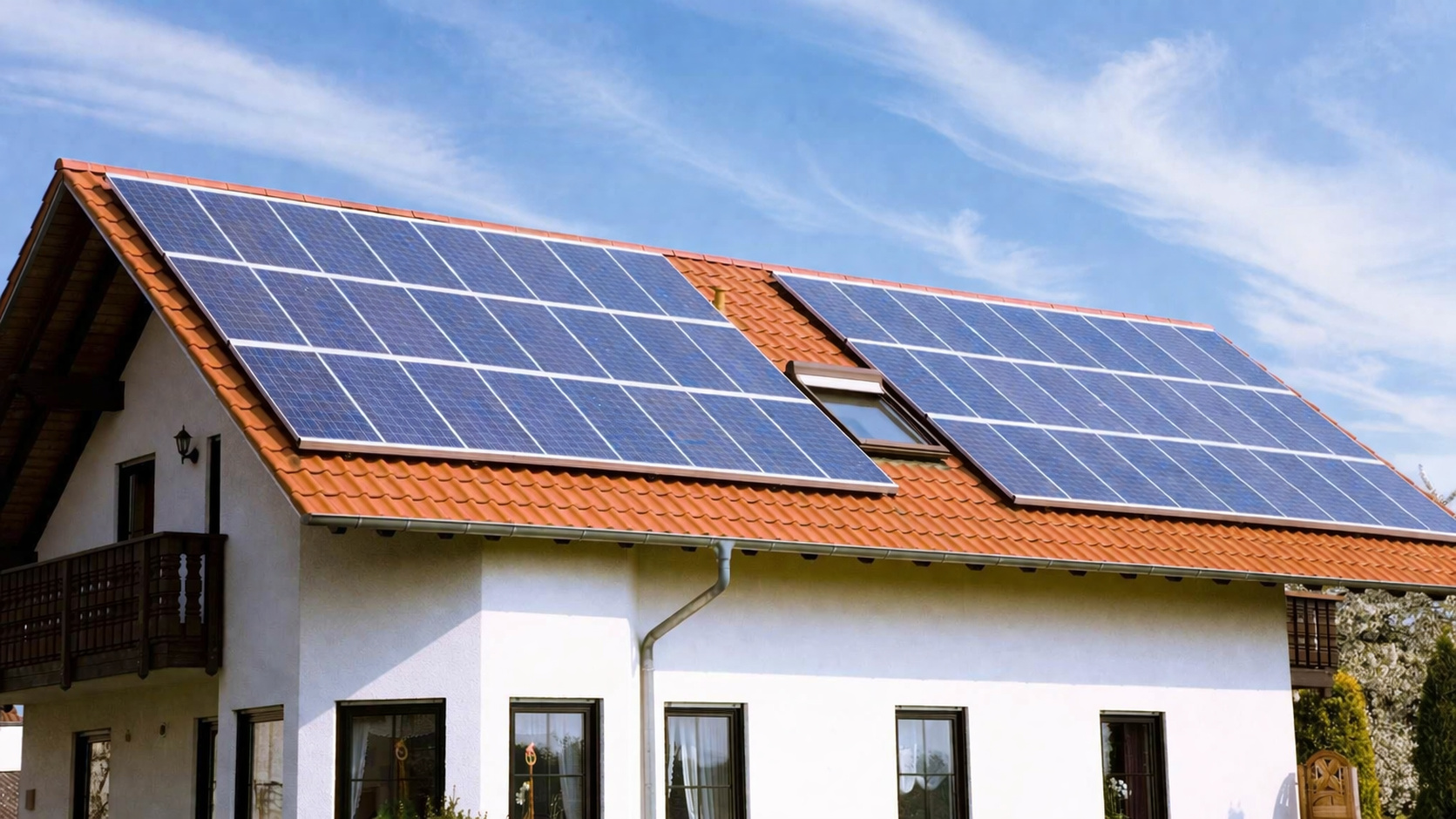
With 160,000 m² of collectors, an area larger than 20 football fields, Silkeborg, in Denmark, hosts a solar thermal plant that heats 19,500 homes and could become the largest solar heating plant in the world.

-
A study reveals the expansion of renewable energy procurement in Brazil and shows how companies are taking advantage of opportunities to reduce expenses, ensure energy efficiency, and strengthen strategic environmental commitments.

-
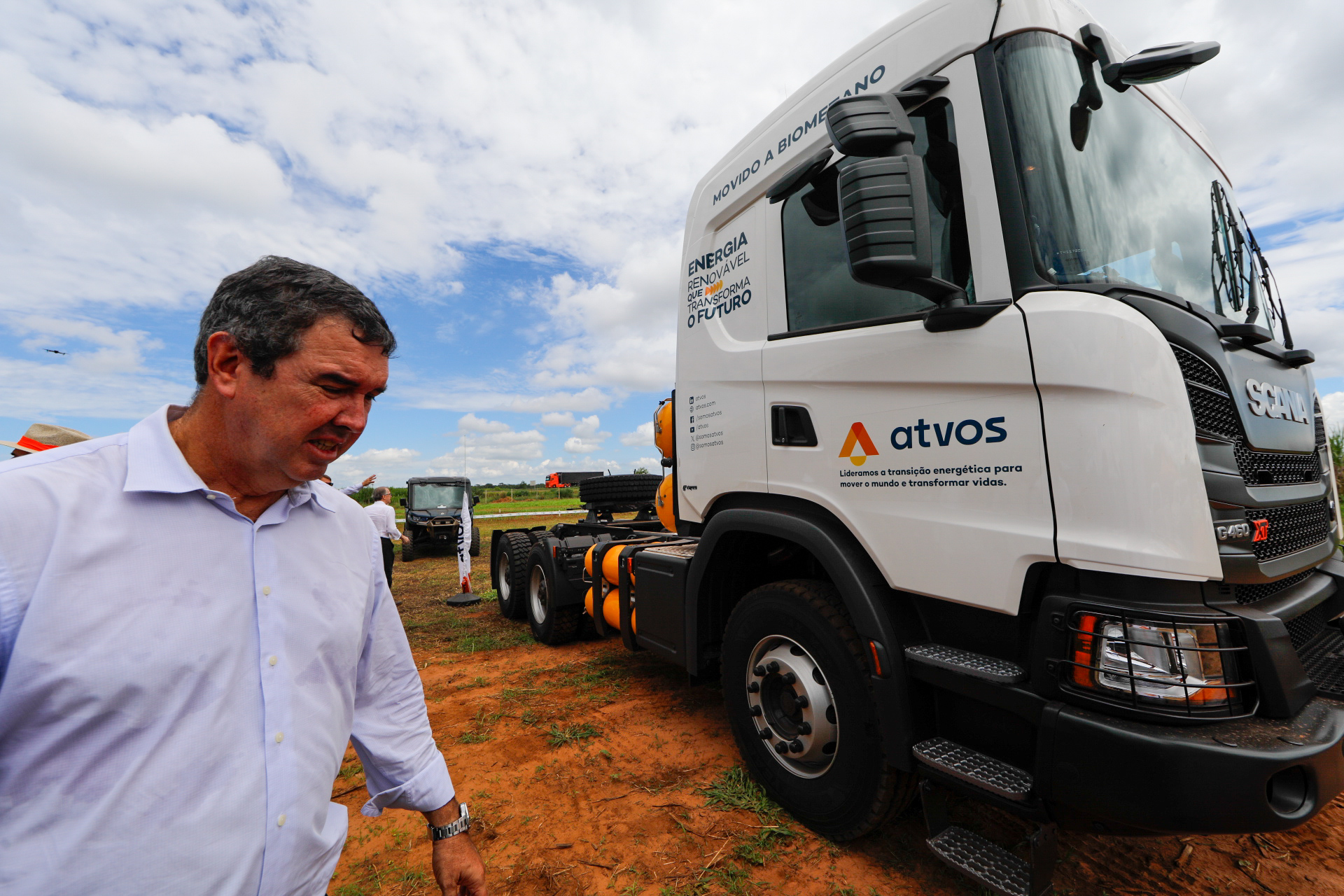
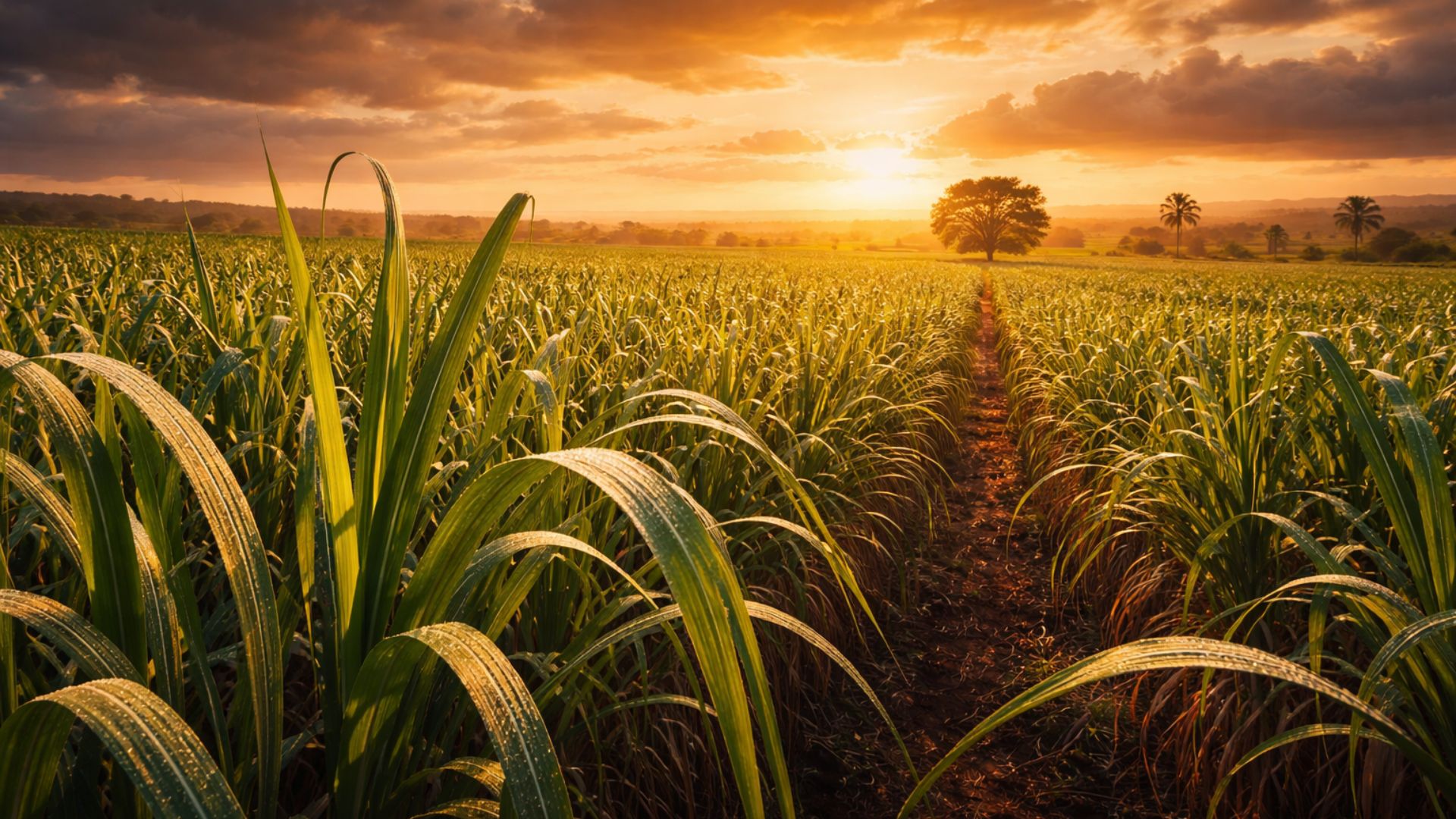
Mato Grosso do Sul excels in the sugar-energy sector: the state reaches a milestone of 22 operating mills and accelerates the production of clean energy in MS with a focus on sustainability.

Port of Açu and Renewable Sources
The availability of green hydrogen and renewable energy will further promote the sustainable industrialization of Port of Açu, including the production of green steel, fertilizers, chemicals, fuels, and other manufactured products.
According to the terms of the memorandum of understanding, hydrogen will be aimed at producing 250,000 tons of ammonia per year, widely used in the agricultural fertilizer sector. Açu’s CEO, José Firmo, stated in a joint interview that the plant itself will be powered by wind and solar projects.
In February, the Norwegian company Equinor signed a separate memorandum of understanding to assess the construction of a solar plant at Port of Açu. Should the project materialize, the port will receive significant investments for the construction of the projects.




Seja o primeiro a reagir!