Portuguese
  Spanish


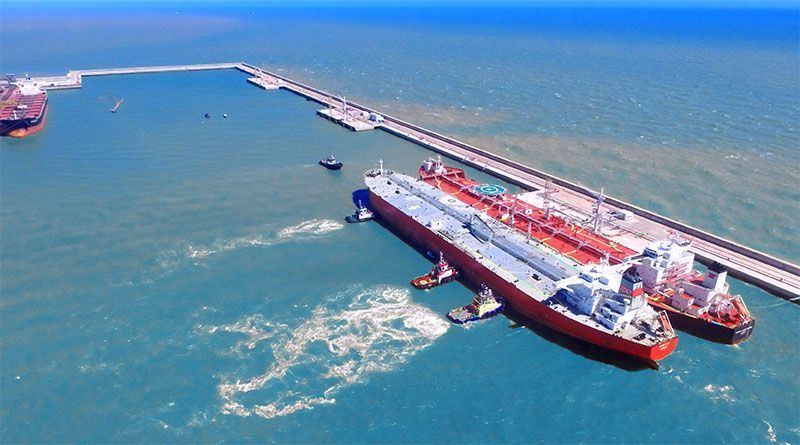

Port of Açu Operations and Fortescue Signed a Memorandum to Evaluate the Construction of a Hydrogen Plant in Rio de Janeiro
Controlled by Prumo Logística, Port of Açu Operations, together with Fortescue Future Industries, signed a memorandum of understanding to study the feasibility of constructing a 300-megawatt (MW) green hydrogen plant at the site. The document also includes other projects for solar and wind energy in the states of Rio de Janeiro and Espírito Santo.
Hydrogen Plant in Carbon Neutrality Plan
The Australian mining company Fortescue, which owns Fortescue Future Industries, plans to construct a green hydrogen plant in Brazil to achieve its carbon neutrality goal.
The company, which is the fourth largest producer of iron ore in the world, announced its plan to achieve carbon neutrality by 2030 and expects to meet its original target within ten years. As part of this goal, the company aims to produce green hydrogen on a commercial scale by 2023.
-
Fired during apartheid and with a little borrowed money, an electrician started with a borrowed truck and transformed electrical services into a group connected to energy, real estate, and infrastructure in South Africa.

-
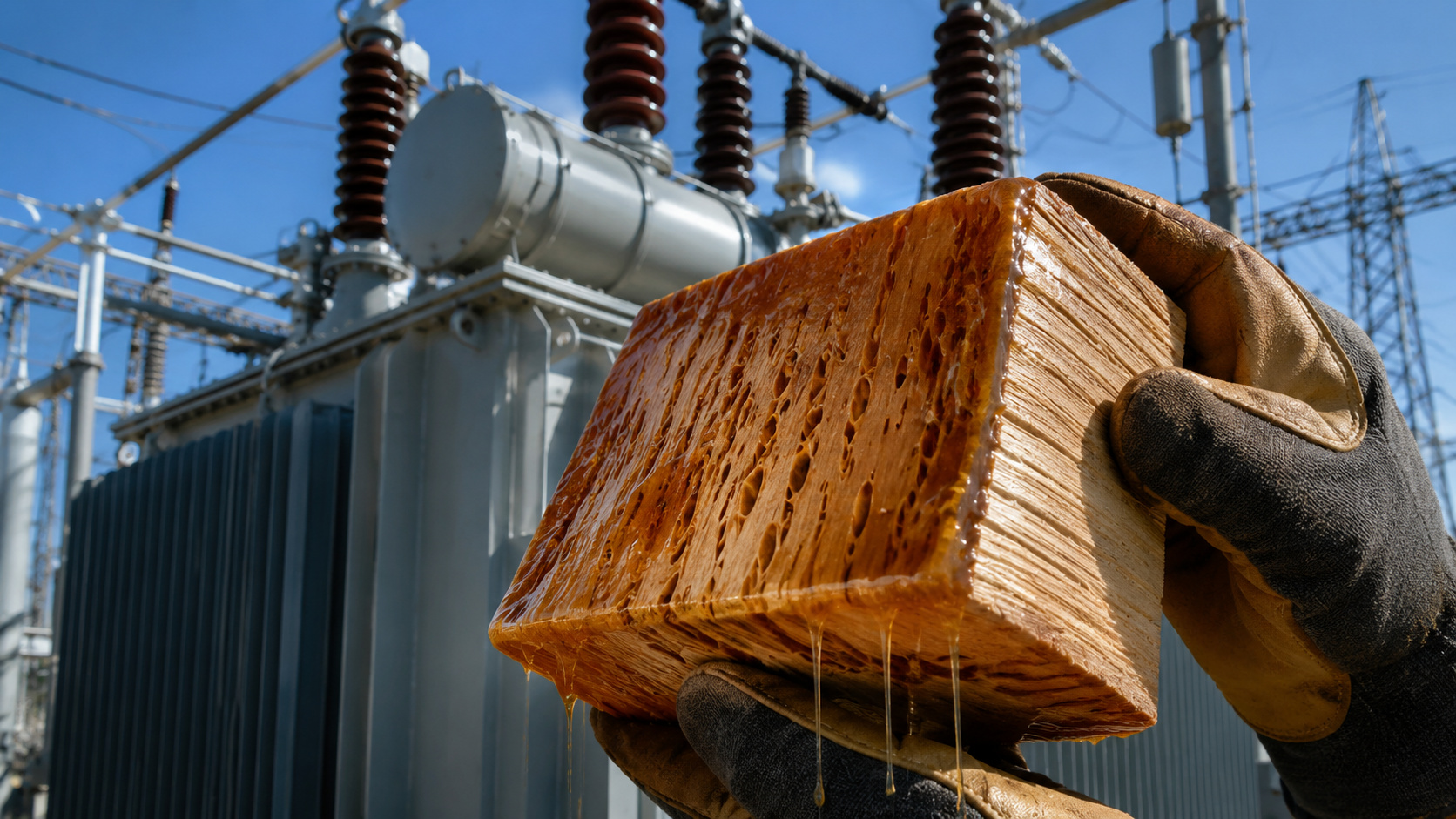
Wood has ceased to be just a construction material in Yale research and has become insulation for electrical transformers that face intense heat, aging, and increasing pressure from the renewable energy-powered grid.
-
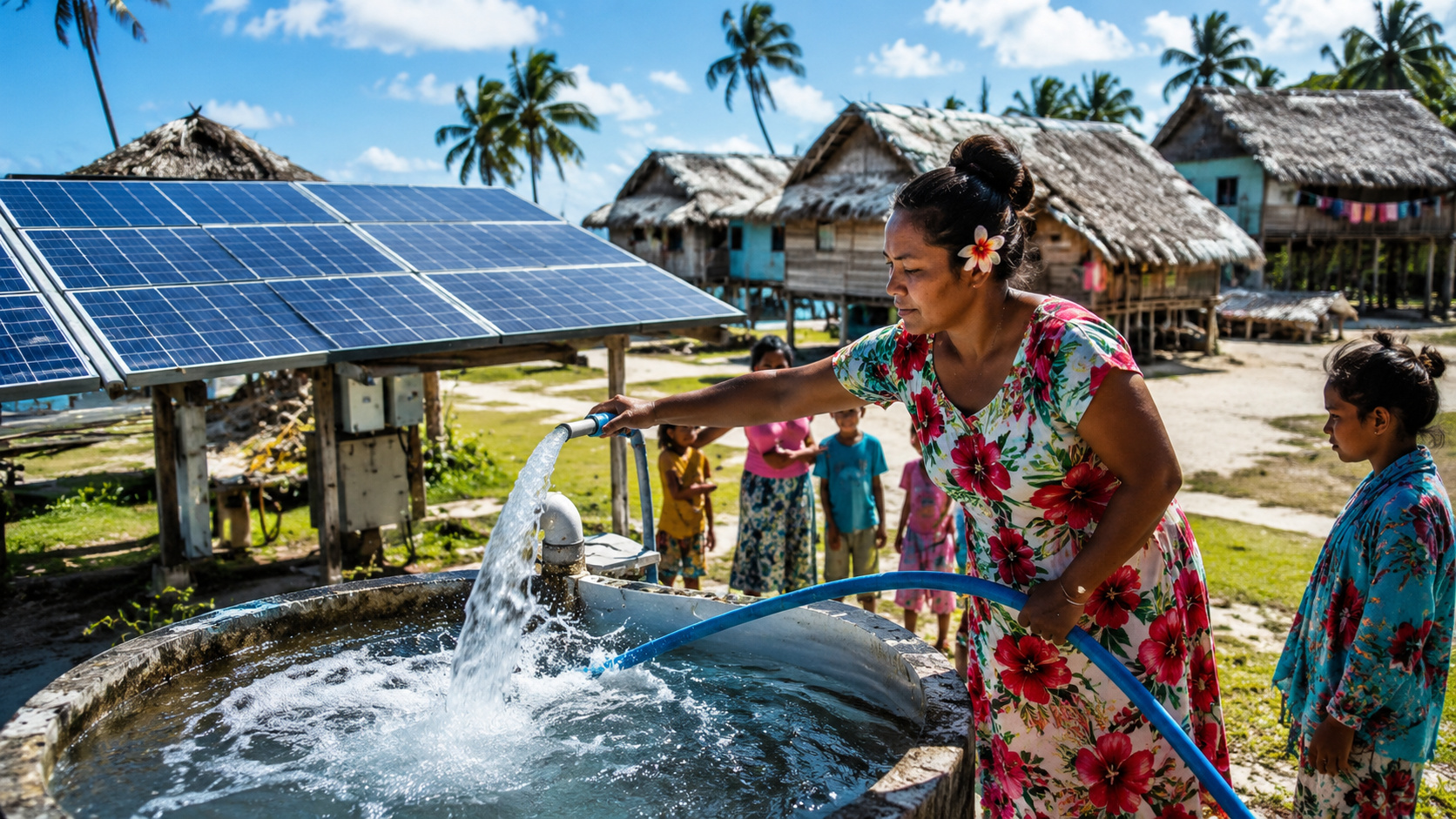
More than 1,000 residents of a remote island in Kiribati now have clean water and electricity with solar systems operated by the community itself.
-
They exchanged the idea of a large house for a 35 m² warehouse, spent US$ 12,000 on the structure, and created a tiny house in Colorado with space to live and work.

Port of Açu and Renewable Sources
The availability of green hydrogen and renewable energy will further promote the sustainable industrialization of Port of Açu, including the production of green steel, fertilizers, chemicals, fuels, and other manufactured products.
According to the terms of the memorandum of understanding, hydrogen will be aimed at producing 250,000 tons of ammonia per year, widely used in the agricultural fertilizer sector. Açu’s CEO, José Firmo, stated in a joint interview that the plant itself will be powered by wind and solar projects.
In February, the Norwegian company Equinor signed a separate memorandum of understanding to assess the construction of a solar plant at Port of Açu. Should the project materialize, the port will receive significant investments for the construction of the projects.