





 Português
  Inglês
  Espanhol
  3 min de leitura


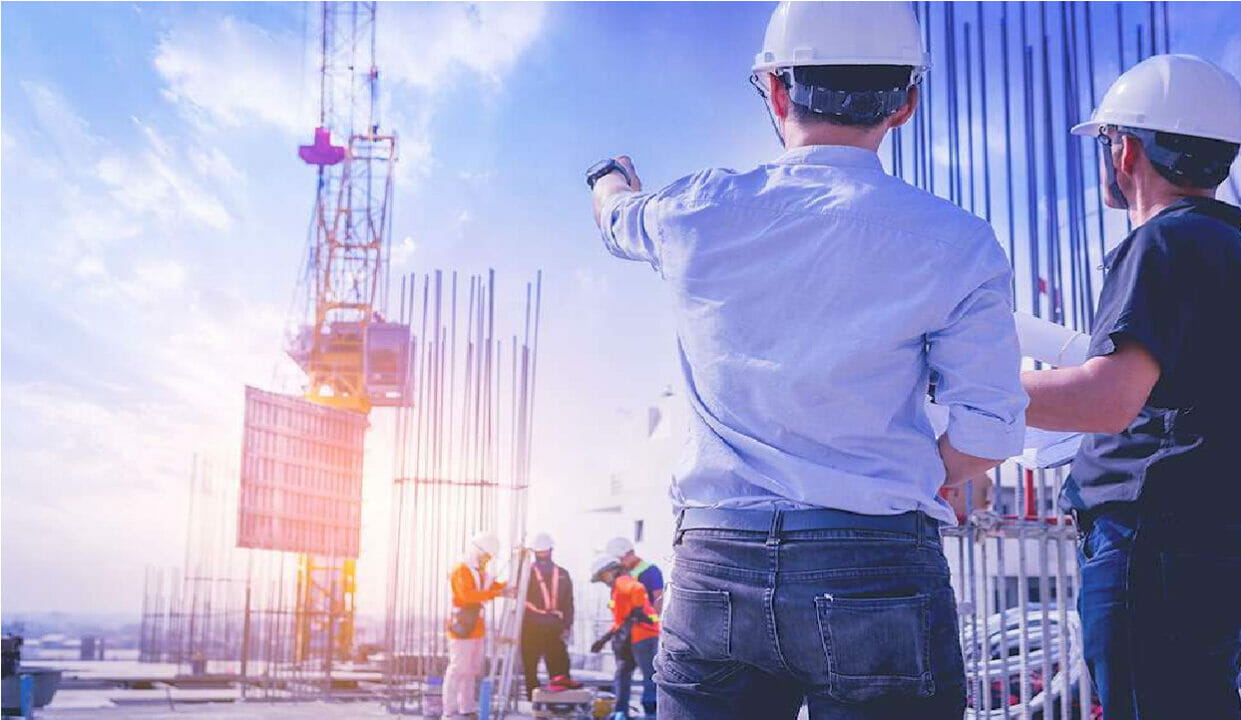
Company Innovates With Steel Frame Technology In Home Construction Using Less Water And Sells Assembly Kits
A Brazilian company is revolutionizing the construction industry with an innovative approach known as “steel frame.” This technique represents a dry construction method, made up of prefabricated blocks, which eliminates debris generation and minimizes water waste. The company, based in São José do Rio Preto, São Paulo, produces all the essential parts of the houses, including walls, plumbing, electrical installations, and insulation systems in its factory, according to the G1 website.
All this material is then promptly transported to the construction site, where assembly and final finishes are carried out. This approach not only provides an efficient construction solution but also promises to be faster than traditional methods.
A New Paradigm In Home Construction Using Less Water
The steel frame technology method represents a significant shift in how homes are built. Instead of relying on conventional construction processes that often generate waste and consume significant amounts of water, this innovative approach prefabricates most essential components of the home, thus minimizing environmental impact.
-
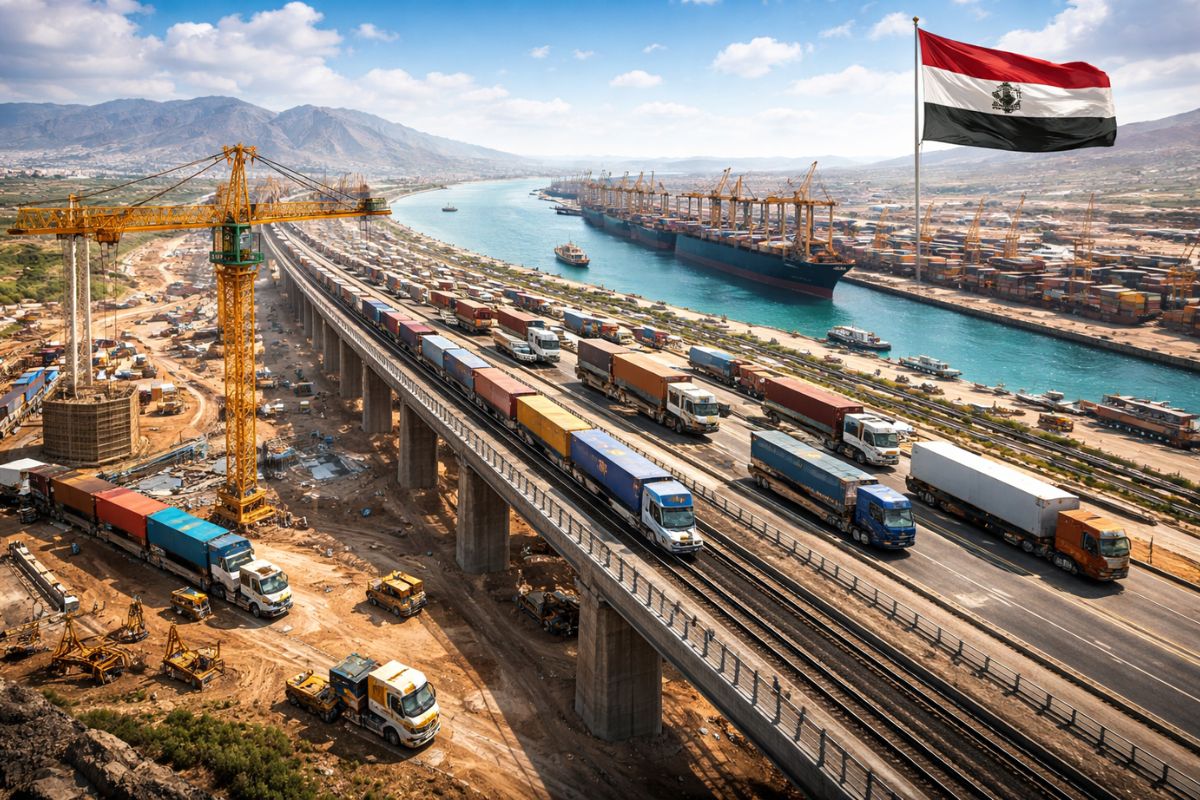
A megaproject worth R$ 89 billion is advancing in Iraq and promises to change the game in global trade by creating a new corridor between Asia and Europe, reducing traditional routes and repositioning the country as a logistics powerhouse.
-
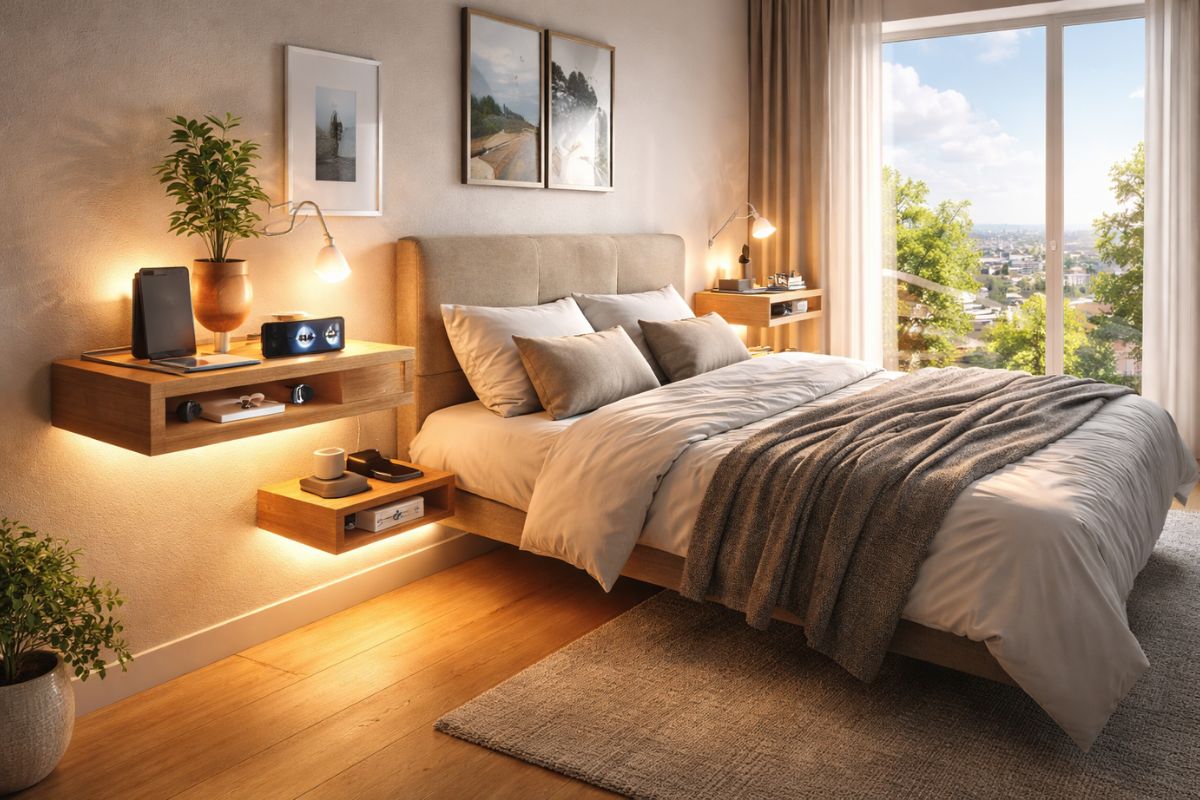
Goodbye bedside table: floating shelves become a trend in 2026 by freeing up space in the bedroom, improving circulation, bringing visual lightness, and integrating technology without taking up floor space.
-
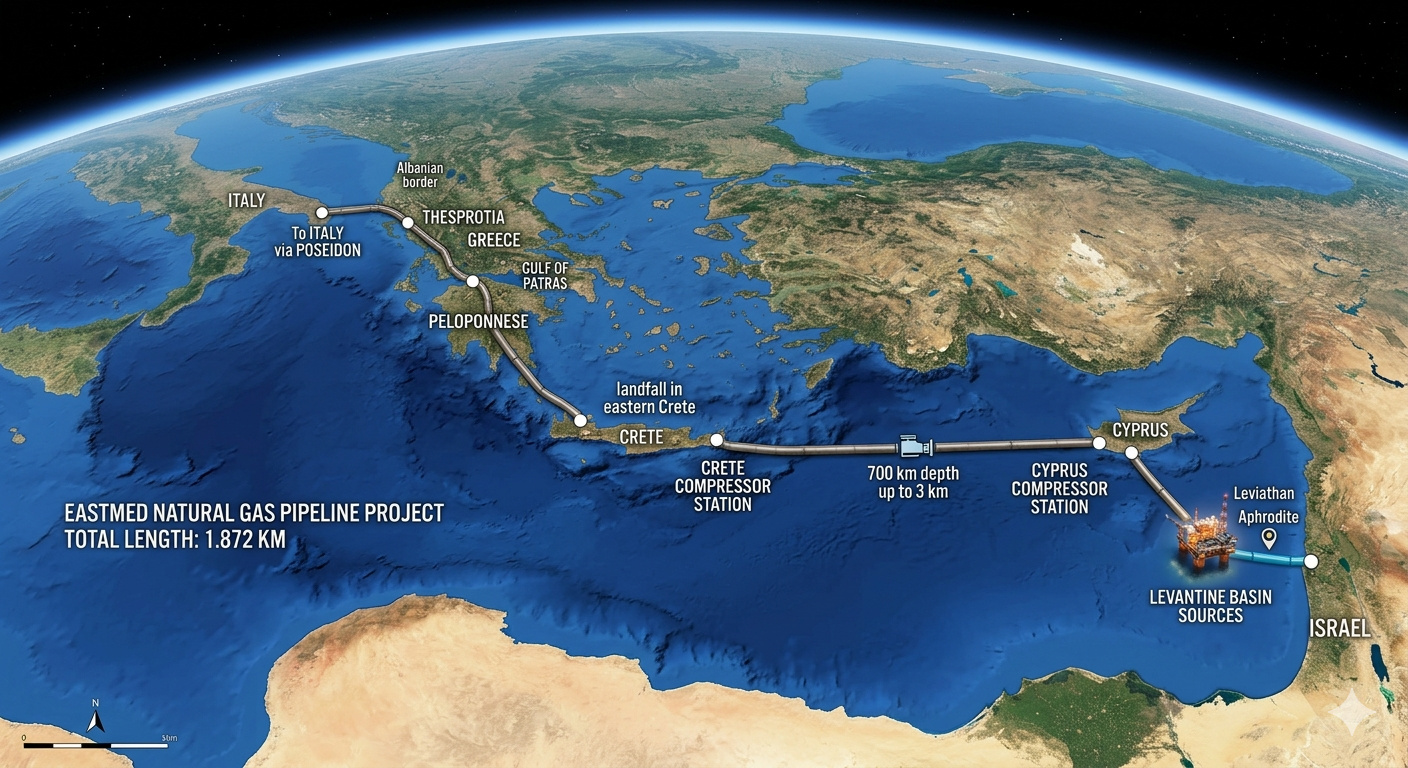
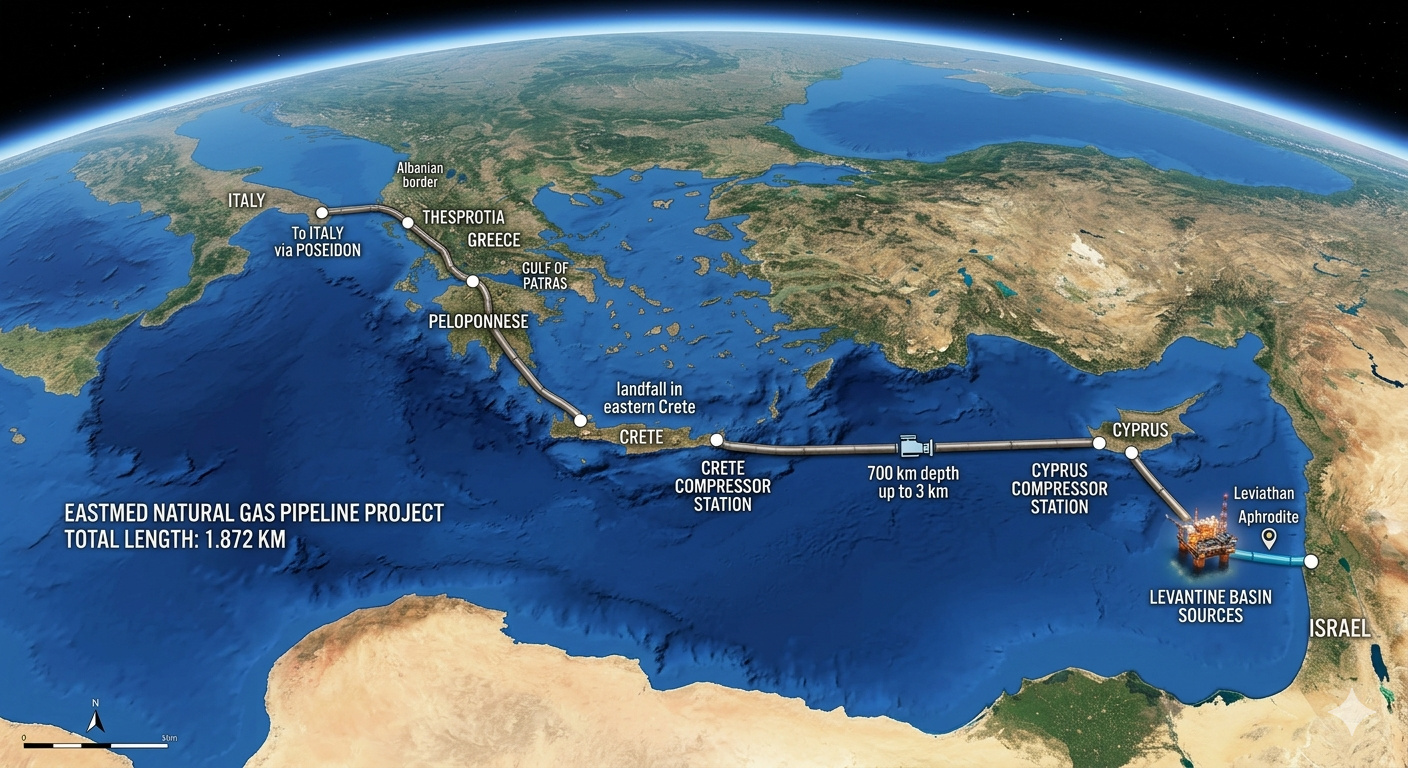
Israel, Greece, and Cyprus signed an agreement in 2020 to transport gas from the Mediterranean to Europe via a 1,872 km pipeline, but Turkey claimed sovereignty over part of the maritime route, and the project never materialized.
-
Israel, Greece, and Cyprus signed an agreement in 2020 to transport gas from the Mediterranean to Europe via a 1,872 km pipeline, but Turkey claimed sovereignty over part of the maritime route, and the project never materialized.
At the company’s factory, located in São José do Rio Preto, walls, plumbing systems, electrical systems, and insulation materials are produced with precision. This ensures high quality and reduces the possibility of errors on the construction site. Furthermore, since all elements are produced in advance, material waste is drastically reduced.
Efficiency, Technology, And Sustainability In Construction
One of the main benefits of this construction technology is the efficiency and water savings. The time required to complete a house depends on its size, but the manufacturer guarantees that the process is faster than traditional construction methods. This means homeowners can move into their new homes more quickly, saving time and money.
In addition, the steel frame approach is also environmentally sustainable. The drastic reduction in material waste and the minimization of water usage are positive factors for the environment. At a time when concern about sustainability and environmental impact is rising, this technique represents an attractive alternative.
Expansion With Franchises And Financial Success
The success of this innovative water-saving construction technology is already evident. The company recorded an impressive revenue of R$ 3 million in 2022. Now, they are further expanding their business through a franchise model.
The concept is simple: the company provides franchisees with a complete assembly kit, along with all the necessary technology. The franchisee is then responsible for conducting the construction process of the house on-site. This expansion through franchises allows the company to achieve a wider presence and bring its innovative technology to different regions of the country.
In summary, the steel frame technology is changing the way homes are built, making the process more efficient and sustainable. With its expansion through the franchise model and its impressive financial success, this innovative approach may become increasingly common in the Brazilian construction landscape.









Seja o primeiro a reagir!