Portuguese
  Spanish



Ambitious Project Aiming To Transform The Energy Scenario Of Brazil, Of R$ 250 Million, Sent To Congress
The government of President Luiz Inácio Lula da Silva (PT) surprised the country by sending to Congress last Thursday (14) the ambitious Future Fuel Bill, an innovative package of measures designed to reduce dependence on fossil fuels and combat greenhouse gas emissions. This project, which anticipates a significant investment of R$ 250 million, aims to transform Brazil’s energy scenario.
One of the most notable proposals of this project, according to the Uol.com website, is the creation of a regulatory framework for synthetic fuels in Brazil, which are already being produced on a small scale, including by the giant Petrobras. Known as “e-fuel,” these fuels include both gasoline and diesel produced without any dependency on oil.
In addition to Petrobras, renowned companies like Porsche are also investing in the production of this revolutionary gasoline, which is set to fuel even the high-performance cars of Formula 1.
-
Qantas and Airbus Invest in Company Aiming to Convert Unsorted Household Trash into Jet Fuel

-
Brazil’s ANP Opens 86 New Oil Blocks in the Equatorial Margin, Expanding the Amazon River Mouth Frontier

-
OPEC+ Boosts Oil Supply by 188,000 Barrels per Day in July 2026, Leading to Price Drop from $112 to $89 per Barrel in Under Two Months

-
TotalEnergies Signs 20-Year Deal to Purchase 2 Million Tons of LNG from Alaska, Boosting Project Viability
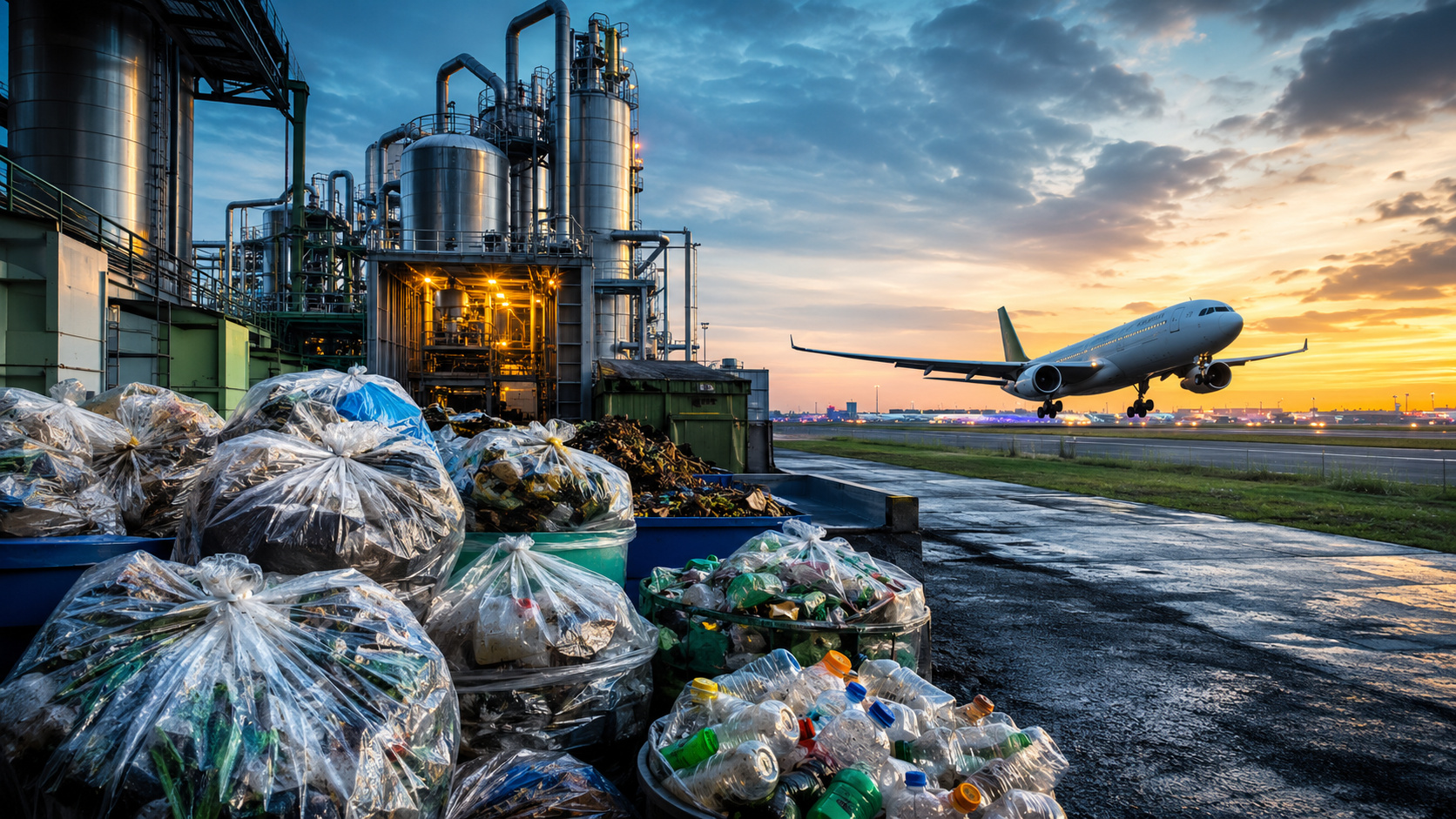


But Why Is Gasoline Without Oil So Promising?
- Sustainability in Production: The raw materials used include hydrogen and carbon dioxide, helping to combat the greenhouse effect.
- Goodbye To Oil Dependence: This innovation ends the reliance on a finite resource, oil, which is set to become increasingly scarce and expensive.
- Utilization of Existing Infrastructure: Being liquid, e-fuels can be distributed using the existing fuel supply infrastructure.
- Universal Compatibility: It can be used as a substitute for diesel without the need for modifications to conventional engines.
- Carbon Neutralization: Similar to ethanol, the production of gasoline without oil neutralizes carbon emissions during its lifecycle, helping to remove carbon dioxide from the atmosphere.
- Clean Energy: To ensure carbon neutralization, production requires the use of “clean” and renewable energy sources, such as hydropower, wind, and solar.
Although gasoline without oil is already being successfully produced in Chile and is receiving attention from companies like Porsche, Audi, and Bosch in Germany, it still faces the challenge of being more expensive compared to traditional gasoline. The cost of extracting hydrogen, necessary for producing synthetic gasoline through the process of electrolysis, is one of the main obstacles to be overcome.
In addition to its application as a liquid fuel, hydrogen is also being considered as an alternative to the expensive and heavy batteries of electric vehicles. Through fuel cells, hydrogen is converted into electricity to power the wheels of vehicles, as evidenced by the Toyota Mirai and other innovative models that are already adopting this technology.
The Future Fuel Bill proposed by the Lula government could mark a significant turnaround in Brazil’s energy matrix, reducing its dependence on oil and contributing to a cleaner and more sustainable future. With the automotive and energy industries adapting to these changes, the country is on the right track for a revolution in mobility and environmental preservation.