





 Portuguese
  English
  Spanish
  3 min of reading
  0 comments



The ELT Represents Not Only a Milestone in Engineering and Science but Also a Testament to Humanity’s Desire to Explore the Unknown.
In the driest desert in the world, the Atacama Desert, one of the most ambitious engineering projects of our time is being constructed: the Extremely Large Telescope (ELT), the mega telescope that promises to revolutionize our understanding of the universe. This project, led by the European Southern Observatory (ESO), involves an international collaboration and an investment nearing 1.5 billion dollars.
Construction of the Mega Telescope


The ELT is being constructed on Cerro Armazones, a mountain 3,000 meters high located in northern Chile. This region was chosen due to its extreme climatic conditions, which include more than 320 clear nights per year and low artificial light interference, creating the perfect environment for astronomical observation.
Expected to be completed by 2028, the ELT project has already reached about 60% of its development. The construction of this mega telescope involves unique challenges, such as the transportation and assembly of a gigantic primary mirror composed of 798 hexagonal segments. This unprecedented structure will allow scientists to observe the cosmos with an clarity never before achieved.
-
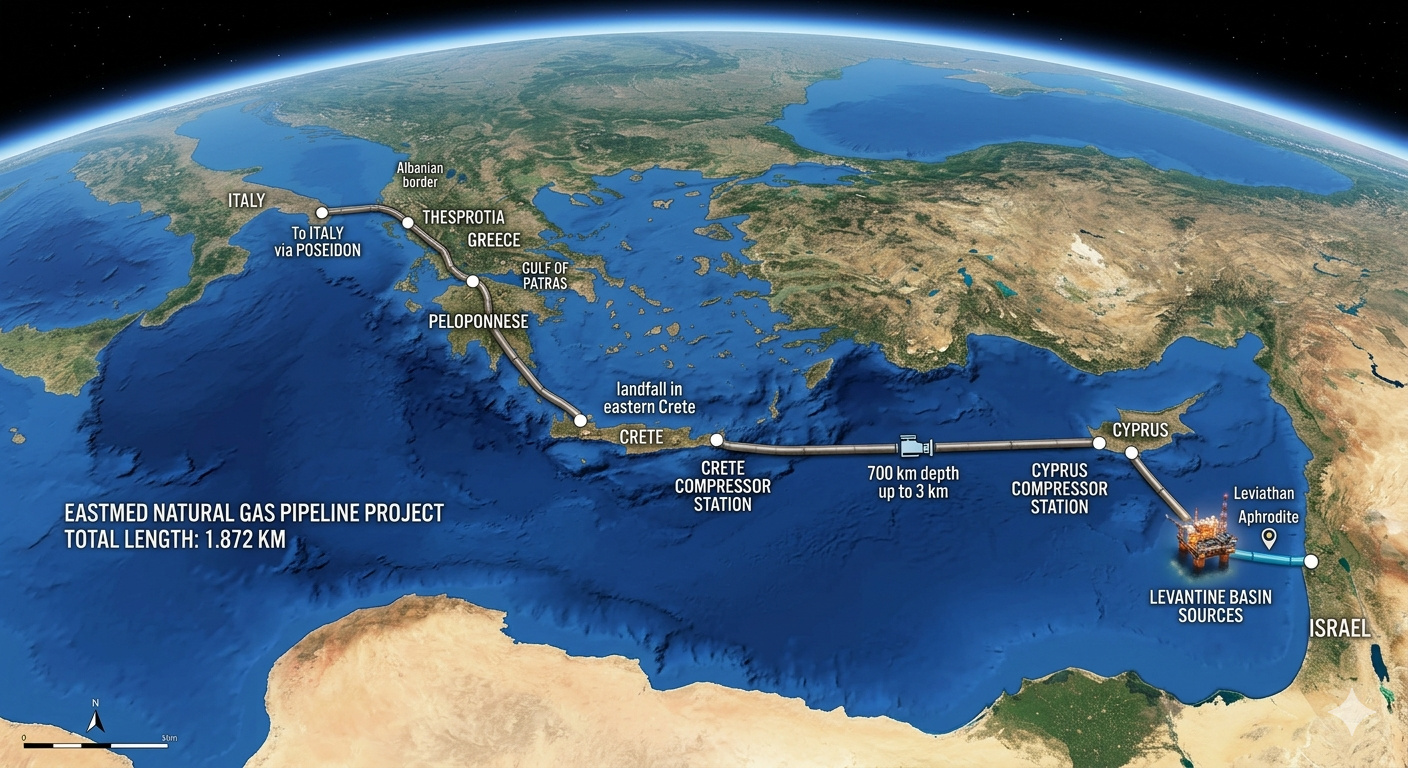
Israel, Greece, and Cyprus signed an agreement in 2020 to transport gas from the Mediterranean to Europe via a 1,872 km pipeline, but Turkey claimed sovereignty over part of the maritime route, and the project never materialized.
-
Historic bankruptcy of Centauro shocks the market, and the century-old company puts more than 500,000 products, machines, and complete infrastructure up for online auction.

-
Abandoned house for 15 years disappears in the woods, shocks owner with unrecognizable scenery and is reborn in an intense transformation after almost 90 hours of work in just 10 days.

-
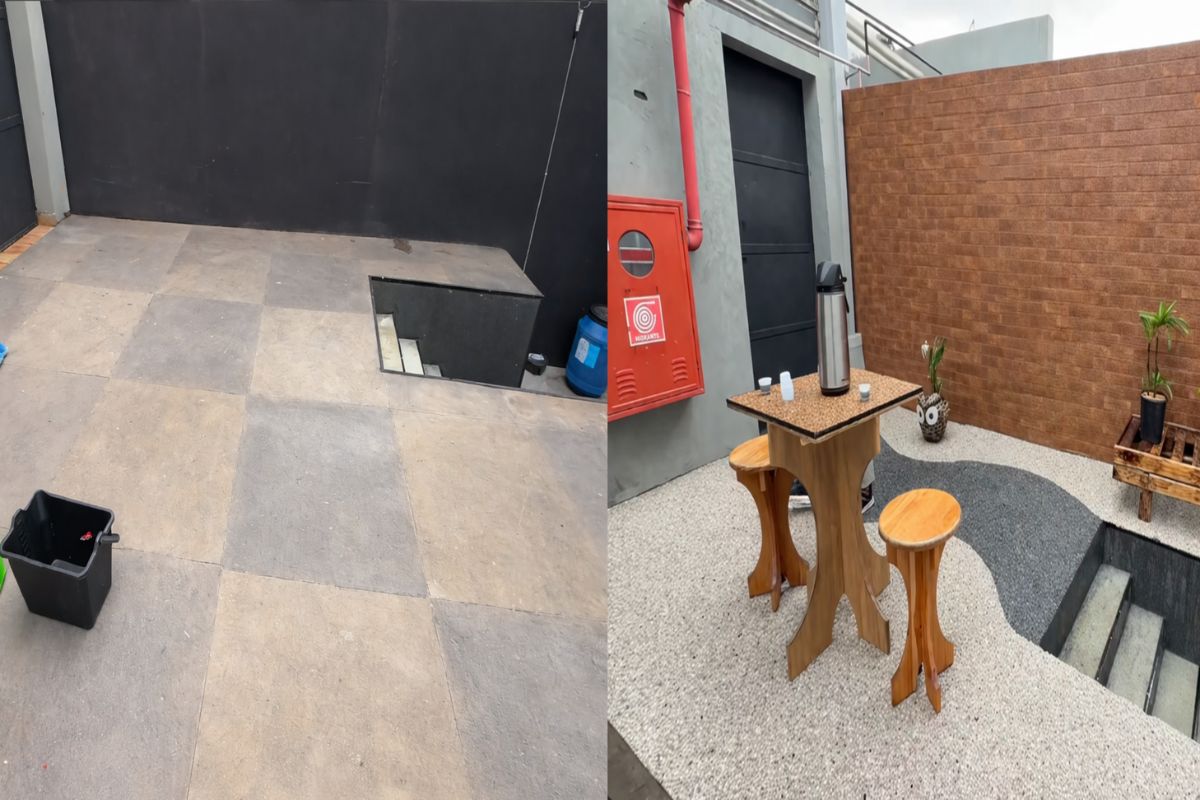
In just three hours, a natural stone floor transforms the entrance of the house with an organic effect, immediate drainage, and a sophisticated non-slip finish that doesn’t puddle water, dries quickly, and impresses with the final result.

The Scientific Potential of the ELT
The main goal of the ELT is to expand our astronomical horizons, enabling the observation of distant galaxies, stars in formation, and potentially signs of life on exoplanets. This telescope will have the capacity to collect a light quantity one hundred million times greater than the human eye, representing a significant advancement compared to current instruments.
This ambitious project has the support of 16 European countries, in addition to Chile and Australia. Most funding comes from Germany, the United Kingdom, France, and Italy, reflecting the global commitment to the advancement of science and astronomical technology.
Other Ongoing Projects
The ELT is not the only project of its kind under development. The Giant Magellan Telescope (GMT) and the Thirty Meter Telescope (TMT) are also under construction, with projected completion dates in the coming years. Although these projects are smaller than the ELT, they share the same ambition of unveiling the mysteries of the universe.
As the construction of the ELT and other next-generation telescopes approaches completion, expectations grow around the discoveries that will be possible. We are on the verge of a new era in astronomy, where fundamental questions about the origin of the universe and the existence of life beyond Earth may finally find answers.
As we look to the stars, we seek to understand not only the universe but also our place in it. With the completion of the ELT, the mega telescope, and its commissioning, we are one step closer to unraveling the deepest secrets of the cosmos.









Seja o primeiro a reagir!