





 Portuguese
  English
  Spanish
  5 min of reading
  0 comments


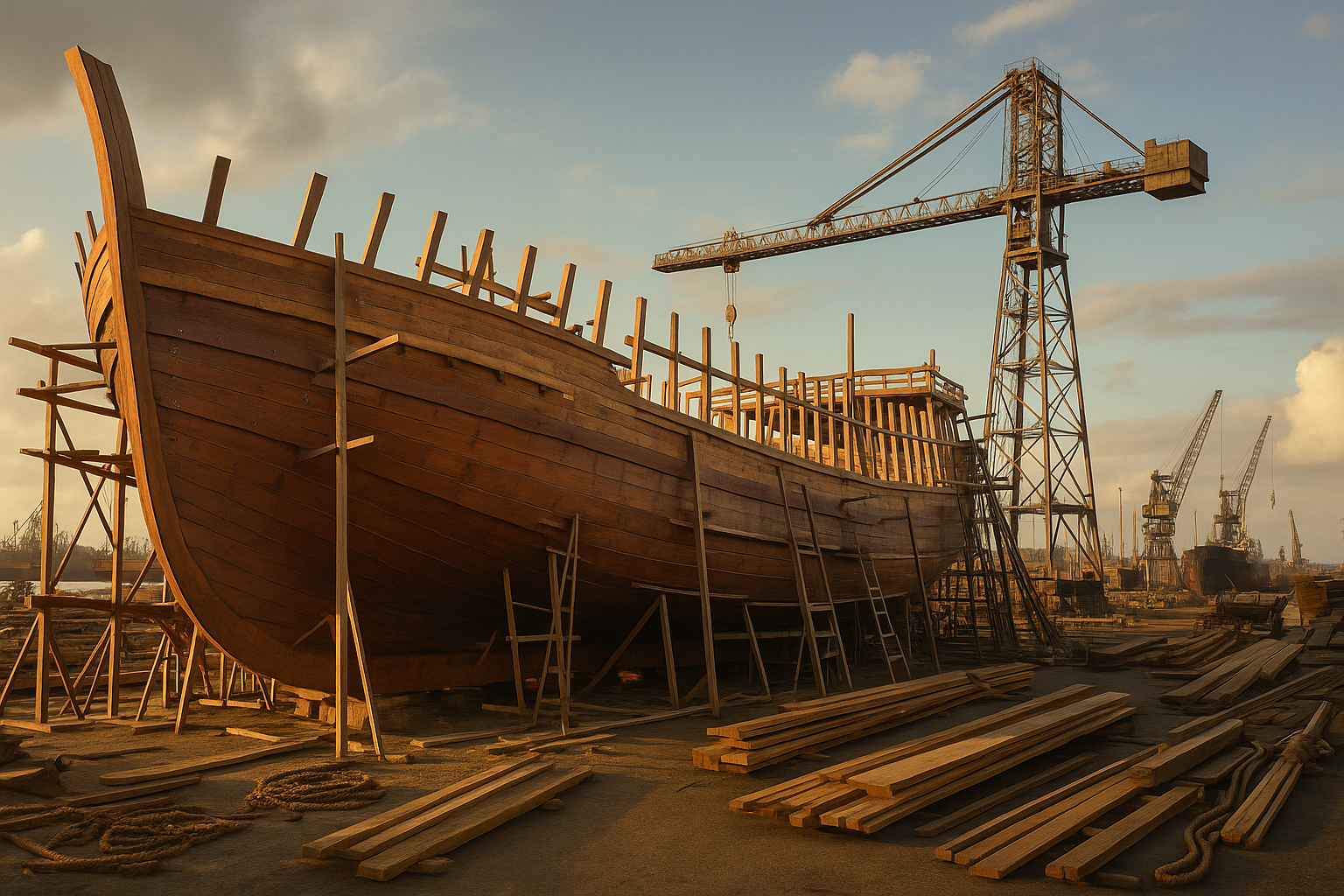
Discover Everything About Shipbuilding, Its History, Evolution, and Importance. A Complete Guide to Understanding How Ships Were Made and Continue to Be Developed Today.
Shipbuilding is one of the oldest and most fascinating activities in human history.
Since ancient times, humans have shown interest in crossing rivers, lakes, and seas, driven by needs such as trade, war, fishing, and exploration of new lands.
According to the National Maritime Museum of the United Kingdom, the first vessels date back at least 7,000 years ago.
-
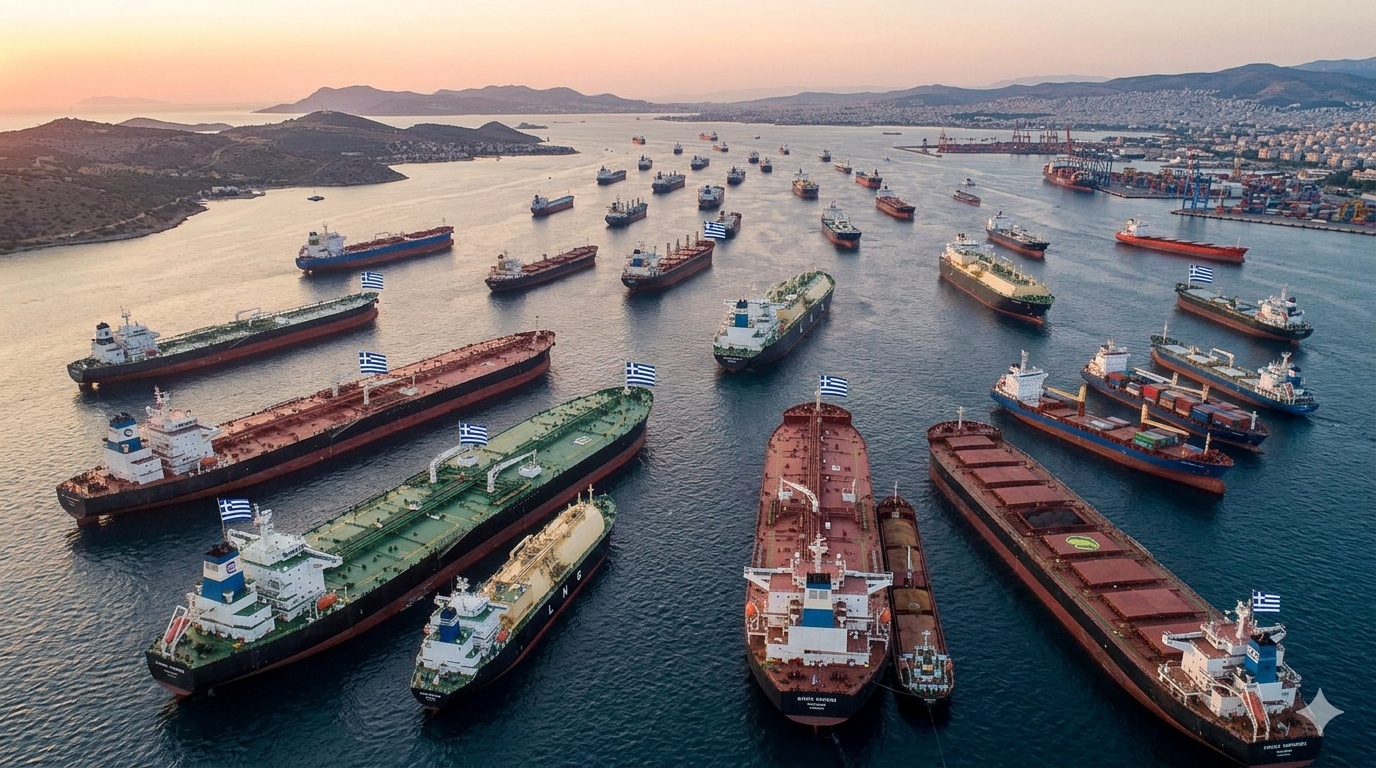
Neither the USA nor China: a small European nation has become one of the largest maritime powers on the planet, controlling one of the largest merchant fleets in the world with thousands of ships and dominating the global transportation of oil and strategic cargo.
-
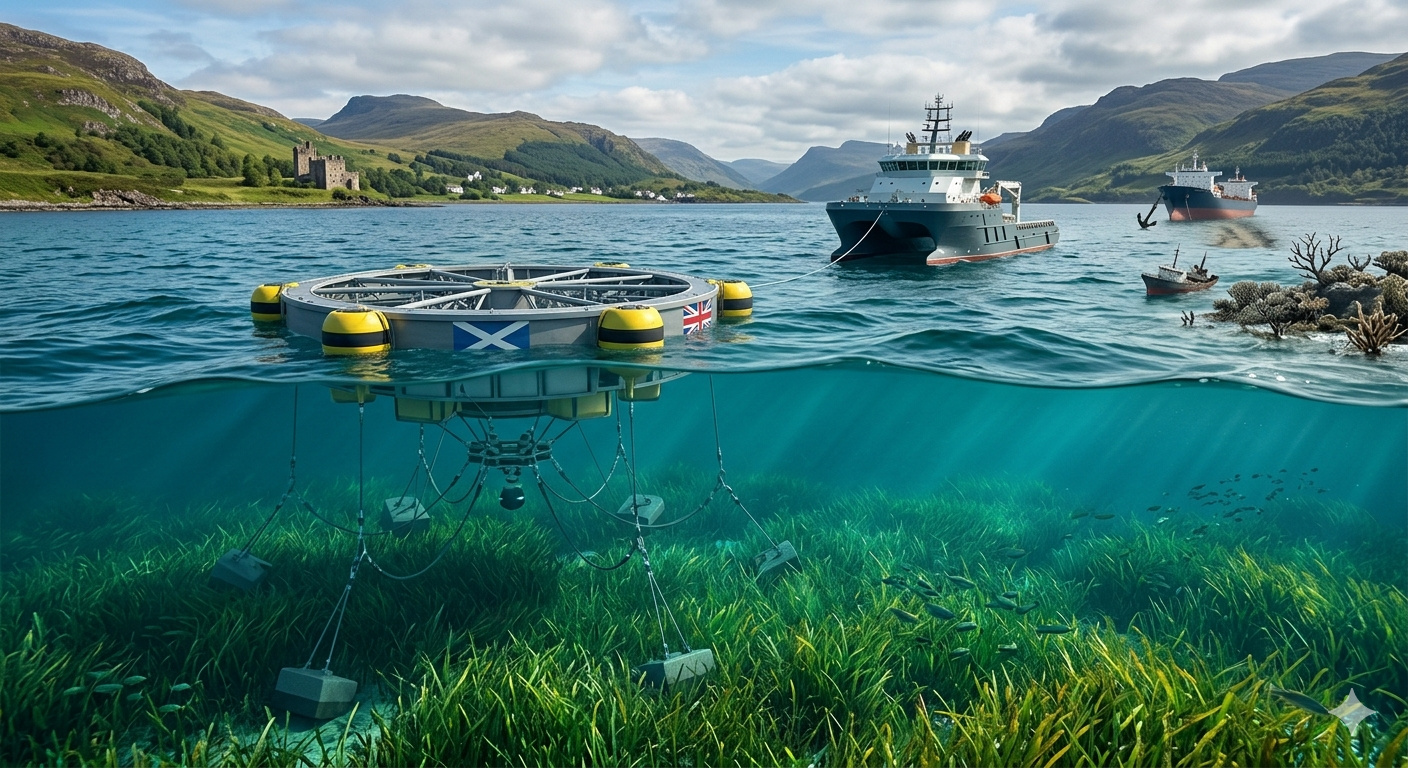
Scotland and the United Kingdom have created a new anchoring system that floats in the water without touching the seabed, after discovering that the current from a conventional anchor destroys up to 50 m² of seagrass meadow per event and that ship-damaged reefs showed no signs of recovery even ten years later.
-
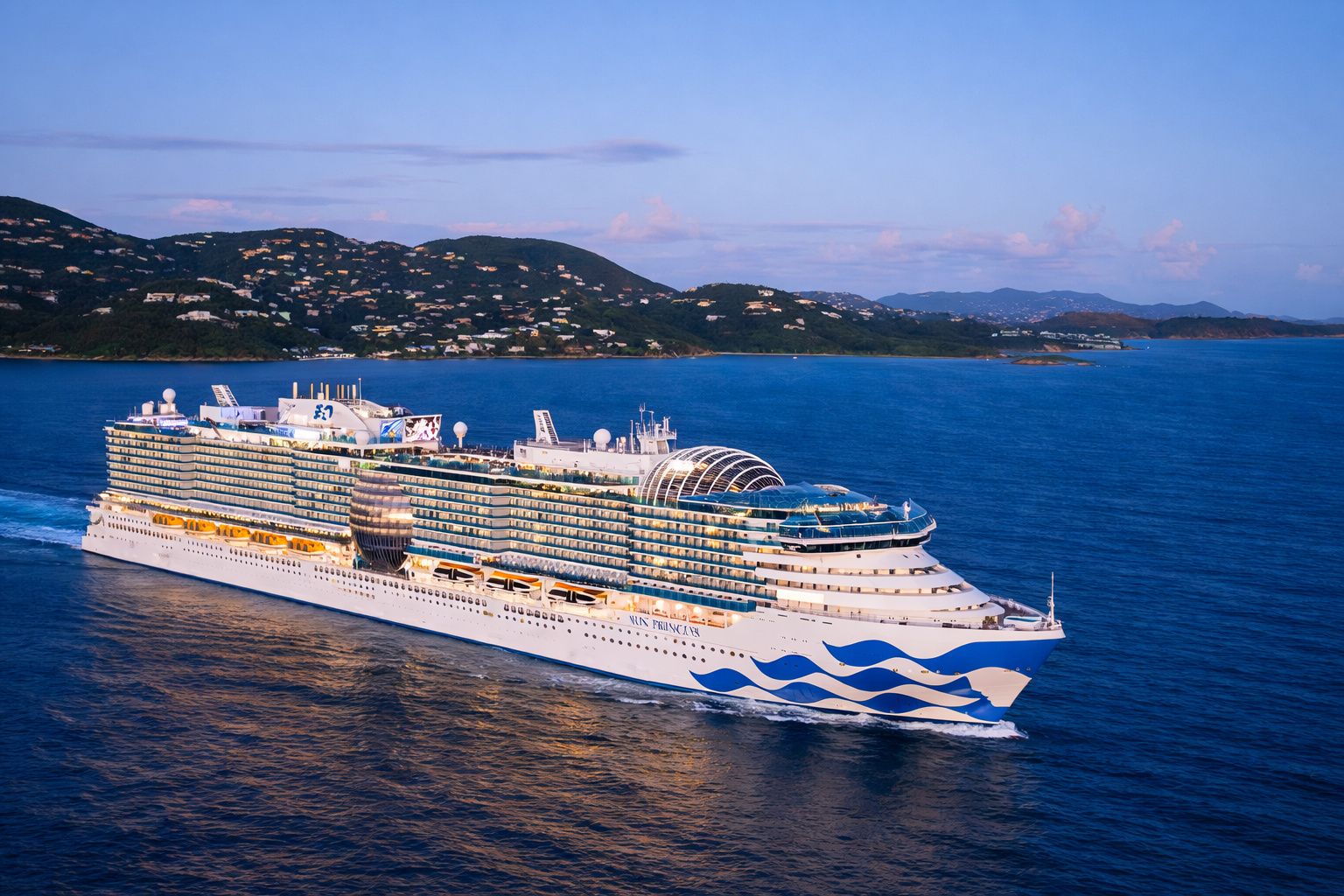
Weighing 175,500 Tons, Measuring 345 Meters Long, and With Capacity for Over 4,300 Passengers, the Sun Princess Becomes the Largest Ship Ever Built by Princess Cruises and Attracts Global Attention for Its Huge Glass Dome Inspired by Santorini’s Architecture Installed on Top of the Vessel
-
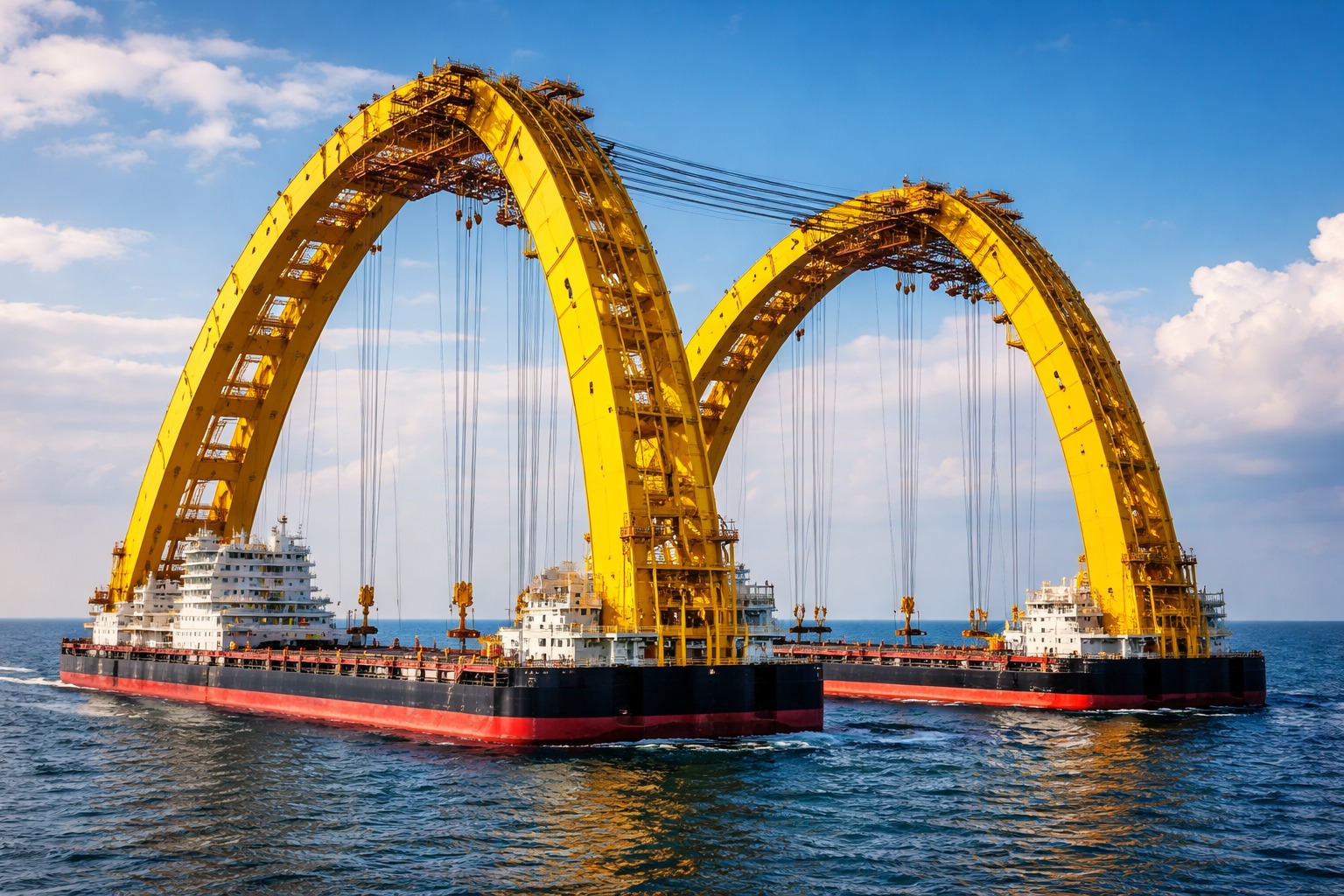
TX-10, The Colossus of The Sea: Largest Lifter Ship in The U.S., With Two Giant Barges, 73-Meter Tall Structure, and Strength to Raise 7,500 Tons of Sunken Oil Rigs

Prehistoric peoples started with simple canoes to navigate calm waters, marking the initial milestone for navigation.
As centuries passed, the technique of building vessels evolved from rudimentary canoes to highly technological ships, capable of crossing oceans and carrying thousands of tons of cargo.
According to the Institute of Marine Archaeology at the University of Oxford, the development of vessels was directly linked to the commercial and territorial expansion of ancient civilizations.
Understanding shipbuilding is essential not only for those in the engineering field or working at shipyards but also for those passionate about history and the sea.
This activity has shaped societies and enabled today’s connected world.
This guide clearly presents the main aspects of shipbuilding, from its origins to the present day.
In addition, shipbuilding impacts the environment and society, which is why the sector is increasingly aligned with sustainable innovation.
The shipbuilding industry involves not just technology but also culture, economy, and the relationship between humans and the environment, according to the European Environment Agency.
The Origins of Shipbuilding
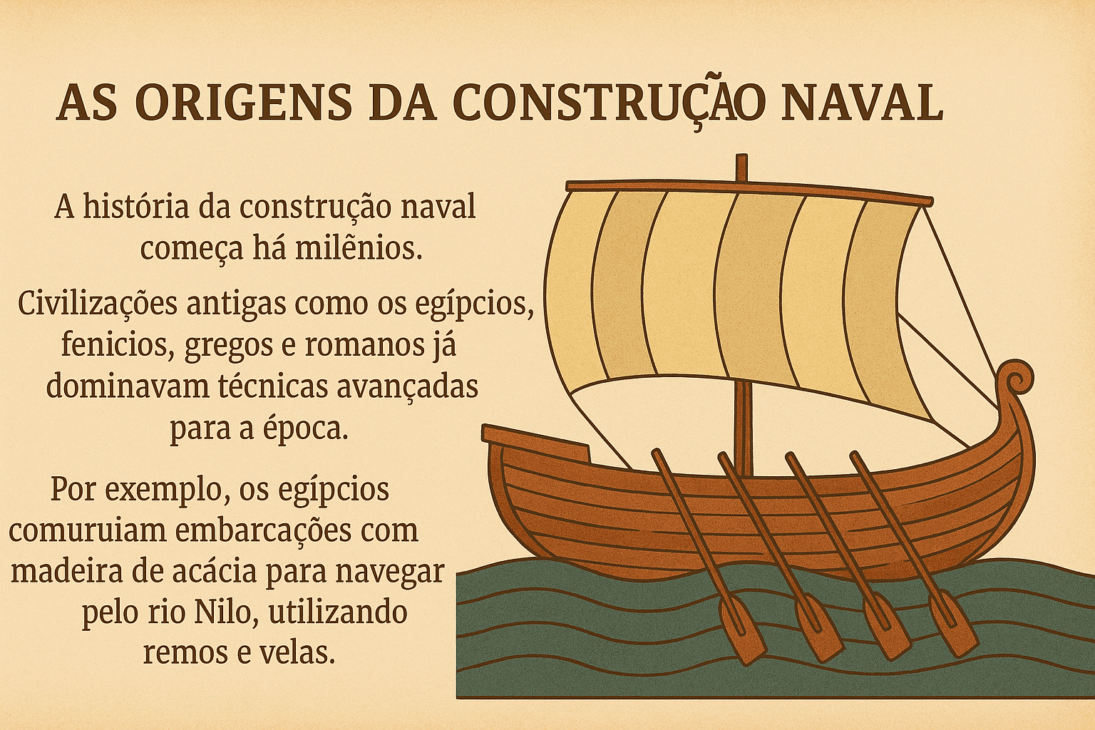
The history of shipbuilding begins millennia ago. Ancient civilizations such as the Egyptians, Phoenicians, Greeks, and Romans already mastered advanced techniques for their time.
For example, the Egyptians built vessels from acacia wood to navigate the Nile River, using oars and sails.
The Institute of Marine Archaeology at the University of Oxford indicates that these vessels date back to around 3,000 BC.
The Phoenicians, great navigators of the Mediterranean, built sturdy and agile ships. According to the Encyclopedia Britannica, between 1,200 and 800 BC, the Phoenicians used these vessels to establish colonies and expand trade.
In Ancient Greece, triremes — warships with three rows of oars — played a crucial role. According to the Athens Naval Museum, these vessels were used from the 5th century BC.
Later, the Romans developed more complex military and commercial ships, helping to consolidate control over the Mediterranean Sea.
These civilizations laid the foundations for modern naval engineering, which grew through the exchange of knowledge among craftsmen and navigators.
Ancient shipbuilding already required constant innovation to withstand storms and fulfill commercial and military functions.
This knowledge was passed down from generation to generation, allowing advances that sustain the naval industry to this day.
The Evolution During the Middle Ages and the Age of Discovery
In the Middle Ages, the Vikings were significant contributors to the evolution of shipbuilding techniques.
According to the Viking Research Center at Aarhus University, the longships, lightweight and fast vessels, were built between the 8th and 11th centuries, allowing invasions and explorations across the Atlantic and Europe’s rivers.
Later, between the 15th and 17th centuries, the Age of Discovery further expanded naval knowledge.
Portuguese and Spanish explorers sought new ocean trade routes. Caravels and galleons were developed for long voyages, with triangular sails that facilitated maneuverability.
According to the Encyclopedia Britannica, these ships emerged to meet the demand for sturdy and efficient vessels for great navigations.
This period marked the beginning of maritime globalization, requiring structural and technological advances.
Additionally, shipbuilding was closely tied to European economic and political interests, consolidating trade routes that connected continents.
The Industrial Revolution and the Modernization of Shipyards
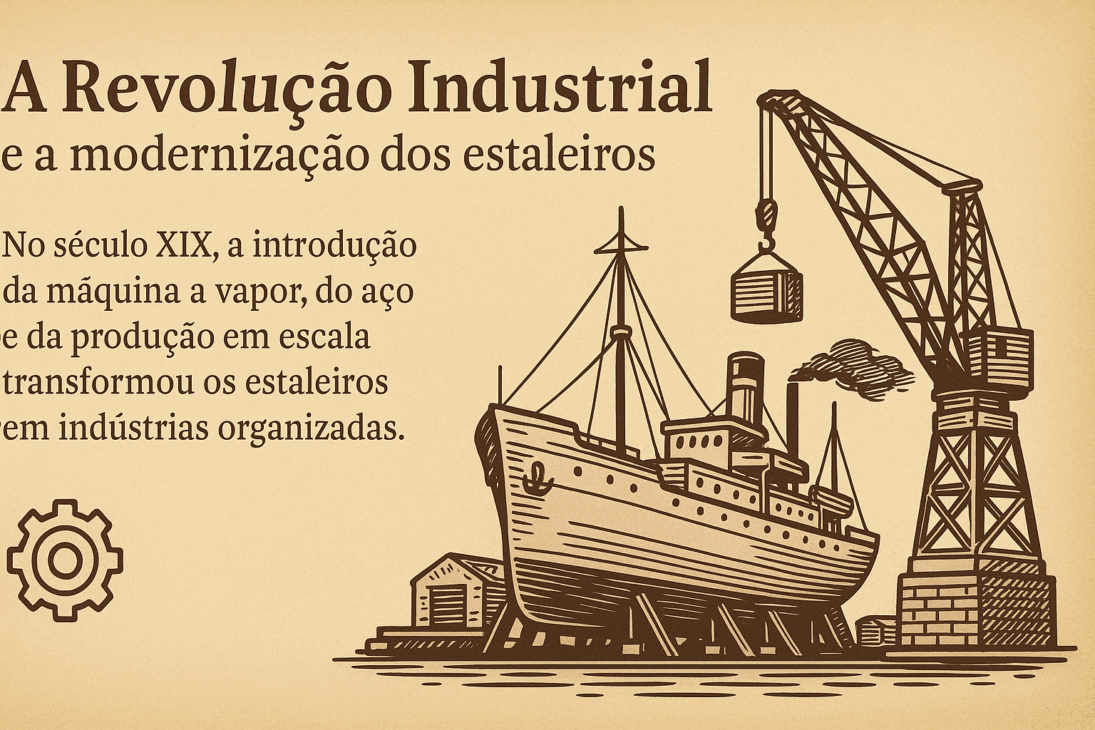
The 19th century revolutionized shipbuilding with the advent of the Industrial Revolution.
According to the Smithsonian Institution, the introduction of the steam engine, the use of steel, and mass production transformed shipyards into organized industries.
Naval engineering gained a new technical dimension, with designs based on complex calculations and tests.
The replacement of wooden hulls with iron and steel brought greater strength and safety.
Additionally, shipyards began using powerful cranes, dry docks, and assembly lines.
These innovations increased production capacity and quality, as well as ensuring greater efficiency.
This period also marked the strengthening of the naval industry as one of the pillars of the global economy, according to data from the Chicago Museum of Science and Industry.
Current Materials and Techniques
Today, shipbuilding is highly technological.
Steel remains the predominant material, especially for large ships, due to its durability and strength.
However, lightweight materials such as aluminum and fiberglass and carbon composites are gaining ground in fast and sports vessels.
3D modeling, simulation software, and laser cutting are used to ensure millimeter precision in construction.
According to the European Environment Agency, the shipbuilding industry accounts for about 3% of global greenhouse gas emissions, which has encouraged the development of sustainable technologies.
Therefore, shipyards are investing in eco-friendly practices and clean propulsion, in addition to automation and robotics to accelerate production and enhance safety.
Digitization also enables predictive maintenance and optimizes vessels’ performance.
The Economic and Strategic Importance of Shipbuilding
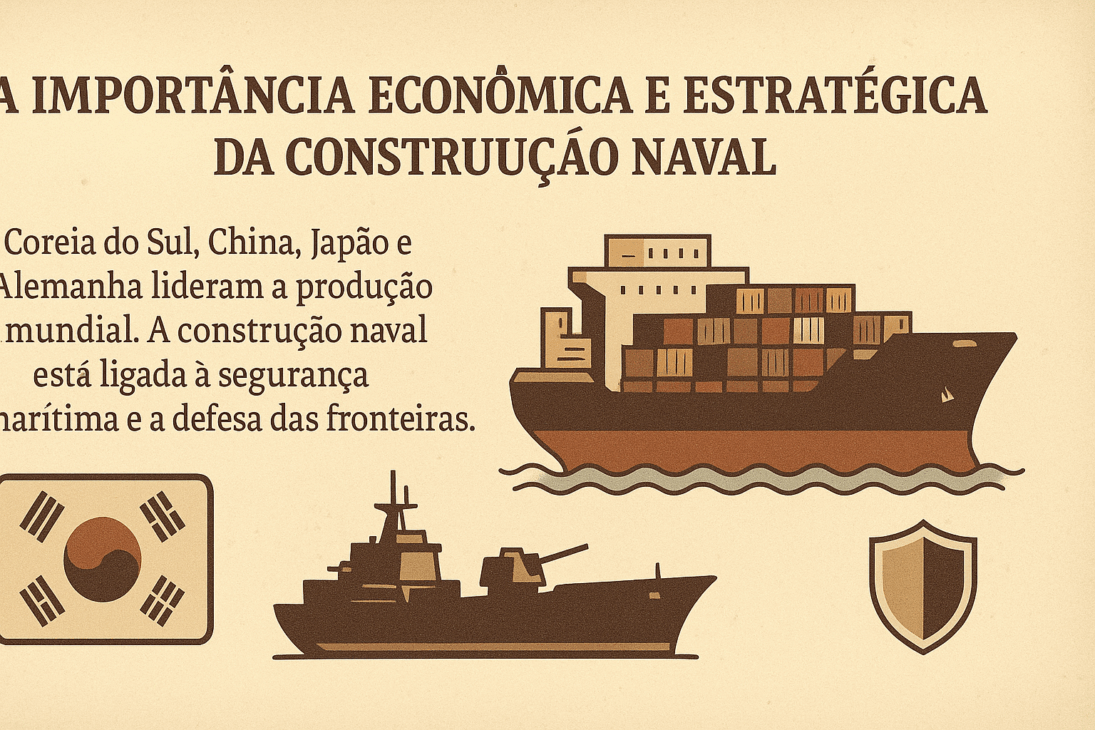
Shipbuilding is strategic for various countries.
South Korea, China, Japan, and Germany lead global production, according to the International Maritime Organization (IMO), accounting for about 70% of global ship manufacturing.
In Brazil, the sector peaked in the 1970s but faced crises. Recently, recovery efforts focus on vessels for the oil and gas industry, according to the Ministry of Industry, Foreign Trade, and Services.
In addition to economic impact, shipbuilding is tied to maritime security.
Military ships and submarines ensure border defense, patrol, and rescue operations.
Thus, naval engineering requires specialization and constant innovation.
The Future of Shipbuilding
The future will be technological and sustainable.
Increasing investments in liquefied natural gas (LNG) powered ships, solar energy, and hydrogen already point to emission reductions.
Tests with autonomous ships, operated with minimal human intervention, indicate a revolution in maritime transport.
Moreover, digital shipyards will use artificial intelligence, the Internet of Things (IoT), and data analysis to predict maintenance and optimize routes.
Despite technology, artisanal knowledge remains essential, ensuring quality and tradition.
Thus, shipbuilding continues to navigate between innovation and human experience.
Shipbuilding is a combination of history, science, engineering, and innovation.
Understanding shipbuilding is understanding an art that unites tradition and modernity to master the waters with wisdom.










Seja o primeiro a reagir!