





 Portuguese
  English
  Spanish
  4 min of reading
  0 comments


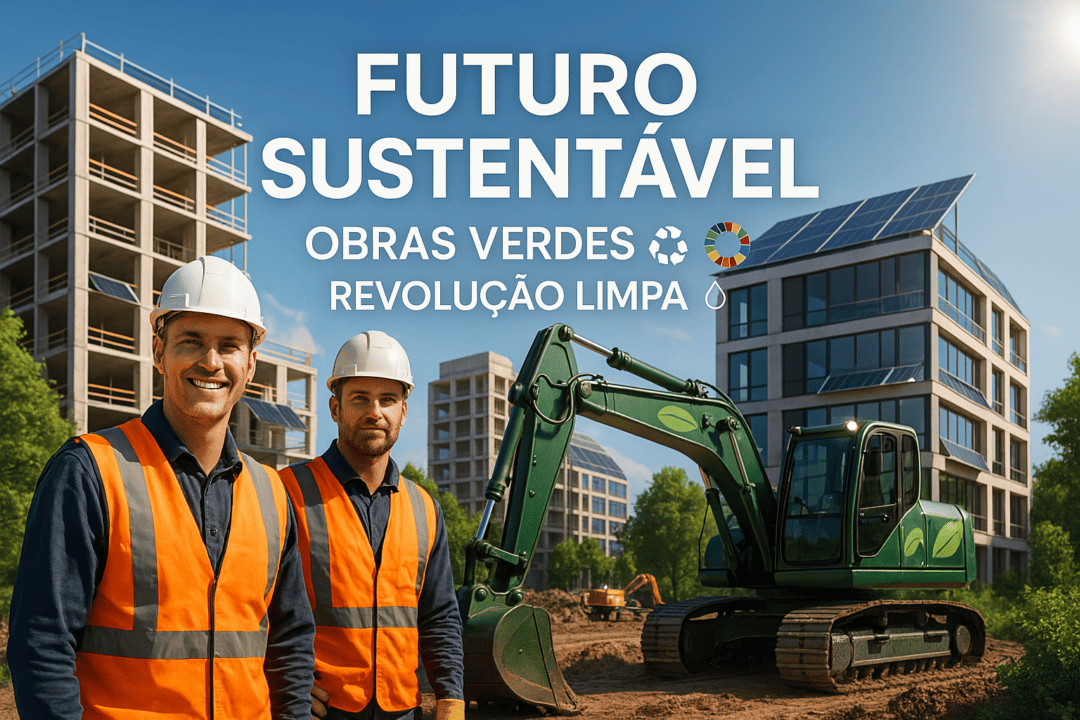
MRV Bets On Sustainable Innovation To Transform The Construction Industry In Brazil, Balancing Productive Efficiency And Environmental Responsibility From The Beginning Of Projects To Final Delivery, In A Journey Aligned With The UN Sustainable Development Goals.
MRV Bets On Efficiency, Innovation, And Sustainability To Revolutionize The Construction Sector Based On The 17 UN SDGs
The Search For Sustainable Practices In Construction Is No Longer A Trend But Has Become A Strategic Reality For Companies Like MRV.
According To José Luiz Esteves, Executive Manager Of Sustainability And Institutional Relations Of The Company, It Is Entirely Possible To Unite Operational Efficiency And Environmental Responsibility On The Construction Site.
-
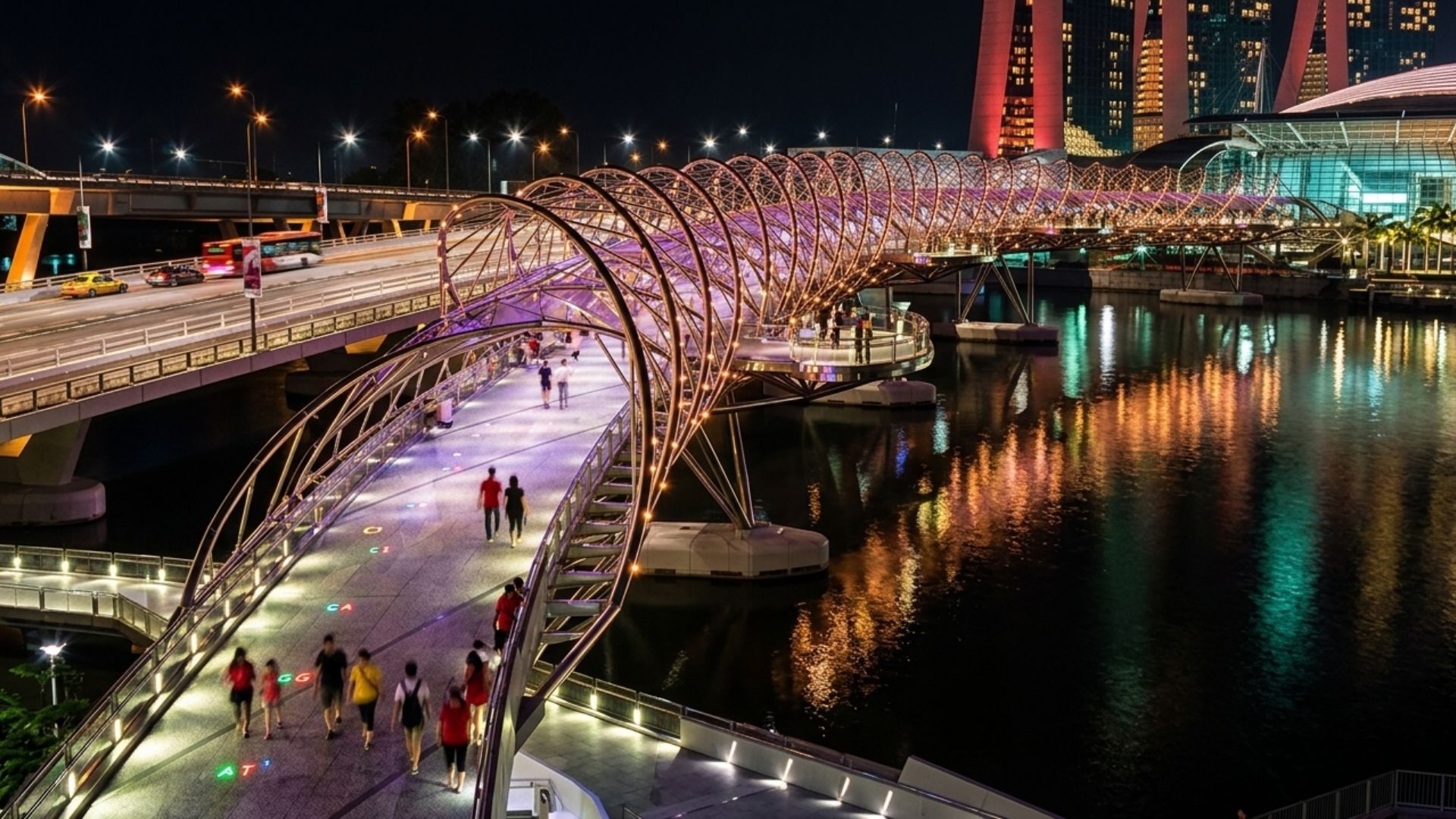
With a DNA shape, this bridge in Singapore draws attention in modern architecture and surprises tourists by transforming a simple crossing into an unforgettable visual experience in the urban heart.
-
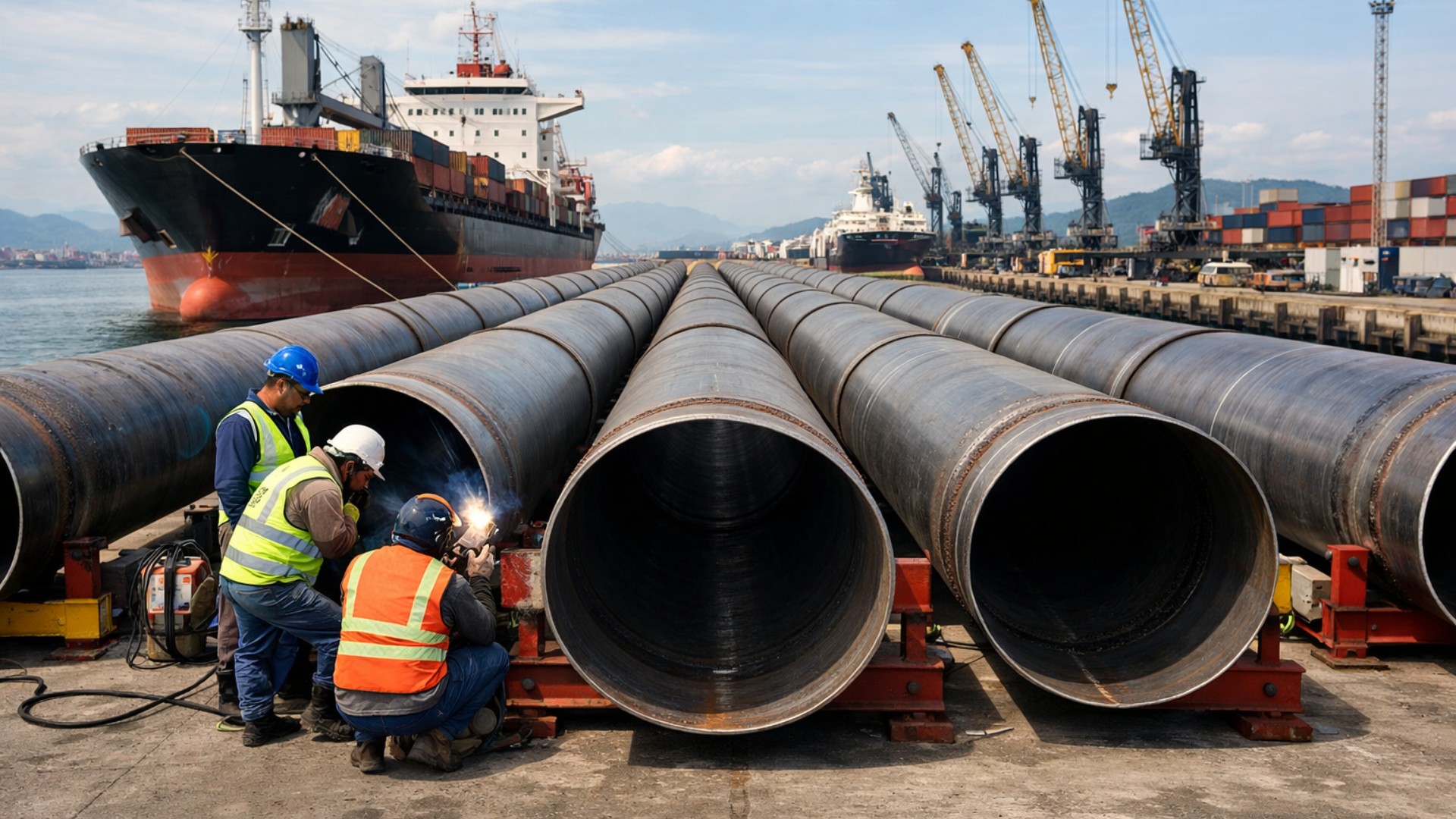
Giant underwater pipeline begins to take shape with a R$ 134.7 million project at the Port of Santos: the 1.7 km structure uses 12-meter and 700 mm pipes to supply water to 450,000 people in Guarujá.
-
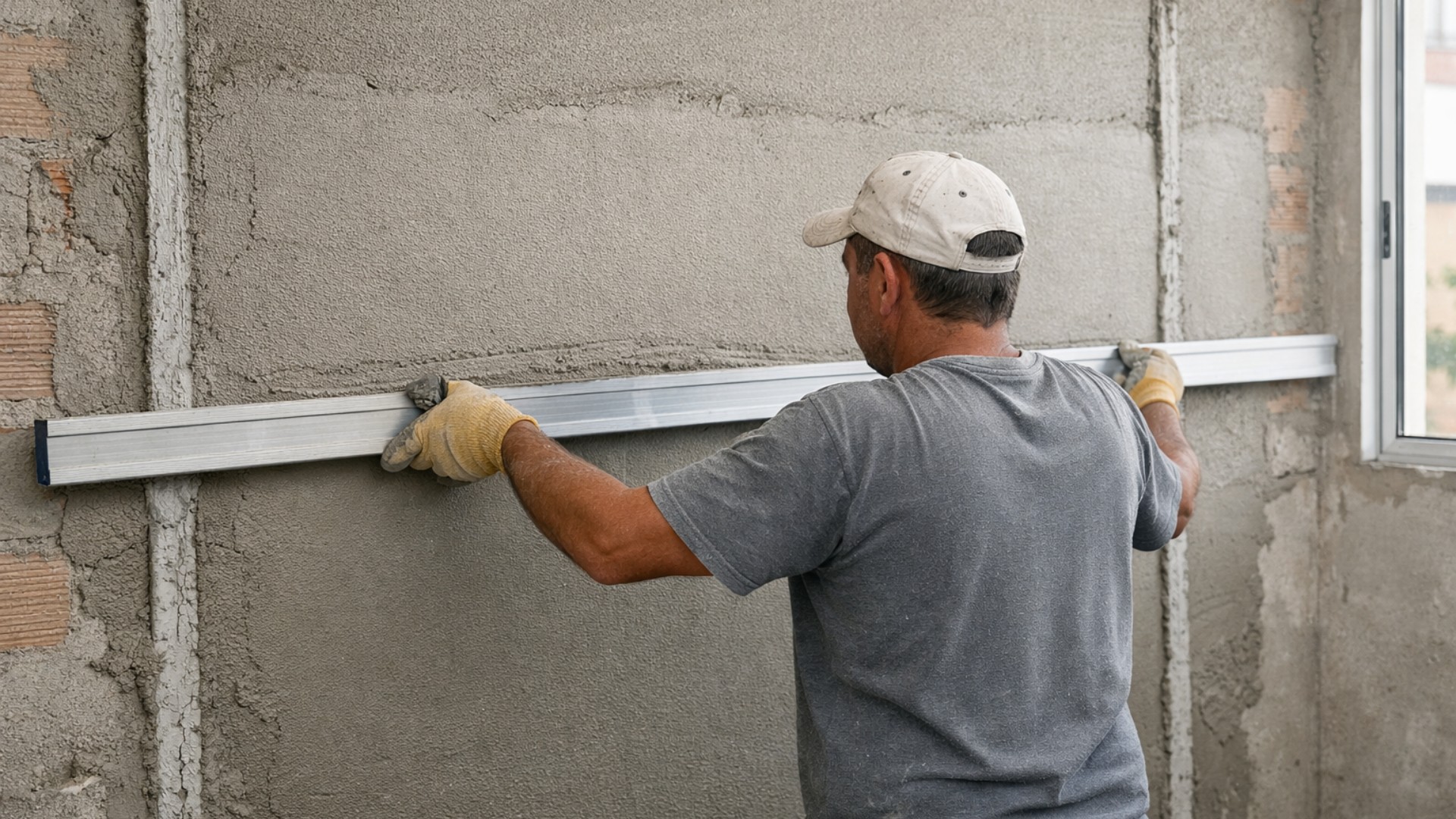
A mason reveals a professional plastering technique that uses aligned guides and a 3-meter ruler to plaster an entire wall in up to 3 hours, without visible seams, with uniform thickness, perfect plumb, and a finish ready for painting without rework.
-
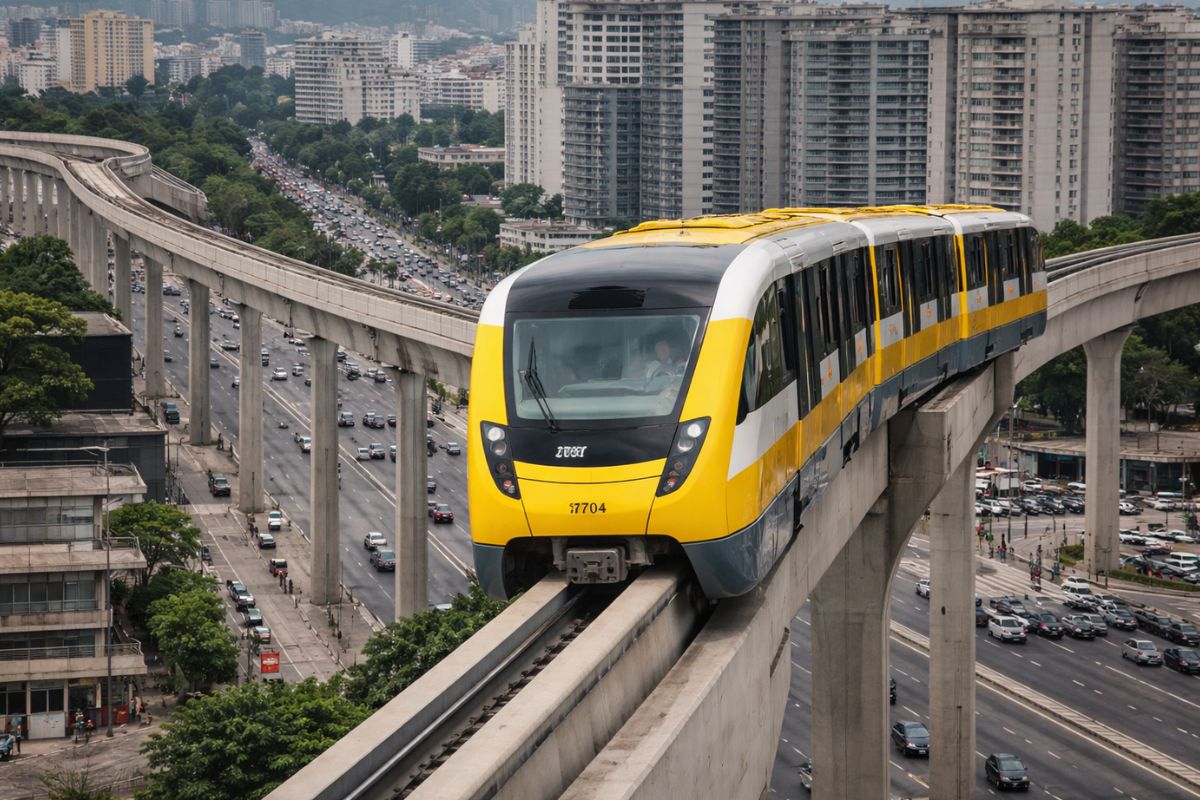
The project that was supposed to be ready for the 2014 World Cup in Brazil debuted with a 12-year delay and nearly R$ 6 billion invested: the Line 17-Gold of the São Paulo monorail opened with reduced hours and is only expected to operate fully in October.

The Statement Was Made During An Interview With CNN, Held On April 9, 2025, During Feicon, The Largest Construction Fair In Latin America, In São Paulo.
According To The Executive, MRV Already Applies Technologies And Processes That Reduce Waste And Optimize Resources From The Acquisition Of The Land To The Delivery Of The Keys To The Client.
Sustainability Brings Efficiency And Reduces Costs
José Luiz Highlighted That Adopting Sustainable Practices Does Not Mean Increasing Construction Costs, As Many Still Believe.
In Reality, The Focus On Reducing Waste, Rational Use Of Water, And Application Of Clean Technologies Contributes Directly To The Efficiency Of Processes And Resource Savings.
“It Is Absolutely Possible To Reconcile Efficiency And Sustainability.
Sustainability, By Looking At Waste, Brings Efficiency.
When An Item Is Introduced That Aims Not To Waste Water, It Is The Same.
When We Look At New Techniques, Processes, And Technologies, We Seek Efficiency,” He Stated.
MRV Has Invested Heavily In Modernizing Its Processes.
According To The Executive, The Gains Are Not Only Environmental But Also Economic, Operational, And Social.
These Actions Align With The ESG (Environmental, Social, And Governance) Strategy, Which Is Increasingly Demanded By Investors, Consumers, And Regulatory Institutions.
Alignment With UN SDGs Since Its Establishment
The Sustainability Adopted By MRV Is Not Limited To Isolated Actions.
It Is Integrated Into The Entire Production Cycle Of The Company, Focusing On The 17 Sustainable Development Goals (SDGs) Of The United Nations.
From The Selection Of The Land To The Delivery Of The Property, The Projects Are Designed To Have The Least Possible Impact On The Environment And Neighboring Communities.
“We Have The Challenge Of Operating In A Sector That Inevitably Impacts The Environment.
Therefore, We Need To Respect All Environmental Regulations.
During Construction, We Deal With Issues Such As Respecting The Neighborhood, Choosing Materials With A Low Carbon Footprint, And Delivering A Product With Sustainable Attributes To The Consumer,” He Explained.
In Addition To The Choice Of Materials, MRV Also Cares About The Proper Destination Of Generated Waste And The Energy Efficiency Of The Developments.
The Company Already Designs Buildings That Consume Less Energy, Make Better Use Of Natural Light, And Encourage Water Conservation Practices.
MRV As A Reference In The Real Estate Sector
Founded In 1979, MRV Engenharia Is One Of The Largest Developers In Latin America, With A Presence In Over 160 Brazilian Cities.
The Company Stands Out For Combining Affordable Housing With Socio-Environmental Responsibility, Becoming A Model For Sustainable Business In The Real Estate Sector.
Businessman Rubens Menin, Founder Of MRV And Current Chairman Of The Company’s Board, Is Also Known For His Involvement With Other Major Brands Such As Banco Inter, Log Commercial Properties, And CNN Brasil.
His Work Reinforces The Long-Term Commitment To Innovations And Good Corporate Practices.
ESG As A Strategy For The Future Of Engineering
During The Panel “Challenges And Opportunities Of ESG In The Future Engineering,” José Luiz Emphasized That The Future Of Construction Necessarily Involves A Serious Commitment To The ESG Agenda.
Companies That Ignore These Guidelines Risk Losing Relevance And Competitiveness In The Coming Years.
The Executive Further Highlighted That Modern Consumers Value Increasingly Homes With Sustainable Attributes, Such As Energy Efficiency, Rainwater Reuse, And Integration With Green Spaces.
These Factors, In Addition To Contributing To The Environment, Have A Positive Impact On The Quality Of Life For Residents.
Moreover, Sustainable Practices Facilitate Environmental Licensing And Open Doors To Specific Credit Lines Targeted At Green Developments, Which Represents A Significant Competitive Advantage In The Current Market.
Technology, Innovation, And Positive Social Impact
MRV Is Also Investing In Technologies That Go Beyond Environmental Sustainability.
The Digital Transformation Of Processes, Use Of Artificial Intelligence, Data Analysis, And Automation Are Being Incorporated Into Project Management To Make It More Efficient And Transparent.
Another Essential Pillar Of The Company’s Activity Is The Social Impact.
MRV Promotes Professional Development, Social Inclusion, And Income Generation In The Communities Where It Operates.
For The Company, It Is Not Enough To Deliver A Quality Property; It Is Necessary To Contribute To The Sustainable Development Of The Surroundings.
Paths To A More Sustainable Future
In A Global Scenario Where Climate Change Requires Immediate Action, MRV’s Experience Shows That It Is Possible To Reconcile Economic Growth And Environmental Preservation.
The Company Presents Itself As An Example That Sustainability Has Ceased To Be A Differential And Has Become A Requirement Of The Market And Society.
José Luiz Concludes With An Optimistic Message:
“It Is No Longer A Question Of Choice.
Companies That Want To Survive In The Future Need To Rethink Their Processes Now.
Sustainability Is The Only Possible Path For The Construction Industry To Evolve Responsibly.”





Seja o primeiro a reagir!