





 Portuguese
  English
  Spanish
  5 min of reading
  0 comments


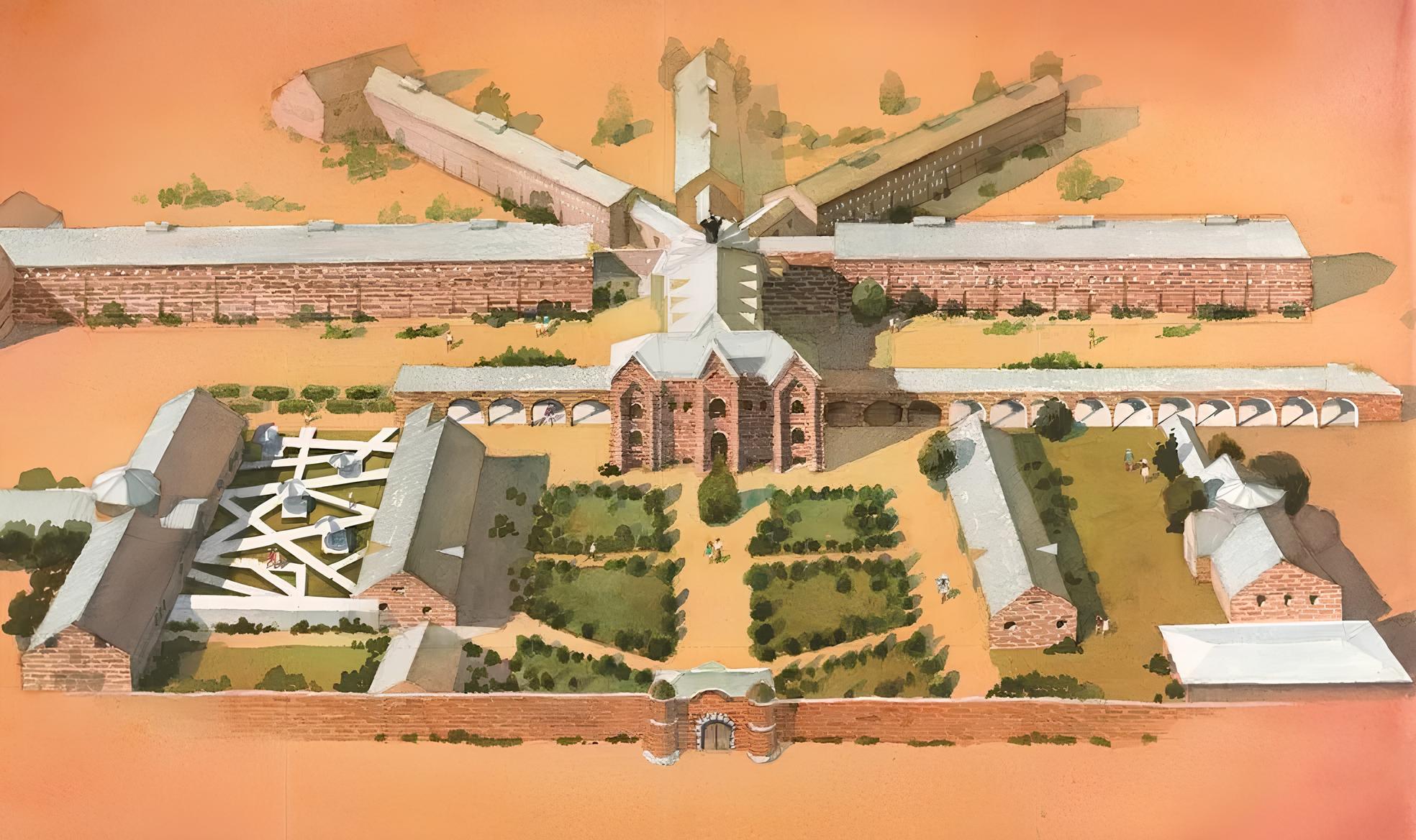
Built in 1908, the former Nara Prison in Japan will reopen in 2026 as a luxury hotel, with suites in former cells and daily rates close to R$ 5 thousand.
Few people imagine that one of the most exclusive hotels in Japan will be born in a place designed for punishment and isolation. But that is exactly what is about to happen with the former Nara Prison, a penitentiary complex inaugurated in 1908 that, after more than a century of history, will be transformed into a luxury hotel set to open in 2026. The contrast between the rigid past and the new concept of extreme hospitality is precisely what makes the project so striking.
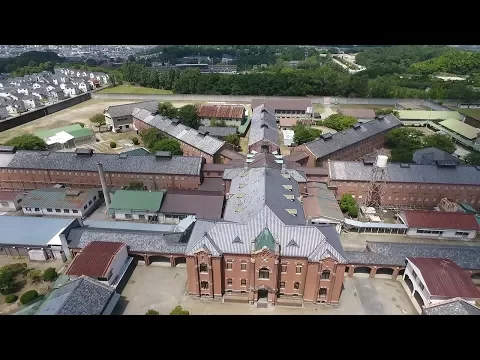
Located in the historic city of Nara, the prison is considered a landmark of modern penal architecture from the early 20th century in Japan. For decades, the site served as a symbol of state discipline and severe incarceration. Today, the same space is undergoing a radical reinterpretation: cells are giving way to suites, monitoring corridors are becoming contemplation areas, and the silence that was once imposed is now a luxury feature.
A Century-Old Prison That Crossed Imperial and Modern Japan
The construction of the Nara Prison occurred at a decisive moment in Japanese history when the country sought to modernize its institutions by drawing inspiration from European models. The project followed Western security standards, with massive brick walls, controlled inner courtyards, and a rigid system of separation of detainees.
-
Friends have been building a small “town” for 30 years to grow old together, with compact houses, a common area, nature surrounding it, and a collective life project designed for friendship, coexistence, and simplicity.

-
This small town in Germany created its own currency 24 years ago, today it circulates millions per year, is accepted in over 300 stores, and the German government allowed all of this to happen under one condition.

-
Curitiba is shrinking and is expected to lose 97,000 residents by 2050, while inland cities in Paraná such as Sarandi, Araucária, and Toledo are experiencing accelerated growth that is changing the entire state’s map.

-
Tourists were poisoned on Everest in a million-dollar fraud scheme involving helicopters that diverted over $19 million and shocked international authorities.



Throughout the 20th century, the building witnessed profound changes in the Japanese penal system, survived wars, legal reforms, and urban transformations. Even after its definitive closure as a prison, the structure remained practically intact, being recognized as a national historical heritage.
This status was fundamental to the new fate of the location. Instead of demolition or abandonment, the Japanese government opted for a concession that would allow the building to be restored while also making it economically viable.
From Cell to Suite: How the Transformation into a Luxury Hotel Works
The reconversion project is led by the Japanese group Hoshino Resorts, known for transforming historical sites into high-end hospitality experiences. The new venture will be called HOSHINOYA Nara Prison, keeping the prison’s original name as a central part of the narrative.
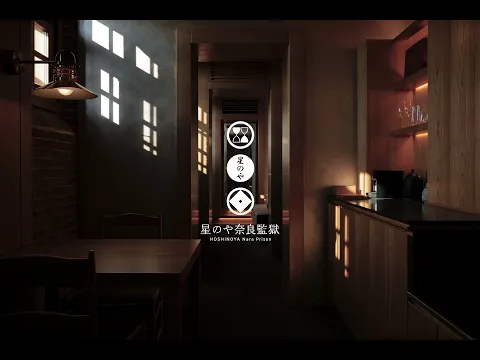

According to information released, the hotel will have around 48 suites, all adapted from the former cells. The original walls, reinforced doors, and part of the metal structure have been preserved, not as generic decorative elements but as material testimonies of the building’s history.
The architectural challenge was to balance extreme comfort with historical preservation. Each suite received soundproofing, modern climate control systems, and high-end bathrooms, but without completely erasing the sense of contained space that characterized the prison environment.
Daily Rates of Up to R$ 5 Thousand and Focus on Experience, Not Volume
The daily rates estimated at around 147,000 yen, equivalent to approximately R$ 5,000, clearly position the hotel in the experiential luxury segment. This is not a venture aimed at mass tourism but at an audience interested in exclusivity, silence, and historical narrative.
The central concept is not just to sleep in a different place but to experience space laden with meaning. Common areas include restored corridors, inner courtyards transformed into contemplation gardens, and reading and meditation spaces where constant surveillance once existed.
Additionally, part of the complex will house a museum dedicated to the history of the prison, also open to visitors who are not staying. The proposal is to contextualize the past of the site, avoiding the empty romanticization of incarceration and presenting the hotel as a new layer of use over a real historical structure.
Nara, Cultural Tourism and the Logic Behind the Project
The choice of Nara is not accidental. The city is one of the historical cradles of Japan, famous for its millennial temples, parks, and preserved cultural heritage. Inserting a luxury hotel into a former prison expands the range of experiences offered to visitors, going beyond traditional tourism.
From an economic point of view, the project follows a growing trend in Japan and other countries: reusing large underutilized historical structures to create high-value enterprises. This strategy reduces environmental costs of new constructions, preserves urban memory, and generates sustainable revenue.
In the specific case of the Nara Prison, the project also solves a common problem for historical buildings of this size: maintenance. The adaptation for a hotel ensures continuous financial flow, something difficult to achieve with only museological use.
The Luxury of Silence and the Paradox of Space
One of the most curious aspects of the project is the symbolic inversion of silence. Where silence was once imposed as a form of punishment, it is now sold as a privilege. The natural soundproofing of the thick walls, once designed to contain people, has become one of the main attractions of the hospitality experience.
This paradox is explicitly explored by the hotel’s proposal. The experience does not attempt to erase the building’s past but reinterpret it. The guest is invited to reflect on time, space, and the social function of architecture, something rare in traditional hospitality.
An Example of Extreme Reconversion
The transformation of the Nara Prison into a luxury hotel places Japan at the center of an international trend of reconverting prisons, factories, and military bases into tourism and cultural enterprises. The Japanese differential lies in the level of preservation and the sophistication of the concept.
Instead of transforming the building into a generic backdrop, the project embraces its history as a central element of the experience. This explains both the high cost of daily rates and the international interest that the hotel is already generating even before its opening.
In the end, what is for sale is not just a suite, but the opportunity to sleep within a real fragment of Japanese history, reinterpreted for a new century. The former prison that symbolized isolation is now preparing to welcome guests from around the world, proving that even the harshest spaces can gain new meanings when architecture, memory, and economy meet.










-

-

-

3 pessoas reagiram a isso.