





 Portuguese
  English
  Spanish
  5 min of reading
  3 comments


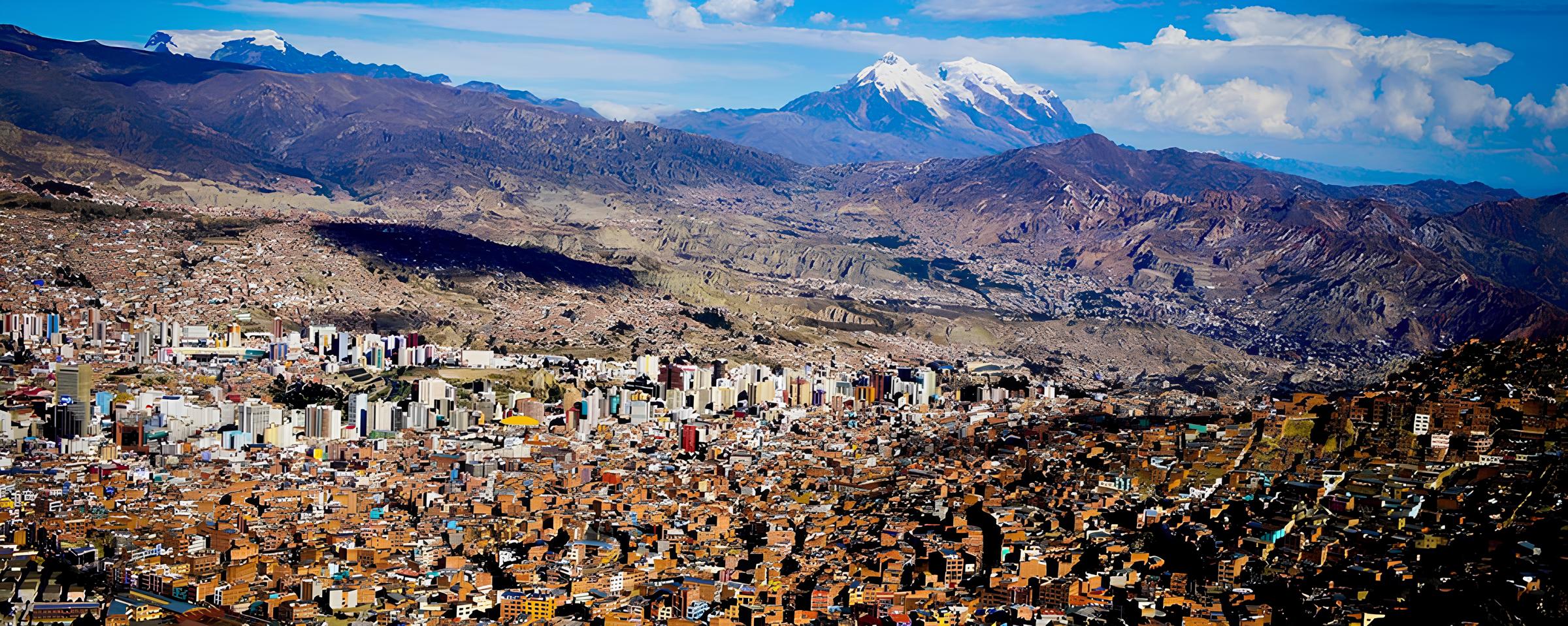


At More Than 3,600 Meters Above Sea Level, The City Built Among Mountains Has Streets So Steep That Ambulances Can’t Reach, And Residents Face Inclines And Cable Cars To Live At High Altitudes.
Between Monumental Mountain Ranges And Deep Valleys Of The Andes, There Is A City That Is The Highest In The World And Seems To Defy The Laws Of Physics. Built At More Than 3,600 Meters Above Sea Level, It Winds Between Mountains, Descends Slopes, And Climbs Hills With An Architecture That Resembles A Human Puzzle. Its Streets Are So Steep And Narrow That In Many Neighborhoods, Ambulances And Rescue Vehicles Can’t Ascend, And The Only Way To Get Home Is On Foot Or Via Cable Cars.
This City Is La Paz, The Administrative Capital Of Bolivia And One Of The Most Unique Places On The Planet. A True Urban Amphitheater Built Over A Deep Valley And Surrounded By Cliffs, Where Everyday Life Takes Place Among Slopes, Stairs, And Precipices.
The Highest City In The World That Was Born In The Abyss
Founded In The 16th Century By The Spanish, La Paz – The Highest City In The World – Was Built In A Narrow Valley Cut By The Choqueyapu River. As The Population Grew, Buildings Advanced Up The Slopes And Mountains, Creating An Unmatched Landscape. Today, The Houses Stack Upon The Rocks, Forming A Colorful Mosaic That Seems To Defy Gravity.
-
Oldest tree on the planet reappears after 130 years of searches: Wattieza, 385 million years old, was 10 meters tall and had no leaves or seeds; Gilboa fossils in New York solved the mystery in 2007.

-
A 48-square-meter house assembled in hours with 4,000 bricks made of recycled plastic that does not absorb moisture, has natural thermal insulation, and costs less than 90,000 reais in a complete kit.

-
Luciano Hang revealed that Havan’s air fleet has already accumulated more than 20,000 landings, 10,000 flight hours, and 6 million kilometers traveled, and he says that without the planes, the company would never have grown so quickly.

-
A historical discovery in the Andes Mountains reveals a gold deposit valued at 770 billion reais hidden over 4,000 meters above sea level on the border between Chile and Argentina, and the whole world is watching.



The City Extends Over More Than 472 km², But The Usable Space Is Limited; Much Of The Territory Is Formed By Steep Cliffs, Ravines, And Irregular Terrain.
This Geography Forced The Population To Adapt Their Routine To Extreme Conditions: Climbing And Descending Dozens Of Meters Every Day Is Part Of Life For The More Than 2 Million Inhabitants That Make Up The Metropolis Between La Paz And El Alto, Its Neighboring Municipality, Located Even Higher At 4,100 Meters Above Sea Level.
A Challenge For The Human Body
The Altitude Is The First Test For Those Who Arrive. The Thin Air Reduces The Amount Of Oxygen, Causing Fatigue, Dizziness, And The So-Called “Mountain Sickness.” In La Paz, Even The Act Of Climbing A Staircase Can Be Exhausting. The Residents Themselves Have Developed A Slower Pace Of Life — Not By Choice, But By Necessity.
Experienced Drivers Know That Certain Slopes Are Impassable For Regular Cars. There Are Streets Where The Incline Angle Exceeds 30 Degrees, And Some Roads End In Endless Staircases, Where Only Motorcycles, Pack Donkeys, Or Human Effort Can Conquer The Terrain.
In The Higher Regions, Ambulance Access Is Impossible. When Medical Emergencies Arise, Neighbors Carry Patients Down To Lower Points, Where Rescue Vehicles Await.
The Ordered Chaos Of The Mountain
From Above, La Paz Looks Like A Living Painting: A Quilt Of Red And Ochre Houses That Descends The Valley And Rises The Hills Until They Disappear Among The Clouds. The City Is An Example Of Organic Urbanism, Shaped By Necessity, Not By Planning.

The Old Streets Were Built Without A Standard Width And Follow The Natural Topography, Creating Sharp Turns And Slopes That Resemble Stairs. There Are Sections Where Two People Cannot Pass Each Other Side By Side And Avenues That End Abruptly In Dead Ends.
Even So, The City Pulsates. The Commerce Thrives On The Slopes, Markets Take Over The Sidewalks, And The Sound Of Horns Echoes Through The Valley Like An Urban Symphony. Life In La Paz Happens In Layers — One On Top Of The Other — And Space Is As Contested As Air.
Transport That Defies The Sky
To Overcome The Terrain, The Bolivian Government Created One Of The Most Unusual Transportation Systems In The World: The Mi Teleférico, A Network Of Urban Cable Cars That Connects The City’s Neighborhoods With The Neighboring Municipality Of El Alto.
Today, There Are 12 Lines And Over 30 km Of Suspended Cables, Operating Daily And Transporting About 350,000 People Per Day. From Above, Passengers Have A Stunning View Of The Snow-Covered Mountains And Neighborhoods That Seem To Balance Over Abysses.
The Cable Car Has Become A Symbol Of Modernization And Social Inclusion, Reducing Travel Time And Offering A Safe Alternative For Those Who Previously Faced Hours Of Walking Up Dangerous Slopes.
The City That Lives Between The Sky And The Earth
La Paz Is More Than A City; It Is A Human And Geographical Challenge. It Symbolizes The Capacity Of Humans To Adapt To Extreme Conditions. The Intense Cold, Thin Air, And Sloped Streets Have Shaped Not Only Its Landscape But Also The Character Of Its Inhabitants: Resilient, Slow In Their Steps, But Firm In Purpose.
During The Day, The Sun Shines On The Zinc And Brick Rooftops, Reflecting On The Slopes Like A Golden Mirror. At Night, The City Lights Up With Thousands Of Lights That Resemble Inverted Stars, Drawing A Celestial Map At The Bottom Of The Valley.
An Urban Heritage In The Heights
In 2014, UNESCO Recognized La Paz And El Alto As Part Of One Of The Most Impressive Urban Landscapes On The Planet, Both For Its Adaptation To The Terrain And Its Cultural Value. The City Combines Colonial, Indigenous, And Modern Influences In A Setting Where Space Is Contested Millimeter By Millimeter.
Living There Is To Inhabit The Limit Between The Sky And The Earth. It Is To Climb Slopes That Challenge The Lungs And, At The End, To Have Before Your Eyes One Of The Most Spectacular Views Of The Continent.
La Paz Is At The Same Time A Work Of Engineering, Human Stubbornness, And Geographical Poetry — A Place Where Survival Becomes Art And Daily Life Is, Every Day, A Literal Climb Toward The Horizon.









Il faut s’informer avant d’écrire,la Paz c’est la huitième ville en hauteur
El alto 4.149 m
Potosi 4.090 m
Shingatse 3.835 m
Juliaca 3824 m
Puno 3.819
Oruro 3.706
Lhassa 3.658
La Paz 3.639
Muito interessante, mas La Paz não é a cidade mais alta do mundo (a própria matéria cita a cidade de El Alto que é mais alta), e sim a capital nacional mais alta do mundo.
Your blog is a testament to your expertise and dedication to your craft. I’m constantly impressed by the depth of your knowledge and the clarity of your explanations. Keep up the amazing work!