





 English
  Francês
  Alemão
  Italiano
  Japonês
  Norueguês
  Portuguese
  Spanish
  4 min of reading
  2 comments


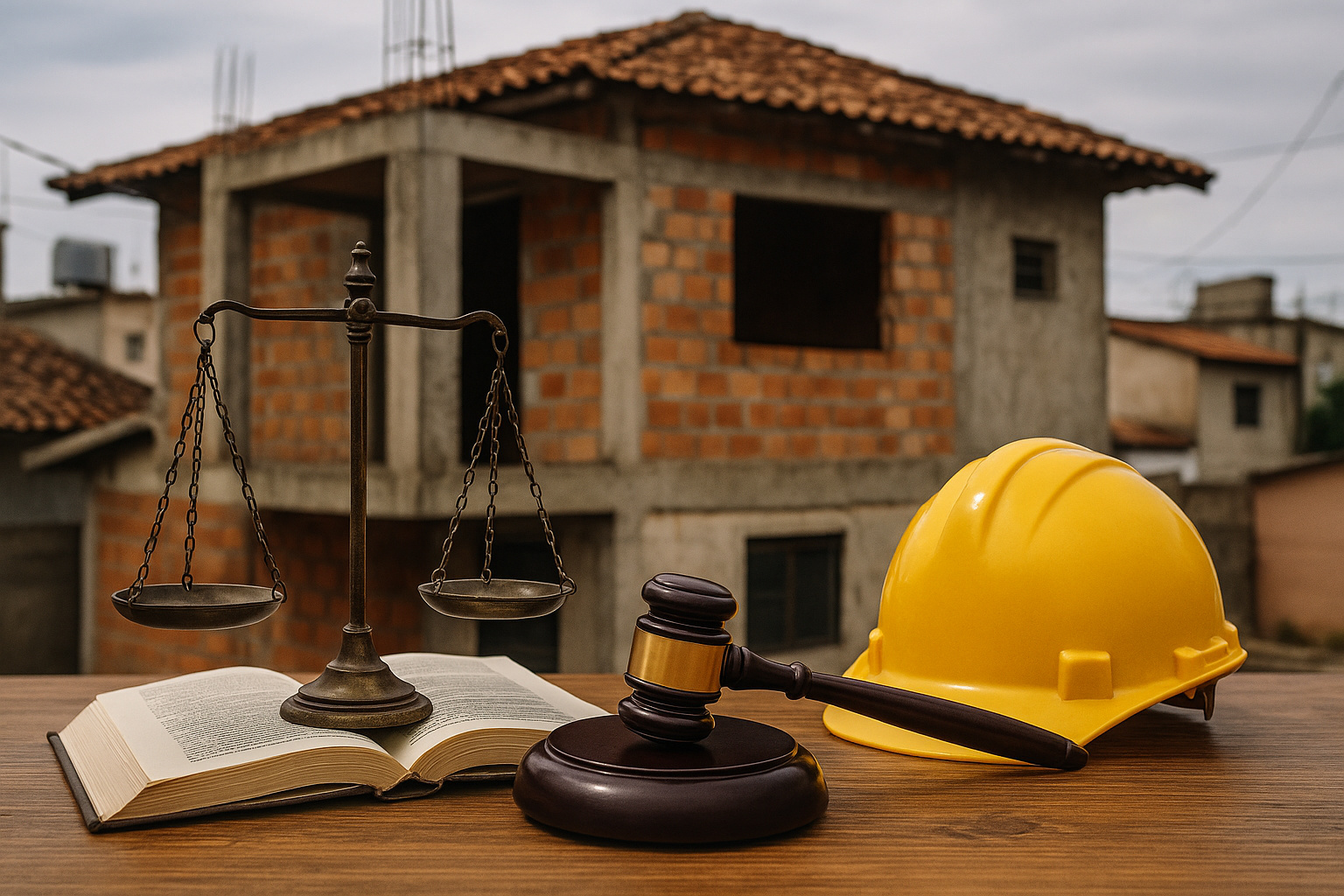


Proposal in Congress Redefines The Right of Laje and Expands Adverse Possession for Properties Built on Existing Homes
The proposal to update the Civil Code, presented in 2023 and analyzed by the special committee of the National Congress, promises to profoundly modify the real right of laje in Brazil. The text treats the lajes as autonomous lands and allows for the transfer of possession through sale, inheritance, and adverse possession.
This change aims to align legislation with the reality of Brazilian constructions. In thousands of cases, families build homes on existing houses without legal backing. The alteration can guarantee legal security and stability for these properties.
Proposed Legal Changes
Since the creation of the real right of laje by the law Instituted by Law No. 13.465/2017, these constructions are classified as “foreign things.” Those who build on someone else’s laje can live in the space but do not receive recognition as the owner.
-
The Senate approves a bill that criminalizes misogyny, hatred, or aversion towards women, and includes the crime in the Racism Law with a penalty of up to 5 years.

-
Chamber Approves Bill That Allows Pepper Spray for Women Over 16 and Imposes Strict Rules for Purchase, Possession, and Use as Self-Defense

-
Chamber Approves Law to Combat Leucaena, Fast-Growing Plant That Dominates Land and Threatens Native Species in Various Regions of the Country

-
Asset Division: Know What Cannot Be Divided in Case of Divorce


The new text proposes to consolidate possession also through adverse possession. This legal tool is based on the social function of property and allows peaceful occupants to claim legal rights to the property after a long period.
In order to validate possession, the construction must meet specific criteria:
- Independent exit to the street, direct or indirect.
- Own identification, numerical or alphabetical.
- Appropriate conditions for habitability.
The document further emphasizes: “the real estate unit over which possession of the laje falls must have its own exit to the public road and have a numerical or alphabetical designation for identification purposes”.
Experts Evaluate Impacts
Lawyer Davi Ory, a real estate law specialist from the University of Brasília (UNB), explains that the measure primarily favors the middle class, who already have regularized base properties and can now formalize constructions built on lajes.
He points out that the proposal addresses a legal gap that has caused divergences in the courts since 2017. Some judges accept possession requests, but most reject them due to lack of legal provision.
Thus, the change is expected to bring clarity and uniformity to judicial decisions, reducing insecurity and prolonged litigation.
Family Disputes Expose Gaps in the Law
The reality of these disputes is evident in the case of Bruno, a delivery driver from the north zone of São Paulo. In 2013, at just 17 years old, he built a house on his brother’s laje, on land inherited from their mother. He lived there until 2018, when he separated from his partner.
After the separation, his ex-wife remained in the property with their two daughters. Bruno moved to Osasco and fears losing rights to the construction, as current legislation considers his house part of his brother’s property.
In 2012, after their mother’s death, the siblings reorganized possession. His sister got the main house, another brother built a dwelling in the back, and Bruno constructed on the laje. The first two properties were regularized, but Bruno’s construction remained without legal recognition.
He claims that he temporarily ceded possession to ensure housing for his daughters. However, he wishes to return to the property. “All my family is there. I’ve tried to offer other places, but she only accepts an apartment that I can’t afford right now”, he reports.
If the new Code is approved, the house could be recognized as an independent unit, which would give the children’s mother a formal right to the property.
Legal Security and Future Challenges
Experts state that the reform of the Civil Code may ensure legal security and reduce urban disputes. However, the success of the change will depend on the interpretation of the courts and the practical application of the law.
In the meantime, thousands of families in similar situations await resolution. For these individuals, the change could mean the difference between losing their homes or gaining definitive property rights.
What to Expect with the Approval of the Law?
The debate surrounding the laje involves legal, social, and familial issues. On one hand, the update of the Civil Code promises to regularize a common practice in Brazilian cities. On the other hand, it may generate new conflicts between heirs and ex-partners.
Congress is analyzing the text at a rapid pace, and a vote is expected by 2025. If approved, Brazil will enter a new phase in the recognition of urban properties.
In light of this change, the question remains: will the new Civil Code be able to balance individual and collective rights, offering justice and security for all parties involved?









Outro golpe que devemos ficar atento é o de anistia.
Só as taxas que a prefeitura cobra é de assombrar puro terror e ganância o arquiteto que você tem que contratar é outro é outra iena gananciosa.
Resumindo não compensa as instituições é o maior inimigos da sociedade.
E com isso o IPTU da casa principal aumenta ? Pq o meu aumentou pq fiz mais um andar. Sendo casa única no terreno. Esse negócio de IPTU é uma armadilha. Cuidado ao regulamentar sua casa. O IPTU aumenta um absurdo…… CUIDADO.