





 Português
  Inglês
  Espanhol
  3 min de leitura
  0 comentários



Discover How The Simpsons House Was Built, The Challenges Faced, And Its Surprising Fate Over The Years
In 1997, Kaufman & Broad decided to turn a bold idea into reality: to build the Simpsons house, inspired by the iconic characters of the popular animated series, according to the website Xataka. The proposal was to create a residence identical to the one shown on TV while also providing an opportunity for a fan to move in. However, this idea quickly turned out to be more complex than expected.
The Creation Of The House
The house project began from the 3D designs developed for the video game “Virtual Springfield”. To ensure that the construction was true to the design, engineers analyzed around one hundred episodes of the series. However, problems soon arose: the Simpsons house lacked load-bearing walls, a significant challenge for construction. Despite this, the architects managed to create a design that maintained safety while reflecting the series’ look.
Interestingly, the house in the animation underwent changes over time, both in shape and arrangement. The designers focused on two iconic rooms: the living room and Bart’s bedroom, resulting in a residence with four bedrooms and two floors. Measuring 200 square meters, the house was painted a vibrant yellow, and the rooms featured colors like orange, fluorescent green, and pink, reflecting the unique and eccentric aesthetic of the animation.
-
The world’s first octopus farm wants to open in the Canary Islands and is already provoking an international reaction: the plan aims to produce 3,000 tons per year.

-
Drought may be creating stronger superbugs in the soil and helping antibiotic resistance reach hospitals, warns a study highlighting a problem that could grow alongside extreme weather.

-
The biggest scam in history: Napoleon’s France deceived the United States by selling them a territory that was Spanish.

-
Why is the Danakil Desert so dangerous? It has unstable terrain and how extreme temperatures and toxic gases turn the region into one of the most hostile environments on Earth.


Impressive Details
The finishing touches were added by Rick Floyd, a Hollywood production designer, who included details that would make any Simpsons fan emotional. The doors were designed to be taller, accommodating Marge’s famous hair, and the interior was filled with iconic elements, such as holes for mice, Duff beer cans in the fridge, and a saxophone in Lisa’s room. A graffiti by El Barto, done by Matt Groening himself, also featured in the design, adding a special charm to the house.
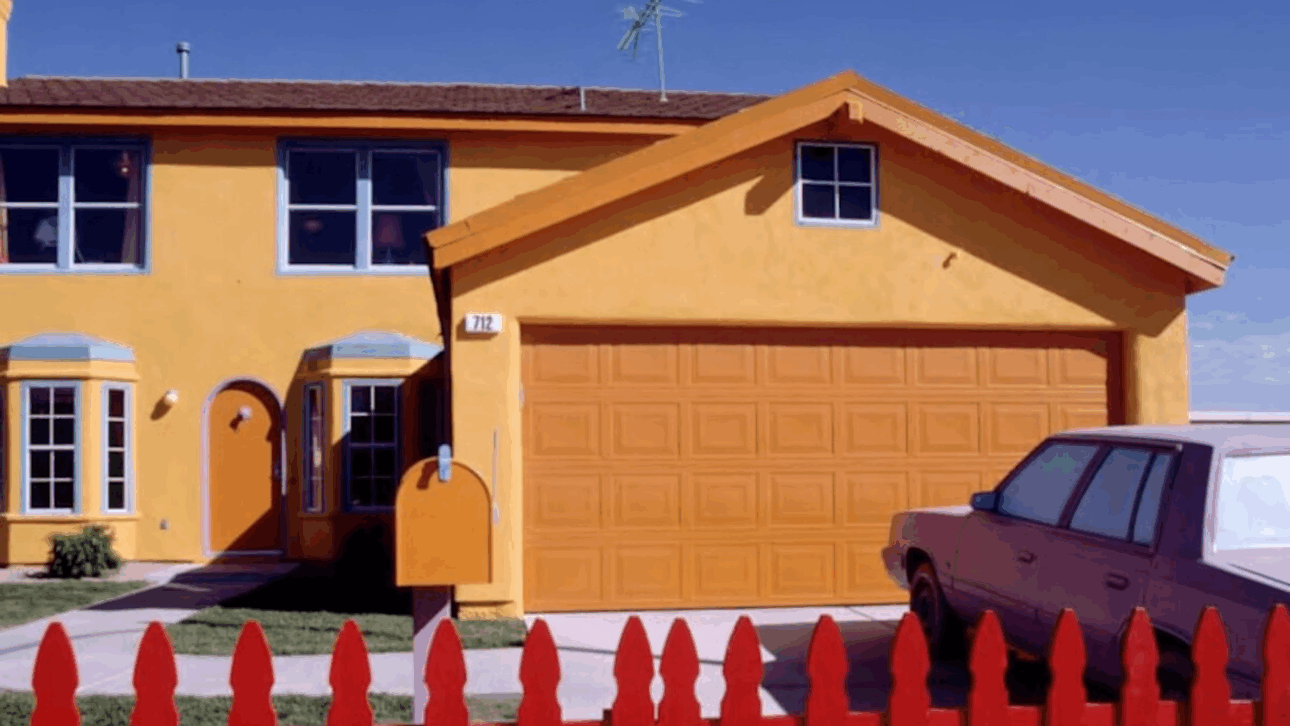
Have you ever imagined living in such a peculiar house? What features would you find most fun or interesting?
The Search For An Owner
To find an owner, the builder and Pepsi launched a contest in 1997. With 15 million participants, fans submitted proof of purchase to compete for the house or $75,000 in cash, although the residence was valued higher. Luck struck a retired Kentucky woman, 63, who decided to take the money as she had no plans to move.
After the win, the house became a tourist attraction in Henderson, Nevada. However, as the property required constant surveillance due to the theft of unique items inside, security was eventually reduced over time. The house, which initially attracted many visitors, became a curiosity that lost some of its appeal.
The Transformation Of The House And Its Legacy
In 2001, the Simpsons house was sold to a new owner, a neighbor who had been a secretary at the builder. She faced the need to renovate the interior, which, with its brightly colored cartoon-inspired features, rendered the space uninhabitable. This transformation was necessary to adapt the residence to everyday life, but the facade of the house still attracts fans and onlookers, becoming a magnet for travelers wishing to see the famous residence up close.
Today, the Simpsons house is a symbol of pop culture and an example of how creativity can lead to fascinating projects. The story of this construction shows us that although the idea of creating a house inspired by an animated series was a brilliant promotional move, reality is often more complex than fiction.
Would you like to visit a house like this? What else do you think could be added to such a project? Share your thoughts and reflections in the comments!








Seja o primeiro a reagir!