





 Portuguese
  English
  Spanish
  5 min of reading
  0 comments



StoneX Projects New Advance in Biodiesel Consumption by 2026, Highlighting Trends in the Biofuels Market and the Role of Sustainability in Brazil’s Energy Expansion
The consulting firm StoneX has released new projections that reinforce the increase in biodiesel consumption in Brazil and brings relevant updates for the biofuels market, especially in light of the possible increase in the mandatory blend from B15 to B16. According to a report published by Agência Eixos this Friday (12), the data confirms that the sector will continue to expand, driven by both economic activity and sustainability goals aligned with the national energy transition.
StoneX Projections and Growth of Biodiesel Consumption
According to the disclosed estimates, Brazil is expected to reach 10.5 million m³ of biodiesel in 2026, a growth of 6.4% compared to 2025. If the National Energy Policy Council (CNPE) approves the B16 blend, the volume could approach 11 million m³, also increasing the demand for soybean oil used in the production of the biofuel.
StoneX indicates that biodiesel consumption is expected to close 2025 at 9.8 million m³, representing a rise of 9% compared to 2024. This expansion demonstrates the strengthening of the biofuels market, which directly benefits from increased demand in transportation, agriculture, and industry.
-
Brazil accelerates hydrogen and biofuel projects to consolidate the fuel of the future and reduce dependence on oil by 2026.
-
CNPE strengthens policy and prevents imported biodiesel from being mixed with diesel, aiming to strengthen the Brazilian industry and protect jobs by reducing external dependence amid tensions in the global market.

-
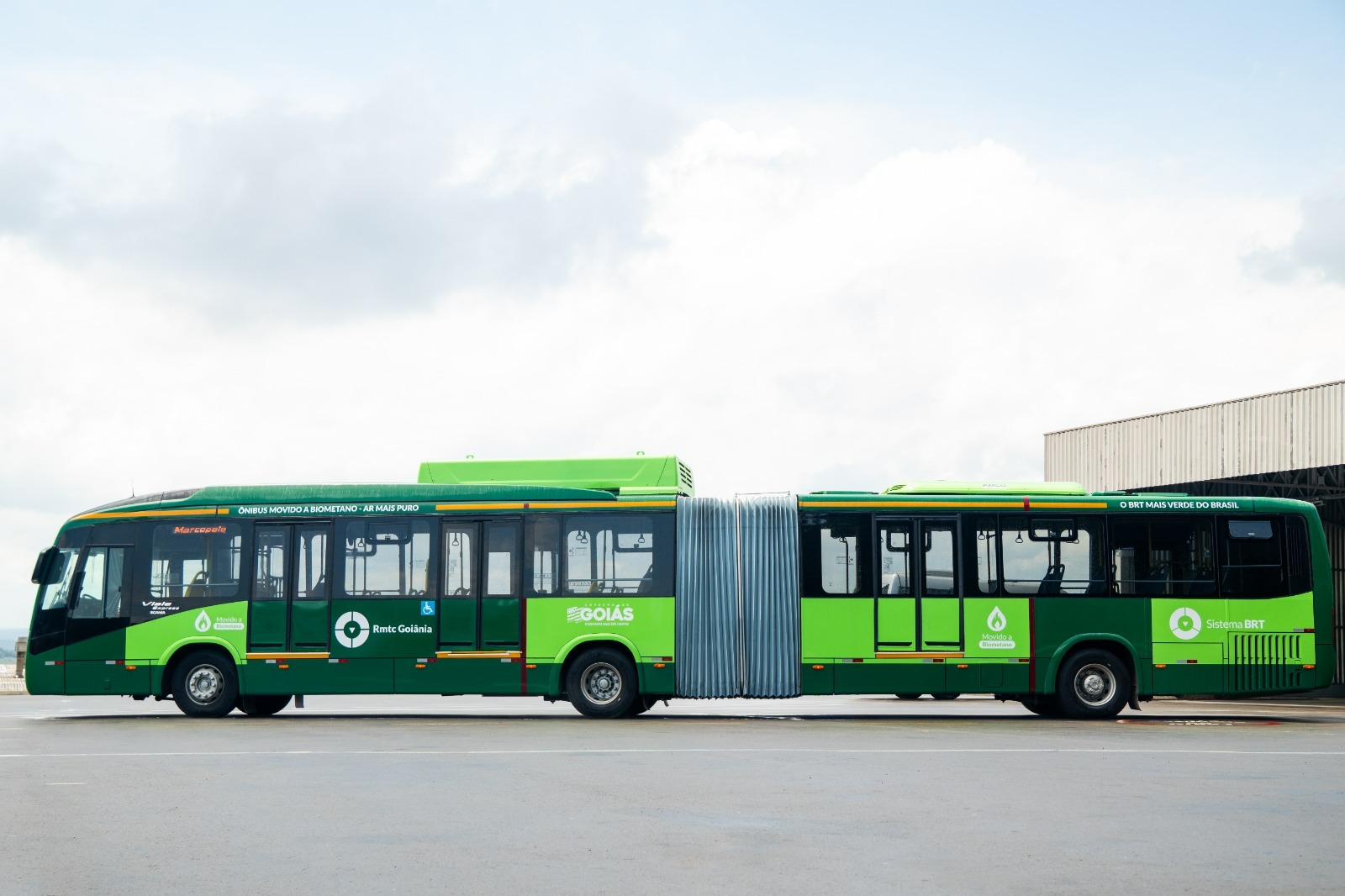
Revolution in public transport: Goiânia puts into circulation the first articulated buses powered by biomethane in Brazil and promises to drastically reduce pollution on the Anhanguera Corridor.
-
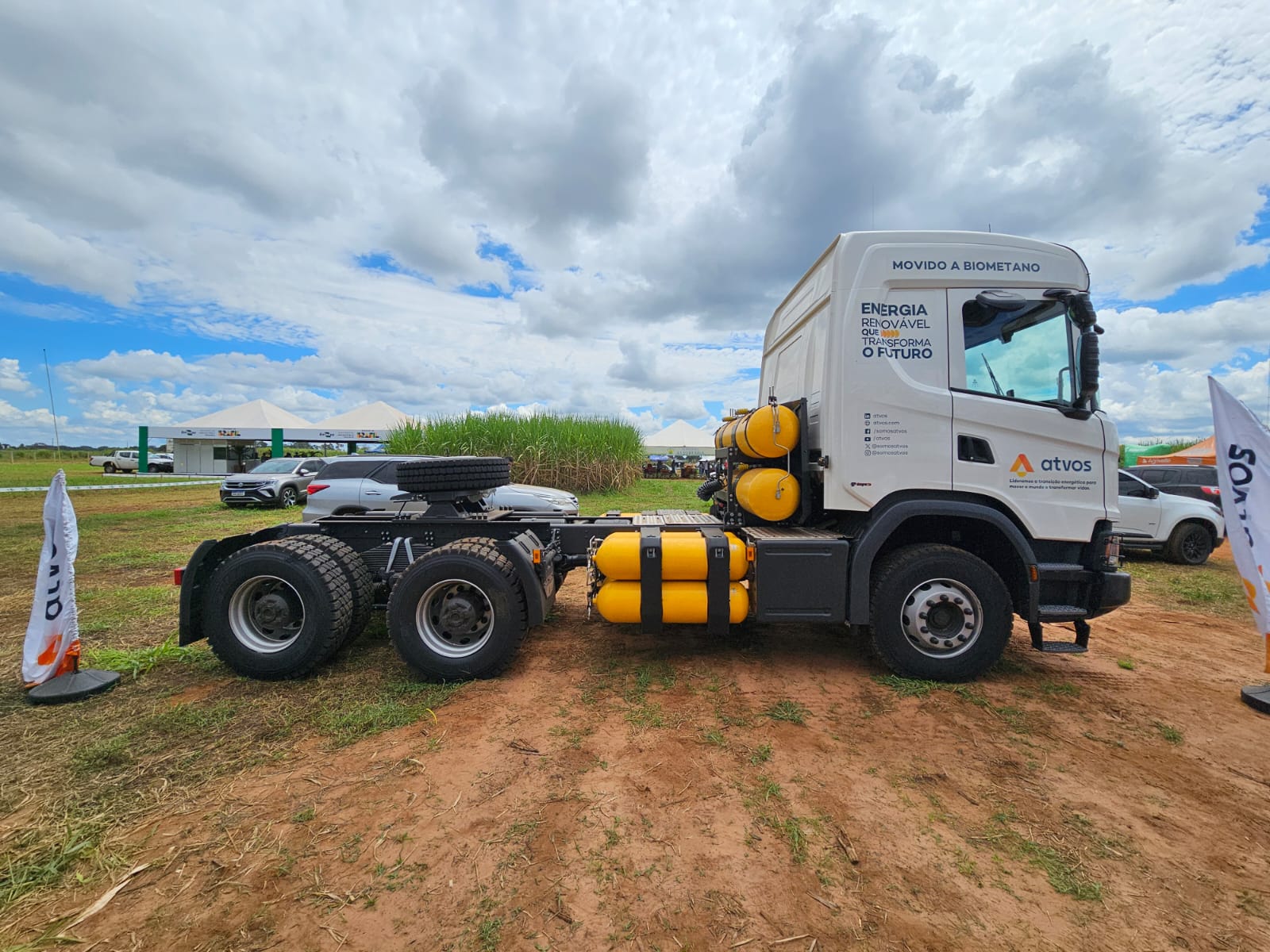
From the field to the pipelines: Mato Grosso do Sul accelerates the energy transition and consolidates a new axis in renewable energy with the arrival of a giant biogas plant.

For 2026, the consultancy indicates a continuation of the expansion pace. The volume is expected to reach 10.5 million m³, driven by the mandatory B15 blend and growing agricultural production. Analyst Leonardo Rossetti states that the biodiesel market has shown remarkable performance, highlighting that the difference between B14 and B15 will continue to widen in the coming months. The analysis shows that consumption grows consistently and sustainably, reinforcing the relevance of the category within Brazil’s energy matrix.
Impact of B16 and Effects on the Sustainability of the Sector
The advance to B16, foreseen by the Future Fuel Law, could represent a significant milestone for the biofuels market. Should the CNPE approve the change starting in March 2026, biodiesel consumption is expected to reach very close to 11 million m³, also expanding the use of soybean oil by approximately 1 million tons.
This increase in the mandatory blend is considered a strategic move, as it reinforces the national sustainability policy, reduces pollutant emissions, and stimulates the productive chain, from agriculture to distribution. Biodiesel, due to its plant origin, directly contributes to the reduction of greenhouse gas emissions compared to fossil diesel.
Additionally, the measure creates a more favorable environment for investments, research, and expansion of the installed capacity of the sector. The impact is seen as positive not only from an environmental perspective but also from economic and logistical standpoints.
Soybean as the Main Base of the Biofuels Market
The production of soybeans plays a decisive role in the performance of the biofuels market, as the oil extracted from the oilseed is the main input for biodiesel production in the country. The projected increase by StoneX in soybean oil usage reinforces the direct relationship between agriculture and the energy sector.
With the possible advance to B16, the use of the raw material would increase by about 1 million tons, boosting both rural producers and agro-industries. Biodiesel strengthens the link between the countryside and energy, creating a productive cycle that is economically relevant for various regions, especially those that concentrate soybean plantations.
Furthermore, Brazil’s continuous agricultural expansion, combined with the industrialization of derived products, supports logistical advancement and increased demand in the transportation sector, essential elements for the growth projected by the consultancy.
Diesel B, Logistics, and the Influence of Economic Activity
StoneX‘s estimate for diesel B — a mixture of mineral diesel with biodiesel — reinforces the growth scenario. The consultancy projects that total diesel B consumption will reach 70.4 million m³ in 2026, an increase of 1.9% compared to the previous year. In 2025, the volume is expected to close at 69.1 million m³, representing a rise of 2.7% from 2024.
These figures demonstrate how the increase in cargo circulation, driven by agricultural and industrial production, elevates biodiesel consumption, strengthening the biofuels market. Analyst Bruno Cordeiro highlights that “the cargo flow is more intense, which directly reflects in the volumes traded”.
Logistical expansion, both road and rail, creates conditions for the sector’s continuous growth, as more circulation of goods means more use of diesel B and, therefore, more biodiesel in the national energy matrix.
Increase in Biodiesel Consumption: Sustainability and Energy Transition as Drivers
In addition to productive and logistical factors, the growth of biodiesel aligns with sustainability guidelines adopted by Brazil in accordance with international decarbonization targets. The Future Fuel Law and other public policies reinforce the commitment to expand the use of biofuels, reduce emissions, and diversify the energy matrix.
Biodiesel is a strategic alternative because it allows for pollutant reduction without the need for significant technological changes in the fleet, which is already adapted to the use of diesel B. The biofuel combines logistical performance with environmental responsibility, and will support an important part of the energy transition in the next decade.
The strengthening of the sector also contributes to job creation, agricultural income, innovation, and increased investments, consolidating its relevance in the national scenario.
Strategic Relevance of Biodiesel for the Future of the Energy Market
The set of projections released by StoneX shows that biodiesel consumption will continue to grow consistently in the coming years, driven by the mandatory blend, the strength of soybean production, logistical expansion, and an emphasis on sustainability.
The biofuels market is gaining increasing prominence in the national energy transition, combining the generation of economic value with environmental benefits. The sector positions itself as one of the engines of the green economy, benefiting rural producers, industries, distributors, and the entire logistical chain.
Biodiesel remains established as a strategic pillar for Brazil’s energy future, sustaining economic growth, reducing environmental impacts, and strengthening the country’s competitiveness in the global scenario.







Seja o primeiro a reagir!