





 Portuguese
  English
  Spanish
  4 min of reading
  0 comments


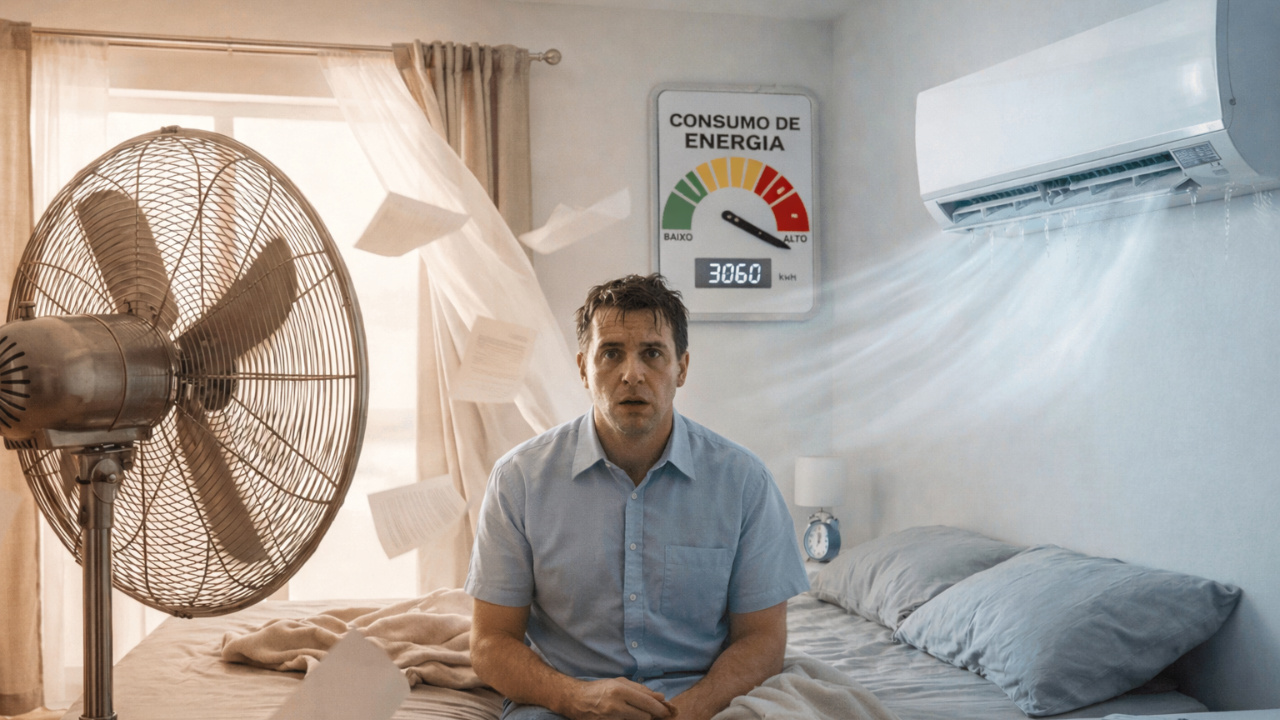
Energy Consumption Grows 5.6% in January 2026 with High Temperatures. ONS Warns of Critical South Reservoirs and High Electricity System Operation Costs.
Energy consumption in Brazil is expected to close the month of January 2026 with an impressive growth of 5.6% compared to the same period of the previous year, according to official projections from the National Electric System Operator (ONS). The increase occurs amid a persistent heatwave, which has raised the use of cooling equipment and increased the load on the National Interconnected System (SIN).
The data comes from the Monthly Operation Program (PMO), released for the operational week between January 10 and 16. The document shows that temperatures above historical averages are already causing direct impacts on electricity demand in nearly all regions of the country.
Moreover, the growth in consumption is not limited to isolated peaks. The ONS observes a continuous increase in load, driven by the intensive use of air conditioning, fans, and commercial and industrial cooling systems, especially in major urban centers.
-
Brazilians paid R$ 18 billion more for energy from the Itaipu plant, reflecting a direct impact on tariffs and generating discussions about costs, transparency, and balance in the national electricity sector.

-
Equatorial adopts new national number for consumer units on electricity bills starting in April, following ANEEL standards and modernizing energy bills in several states.

-
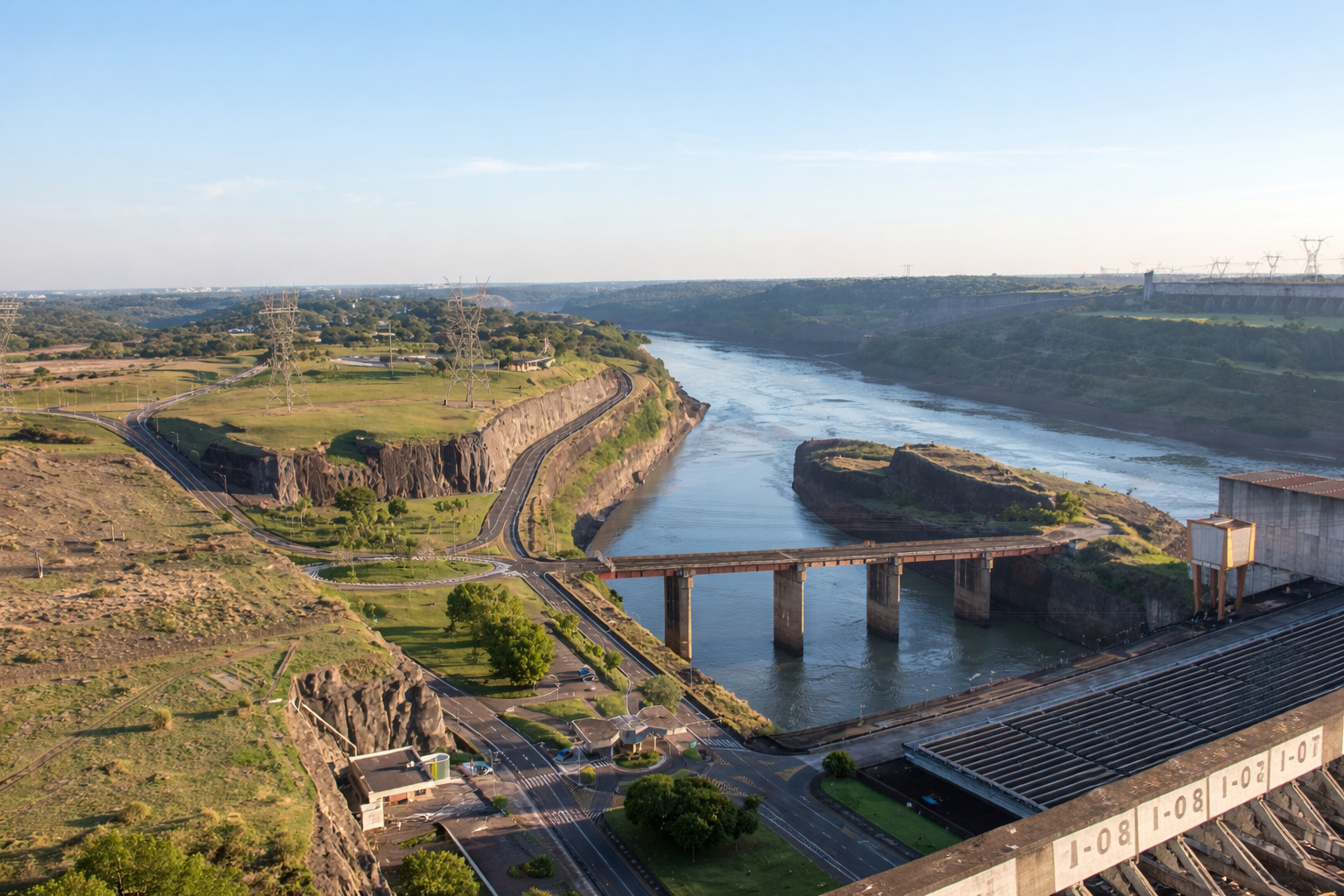
Itaipu Impresses the World: Hydroelectric Plant with 20 Turbines and 14,000 MW Generates Over 2.9 Billion MWh and Leads Global Clean Energy Production
-
Aneel Revokes CMAA Thermal Power Plants After Network Restrictions and Excess Energy in the System


Extreme Heat Increases Load on the SIN and Alters Operational Scenario
According to the ONS, the combination of high temperatures and more intense consumption patterns has been requiring constant adjustments in the operation of the electricity system. The increase in load pressures the need for firm generation, especially during peak hours, when demand concentrates in the late afternoon and evening.
This scenario directly affects operational planning, as it reduces safety margins and requires greater coordination among available sources. Although renewable generation has performed well in some regions, climate variability poses additional challenges to system management.
South Reservoirs Operate at Critical Levels and Light Up Warning Signs
While energy consumption rises, the situation of the reservoirs in the South region concerns sector technicians. According to the ONS, the reservoirs in the South subsystem operate with only 29.5% of Maximum Stored Energy (EARmáx), the lowest level among all regions in the country.
The updated data shows the following storage situation:
- South: 29.5%
- Southeast/Central-West: 58.3%
- Northeast: 74.6%
- North: 77.9%
The low level in the South reflects a combination of recurring droughts and lower hydrological predictability. For this reason, the ONS is already considering specific strategies to preserve the available water levels, avoiding greater risks to system balance in the coming months.
Marginal Operation Cost Soars and Pressures Prices
Another direct reflection of the increased energy consumption is the significant rise in the Marginal Operation Cost (CMO). Weekly average values have risen sharply across all SIN subsystems, exceeding R$ 295 per megawatt-hour (MWh).
In the Southeast/Central-West and South, the CMO rose from R$ 119.10/MWh to R$ 296.18/MWh. In the Northeast, the cost reached R$ 295.73/MWh. In the North, the average value jumped from R$ 289.25/MWh to R$ 296.18/MWh.
According to the ONS, this increase reflects the reduction in inflows, lower storage levels in some regions, and the need for greater dispatch of thermal power plants. Consequently, operational costs are rising and are likely to influence the behavior of the Difference Liquidation Price (PLD) in the coming weeks.
Renewable Sources Help, but Do Not Eliminate Operational Risks
Despite the more pressured scenario, hydraulic generation still accounts for about 65% of national demand, maintaining a central role in meeting consumption needs. Complementary renewable sources, such as solar and wind, continue to perform well, especially in the Northeast, where the parks operate with high productivity.
However, the ONS emphasizes that the intermittency of these sources requires fine balance between generation and demand. In periods of extreme heat, when consumption rises rapidly, the system relies on dispatchable sources to ensure stability.
In this context, the complementary use of thermal power plants has been deemed essential, especially in regions with transmission restrictions or lower immediate response capacity.
ONS Adopts Preventive Measures to Address Increase in Consumption
In light of the rising energy consumption and observed operational limitations, the ONS has been implementing a series of preventive actions. Among the main measures are the reinforcement of thermal dispatch in critical areas, the strategic preservation of reservoirs with lower recovery capacity, and continuous monitoring of transmission lines.
Additionally, real-time operational adjustments have been made to avoid overloads, as well as constant evaluations of reserve energy usage and storage systems, which gain relevance in scenarios of greater system stress.
Energy Transition Increases Challenges and Reinforces the Importance of Transmission
The ONS report also highlights the structural challenges associated with the energy transition. The accelerated expansion of intermittent renewable sources increases the need for operational flexibility and a more robust transmission network.
With a significant portion of generation concentrated in regions far from major consumer centers, bottlenecks in energy flow become more evident during periods of high demand and adverse weather conditions.
Therefore, the ONS emphasizes that the transmission auctions planned for the coming years will be decisive to enhance the country’s electrical security, reduce operational risks, and ensure that the system can respond to the continuous growth in energy consumption in an increasingly intense climate change scenario.







Seja o primeiro a reagir!