





 English
  Francês
  Alemão
  Italiano
  Japonês
  Norueguês
  Portuguese
  Spanish
  2 min of reading


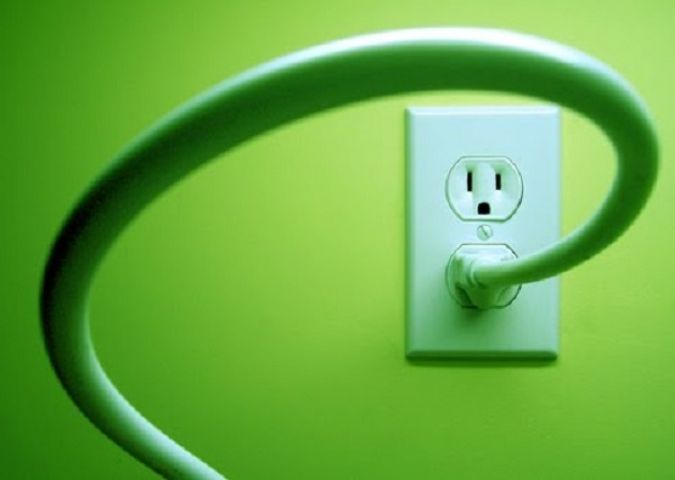
According to a study conducted by the Electric Energy Trading Chamber (CCEE), the average energy consumption in the National Interconnected System (SIN) fell by 14% in the four weeks following the implementation of measures to combat the coronavirus, compared to the first 20 days of March.
Check Out Other News:
- Petrobras Halts Drilling in Bahia and Sergipe, 550 Oil Workers Lose Their Jobs
- Amid the Oil Crisis, EBSE Delivers Tanks and Skids to the Azulão Field in Amazonas
- New Oil Workers Infected with Coronavirus in the Campos Basin, This Time on the P-26 Platform in Macaé
In the free market, the reduction was 18% during the same period, driven by low consumption in the main sectors of the economy that trade energy. In the captive market, demand decreased by 13%. The justification for the lesser value is due to the continuity of residential consumption.
The data compares the period from March 1 to March 20 and between March 21 and April 17. The period considered as the start of the quarantine began on March 18.
-
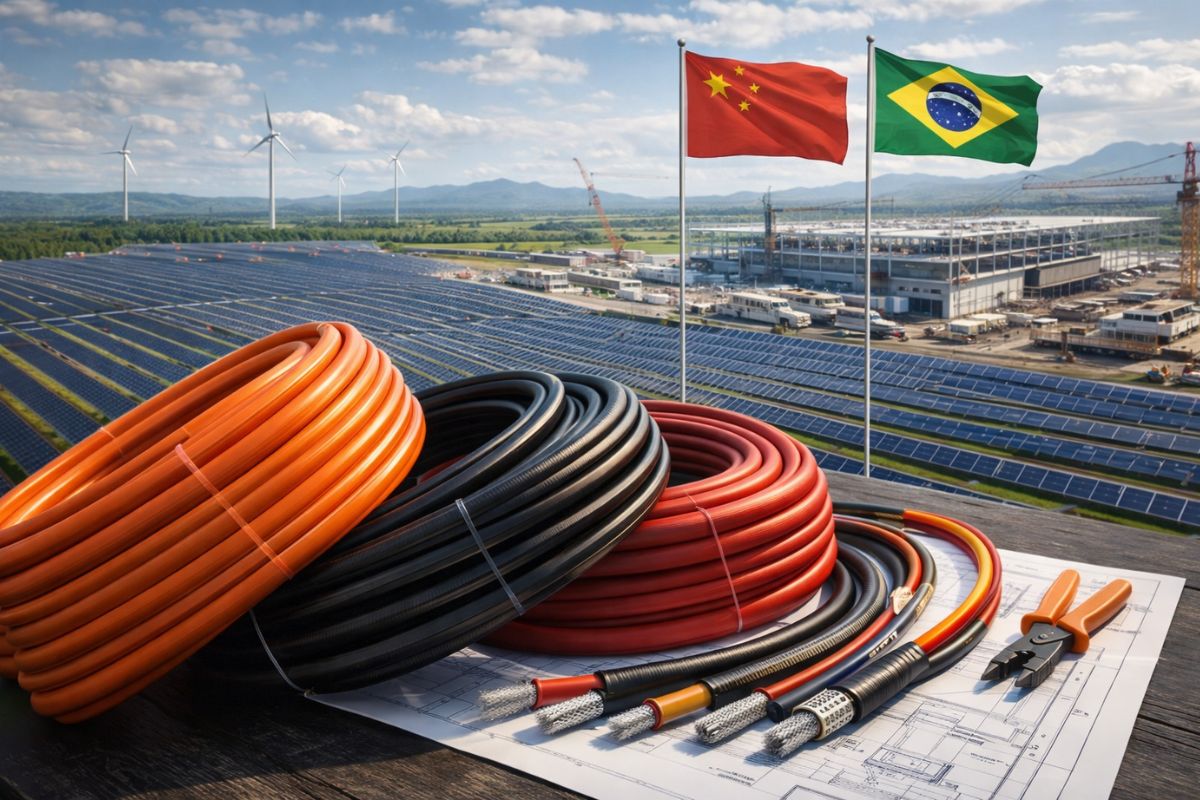
Chinese giant worth nearly R$ 4 billion that manufactures cables for electric cars, solar energy, and robotics wants to open a factory in SC.
-
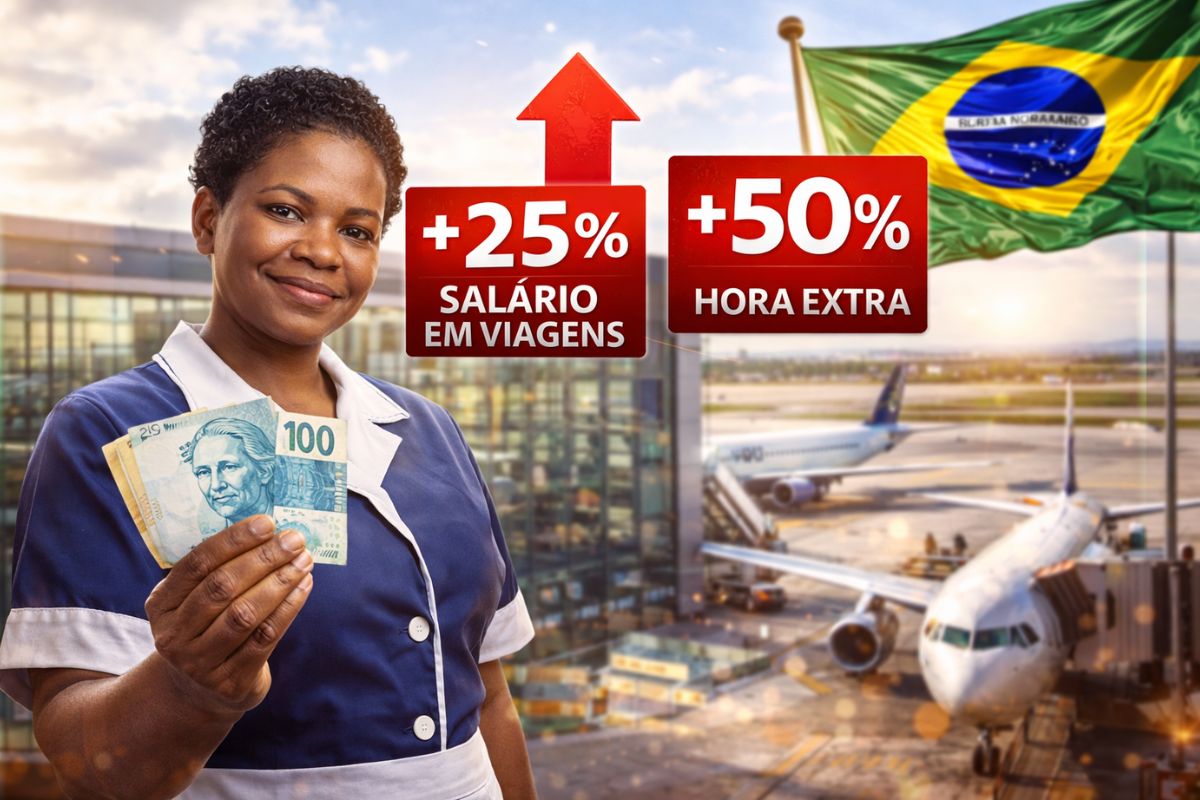
Many employers do not know, but the law guarantees domestic workers a 25% increase in salary during trips, 50% for overtime, 20% for night shifts, and 17 additional benefits that can lead to labor lawsuits if not paid.
-
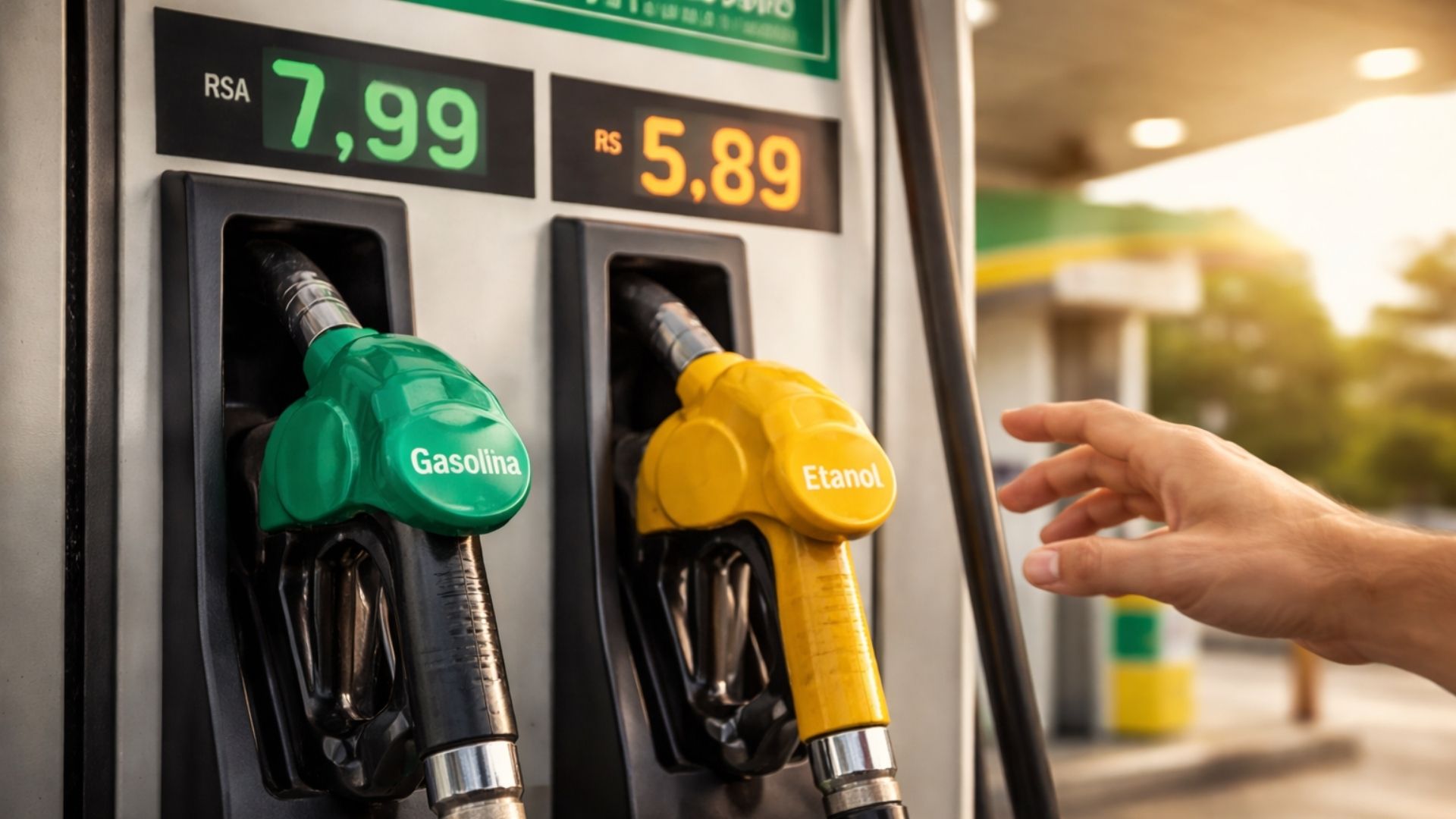
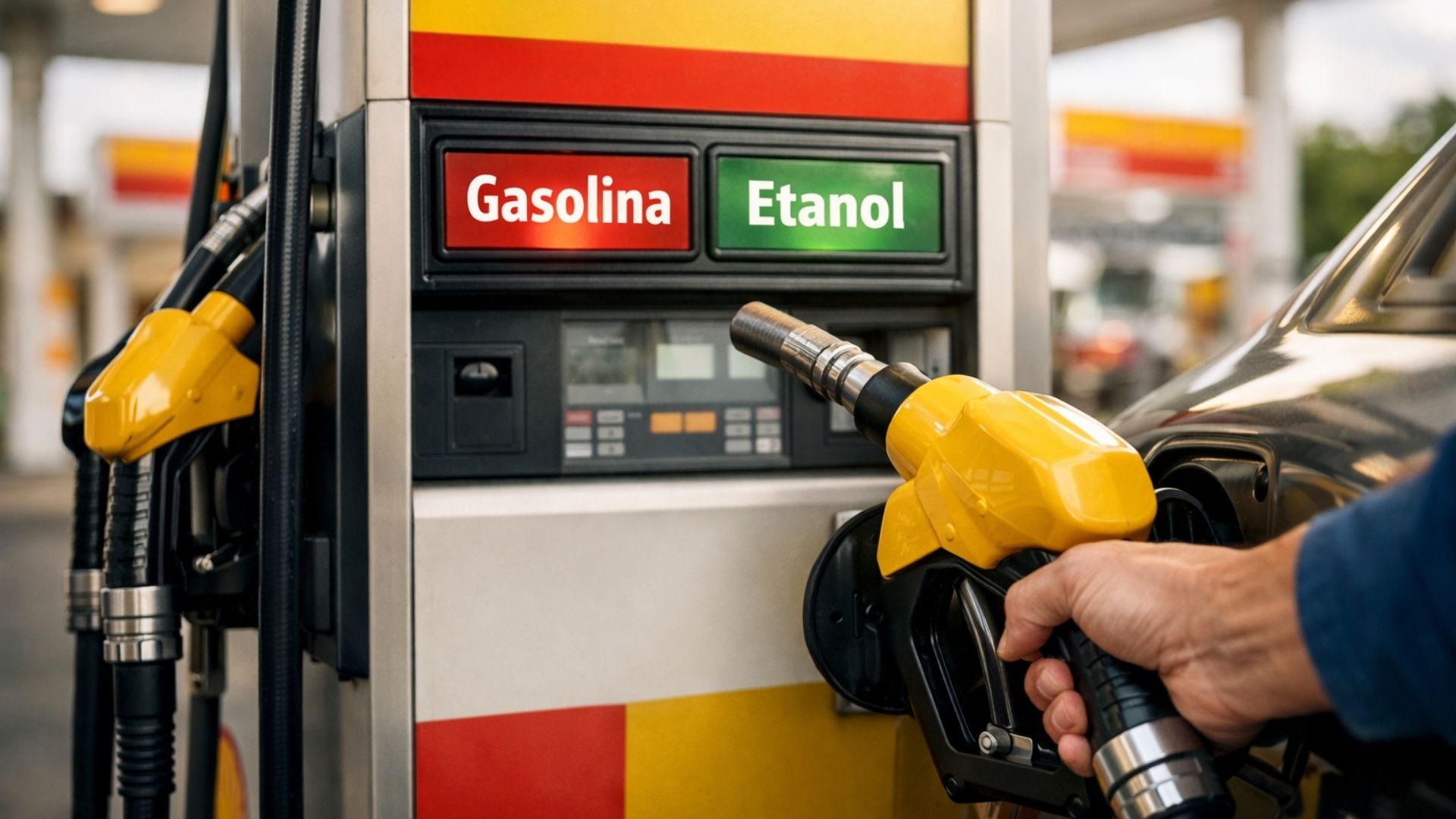
Gasoline prices soar and the question arises: is ethanol more advantageous? The 70% rule reveals the limit with gasoline.
-
The government has made a decision and is starting a test with more ethanol in gasoline, anticipating a mixture of up to 35%, diesel with 25% biodiesel, and a study to assess the impacts on engines.

The survey takes into account the total demand of the captive market, in which consumers buy energy directly from distributors, and the free market, which allows for supplier choice and contract negotiation. It does not include data from Roraima, a state not interconnected with the national electric system.
Values by Sector
The automotive and textile industries lead the largest declines in the free market. The textile segment recorded a decline of 49%. The vehicle sector showed a 65% drop in demand after the start of the quarantine.
The other sectors showed the following drop figures:
- Commerce: 16%;
- Non-Metallic Minerals: 23%;
- Manufactured Products: 34%;
- Services: 37%;
- Others: 8%;
Rio Grande do Sul was the state that showed the largest percentage decrease in energy consumption since the implementation of the quarantine, with a reduction of 30%. Among the three largest variations, Santa Catarina (22%), Mato Grosso do Sul (18%), and Paraná also with 18% appear.







Seja o primeiro a reagir!