





 English
  Francês
  Alemão
  Italiano
  Japonês
  Norueguês
  Portuguese
  Spanish
  3 min of reading


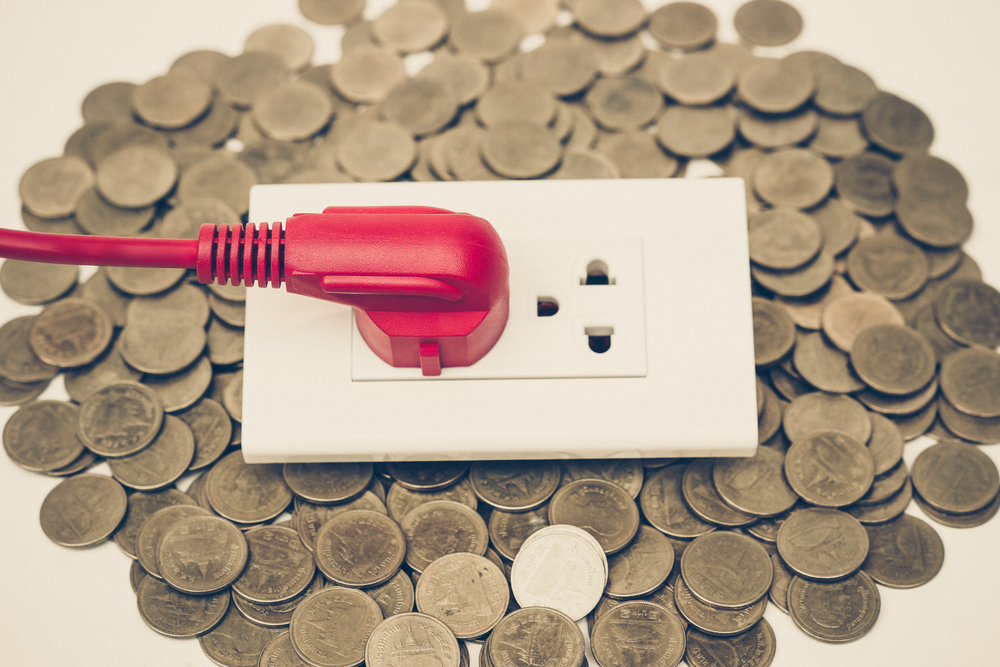
Electricity Bills Set to Rise by an Average of 19% Next Year. Most of the Increase is Due to the Drought, Which Has Raised Generation Costs
In 2021, electricity bills became one of the biggest villains for the finances of Brazilians. However, according to calculations from TR Soluções, a technology company specializing in energy tariffs, the expectation is for a new increase in 2022.
Also Check:
- Embraer Partners with U.S. Company to Develop Sustainable Fuels (SAF)
- Nissan Aims to Produce Cobalt-Free Electric Car Batteries to Reduce Production Costs by 65%
- Senai Opens 2,000 Slots in Free Technology and Computing Courses Online with Certificates at the End of the Program
The dry season has increased costs for electricity generation in Brazil. As a result, 12% of the 19% increase projected will come from the lack of rainfall. The country is experiencing the worst drought in the last 90 years.
As it was necessary to activate thermal plants to meet the population’s electricity demand, and the operation of these plants is more expensive, the National Electric Energy Agency (Aneel) determined the charging of an extra fee on electricity bills, known as the tariff flag.
-
Expansion of Federal Institutes: 38 new campuses and R$ 200 million for public education; see the cities included.

-
Lula’s government changes rule in important benefit and thousands of Brazilians will no longer receive it; see what has changed.
-
New Gripen fighter makes Argentines surrender to Brazil, and the heavy reaction exposes envy, frustration, and shock at Brazil’s technological leap.

-
This discovered deposit near the Andes could change the future of Argentina, attract billions, and even shake up the global metals market.

Forecast of Deficit in Accounts
According to Aneel, the revenue collected from tariff flags is not sufficient to cover the expenses – in September, the deficit was already R$9.87 billion. TR Soluções estimates that this deficit will increase to R$17.8 billion by 2022.
The survey from the technology company also indicated that the increase in electricity bills could exceed 30% in some regions of Brazil. However, TR Soluções did not detail which locations those would be.
Furthermore, the company’s average increase forecast may still fall short of reality. The newspaper “O Estado de S.Paulo” obtained access to internal Aneel documents that predict an average increase of 21.04% in electricity bills in 2022.
This year, the accumulated adjustment for residential electricity bills reached 7%.
Why the Increases Are Still Not Enough
The loss on the tariff flags began in 2021. With the pandemic, Aneel suspended the charging of extra fees as an emergency measure to reduce consumer spending. Thus, at the beginning of the year, the deficit was already R$ 3.1 billion.
During this year, Aneel made an adjustment to the fees for the yellow, red level 1, and red level 2 flags, raising them.
The red flag level 2, which was in effect, increased by 52%. However, at that time, Aneel’s technical area reported that the adjustment was not sufficient. In other words, even adjusted, the fee could not cover the extra generation costs.
In August, the National Agency created a new flag called water scarcity. The fee charged is even higher, at R$ 14.20 per 100 kWh consumed. Currently, this is the rate in effect, representing an increase of 49.6% compared to the previous R$ 9.49 per 100 kWh.
The regulation director of TR Soluções, Helder Souza, stated that the adjustment helped recover the accounts, but it is still not enough.
“The deficit started back in [2020], because the flag was not applied. Later, the figures should have undergone a larger adjustment. From the beginning, Aneel’s technical area said the value needed to be R$ 15 per 100 kWh to cover costs, but the board decided to approve a lower amount,” said Helder.
The uncovered costs are absorbed by the distributors but will eventually reach consumers.
How the Adjustment is Applied to Electricity Bills
Aneel reviews the electricity tariffs for each concessionaire annually. To calculate, the company takes into account operational costs and the necessary investments for the service’s operation.
Each concession contract has a predetermined date for adjustments. Therefore, adjustments do not occur uniformly and simultaneously across the country. In Rio de Janeiro, for example, in 2021, the increase happened in March. In São Paulo, the adjustment was set for June.







Seja o primeiro a reagir!