Portuguese
  Spanish



Aviation Companies Share Environmental Goals, Such as Achieving Net Zero CO2 Emissions on Flights by 2050 Using Renewable Fuels
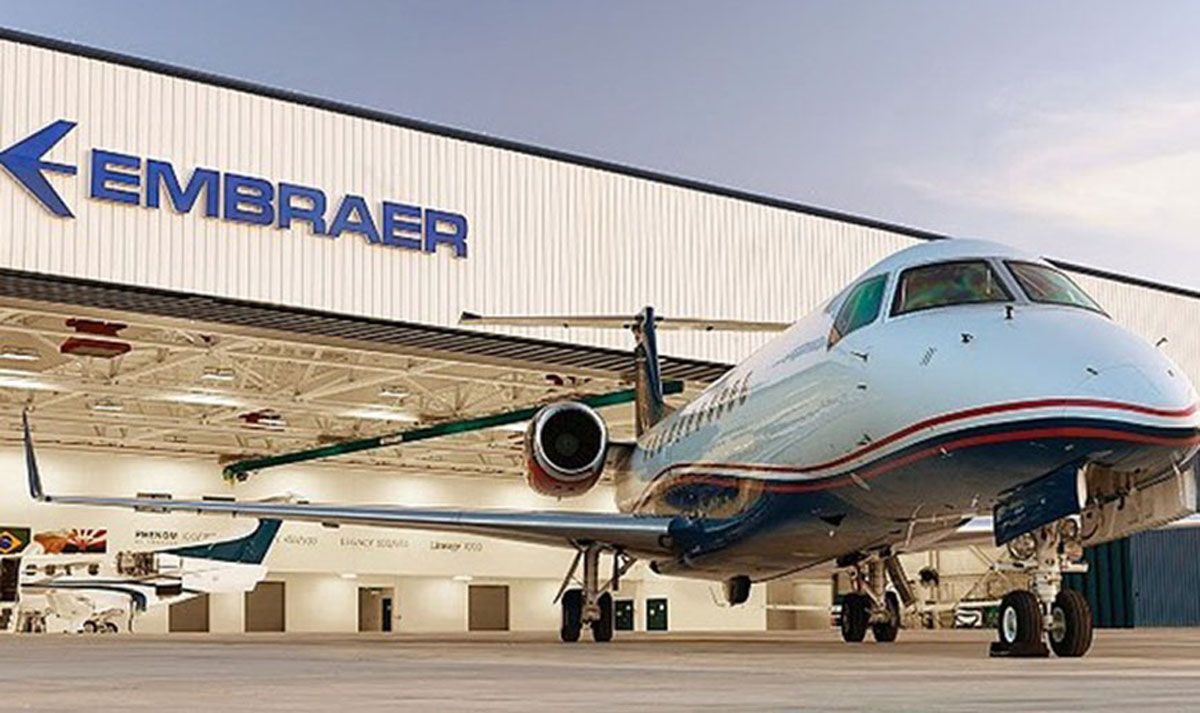
Embraer announced on Tuesday, November 30, that it has signed a partnership agreement with the American company Pratt & Whitney to collaborate on studies for the development of 100% Sustainable Aviation Fuel (SAF). Technical teams from both companies will work together to outline an integrated plan for ground and flight testing using only sustainable fuel in an Embraer E195-E2 aircraft, which features GTF engines.
See Also the News Below:
- Nissan Aims to Produce Cobalt-Free Electric Car Battery to Reduce Production Costs by 65%
- Senai Opens 2,000 Slots in Free Technology and Computing Courses in EAD Mode with Certificates at the End of the Program
- New Inexpensive Organic Battery That Won’t Catch Fire or Explode Promises to Revolutionize Renewable and Sustainable Energy Worldwide
This initiative demonstrates the shared commitment of Embraer and Pratt & Whitney to support the environmental goals of the aviation industry, including the aim of achieving net zero CO2 emissions on flights over the next 30 years.
In addition to improving aircraft and engine efficiency, biofuel plays an important role in decarbonizing air travel by reducing dependence on fossil fuels.
-
Fired during apartheid and with a little borrowed money, an electrician started with a borrowed truck and transformed electrical services into a group connected to energy, real estate, and infrastructure in South Africa.

-
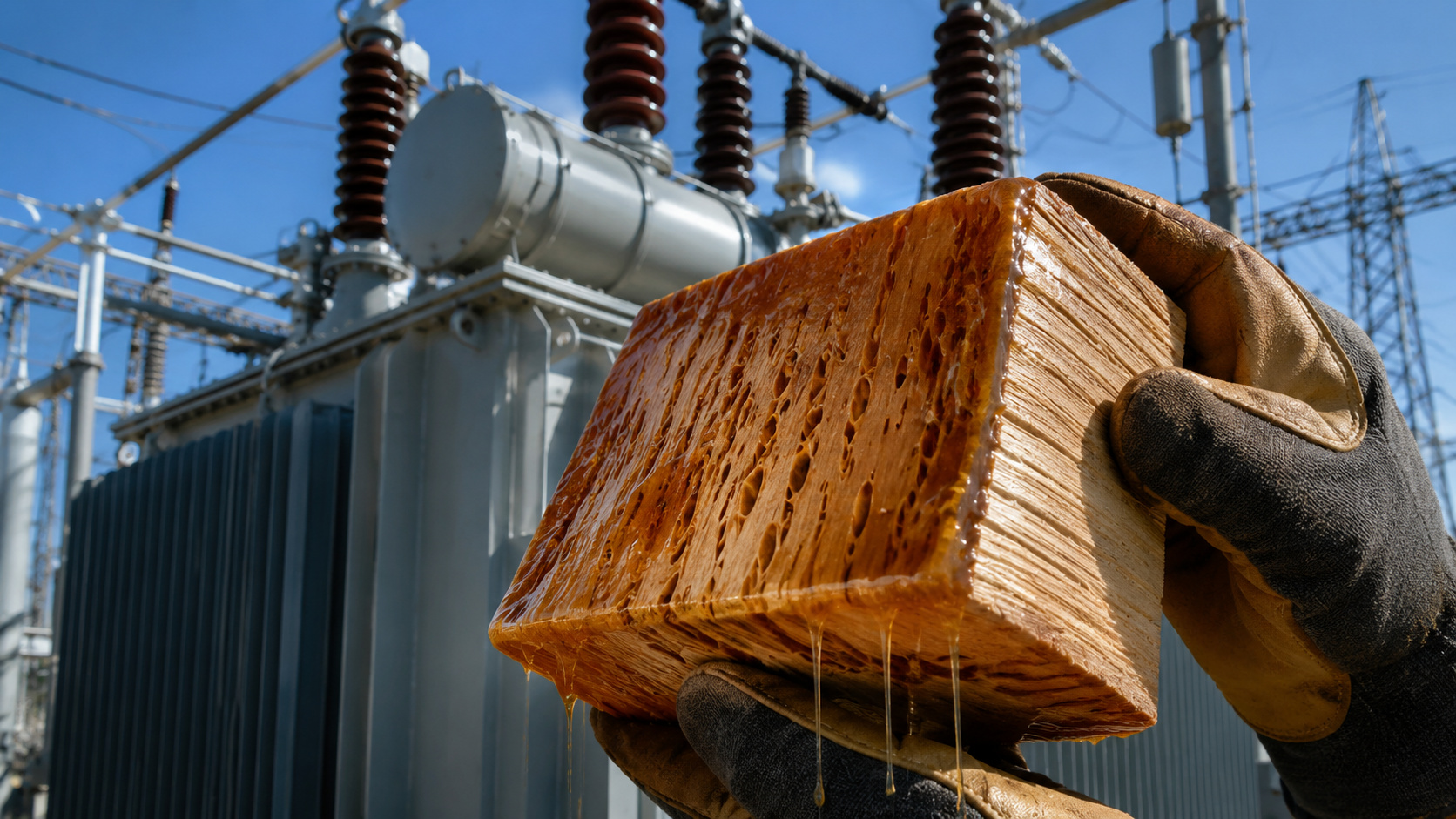
Wood has ceased to be just a construction material in Yale research and has become insulation for electrical transformers that face intense heat, aging, and increasing pressure from the renewable energy-powered grid.
-
More than 1,000 residents of a remote island in Kiribati now have clean water and electricity with solar systems operated by the community itself.
-
Corn ethanol attracts R$ 23 billion in 21 new plants and prepares for a nearly 50% jump in Brazilian production by 2027, even with high interest rates.




To produce sustainable aviation fuel, renewable raw materials such as used cooking oil or urban waste are used. This leads to a reduction of lifecycle CO2 emissions by up to 80% compared to traditional aviation fossil fuel.
Currently, aircraft can operate with blends of 50% biofuel and kerosene, according to technical standards set by ASTM International. Aircraft manufacturers (OEMs), fuel suppliers, and regulators are already conducting studies that will allow new standards to certify the operation of aircraft using 100% renewable fuel, as stated in a press release.
Arjan Meijer, President and CEO of Embraer Commercial Aviation, stated that “Embraer has a recognized history of innovation in sustainable fuels, which includes the first aircraft certified to operate on ethanol in 2004, and collaboration is an essential prerequisite for our industry to achieve our environmental goals.”
About Pratt & Whitney
Founded in 1925, Pratt & Whitney is an American company pioneer in the aviation engine sector. It was responsible for the manufacture of the world’s first air-cooled engine.
About Embraer
Embraer S.A is a large Brazilian multinational corporation that manufactures various types of aircraft, such as commercial, executive, agricultural, and military, as well as aerospace parts, services, and support.
.