






 Portuguese
  Spanish


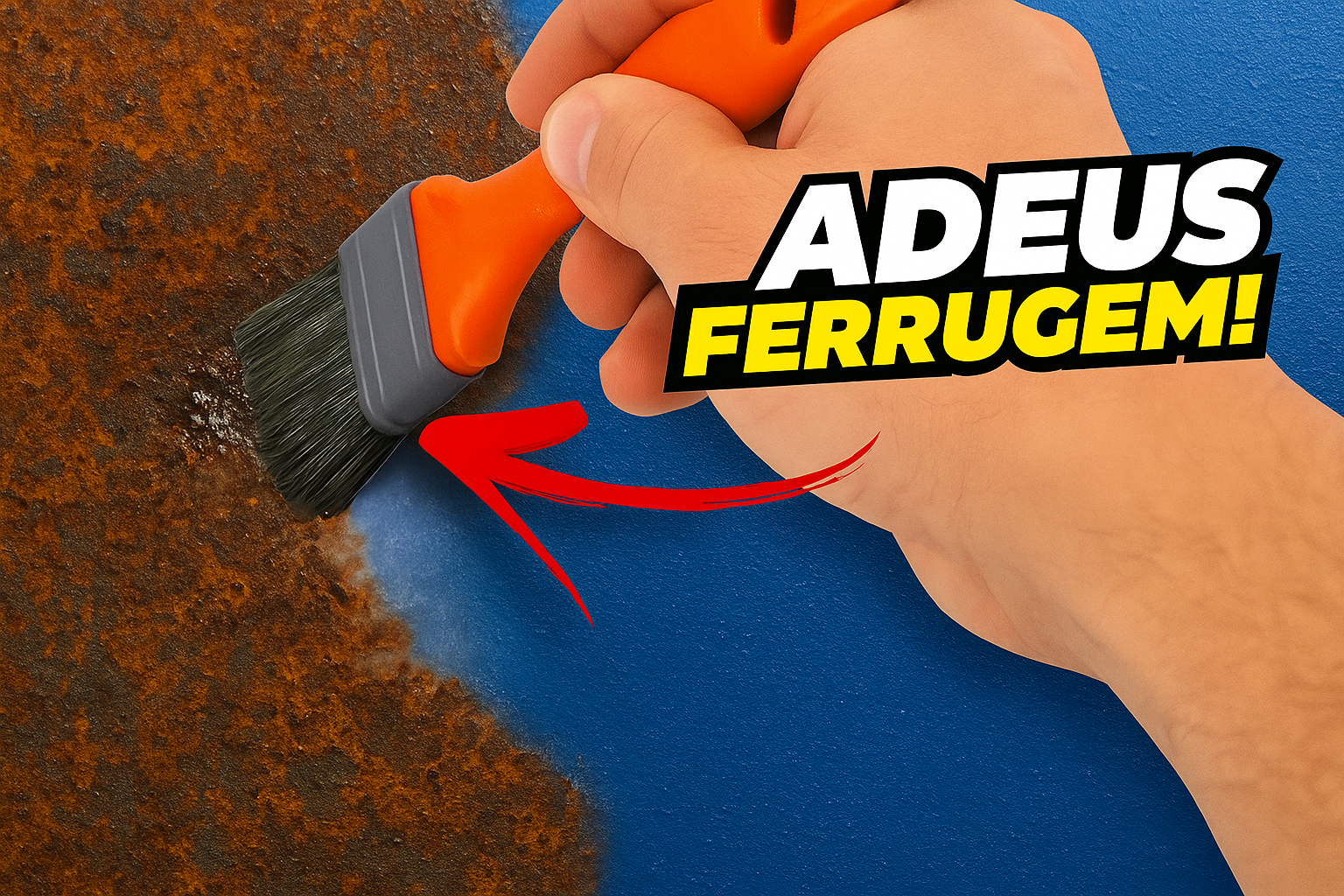

New Double Layer Coating Reaches 99.6% Efficacy Against Rust and Promises to Revolutionize the Durability of Iron Structures
A new coating developed by researchers promises to change the way iron is protected against corrosion. With a double barrier, the material achieved 99.6% efficacy against rust, even in extreme conditions.
The discovery could represent a significant leap for sectors such as construction, transportation, and manufacturing.
The Challenge of Rust
Iron is one of the main materials used in infrastructure works, present in bridges, buildings, and pipelines.
-
China Overhauls Universities, Cuts 12,200 Outdated Courses to Focus on AI, Robotics, and Chips as 12.7 Million Young People Enter Workforce

-
Goodbye Wireless Earbuds: Gen Z Brings Back Wired Headphones as a Trend in 2026

-
Living Robots Made from Human Cells Crawl on Their Own in Lab, Help Heal Neuron “Wounds” and Turn Human Tissue into Microscopic Biological Machines
-
Xlinks Project to Lay 3,800 Kilometers of Cable Across the Atlantic to Export Solar Energy from Morocco Directly to UK Outlets Without Using a Single Turbine


But its vulnerability to rust leads to enormous losses. Exposure to air and moisture triggers corrosion, which compromises the material’s strength, raises safety risks, and incurs high maintenance costs.
Current solutions, such as paints and coatings, do not provide lasting protection. Many of these materials end up breaking down over time, requiring constant reapplications and resulting in ongoing expenses.
Double Layer with Chemical and Physical Protection
The team from the Hebrew University of Jerusalem created a solution based on two layers: a molecular primer and a durable polymer coating.
The project is led by Professor Elad Gross, who highlighted the strength of the chemical bond between the primer and iron as a differential of the product.
According to Gross, the primer is made with N-heterocyclic carbene (NHC), a compound that binds directly to iron in a very stable manner. This chemical base allows the second layer, a robust polymer, to adhere in a more durable way.
The result is a protective barrier that is virtually unbreakable, even under intense exposure to saltwater – one of the most corrosive environments for metals.
In tests, the coating performed well under these extreme conditions, maintaining its efficacy over time.
Industrial and Economic Impact
The new coating could significantly reduce the need for maintenance on iron structures.
Bridges, ships, pipelines, and other critical structures could have their lifespan extended, with lower repair costs.
The researchers also highlighted the environmental benefit. With less need for replacement of corroded parts, material consumption would be lower, contributing to a more sustainable production chain.
A recent report shows that the corrosion inhibitors market already generates about US$ 8.93 billion annually. The forecast is for an average growth of 3.6% between 2025 and 2030, indicating a continuous demand for durable solutions.
New Ways of Measurement
Another advancement related to iron protection came from the Indian Institute of Technology (IIT) in Bombay. Researchers developed a new technique to measure coating degradation more accurately.
The combination of potentiometry based on hydrogen permeation and electrochemical impedance spectroscopy allows for precise identification of where the coating begins to deteriorate.
This technique can help in the evaluation of products like the new coating developed in Jerusalem, enabling more precise monitoring of its performance over time.
The findings on the new coating were published in the journal Angewandte Chemie International Edition, one of the leading scientific journals in the field. The publication reinforces the study’s relevance and paves the way for industrial adoption.
This advancement could represent a new era in the protection of iron structures, with less rust, less maintenance, and greater durability.


