





 Portuguese
  English
  Spanish
 5 min of reading
  0 comments


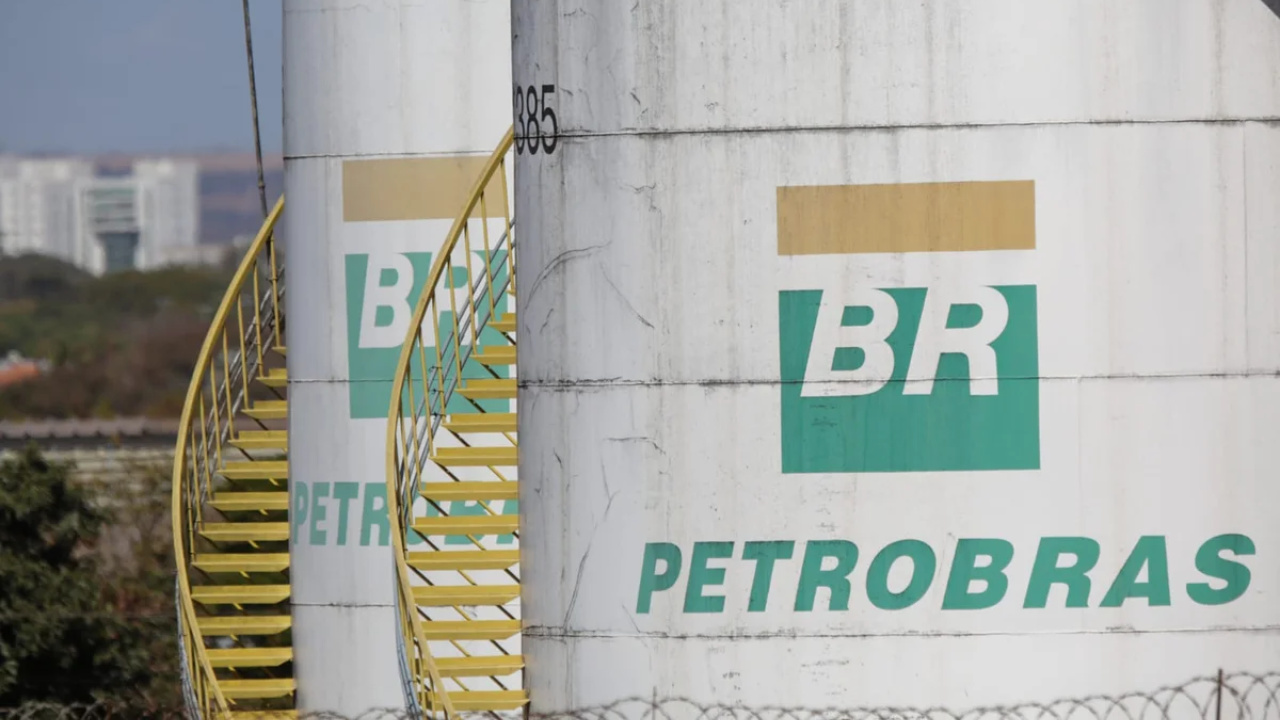
COP30 Registers Record Number Of Representatives Linked To Oil. Lobbyists Circulate While Traditional Peoples Protest Against Exploration In The Amazon. Pressures For Transparency Grow.
The COP30, held in Belém, became a battleground between the interests of the oil industry and the demands of traditional peoples and environmental organizations. For the first time, more than 1,600 lobbyists linked to fossil fuels were accredited for the conference — a historic record that surpasses the size of the official delegations of all countries, except for Brazil, the host of the event and responsible for 3,805 registered participants.
This significant volume means that one in every 25 participants at COP30 is directly associated with the interests of the fossil fuel industry. The number was highlighted by a survey from the global coalition Kick Big Polluters Out, made up of more than 450 organizations that monitor the presence of the sector at UN climate conferences.
Protests Grow While Oil Exploration Advances In The Amazon
While lobbyists circulated through the conference halls, the blue zone — an area restricted to accredited individuals — was taken over by a protest against oil exploration in the Amazon. On Thursday, November 13, activists raised a large banner reading “Amazon Free From Oil And Gas.”
-
The rise in oil prices could ensure an extra revenue of R$ 100 billion for the Federal Government, indicates a recent economic study.

-
Naturgy begins an investment of R$ 1.6 million to expand the gas network in Niterói and benefit thousands of new residences and businesses.
-
A major turn in the Justice system suspends tax increases and directly impacts oil and gas companies in Brazil by affecting costs, contracts, and financial planning, leaving uncertain what could happen to the sector if these costs had increased.

-
Brava Energia begins drilling in Papa-Terra and Atlanta and could change the game by reducing costs in oil while increasing production and strengthening competitiveness in the offshore market.

Among the demonstrators was chief Jonas Mura from the Gavião Real village in Amazonas. He criticized the timing of the environmental license granted to Petrobras, which will allow the drilling of a test well 175 kilometers from the coast of Amapá.
“We expected the COP to be a response for us, but not in the way it was. If there is a COP in Brazil, it should provide a favorable response to Indigenous peoples, but they brought this bad news of oil exploration at the mouth of the Amazon,” he said.
The area in question is extremely sensitive. It is home to dozens of Indigenous communities, quilombolas, riverside dwellers, and artisanal fishermen. Additionally, it concentrates the largest mangrove corridor on the planet and coral reefs that are still little studied — a rare and vulnerable ecosystem.
Petrobras And International Oil Companies Among Those Registered For The Conference
The participation of oil companies is not limited to international lobbyists. According to a survey by Pública, 11 employees from Petrobras were registered as guests of the host country. Five other names appear as party overflow from the Brazilian delegation, a status that allows access to the behind-the-scenes of diplomatic negotiations.
The majority hold management, directorial, or strategic positions, including communications — one of them is specifically registered as part of the “crisis communication coordination.” However, the president of Petrobras, Magda Chambriard, does not appear on the list of accredited individuals.
If summed up, the representatives of the fossil fuel industry who entered as party overflow total 599, according to Kick Big Polluters Out. Among them, there are employees from Equinor Brasil in the Norwegian delegation and two other names accredited as “CNPC Brasil” in the Chinese delegation.
CNPC Brasil, a subsidiary of the China National Petroleum Corporation, is part of consortia that acquired exploratory blocks at the mouth of the Amazon during the auction by the National Agency of Petroleum (ANP) in June. In the same round, Chevron Brasil and CNPC Brasil won 10 blocks, while Petrobras and ExxonMobil secured another ten. Exxon also managed to get two accredited members in the Brazilian delegation.
Brazilian Contradiction: Climate Leader And At The Same Time Driver Of Oil
The increase in the presence of lobbyists occurs precisely as countries discuss creating a “roadmap” to reduce global dependence on fossil fuels. The proposal, presented by President Lula during the Climate Summit and reinforced at the opening of COP30, received support from various international leaders.
However, social movements point out contradictions. During the protest, Stela Herschmann from the Climate Observatory highlighted a national paradox: “Brazil is a country full of contradictions,” she said.
She emphasized that the country, while simultaneously reducing deforestation and promoting ambitious energy transition goals, authorizes oil exploration in highly sensitive new frontiers. According to Herschmann, Block 59, where Petrobras received a license to drill, “is just the beginning.” There are almost 200 blocks at the mouth of the Amazon under review, she said.
Representatives of traditional peoples reinforced that the development model based on fossil fuels no longer serves the country. “I want to send a message to the world. We, who are in the territory and communities, are against exploration. This is not the development model we want for our country. This is a failed model,” said quilombola Bianca Barbosa from Marajó.
The act attracted diplomats from various countries, who followed and recorded the speeches. Among them was Chumpi Washikiat, an Achuar Indigenous person from Ecuador, a country that has been experiencing intense advancement of the oil sector in Indigenous areas for decades.
“Exploration has brought no development. The only thing it has brought is negative impacts, diseases, misery, roads that destroy the entire ecosystem,” he said.
COP30, Transparency And The Criticism Of The Hidden Presence Of The Fossil Industry
COP30 earned the nickname “COP of Truth,” a term used by Lula to highlight the importance of combating misinformation and strengthening the role of science in the climate debate. However, according to international organizations, this edition also exposed weaknesses in the control of conflicts of interest.
Japan accredited 33 representatives from the fossil fuel industry, while France included 22. And this is just the officially recognized portion.
Brice Böhmer from Transparency International questioned the massive presence of lobbyists:
“COP30 is supposed to be the ‘COP of Truth,’ but more than 1,500 lobbyists continue to insert themselves into national delegations. And more than half of them concealed their affiliation,” he said.
Despite this being the first year that non-diplomatic participants could disclose who financed their presence, 54% of representatives from the fossil sector omitted this data or marked generic categories like “guest” or “other.”
Böhmer advocated for a reformulation of the rules:
“If COP30 is indeed the COP of Truth, the Presidency and the UNFCCC Secretariat must now commit to revising and strengthening the rules for participant disclosure before future summits: it’s time to ensure integrity and accountability to restore trust.”
Transparency International and other organizations advocate that representatives from the oil sector should not integrate national delegations and, moreover, should be prohibited from directly influencing climate negotiations. For these organizations, the presence of lobbyists jeopardizes the credibility of the process and reinforces the need to separate emitting companies from entities responsible for reducing emissions.
Global Movement Demands Changes In Light Of The Political Power Of Oil
As dependence on fossil fuels becomes the main point of debate at COP30, the record presence of representatives from the sector intensifies pressure on countries and negotiators. This political force, evidenced by unprecedented numbers, raises questions about the conference’s ability to advance truly effective agreements to curb global warming.
Even with Brazil positioning itself as a climate leader, the authorization for new oil exploration projects in the Amazon opens debates on coherence and political responsibility. Activists, traditional peoples, and international organizations are unanimous in demanding greater transparency, less corporate influence, and clearer commitments to a low-carbon future.








Seja o primeiro a reagir!