





 Portuguese
  English
  Spanish
  3 min of reading


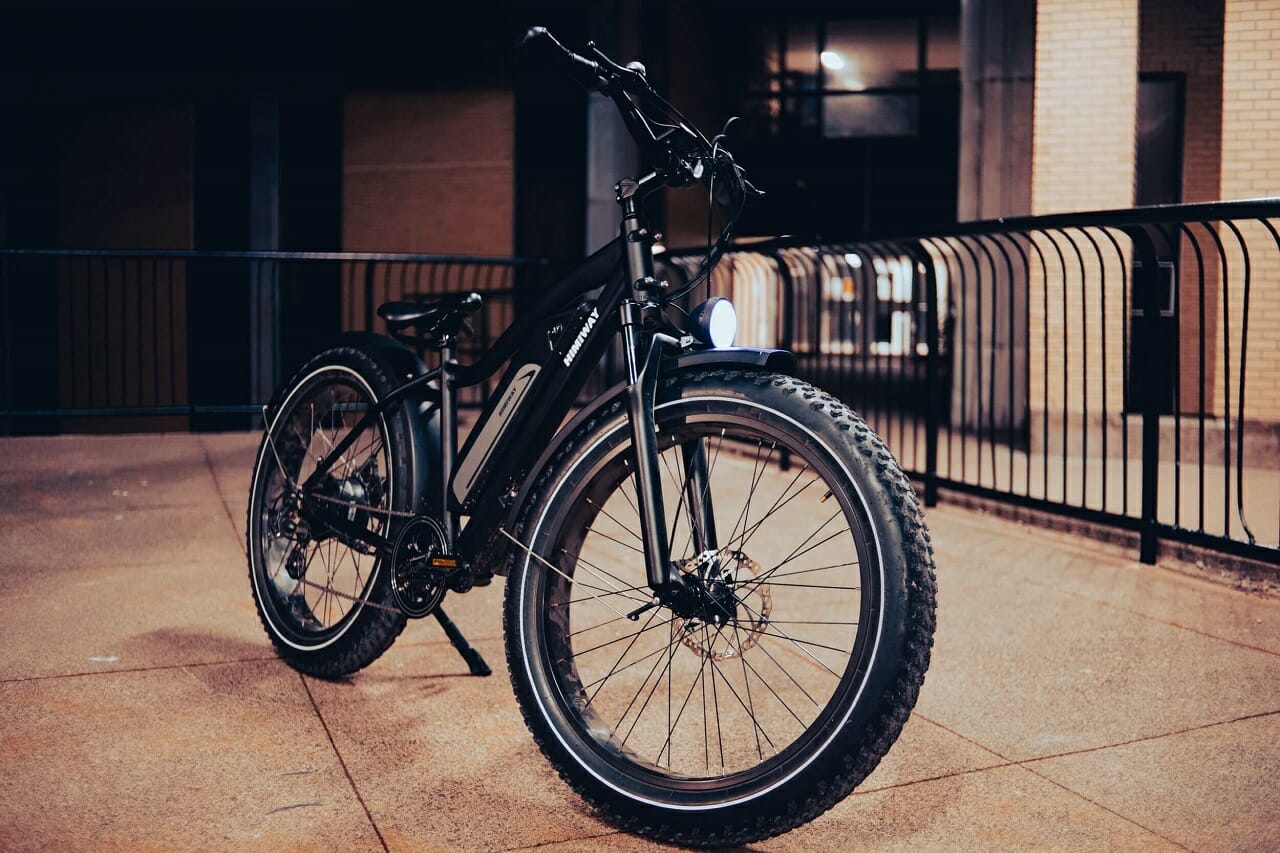
Contran Discloses New Regulations for Electric Bicycles in Brazil. Brazilian Urban Mobility Will Become Even Safer.
The National Traffic Council (Contran) brings a significant leap to Brazilian urban mobility with its new regulations for electric bicycles. The measure, approved last week, clarifies issues that were previously undefined and opens a promising path for sustainable urban mobility in Brazil.
Contran Regulations Will Bring New Vehicle Classifications
Among the main changes for the electric bicycle sector, the resolution determines the mandatory equipment to ensure the safety of the rider. These include a speedometer, front night lighting, a bell, side lights, and rearview mirrors.
Additionally, the electric bicycle system must be activated only when the rider is pedaling. The resolution also updates the classification of certain vehicles.
-
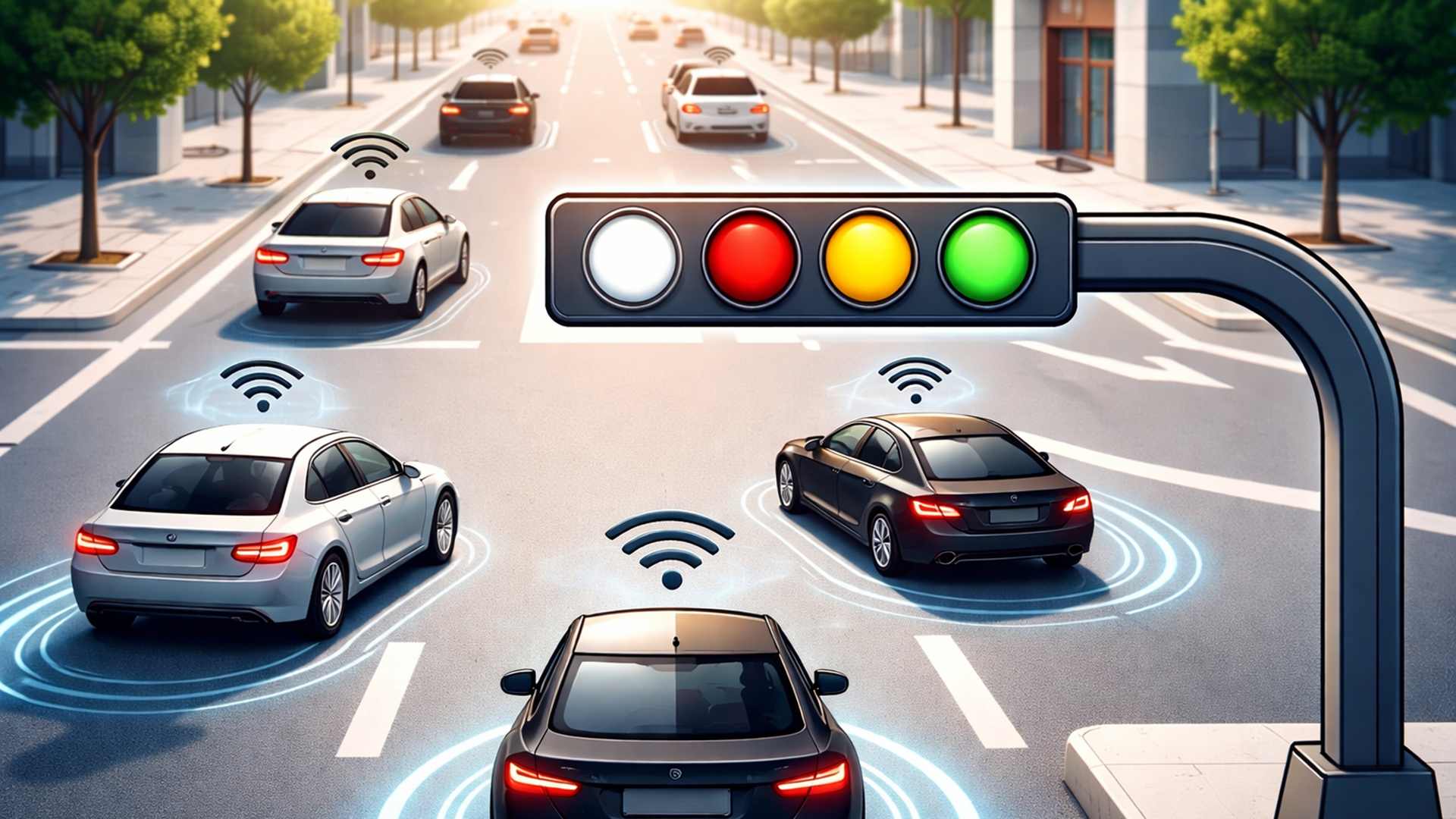
Engineers propose a fourth traffic light for intersections – the change promises to affect crossings, queues, and waiting times.
-
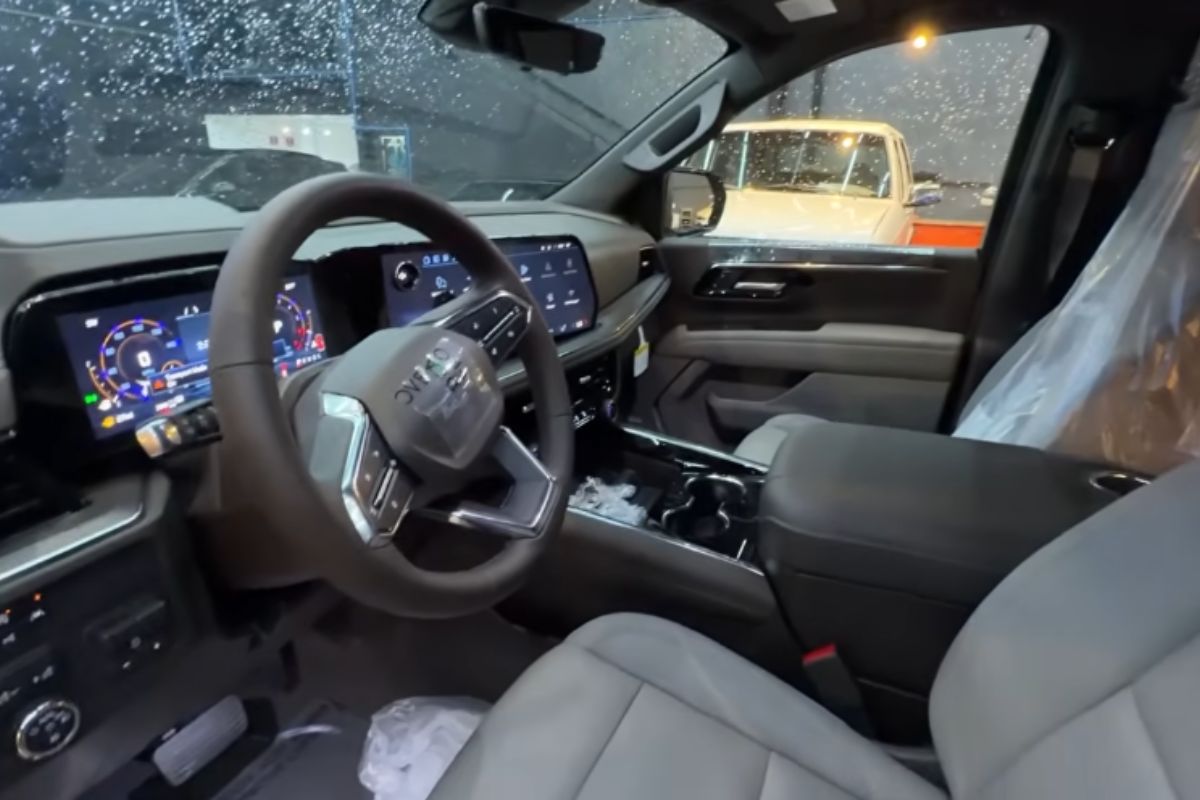
Chevrolet Suburban Z71 lands in Brazil with a V8 engine, off-road design, air suspension, seven seats, and colossal size, a rare version imported for around R$ 1.3 million with luxury and exclusivity.
-
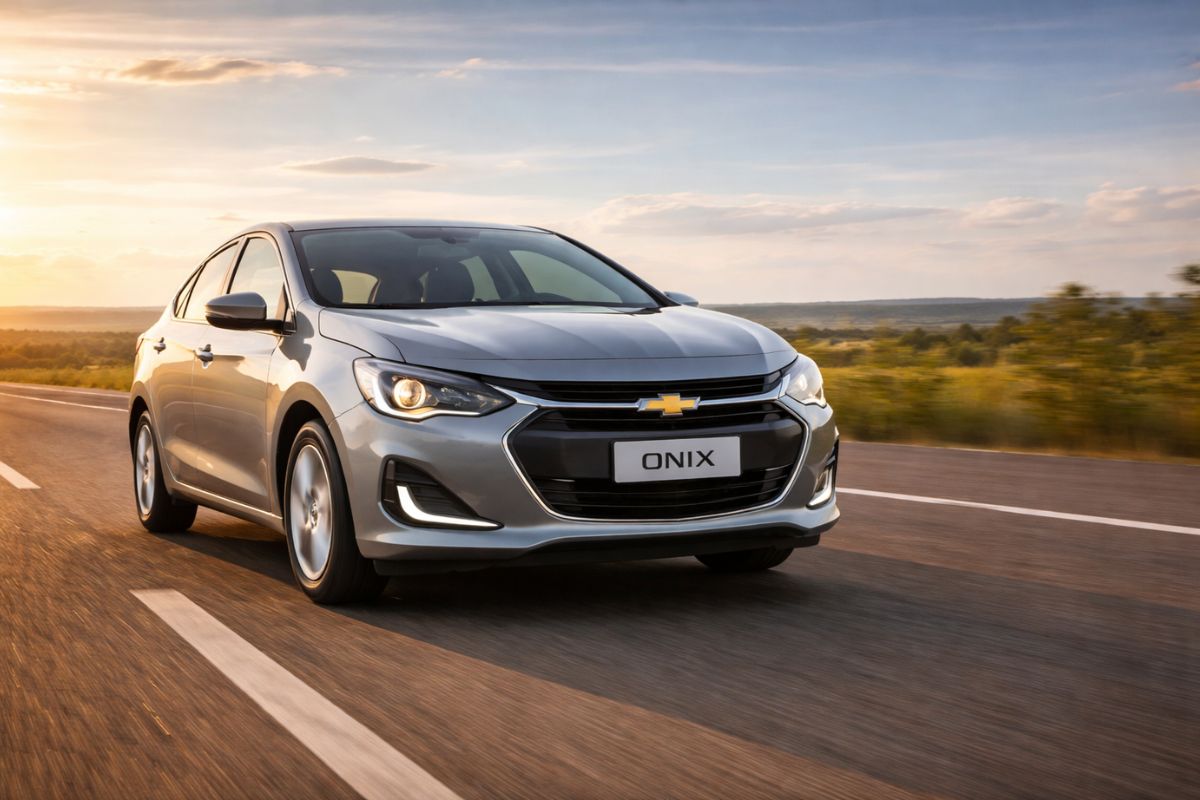
The Chevrolet Onix 1.0 turbo achieves 17.7 km per liter on the highway and ranks among the three most economical cars in Brazil in 2026, alongside two more expensive Toyota hybrids available at dealerships.
-
Little sister of the Hilux: Toyota launches Land Cruiser FJ with 4 radical versions, 2.7 engine with 166 hp and 4×4 traction with locking.

Bicycles that reach up to 50 km/h, with two or three wheels and an engine up to 50 cm³, will be classified as mopeds. Electric bicycles, in turn, fit into this new landscape, with clear and specific rules promising to improve the protection of cyclists and pedestrians.
The Contran emphasizes that local traffic authorities will be responsible for monitoring and ensuring compliance with the new urban mobility rules. This measure focuses on ensuring that the regulations are respected and that citizen safety is prioritized.
The new Contran regulation for electric bicycles will come into effect on July 1, 2023. Models sold that do not yet have a code, version, or model necessary for registration and licensing with traffic departments will have until December 31 of this year to adapt to the new rules.
Find Out What the Resolution Defines for Electric Bicycles
This change in the rules represents a crucial milestone for urban mobility in the country. With the inclusion of electric bicycles in traffic laws, the expectation is not only to generate greater safety for users but also to provide a significant boost for the use of more sustainable and efficient forms of transportation. This consolidates the country’s commitment to promoting a more sustainable and conscious transportation future.
Bicycles, hoverboards, scooters, skateboards, and electric unicycles can circulate on sidewalks and bike lanes, provided they respect the limits normally set by the municipalities of each city. This measure is already in effect. Mopeds, which can reach 50 km/h, may only travel on the street if they have a license plate and registration, and the rider needs specific licensing. The deadline for licensing and habilitation is until the end of 2025.
What Driver’s License Will Contran Require for Electric Bicycles?
According to the new measures, those operating a moped, also known as a scooter, must possess a category A driver’s license or a specific authorization for this type of vehicle. This service is already offered by the DMV.
The moped is one that has a maximum power of 4 kW, with a maximum speed that does not exceed 50 km/h with an accelerator. Owners must ensure the inclusion of the vehicles with the RENAVAM starting from November 1, 2023, and the deadline is until December 31, 2025.
Electric bicycles are authorized to circulate on sidewalks and bike lanes as long as they are within the maximum speed limits set by the municipalities.
The new urban mobility rules from Contran state that electric bicycles with pedal assist must have a maximum speed of up to 32 km/h. In Rio de Janeiro, for example, bicycles are not allowed to exceed 20 km/h when riding on bike lanes.









Seja o primeiro a reagir!