





 Portuguese
  English
  Spanish
  3 min of reading
  3 comments





What Happens When You Turn 55 and Contribute for 15 Years to the INSS? Contribution to the INSS Ensures Different Retirement Options After the Social Security Reform of 2019.
Retirement in Brazil has changed significantly since the 2019 reform, and these changes directly impact those planning for their financial future. Those who are 55 years old and have 15 years of contributions to the INSS need to understand the current rules, the calculations involved, and their available rights.
According to information from the Market Monitor, it is essential to understand the criteria to avoid losing deadlines and ensure access to benefits. The INSS defines different retirement modalities, and the correct choice can make a difference in the final amount received.
Who Is Entitled at 55 Years Old with 15 Years of Contributions to the INSS?
The legislation establishes requirements combining minimum age and time of contribution to the INSS. For men, the general rule is 65 years of age and 20 years of contributions. For women, the requirement is 62 years of age and 15 years of contributions.
-
Elderly individuals aged 65 or older who have never contributed to the INSS can receive R$ 1,621 per month in 2026 without having paid any contributions in their lifetime: learn how the benefit works that already supports nearly 7 million Brazilians.

-
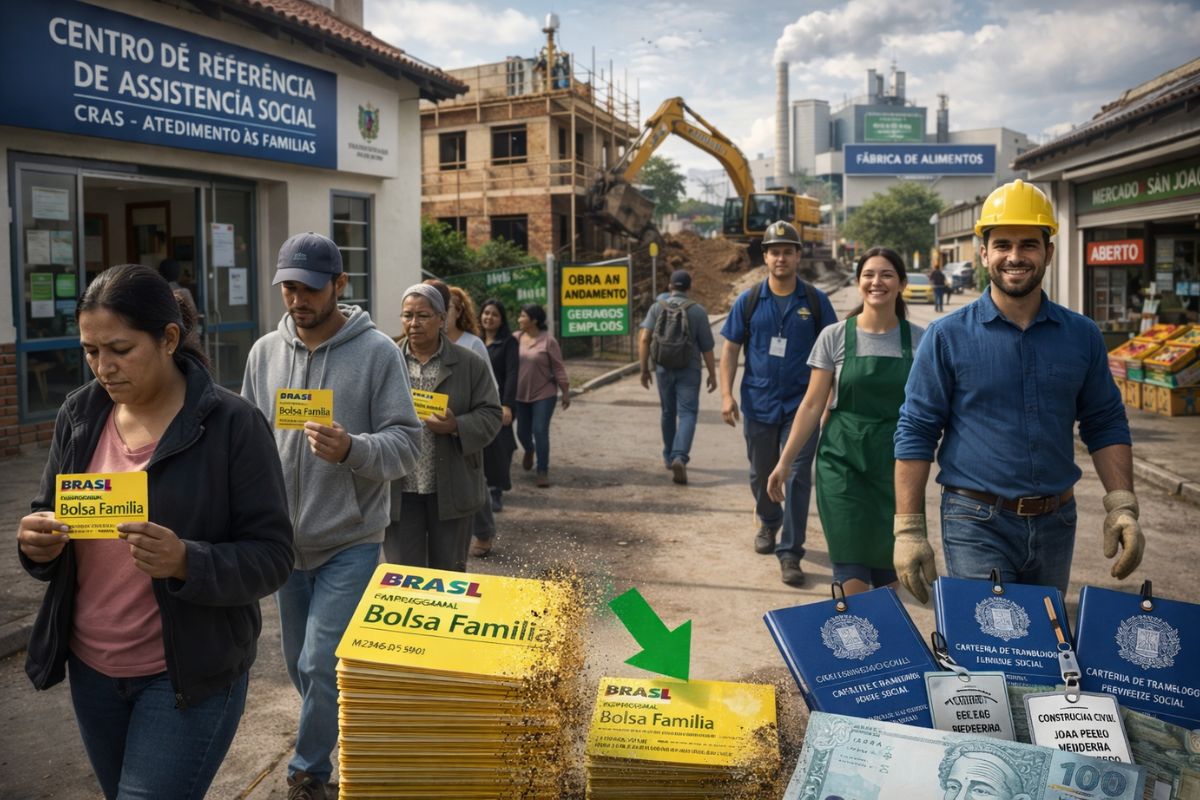
The gaucho city reduced the number of Bolsa Família beneficiaries by almost 40% in just a year and a half with active outreach that connects each registered person directly to job vacancies in Bento Gonçalves in Rio Grande do Sul.
-
The bluest city in Brazil has just gained a new floating bridge for the free crossing between the island and the mainland, connecting residents and visitors to the historic center of São Francisco do Sul every day of the week.

-
In a silent race, Shopee signs a mega contract in Guarulhos and accelerates the e-commerce war with faster deliveries, pressured shipping, and a new threat to rivals in Brazil.

In the case of those who are already 55 years old and have 15 years of contributions, it is still not possible to request immediate retirement under the general regime. They will need to wait for the minimum age, except in cases of transitional rules or hazardous activities that allow for special retirement.
What Is the Difference Between Special Retirement and Retirement by Length of Contribution?
Special retirement benefits workers exposed to harmful agents, such as chemical, physical, or biological agents, reducing the time required for contributions to the INSS. Regular retirement follows the general rules of the reform, requiring minimum age and contribution period.
To prove eligibility for special retirement, it is mandatory to present documents such as the Benefits Profile (PPP). Professionals in areas such as mining, chemical industry, and construction are among the most benefited.
How Much Does the Worker Receive Upon Meeting the Requirements?
The benefit calculation is based on the average of all contribution salaries to the INSS. In the case of special retirement, the amount corresponds to 100% of the average, without the actuarial factor, which usually results in a higher benefit.
For regular retirement, the calculation may apply reductions depending on age and contribution time. Planning ahead, simulating the amount on the Meu INSS portal, is essential to avoid surprises.
Why Is It Important to Plan Before Turning 55?
Retirement planning is crucial for those contributing to the INSS. Gathering documents, monitoring changes in the rules, and using the official simulator are practices that help ensure your rights.
Furthermore, those who started contributing later may need to increase their years of contributions or complement with voluntary contributions. Consulting specialists and keeping data updated with the INSS can prevent denials and delays in benefits.
Is It Worth Continuing to Contribute After 55?
Yes. Maintaining contributions to the INSS ensures access to future retirement, pensions, and assistance in case of disability. Even if there is still time left to reach the minimum age, each month counts to increase the salary average and strengthen social security protection.
The decision to continue contributing should also consider other indirect benefits, such as access to sickness benefits and maternity salary, which depend on maintaining insured status.
At 55 years old, with 15 years of contributions to the INSS, it is still not possible to retire under the general rule. However, understanding the available modalities, such as special retirement and retirement by length of contribution, helps plan for a better future.
And you, have you calculated your retirement? Do you believe that the new contribution rules for the INSS help or hinder Brazilian workers? Leave your opinion in the comments; we want to hear from those living this reality.









Ainda tem gente que glorifica esse **** do Bolsonaro esse vermes foi quem aprovou essa **** reforma da previdência.
Essa noa regra deveria valer apena para quem começou a trabalhar após a reforma, penso que pra quem começou antes dessa data deveria ser direito adquirido, mas infelizmente no Brasil, quem sempre se lasca é o povo!
Essa modalidade e uma **** a pessoa trabalha tanto ,tem tanto desconto quando precisa de se aposentar tem um monte de empecilho misericórdia