





 English
  Francês
  Alemão
  Italiano
  Japonês
  Norueguês
  Portuguese
  Spanish
  3 min of reading



COP 26 Concluded in November, and Its Final Report Brought Advances and Disappointments, Along with New Challenges. Check the Main Points Here.
The United Nations Climate Change Conference 2021 (COP 26) concluded, bringing new goals and enabling various countries, including Brazil, to celebrate multilateral treaties regarding both the reduction of fossil fuel use and the increase of initiatives in favor of alternative energies.
It is worth highlighting that there were significant advances in commitments to reduce the use of fossil fuels such as oil and coal, along with the need to transition this energy matrix to renewable energies, with less impact on the amount of carbon released into the atmosphere.
- While COP26 was taking place, Toyota President Akio Toyoda was planning the brand’s rise in the hydrogen car market
- Swedish multinational, in partnership with Volkswagen, develops the first 100% recycled nickel, manganese, and cobalt battery, aimed at ‘saving’ the major ghost of electric cars worldwide
- Eneva closes partnership with Servtec to invest in a LNG terminal, and the Maranhão industrial sector may also benefit from the use of natural gas
In this regard, it is important to celebrate the fact that around 40 countries signed a commitment to eliminate the use of coal.
-
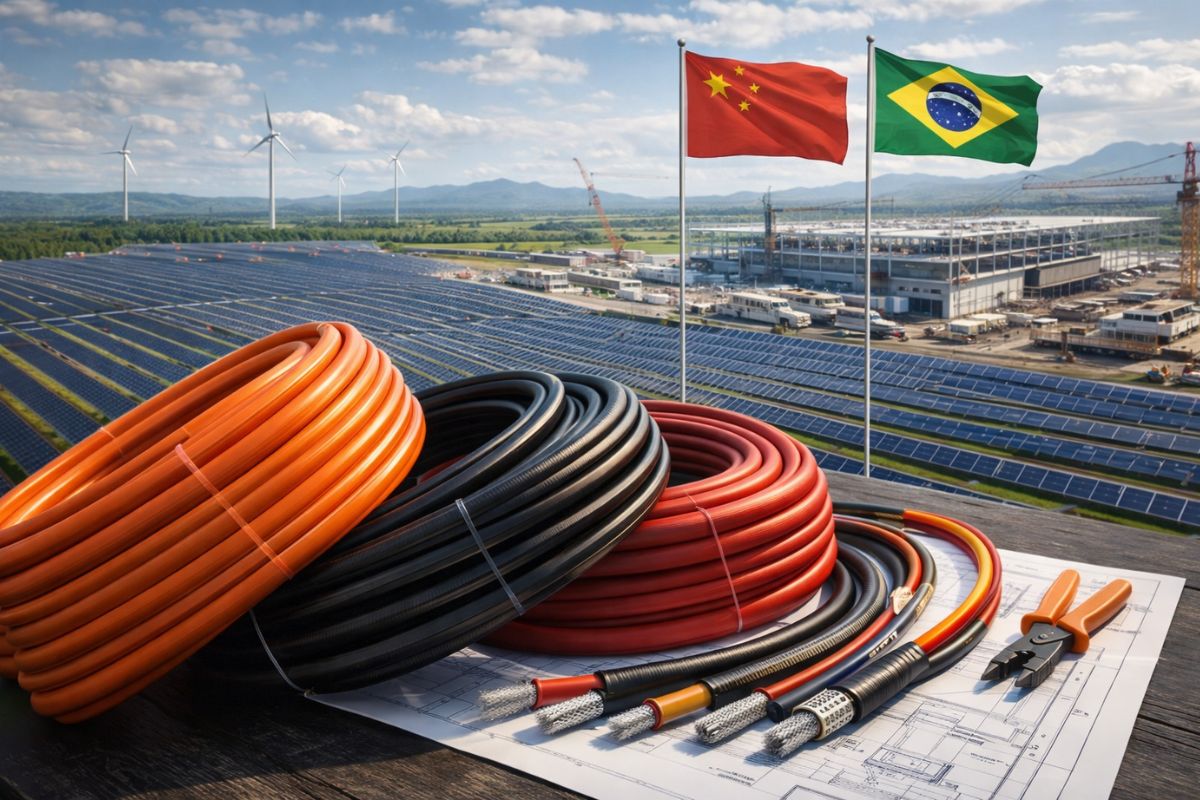
Chinese giant worth nearly R$ 4 billion that manufactures cables for electric cars, solar energy, and robotics wants to open a factory in SC.
-
Many employers do not know, but the law guarantees domestic workers a 25% increase in salary during trips, 50% for overtime, 20% for night shifts, and 17 additional benefits that can lead to labor lawsuits if not paid.

-
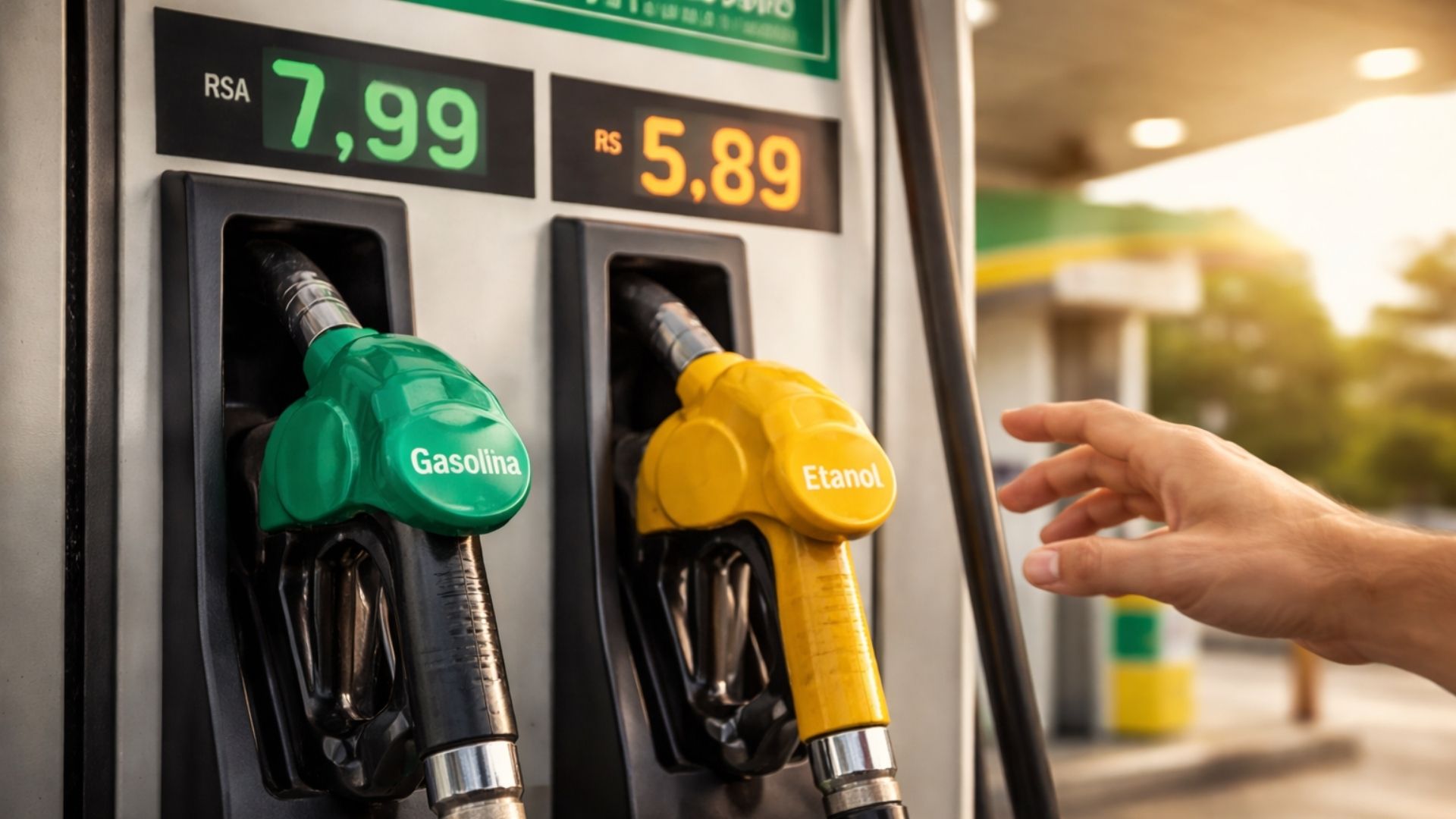
Gasoline prices soar and the question arises: is ethanol more advantageous? The 70% rule reveals the limit with gasoline.
-
The government has made a decision and is starting a test with more ethanol in gasoline, anticipating a mixture of up to 35%, diesel with 25% biodiesel, and a study to assess the impacts on engines.

Despite major powers signing the pact, such as Great Britain, the two largest polluters, the United States and China, did not sign this treaty.
Another victory of COP 26 was that by the end of 2022, the participating countries must deliver their new targets for carbon emission reduction, as the current targets are still not fully adequate for the desired temperature control, which aims for a maximum increase of 1.5°C.

One aspect that surprised at COP 26 was that media coverage was considerably greater this time than in previous editions.
This is primarily due to the heightened concern about the adverse effects that pollution is causing.
What Did the Event Fail to Achieve?
COP 26 unfortunately did not succeed in establishing a deadline for the end of fossil fuel use. Although there were some discussions about this at the beginning of the event, due to pressure from producer countries whose economies heavily depend on these fuels, such as China, Saudi Arabia, and Russia, this discussion ultimately did not proceed, and the word “elimination” was replaced by “reduction” in the final report.
Another discussion that did not move forward was the financing of environmental actions for developing countries, which reached an undefined amount in donations from developed countries to developing countries.
Donations from developed countries will amount to US$ 100 billion by 2025, but even in the final report, it was acknowledged that this amount is still insufficient.
Another point that can be considered a “failure” in the final report is that it sets carbon neutrality only for the year 2050. Carbon neutrality is when all carbon emissions are offset by reforestation actions and carbon capture technologies in the atmosphere.
Many environmentalists and activists criticized these goals, although there is a consensus that there has been progress when comparing the targets of COP 26 with those set at other similar events.
How Does Brazil Come Out of COP 26?
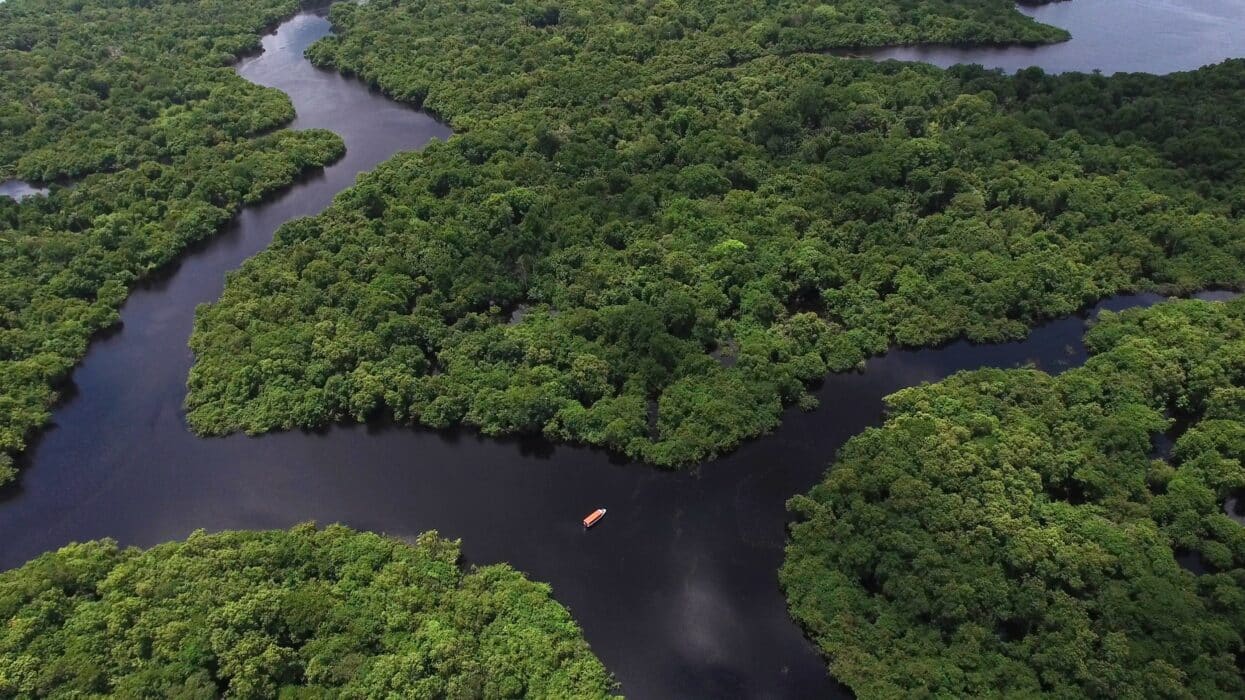
On the Brazilian side, one of the main complaints is precisely regarding the lack of clarity about international actions for preservation projects, especially for the Amazon.
There is a feeling among developing countries that there is an imbalance between what is required of them in terms of environmental preservation and the economic countermeasures offered by developed countries, especially when it comes to international aid for areas most affected by climate change.










Seja o primeiro a reagir!