





 Portuguese
  English
  Spanish
  4 min of reading
  45 comments


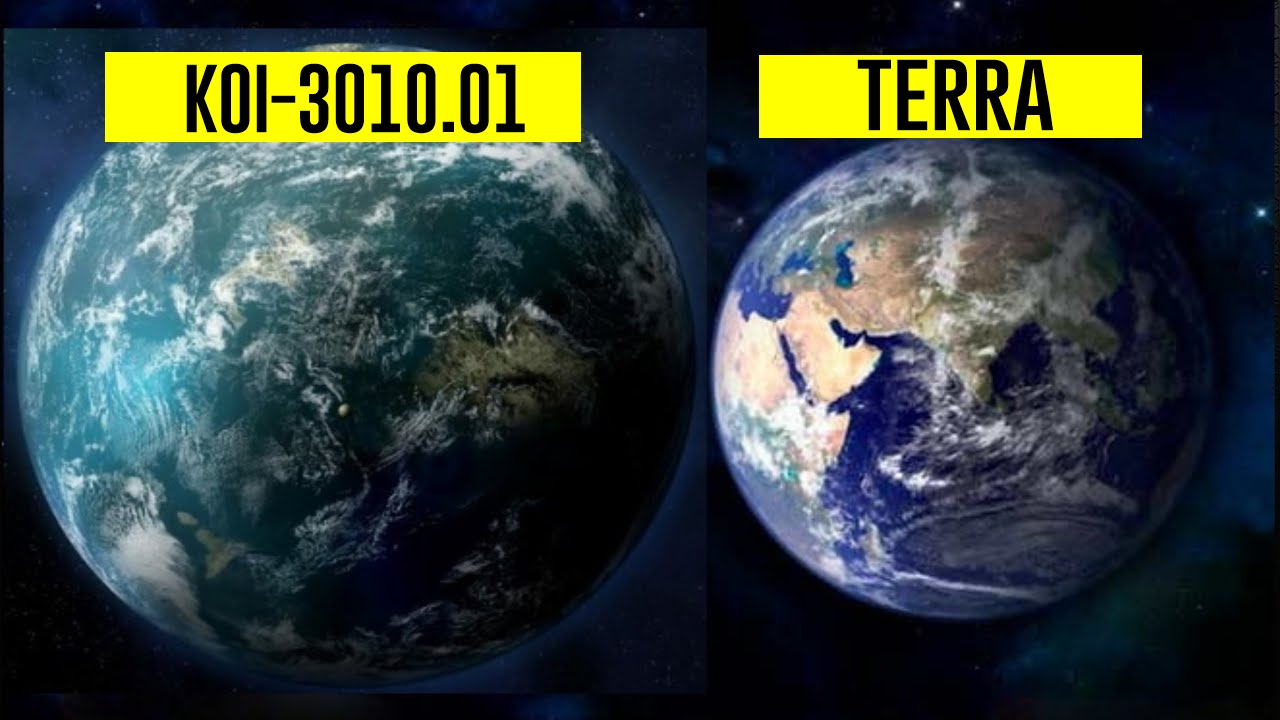


A Planet With Earth-Like Characteristics Has Been Identified by NASA, Showing High Probability of Habitability, 84% in Total
Our planet, Earth, continues to be the only known home for life in the vast universe. However, the more than 4,000 exoplanet discoveries by NASA have significantly broadened our understanding and hopes.
Among these distant worlds, a particular planet, KOI-3010.01, located about 1,200 light-years from Earth, has caught the attention of scientists. With an impressive habitability probability of 84%, it has become one of the most promising candidates for hosting forms of life.
-
After decades of failed attempts, Brazil is once again looking to space with an orbital rocket measuring 12 meters, weighing 12 tons, costing R$ 189 million, and scheduled for launch in 2026, in a new race to finally achieve autonomous access to orbit.

-
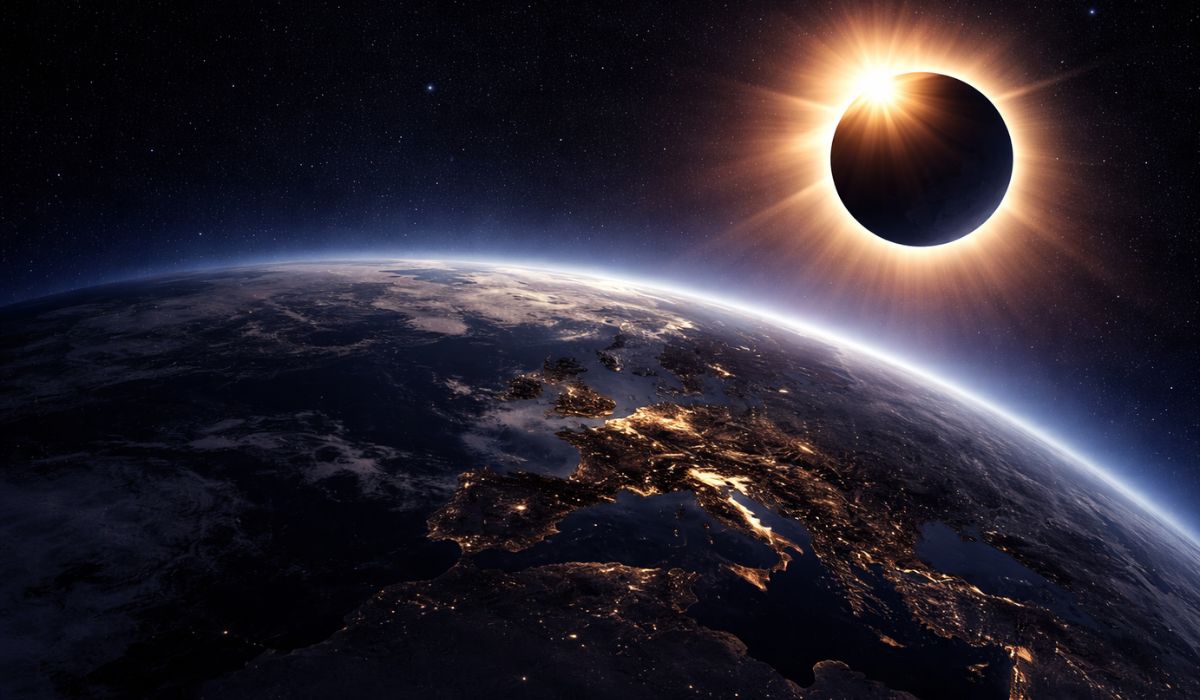
The Earth will plunge into a few minutes of darkness in broad daylight in August 2026, when a total solar eclipse transforms the sky into one of the most impressive astronomical phenomena in recent years.
-
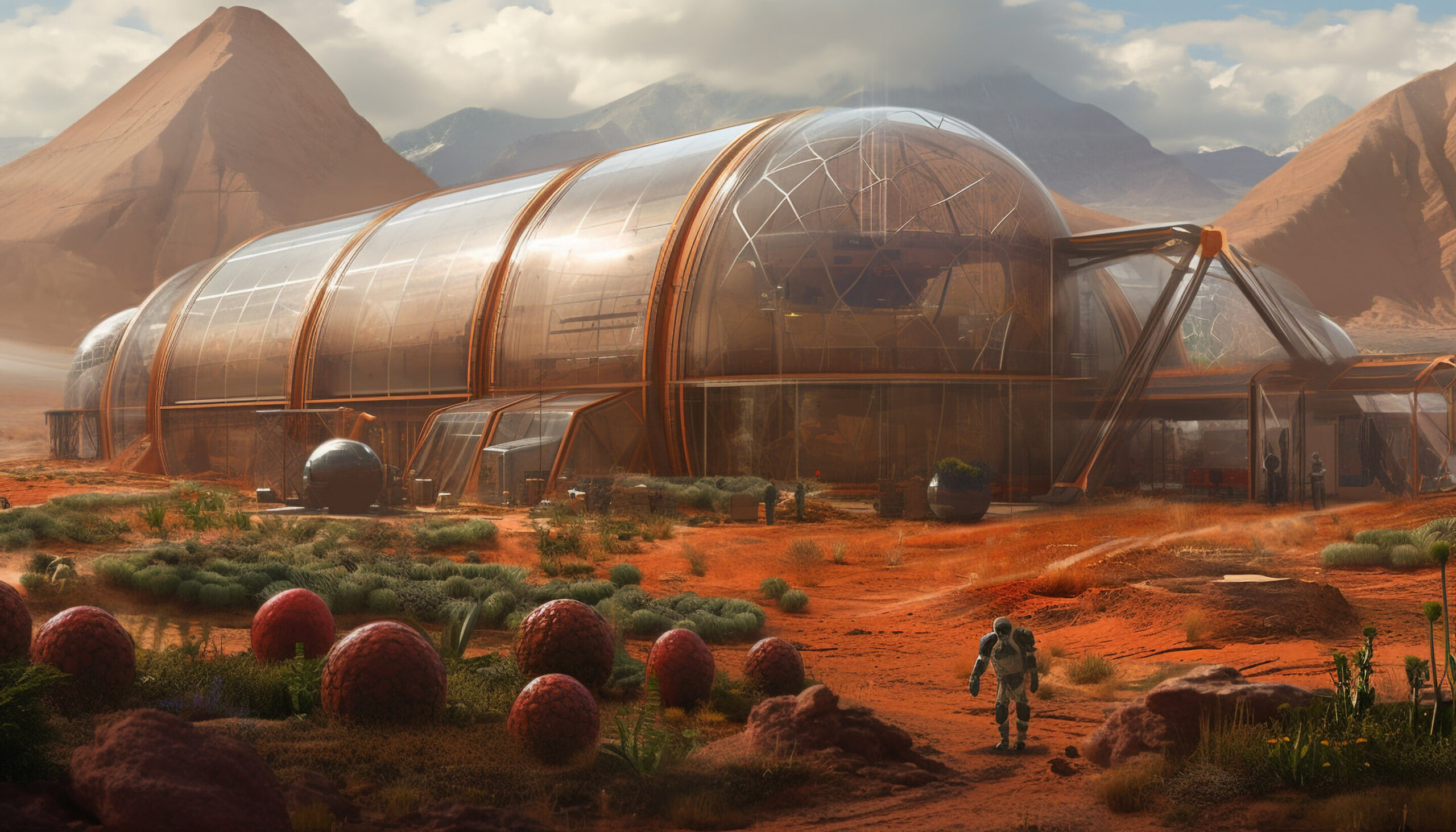
How the terraforming of Mars can transform the planet: artificial aerosols can increase the temperature by up to 35°C in 15 years, creating conditions for liquid water.
-
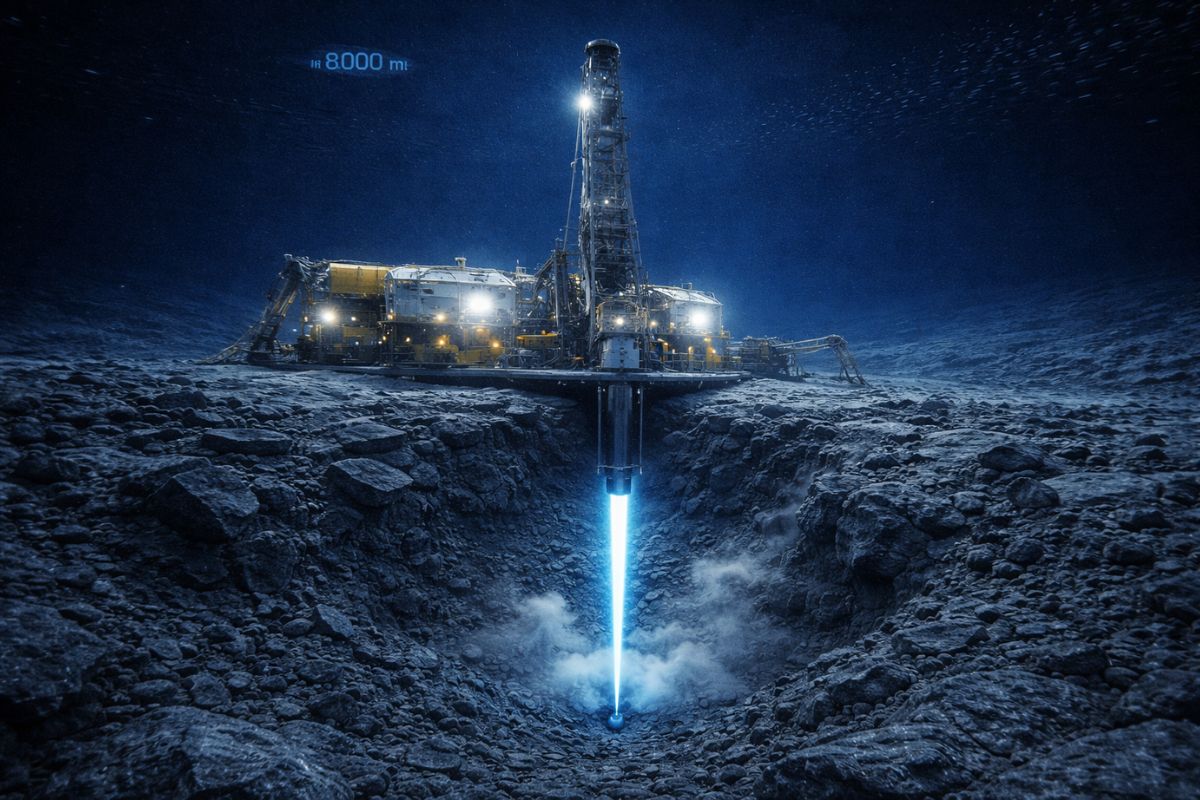
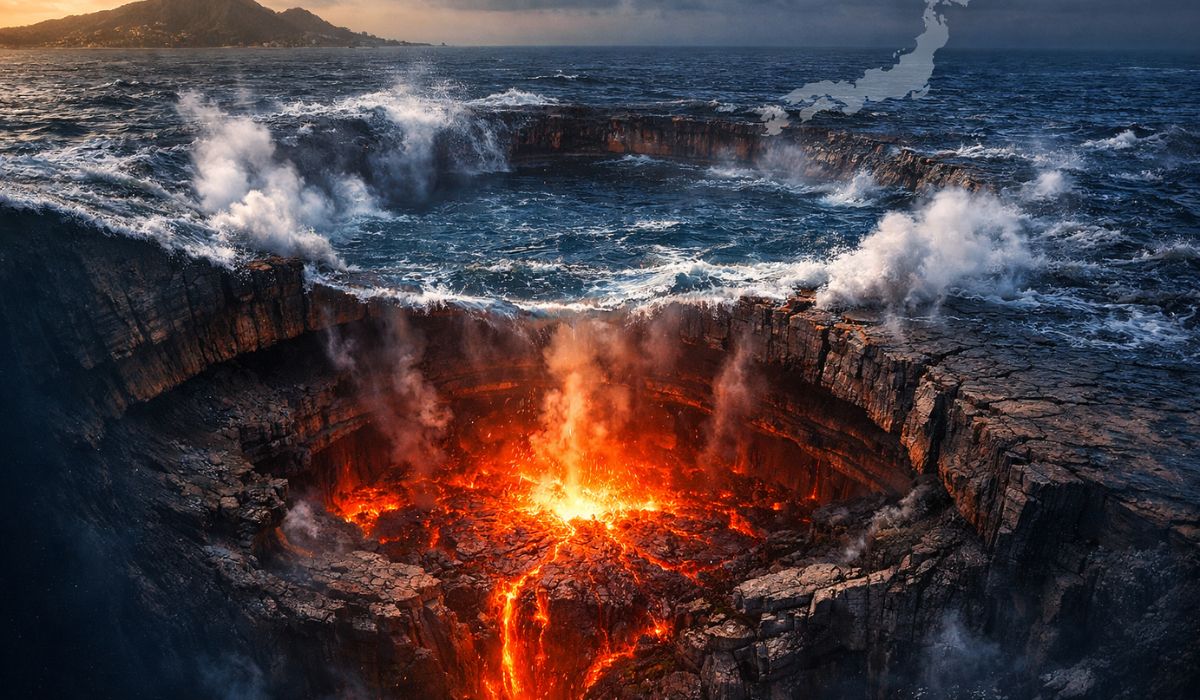
Scientists drilled nearly 8,000 meters into the ocean floor above the fault that caused the 2011 tsunami in Japan and discovered that a layer of clay 130 million years old was responsible for making the wave much worse than any model had predicted.
KOI-3010.01 orbits the star KOI-2010 and has characteristics that make it incredibly similar to Earth. Its average temperature, 67°F (19°C), is just a bit warmer than that of Earth. This subtle difference fits perfectly within the definition of an ideal ambient climate for life.



Additionally, the planet is about 1.5 times larger than ours, and scientists believe it may host vast oceans covering up to 60% of its surface. This combination of factors, such as abundant water and a stable atmosphere, creates quite promising conditions.

Super-Earths and Dwarf Stars
Although KOI-3010.01 is a standout, it is not alone. Another planet, KOI-5715.01, also ranks as a candidate for “super-Earth.” It orbits an orange dwarf star in the constellation Cygnus, about 3,000 light-years away.
Orange dwarfs, known for their longevity of up to 70 billion years, provide extensive periods for life forms to evolve. KOI-5715.01 is located in the habitable zone of its star, with an average temperature of 52°F (11°C). Although it is cooler, its higher gravity may contribute to heat retention, creating a surprisingly comfortable environment.
Meanwhile, Kepler-186f, nicknamed “Earth’s Cousin,” is another significant discovery. Located 490 light-years away, it orbits a red dwarf star in a dark yet stable environment. Its size is nearly identical to that of Earth, and its axial specificity indicates the possibility of consistent seasons and well-defined day-night cycles. Although it has moderate gravity, its dense atmosphere may protect against space radiation and retain heat, ensuring temperatures conducive to life.
The famous Kepler-62e and Kepler-62f, in turn, remain references in the field of habitable exoplanets. Located 1,200 light-years away in the constellation Lyra, these planets orbit a red dwarf star. Kepler-62e, with 1.5 times the size of Earth, is possibly covered by a vast ocean, making it a fascinating sight of a “water world”.
What Is Needed for a Planet to Be Habitable?
The search for habitable planets has intensified over the past few decades, driven by the desire to find worlds that could support life as we know it. Researchers have identified a series of essential conditions that a planet must meet to harbor life forms. Among them, the presence of liquid water is undoubtedly the main one.
For water to remain in a liquid state, it is necessary for the planet to be located in the “habitable zone” of its star. This specific region allows for moderate temperatures, preventing water from completely evaporating or freezing permanently. The orbital position is therefore one of the first factors analyzed when a new exoplanet is discovered.
Another indispensable characteristic is the presence of a suitable atmosphere. This gaseous envelope protects the planetary surface from harmful solar radiation and small meteor impacts. Additionally, the atmosphere helps regulate temperature, creating a moderate greenhouse effect that prevents extreme variations of heat and cold.
The composition of this layer is equally important, requiring a balance of gases such as oxygen, nitrogen, and carbon dioxide to support biological processes.
The planet’s geology also plays a critical role. A solid or watery surface is necessary for the formation of ecosystems. Additionally, an active core is desirable, as it feeds tectonic activity and generates a magnetic field that protects the planet from solar winds and harmful radiation. Without this magnetic field, essential molecules for life could be destroyed.
The stability of the central star and the gravitational interaction with other bodies are also decisive factors. Stable stars with low variability provide safer conditions, while frequent explosions could sterilize any emerging life forms.
Moreover, gravitational interactions, such as those between Earth and the Moon, can stabilize planetary rotation, favoring regular biological cycles.
These factors, when combined, create an environment conducive to the emergence and thriving of life. The search for planets that meet all these characteristics continues to challenge the limits of human knowledge and expand our perspectives on the Earth’s place in the universe.
What Does the Future Hold?
Despite unimaginable distances — KOI-3010.01 —, these planets have ignited hope that we are not alone. The ongoing work of NASA and other space agencies in studying super-Earths brings us closer to answering the ancient question: is there life beyond Earth?
As technology advances, new missions may not only confirm the habitability of these planets but also unveil thriving ecosystems.
Whether through more powerful telescopes or exciting missions, the future promises discoveries that will challenge everything we know about our existence. And who knows? Perhaps the first evidence of extraterrestrial life is closer than we imagine, or at least a small calculation error could point to something bigger.








Não satisfeito em destruir o próprio planeta aonde vive, agora descobre outro para tentar destruir. Infelizmente, aonde o ser humano coloca as mãos, ele destrói.
Digamos que seja igual a terra e, como chegar lá? 1200 anos-luz imagine? Nem que fosse 1 ano-luz(?!?)🤔💫
Não tiro sua razão mas acho que não estamos sozinhos no universo.
Mas ainda não chegou a hora de saber sobre isso.
Mas se algo acontecer com a terra já temos para onde ir.