





 Portuguese
  English
  Spanish
  5 min of reading
  5 comments


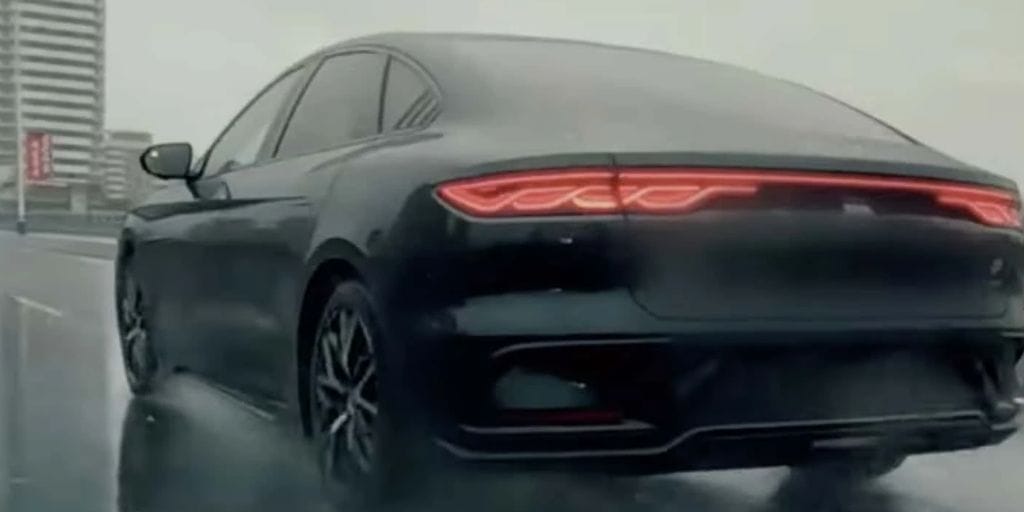


North Korea, known for its strict policies and secrecy, recently found itself in the center of a new technological controversy. The promise of an electric car with impressive 720 km of range, supposedly developed internally, left the world curious. But, is this innovation really North Korean or just another case of rebranding?
The Madusan Economic Federation, founded in 2018 in Pyongyang, announced the development of the Madusan EV, an electric car that promises to be revolutionary.
The 720 km range was the main highlight, but experts and Asian neighbors, especially in China and South Korea, received the news with skepticism.
Doubts about the announcement began to arise when images of the supposed Madusan EV revealed more than met the eye.
-
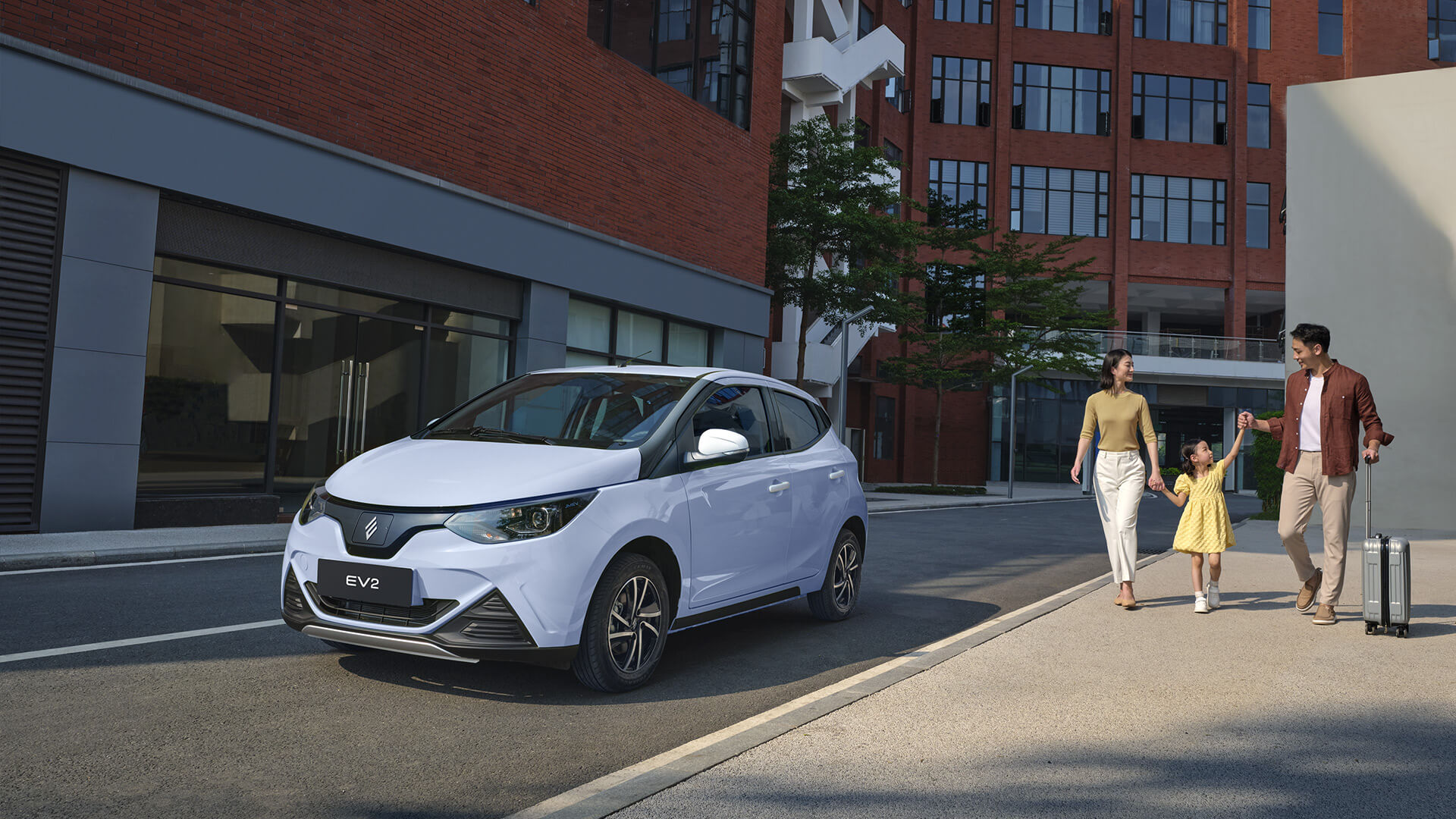
Goodbye expensive popular car: electric vehicle for less than R$ 70,000 starts being sold in Brazil with a range of 200 km and targets those looking to escape gasoline.
-
OMODA & JAECOO grows in Europe in 2026 with an integrated strategy of sales, innovation, local production, and technological advancement in the United Kingdom, Italy, and Spain.
-
OMODA & JAECOO expands after-sales service in Brazil with competitive maintenance, a 7-year warranty, and high availability of parts for technological SUVs.
-
OMODA & JAECOO appoints Alessandra Souza as executive marketing director in Brazil and accelerates brand expansion with a focus on innovation, networking, and hybrid portfolio.


Exposing the Madusan EV
According to the website CarNewsChina, recently released images show what would be the Madusan EV driving on a road on a rainy day.
The car in question, however, was clearly a BYD Han, a well-known Chinese electric model that has even been a topic of news here at Click Petroleum and Gas. The only visible changes were the removal of the BYD logos and the replacement with the name Madusan EV.
Rebranding: The True Strategy of Madusan
According to The Korea Herald, the Madusan Economic Federation is not exactly a manufacturer, but rather an importer. The company acquires electronic products, mainly from China, and resells them in North Korea under its own brand.
This process is known as rebranding, that is, when a company purchases products from another brand and sells them under its own name. This process is not new to Madusan, which does the same with mobile phones, televisions, and other electronic devices.
The Myth of the 720 km Range
The claim that the Madusan EV could achieve a 720 km range raised eyebrows, especially since even the original BYD Han cannot achieve such a feat. Even using the Chinese measurement standard, which tends to yield more favorable results, this range is not reached.
The Automotive Market in North Korea
In North Korea, the automotive industry is small and highly controlled. The use of automobiles is restricted to a very limited segment of the population, usually linked to the government. The main vehicle brand in the country is Pyeonghwa Motors, which also relies on licenses and patents from foreign manufacturers, such as Fiat, SsangYong, and Brilliance, to produce its cars.
The importation of Chinese vehicles into North Korea is not a novelty. The geographical proximity and political relationship facilitate this exchange, allowing Chinese brands to find a market in North Korea. Pyeonghwa Motors, for example, uses production licenses to manufacture models based on cars from various international brands.
The Future of the Madusan EV
There is still no concrete information about the start of sales of the Madusan EV. The electric vehicle is still in the testing phase, and commercialization has not been confirmed. However, the story of the Madusan EV raises questions about the authenticity of North Korean technological innovations and the real state of its automotive industry.
In any case, the case of the Madusan EV is yet another example of the complexities surrounding North Korea. A country shrouded in mystery and strict policies, where even technological products have hidden stories.
But, what do you think, reader? Do you believe that North Korea really produced this electric car, or is this just another story aimed at deceiving the people who live there? Leave your opinion in the comments!
North Korea SURPRISES by announcing a local electric car with a range of over 700 km. The problem is that the model is actually a vehicle produced by the Chinese BYD.
North Korea, known for its strict policies and secrecy, recently found itself in the center of a new technological controversy. The promise of an electric car with impressive 720 km of range, supposedly developed internally, left the world curious. But, is this innovation really North Korean or just another case of rebranding?
The Madusan Economic Federation, founded in 2018 in Pyongyang, announced the development of the Madusan EV, an electric car that promises to be revolutionary.
The 720 km range was the main highlight, but experts and Asian neighbors, especially in China and South Korea, received the news with skepticism.
Doubts about the announcement began to arise when images of the supposed Madusan EV revealed more than met the eye.
Exposing the Madusan EV
According to the website CarNewsChina, recently released images show what would be the Madusan EV driving on a road on a rainy day.
The car in question, however, was clearly a BYD Han, a well-known Chinese electric model that has even been a topic of news here at Click Petroleum and Gas. The only visible changes were the removal of the BYD logos and the replacement with the name Madusan EV.
Rebranding: The True Strategy of Madusan
According to The Korea Herald, the Madusan Economic Federation is not exactly a manufacturer, but rather an importer. The company acquires electronic products, mainly from China, and resells them in North Korea under its own brand.
This process is known as rebranding, that is, when a company purchases products from another brand and sells them under its own name. This process is not new to Madusan, which does the same with mobile phones, televisions, and other electronic devices.
The Myth of the 720 km Range
The claim that the Madusan EV could achieve a 720 km range raised eyebrows, especially since even the original BYD Han cannot achieve such a feat. Even using the Chinese measurement standard, which tends to yield more favorable results, this range is not reached.
The Automotive Market in North Korea
In North Korea, the automotive industry is small and highly controlled. The use of automobiles is restricted to a very limited segment of the population, usually linked to the government.
The main vehicle brand in the country is Pyeonghwa Motors, which also relies on licenses and patents from foreign manufacturers, such as Fiat, SsangYong, and Brilliance, to produce its cars.
For that reason, the importation of Chinese vehicles into North Korea is not a novelty. The geographical proximity and political relationship facilitate this exchange, allowing Chinese brands to find a market in North Korea.
Pyeonghwa Motors, for example, uses production licenses to manufacture models based on cars from various international brands.
The Future of the Madusan EV in North Korea
There is still no concrete information about the start of sales of the Madusan EV. The electric vehicle is still in the testing phase, and commercialization has not been confirmed. However, the story of the Madusan EV raises questions about the authenticity of North Korean technological innovations and the real state of its automotive industry.
In any case, the case of the Madusan EV is yet another example of the complexities surrounding North Korea. A country shrouded in mystery and strict policies, where even technological products have hidden stories.
But, what do you think, reader? Do you believe that North Korea really produced this electric car, or is this just another story aimed at deceiving the people who live there? Leave your opinion in the comments!







Essa prática de pegar produto de uma marca e mudar pra sua não deveria ser ilegal ?
A Coreia do Norte como sempre falsificando, até os mísseis deles goram.
Realmente o articulista é muito criativo em suas suposições sem conhecimento de causa, ou copia e traduz muito bem o texto que o mandaram publicar. Parabéns por sua obediência à rede de difamação patrocinada pela “mídia ocidental”.
KKKKKKK **** socialista essa é nova