





 Português
  Inglês
  Espanhol
  3 min de leitura
  0 comentários


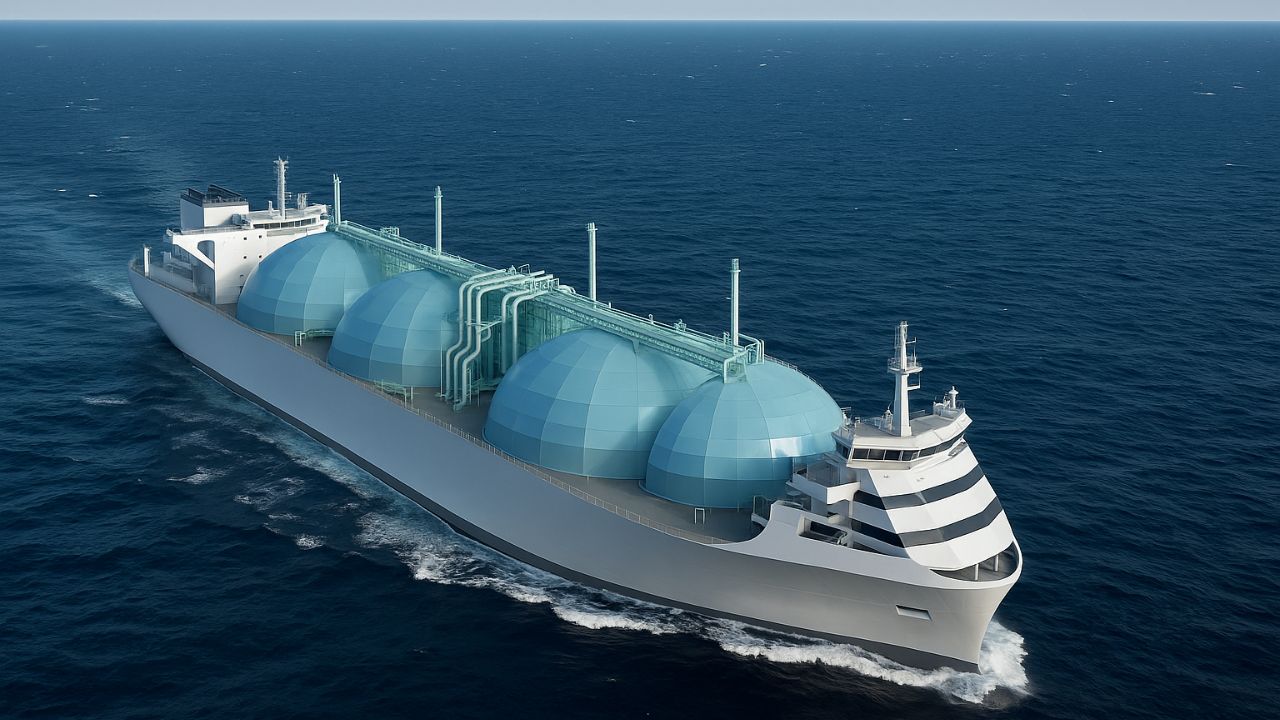
Project Aims to Ensure Technological Leadership in the Naval Sector and Strengthen the Country’s Position in the Clean Energy Market
South Korea unveiled an ambitious plan to build the world’s largest liquefied hydrogen (LH2) carrier by 2027. The initiative aims to consolidate a strategic competitive advantage and strengthen the national shipbuilding industry in an increasingly global scenario focused on sustainable solutions.
According to the Ministry of Trade, Industry and Energy (MOTIE), the project is part of a national policy aimed at expanding the use of hydrogen as a future energy source, gradually replacing traditional liquefied natural gas (LNG) carriers.
Public Investment Drives Innovation in the Naval Sector Focused on Hydrogen
The South Korean government expects an investment of KRW 55.5 billion (equivalent to US$ 39.2 million) by 2025 to boost the construction of the demonstration ship. This information was disclosed by the MOTIE during a ceremony held on May 9, in the port city of Busan, as reported by the portal Offshore Energy.
-
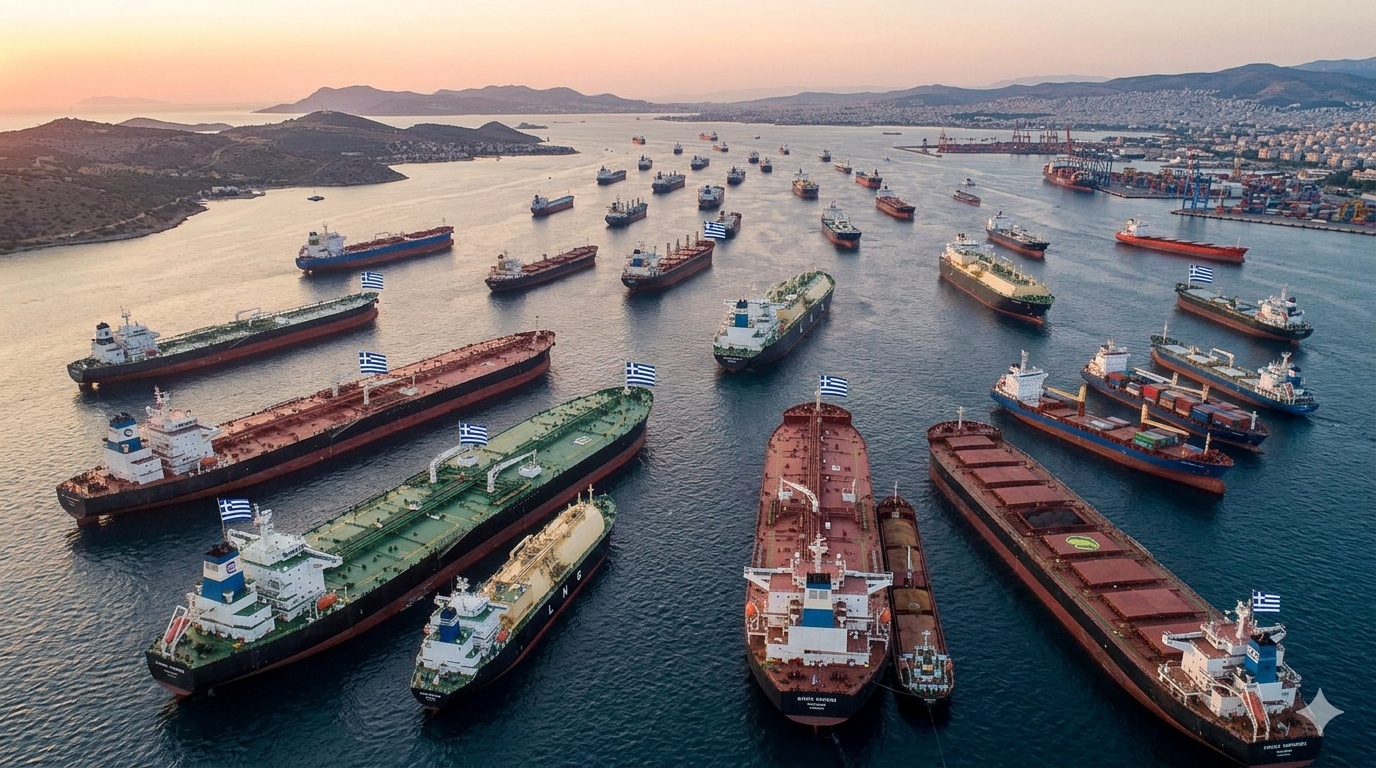
Neither the USA nor China: a small European nation has become one of the largest maritime powers on the planet, controlling one of the largest merchant fleets in the world with thousands of ships and dominating the global transportation of oil and strategic cargo.
-
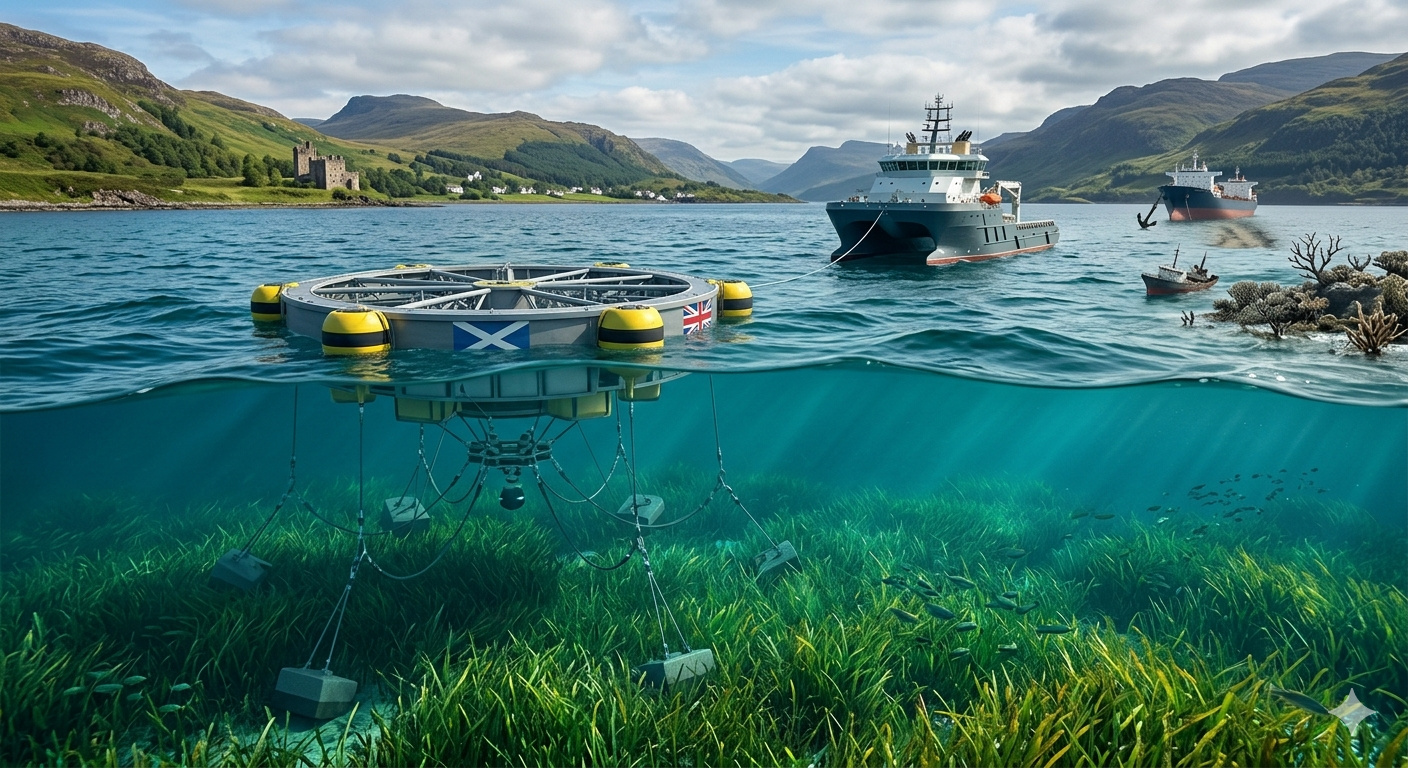
Scotland and the United Kingdom have created a new anchoring system that floats in the water without touching the seabed, after discovering that the current from a conventional anchor destroys up to 50 m² of seagrass meadow per event and that ship-damaged reefs showed no signs of recovery even ten years later.
-
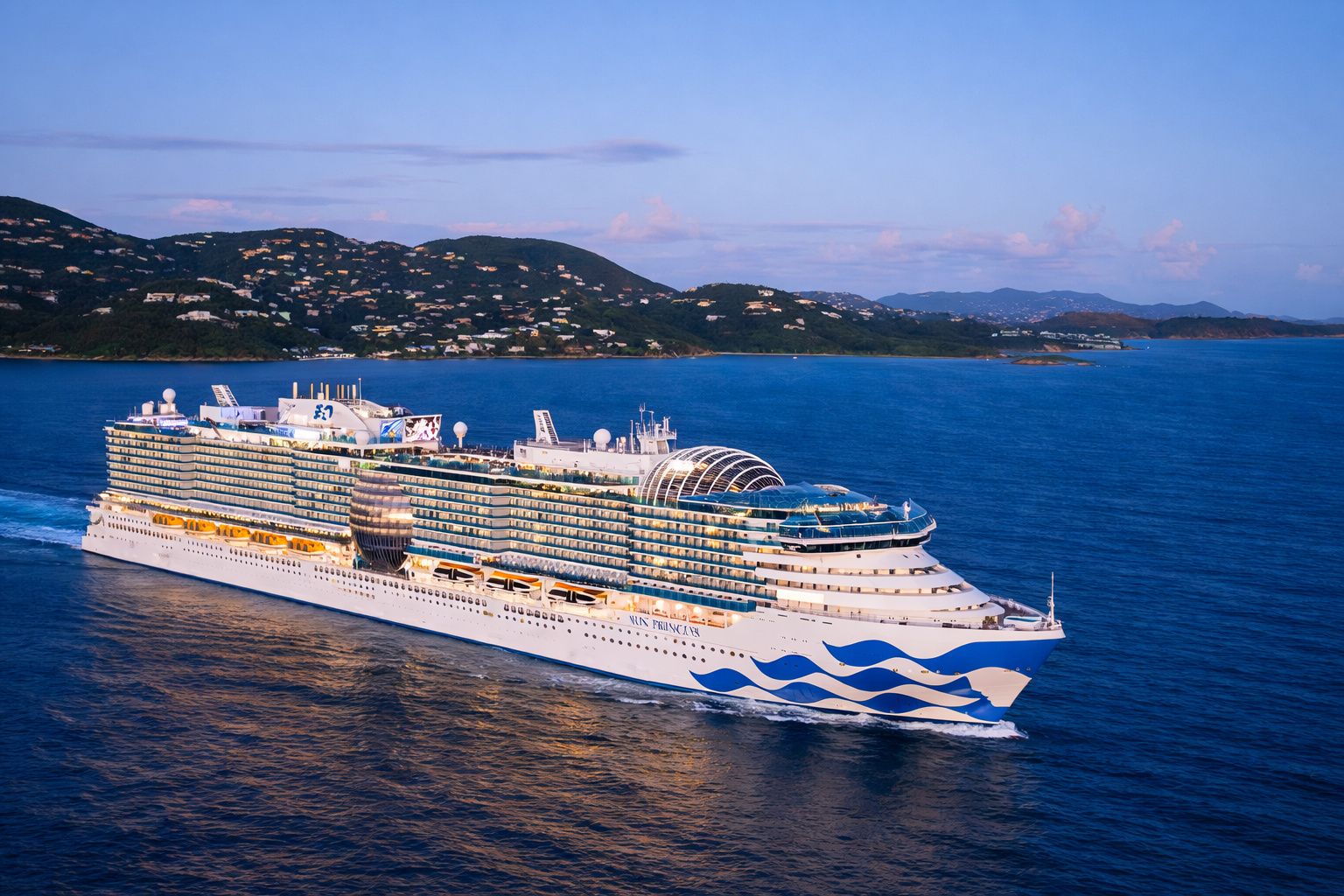
Weighing 175,500 Tons, Measuring 345 Meters Long, and With Capacity for Over 4,300 Passengers, the Sun Princess Becomes the Largest Ship Ever Built by Princess Cruises and Attracts Global Attention for Its Huge Glass Dome Inspired by Santorini’s Architecture Installed on Top of the Vessel
-
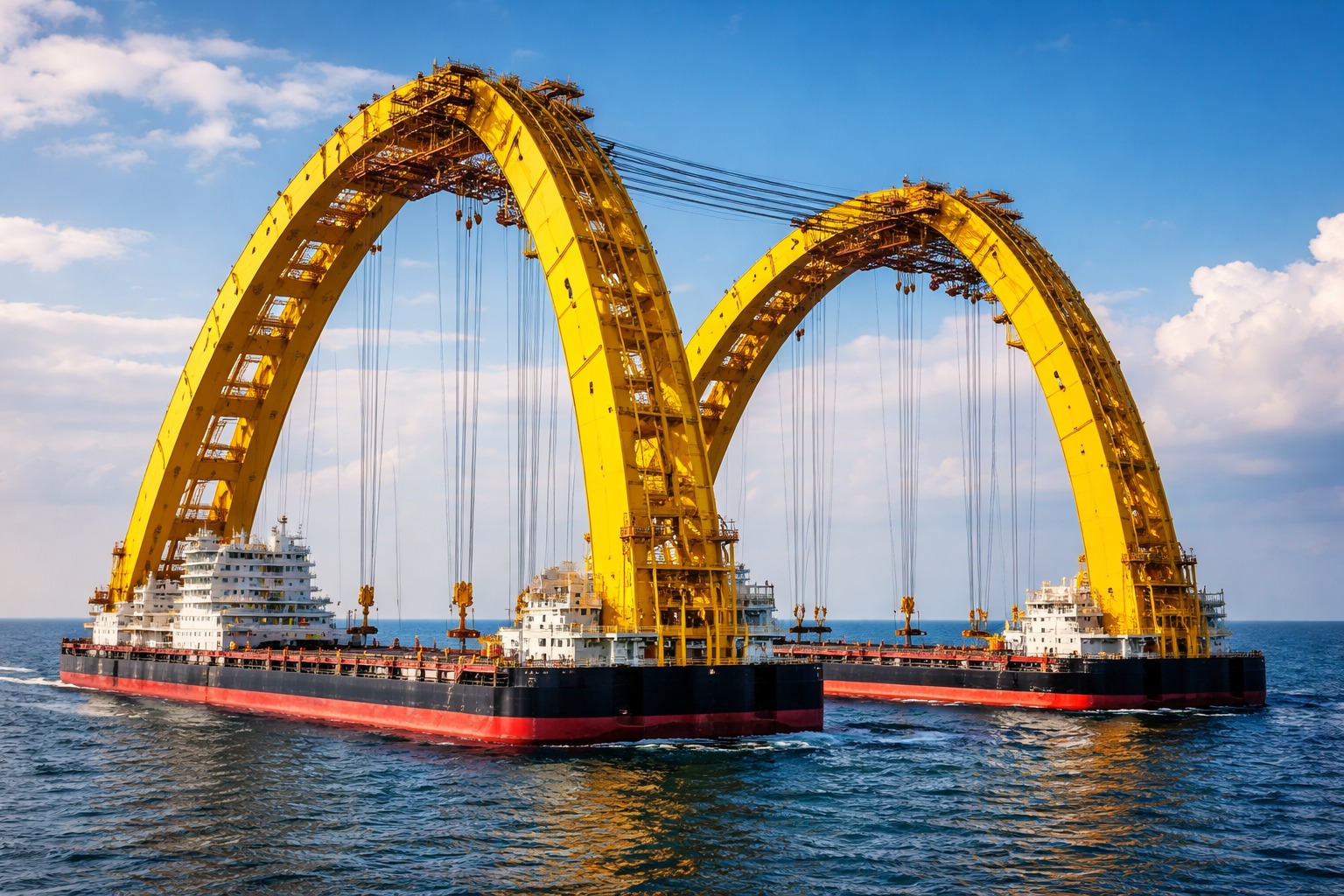
TX-10, The Colossus of The Sea: Largest Lifter Ship in The U.S., With Two Giant Barges, 73-Meter Tall Structure, and Strength to Raise 7,500 Tons of Sunken Oil Rigs
The project is led by a public-private promotion group that brings together LH2 ship experts from the ministry, three major shipbuilders, universities, and research institutes. The strategy aims to accelerate technological development and establish a cooperation model capable of generating innovation with international application.
Liquefied Hydrogen Carriers (LH2) Represent a New Frontier in Maritime Technology
The transportation of liquefied hydrogen requires advanced technical solutions, as the gas must be cooled to -253°C to remain in liquid form. Under these conditions, its volume is reduced by up to 800 times, allowing for a significant efficiency gain, estimated to be more than ten times compared to hydrogen in gaseous state.
According to the MOTIE, no country has yet been able to commercialize vessels of this size dedicated to LH2 transportation. Therefore, South Korea seeks to fill this gap and transform its expertise in LNG into leadership in the emerging hydrogen segment.
The Goal is to Transform Innovation into a Global Standard
In addition to building the ship, the South Korean government intends to develop regulatory frameworks that turn national technology into an international standard. The proposal is to establish a legal and normative system capable of supporting the dissemination of this innovation in the global market.
This movement is part of a strategy launched in 2024, aimed at ensuring the protagonism of the South Korean shipbuilding industry in the ongoing energy transition. The MOTIE emphasized that LH2 vessels are forward-looking and will be essential to ensure the so-called “super-gap” — a term used to refer to a significant technological advantage over international competition.
Sustainable Development and Industrial Leadership
Given the growing demand for low-carbon energy solutions, South Korea’s bet on building the world’s largest hydrogen ship reinforces its intention to lead the global naval sector. The country is not only investing in technology but also seeks to dictate the course of regulation and international trade in this new chapter of the maritime industry.









Seja o primeiro a reagir!