





 Portuguese
  English
  Spanish
  3 min of reading
  0 comments


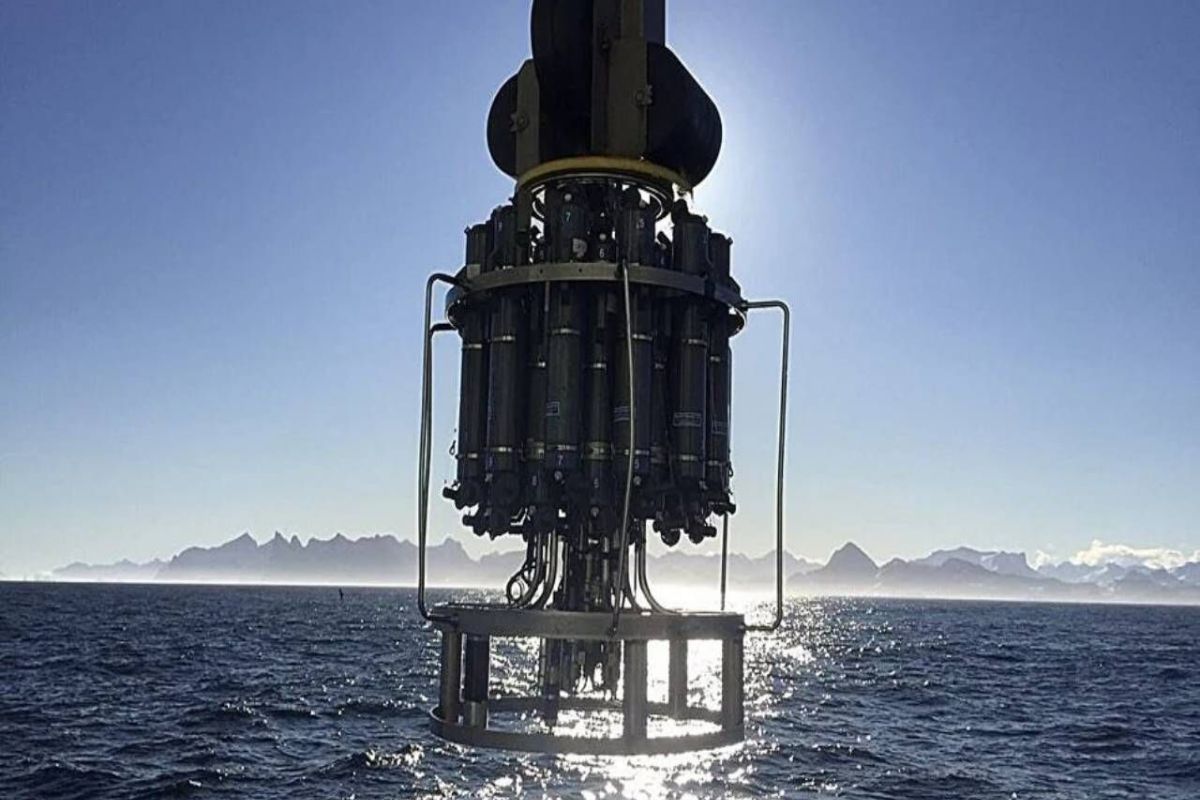
Recent Studies Indicate That The AMOC, One Of The Most Important Ocean Currents On The Planet, Is Losing Strength And Could Stop Between 2025 And 2095
The possible interruption of one of the planet’s major ocean currents has put the scientific community on alert. According to recent studies published in the journals Nature and Science Advances, the AMOC (Atlantic Meridional Overturning Circulation) could collapse this century, with severe consequences for the global climate.
The AMOC is a crucial part of the ocean current system that redistributes heat and regulates rainfall across different continents. Its collapse would directly affect the climate of Europe, South America, and Africa, potentially causing prolonged droughts, extreme cold in the northern part of the planet, and even disrupting the balance of the Amazon rainforest.
What Is The AMOC And Why Does It Matter
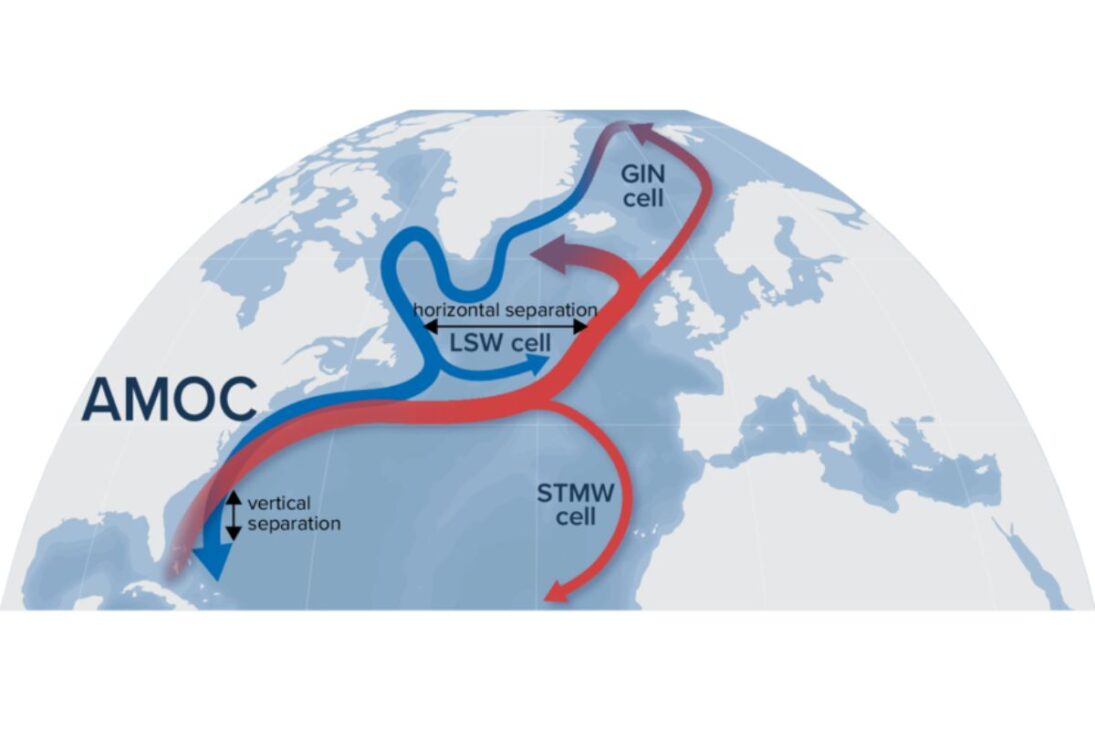
The AMOC (Atlantic Meridional Overturning Circulation) is a large-scale ocean current that moves warm waters from the equatorial region northward in the Atlantic Ocean and returns cold waters southward at depth. This system acts like a kind of “global conveyor belt” that distributes heat, nutrients, and carbon around the planet.
-
Friends have been building a small “town” for 30 years to grow old together, with compact houses, a common area, nature surrounding it, and a collective life project designed for friendship, coexistence, and simplicity.

-
This small town in Germany created its own currency 24 years ago, today it circulates millions per year, is accepted in over 300 stores, and the German government allowed all of this to happen under one condition.

-
Curitiba is shrinking and is expected to lose 97,000 residents by 2050, while inland cities in Paraná such as Sarandi, Araucária, and Toledo are experiencing accelerated growth that is changing the entire state’s map.

-
Tourists were poisoned on Everest in a million-dollar fraud scheme involving helicopters that diverted over $19 million and shocked international authorities.


It directly influences the climate of various regions. In Europe, it helps to keep winters milder. In South America, it contributes to the rainfall regime. When this circulation weakens, the entire global climate system is affected.
According to measurements from the RAPID project (University of Southampton, UK), the strength of the AMOC has already reduced by about 15% since the 1950s. This weakening is associated with rising global temperatures and the melting of ice in Greenland, which dumps large volumes of freshwater into the ocean and decreases the salinity and density of North Atlantic waters — factors that are essential for the functioning of the current.
Collapse May Occur Between 2025 And 2095
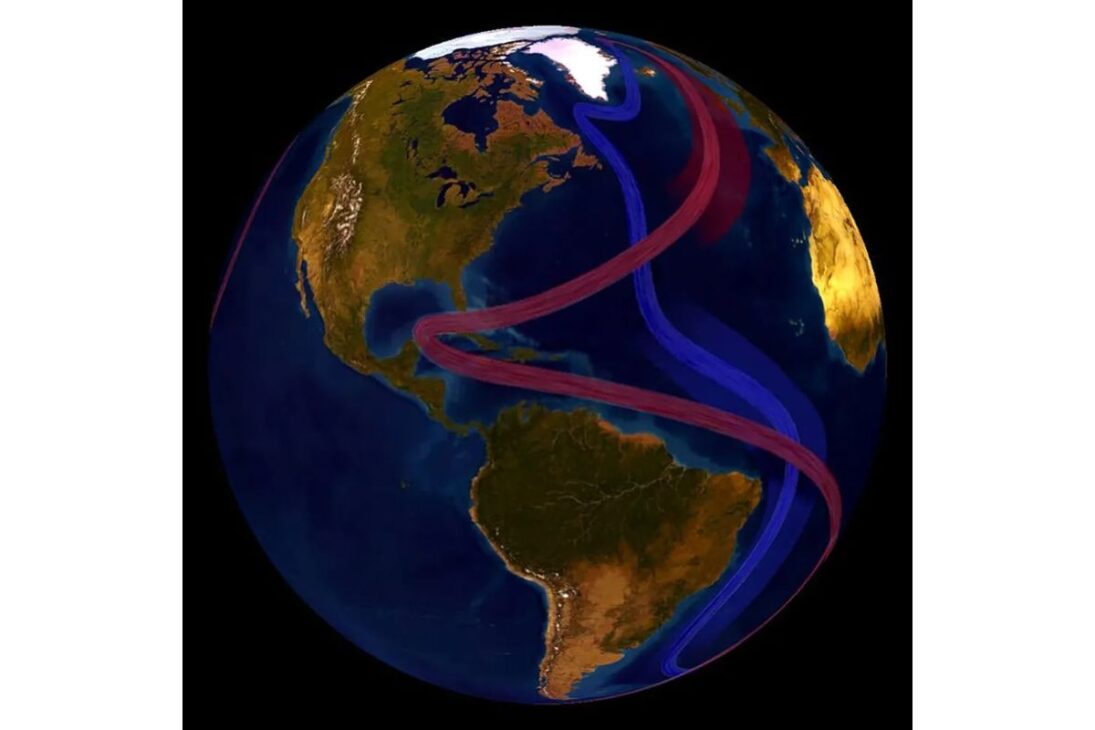
A study published in Nature Communications in 2023 estimates that the AMOC could collapse between 2025 and 2095, with the highest likelihood around 2057. The prediction was made based on statistical series of sea surface temperatures, which raised criticisms from part of the scientific community. However, more recent climate models, such as those from the Potsdam Institute for Climate Impact Research and NOAA, also indicate early warning signs of collapse.
The IPCC (Intergovernmental Panel on Climate Change) acknowledges this possibility but attributes a moderate probability of it occurring this century, according to its AR6 report.
What Would Be The Impacts Of A Collapse?
The consequences of the AMOC collapse would be profound:
- Europe: drop of up to 15 °C in winter averages in some regions;
- Brazil and Africa: abrupt changes in rainfall patterns, with prolonged droughts in the Amazon and the Sahel;
- North America: increased storms and extreme cold waves;
- Sea Level Rise on the Atlantic coast of the U.S.;
- Disorganization of the marine ecosystem, impacting fishing and biodiversity;
- Risk to global food security.
The collapse of the AMOC could also serve as a trigger for other tipping points, such as the disappearance of the Amazon rainforest or the accelerated degradation of the Greenland ice sheet.
Is It Still Possible To Avert It?
Scientists assert that collapse can still be averted, but time is running out. According to the UNEP Emissions Gap Report, drastic reductions in global CO₂ emissions over the next two decades would be necessary to keep warming below 1.5 °C.
Moreover, it is crucial to slow down the accelerated melting of polar ice sheets and protect ecosystems that regulate carbon absorption, such as forests and oceans.
Have you heard of the AMOC before? What else concerns you about the future of ocean currents and the global climate? Share your thoughts in the comments.










Seja o primeiro a reagir!