





 Portuguese
  English
  Spanish
  3 min of reading
  1 comment


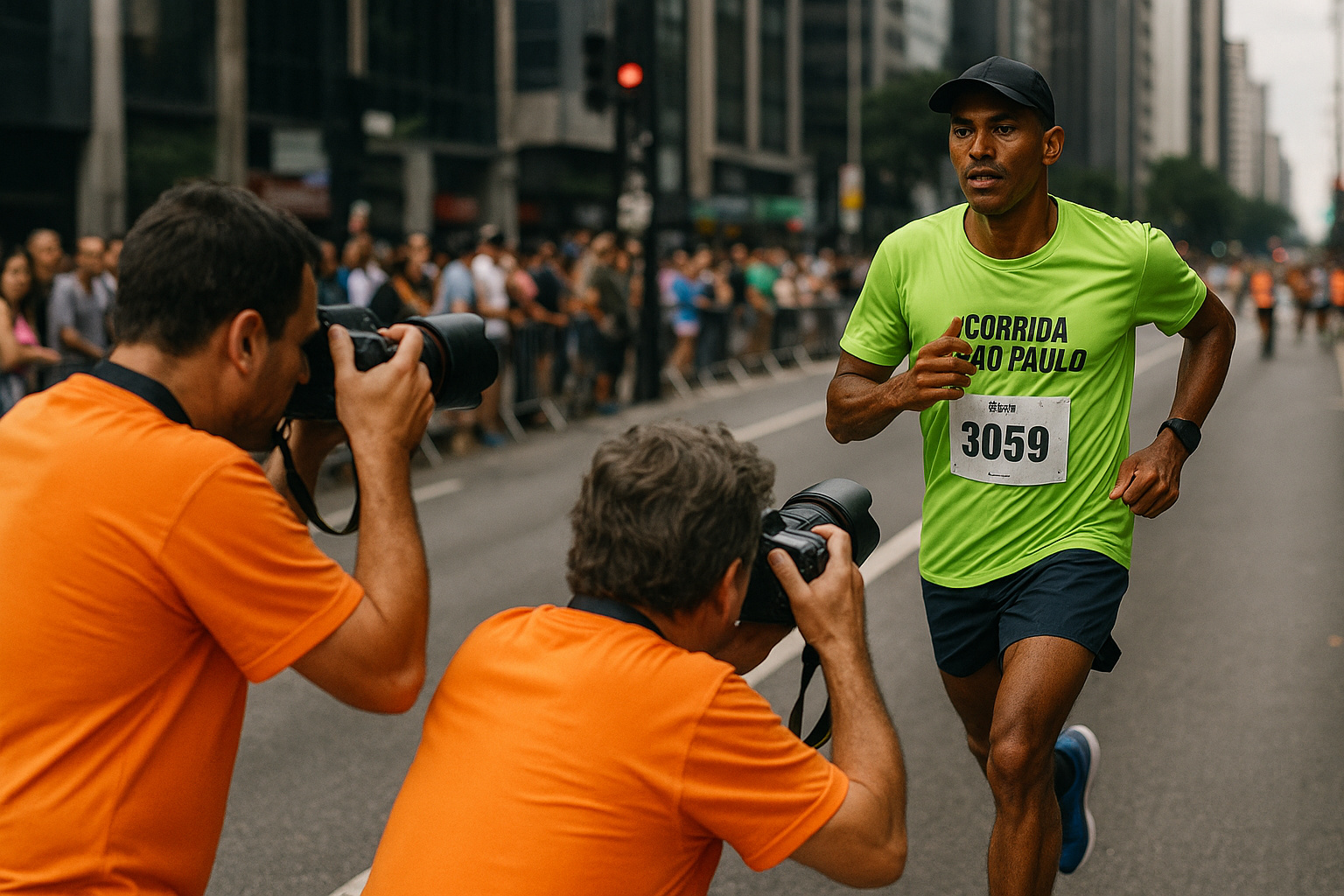


The Popularization of Street Races and Open Training Brought a Legal Controversy: After All, Is It Legal to Register Athletes in Public Spaces and Profit from Their Images?
In recent years, street races and training in public avenues and parks have become a craze in Brazil. Consequently, a new habit has emerged: independent photographers capturing runners in action and making these images available on digital sales platforms. At first glance, this practice may seem harmless, but it actually raises an important legal question in Civil Law: Is it allowed to commercialize someone’s image without proper consent?
According to lawyer Roberto Figueiredo, partner at Pedreira Franco Advogados Associados and a specialist in Civil Law, the answer is clear: the image is a personality right and, therefore, cannot be economically exploited without the express authorization of the person depicted. “Even in public spaces, no one is obliged to have their image captured and used for commercial purposes. The Constitution and the Civil Code protect this fundamental right,” reinforces the jurist.
Civil Code and Constitution: When the Click Becomes a Violation of Rights
The Brazilian Civil Code establishes that the improper use of an image can be prohibited judicially and can also result in damages. For Figueiredo, it is not necessary for the photo to expose the person in a humiliating way to constitute damage. The mere use for profit is enough to characterize the violation.
-
77.2% of Brazilians support lowering the age of criminal responsibility and reinforce pressure for changes in criminal legislation in the country, a national survey indicates.

-
The law that many elderly people are still unaware of protects those aged 60 and over against abusive charges from banks, guarantees debt renegotiation, and prevents loans and credit cards from consuming their entire retirement pension.

-
Portugal approves Nationality Law: Brazilians from CPLP will have to live for 7 years to obtain citizenship (waiting for title does not count), rules tighten for children born in the country, Sephardim are excluded, and it awaits a decision from President António José Seguro.

-
Your neighbor is undergoing construction and debris has fallen on your property? This could lead to compensation and make the owner, responsible party, and construction company pay for the damages.

This interpretation reinforces the idea that the protection of the image serves as a shield for individual autonomy, ensuring that each person has the power to decide how and where they will be exposed. “The authorization must be free, informed, and specific, precisely to avoid abuses,” explains the lawyer.
The information was disclosed in an interview with Roberto Figueiredo at the firm Pedreira Franco Advogados Associados, which operates nationally and has a tradition since 1994.
Consent: A Mandatory Rule Even in Public Spaces
Many photographers believe that capturing someone in a public space automatically grants the right to commercialize the photo. However, the legislation makes it clear that it is not the location, but rather the use of the image that defines legality.
“Photographing a runner on an avenue is something different from selling that image in an online gallery. The dividing line between the legitimate and the illicit lies in the profit obtained from that exposure,” warns Figueiredo.
In this context, experts recommend that photographers request prior authorization, preferably via written contract or simple digital record. This way, potential litigation is avoided, and the dignity of the human person, a principle that guides Brazilian legal order, is preserved.
Sports Events: Responsibility of Organizers and Photographers
The problem is not limited to clicks during open training. In organized sports events, such as street races, there are also legal obligations. According to the lawyer, organizers should include clear rules about the use of participants’ images in the regulations.
Although many races provide general image authorizations at the time of registration, this does not mean that independent third parties — like photographers working outside the organization — can commercially exploit these photos without additional precautions. “Targeted use, especially when it involves sales, should be carefully analyzed to avoid judicial litigation,” he states.
The Firm Behind the Legal Analysis
Pedreira Franco Advogados Associados was founded in 1994 in Salvador by jurist Joaquim Pedreira Franco de Castro and five other partners. Today, the firm consists of eight partners and fourteen associate attorneys, with administrative and judicial practice at all levels, both at the state and national levels. The expertise covers areas such as Civil, Labor, Tax, Environmental, Corporate Criminal, Social Security, and Maritime Law, which reinforces its credibility on the topic of image protection.
Source: Revista Yacht









Entendo que o objeto da comercialização não é a imagem do atleta em si, mas o serviço que lhe possibilita adquirir sua própria imagem, normalmente disponibilizada em galerias com identificação facial nas plataformas digitais. O fotógrafo, por sua vez, não possui interesse em manter o armazenamento dessas imagens, as quais são automaticamente excluídas de seu dispositivo após o prazo de sete dias.
Nas plataformas, contudo, as imagens permanecem acessíveis mediante consulta, estando organizadas em galerias classificadas por evento e data, geralmente com o auxílio de tecnologia de reconhecimento facial para facilitar sua localização.
I – Relato dos Fatos
Trata-se de análise acerca da natureza jurídica da atividade de comercialização de imagens de atletas por meio de plataformas digitais que disponibilizam fotografias captadas durante eventos esportivos. Conforme relatado, o serviço não se refere à venda direta da imagem do atleta, mas à oferta de um meio que possibilita ao próprio atleta adquirir suas fotografias, usualmente organizadas em galerias virtuais com identificação facial.
O fotógrafo responsável pela captação não mantém interesse em armazenar as imagens de forma permanente, sendo estas excluídas de seu dispositivo após o prazo de sete dias. Já nas plataformas digitais, as imagens permanecem acessíveis mediante pesquisa, organizadas por evento e data, com o auxílio de ferramentas de reconhecimento facial.
—
II – Fundamentação Jurídica
Nos termos do artigo 5º, inciso X, da Constituição Federal, a imagem é um direito da personalidade, sendo inviolável e passível de indenização em caso de uso indevido. O Código Civil (artigos 20 e 21) reforça essa proteção, dispondo que a utilização da imagem de uma pessoa depende de seu consentimento, salvo nas hipóteses de interesse público ou jornalístico.
Entretanto, o caso em análise não caracteriza a comercialização direta da imagem do atleta, mas a prestação de um serviço de disponibilização e aquisição de imagens. O serviço visa apenas facilitar que o titular da imagem (no caso, o atleta) localize e adquira fotografias de sua própria participação no evento, o que afasta o caráter de exploração econômica da imagem por parte do fotógrafo ou da plataforma.
Além disso, à luz da Lei Geral de Proteção de Dados Pessoais (Lei nº 13.709/2018), as imagens com identificação facial constituem dados pessoais sensíveis, cuja coleta, armazenamento e tratamento devem observar os princípios da necessidade, finalidade e segurança. A exclusão das imagens pelo fotógrafo após sete dias demonstra conformidade com o princípio da minimização de dados, previsto no artigo 6º, inciso III, da referida lei.
—
III – Conclusão
Diante do exposto, conclui-se que o serviço em questão não configura a venda ou exploração da imagem do atleta, mas sim a disponibilização de um meio legítimo e limitado para que o próprio titular adquira sua imagem, respeitados os princípios do consentimento, da transparência e da proteção de dados pessoais.
Recomenda-se, contudo, que a plataforma mantenha políticas claras de privacidade e tratamento de dados, assegurando que o uso das imagens ocorra exclusivamente para a finalidade informada, em estrita observância à LGPD e à legislação civil vigente.