





 Portuguese
  English
  Spanish
  8 min of reading
  5 comments


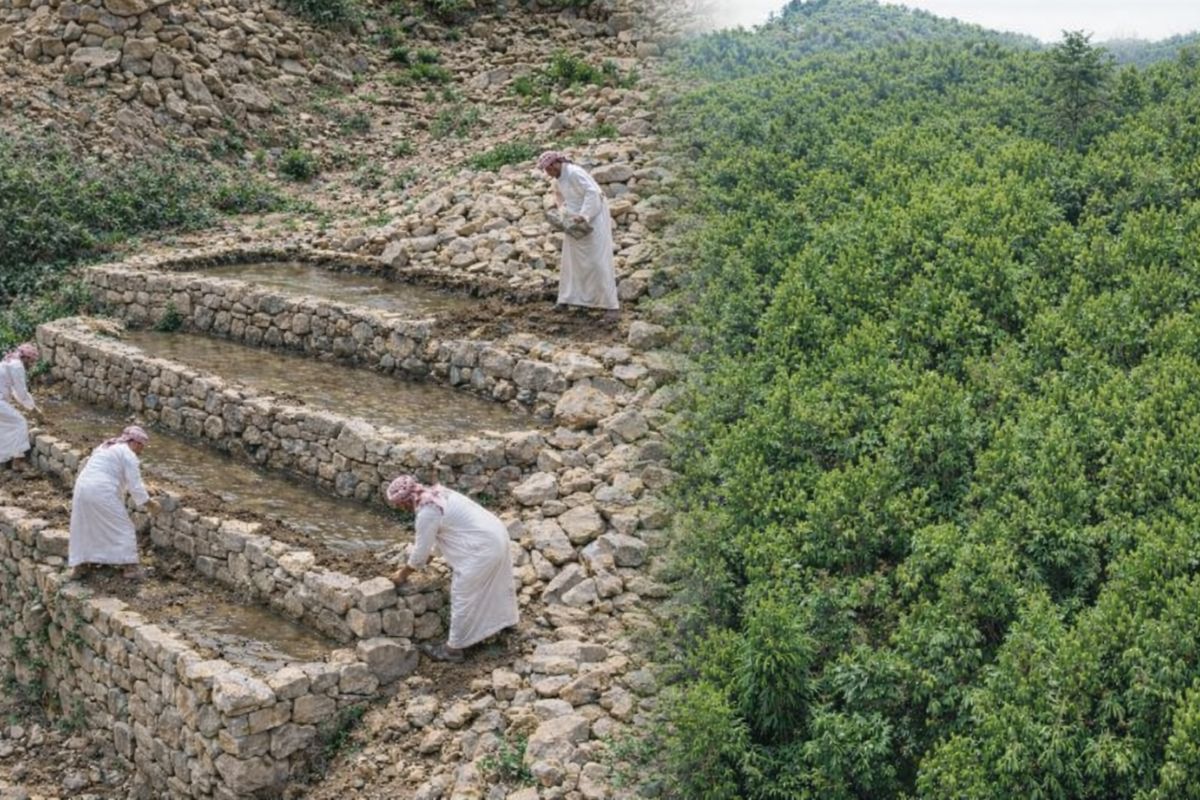


In The Saudi Arabian Desert, A Project In Al Baydha, 50 Km From Mecca, Turned Off Pumps In 2016 Leaving 4,000 Trees Without Continuous Irrigation. The Bet Was To Transform Floods Into Underground Storage, Reduce Evaporation And Prove That Regeneration Can Emerge When Water Management Changes Everything Once And For All.
In The Saudi Arabian Desert, What Seemed Like Madness Became A Tough Test Of Reality: Cutting Off The Water Supply In The Middle Of A Valley That Had Once Been Called “Land Of Death” And Observing Whether Nature Would Finally Be Able To Sustain Itself Without Constant Human Oversight. The Risk Was Simple To Understand: Thousands Of Young Trees Could Become Dry Firewood.
The Scene Was Albaida, An Isolated Valley 50 Km South Of Mecca, With Scorching Soil And Rare Rain, Often Below 60 Mm Per Year. There, Regeneration Did Not Depend On “Planting More”, But On A Less Intuitive Turn: Stop Losing Water When It Appears Violently, In Sudden Floods.
Why Water “Exists” And Still Disappears
The Most Common Narrative About Arid Lands Is The Lack Of Rain, But Albaida Exposes A More Specific Problem: When It Rains Little And In A Concentrated Manner, The Hot, Hardened Soil May Absorb Almost Nothing.
-
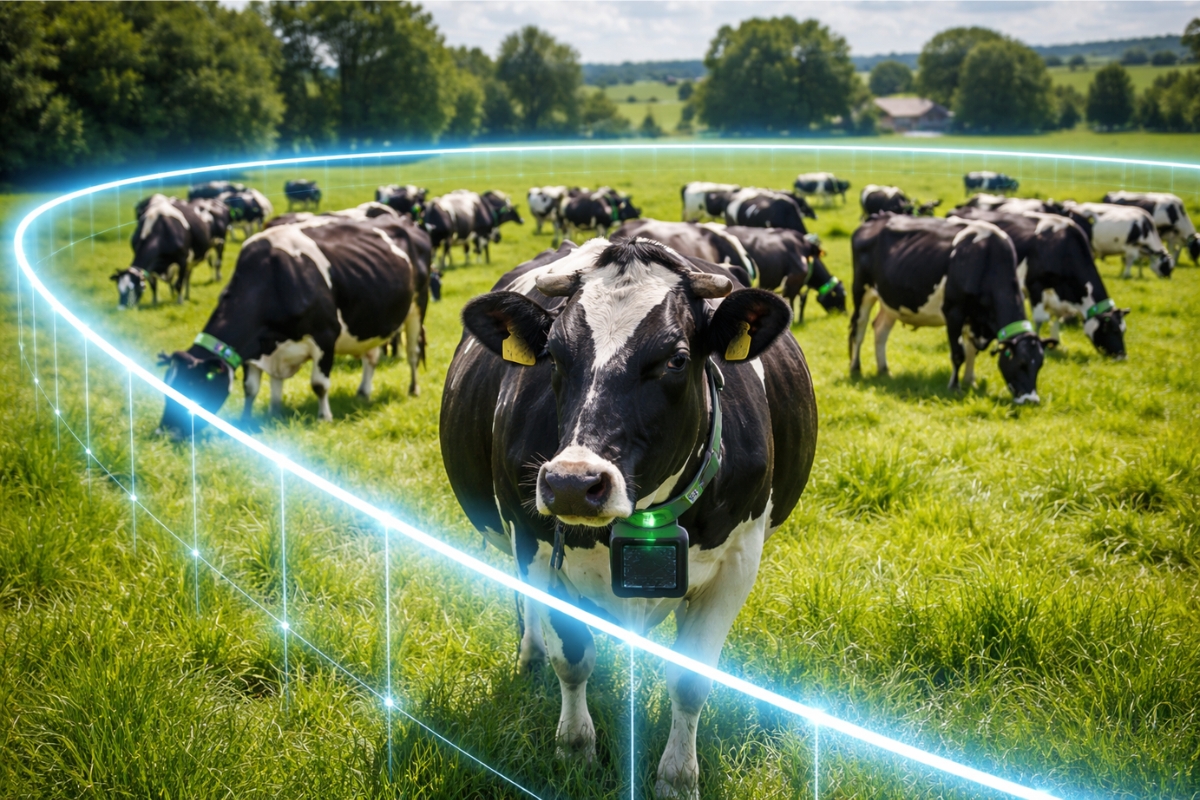
A new AI collar technology for cattle eliminates physical fences, creates virtual barriers, monitors animals 24/7, and detects changes in behavior and health.
-
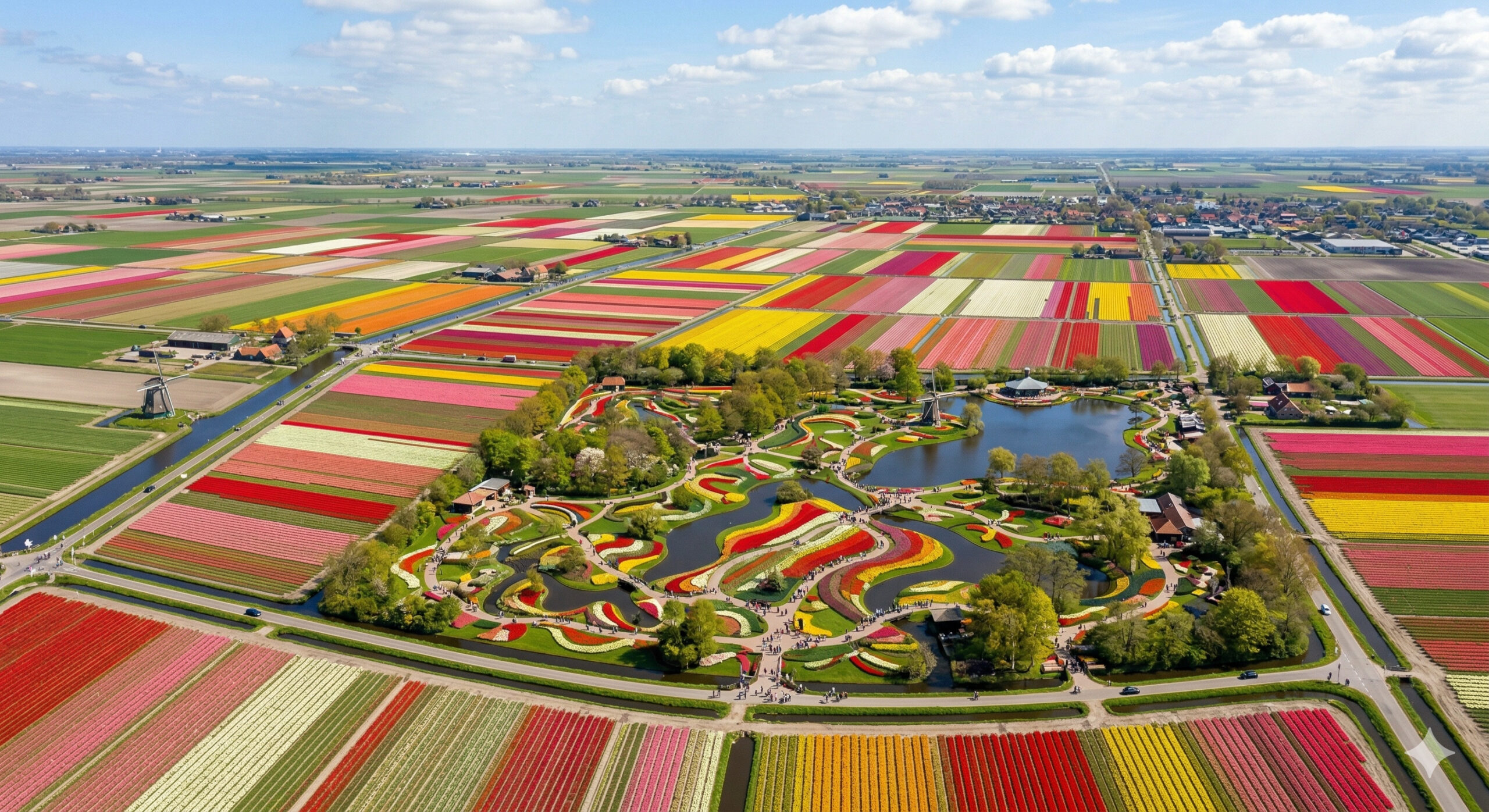
For a few weeks each year, an entire country blooms with billions of tulips, creating a mosaic of colors visible from the sky, while a single garden gathers more than 7 million flowers and attracts visitors from around the world to one of the most impressive shows in Europe.
-
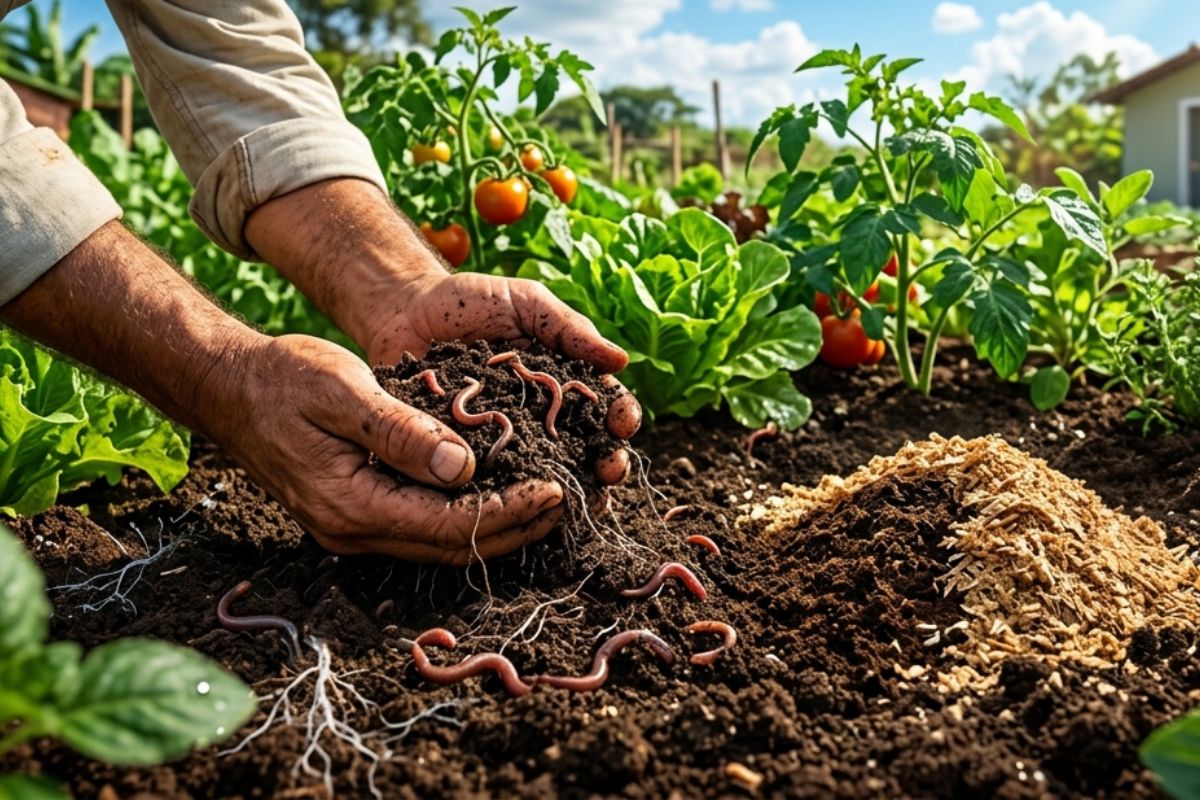
Bokashi, a Japanese technique of controlled fermentation, becomes the organic fertilizer that revitalizes the soil: it activates microorganisms and earthworms, improves pH and moisture retention, gradually releases nutrients, and helps prevent pests in the garden.
-
Archaeologists found giant shoes over 30 centimeters near Hadrian’s Wall that survived nearly two thousand years buried and now raise a mystery: who were these Roman soldiers so different from the others?
Water Flows Like A Blade, Quickly, And Disappears In Hours, Sweeping Away Sediments, Breaking Structures And Leaving Behind The Same Feeling As Always: A Place That Received Water And, Yet, Remained Dry.
This Is The Paradox Described In The Valley: The Desert Does Not Die Solely From Lack Of Water; It Dies Because Water Becomes A Destructive Event.
Studies Cited In The Material Indicate That, On The West Coast Of Saudi Arabia, About 90% Of The Fresh Water From Storms Can Be Lost To Rapid Runoff, Resulting In Flash Floods That “Sweep Everything” Away And Disappear Before Recharging The Groundwater.
What Existed Before The Degradation: The Pact That Held The Territory

Before The 1950s, The Local Landscape Was Sustained By A Community Management System Referred To As JIMA/HIMA. This Was Not A Folkloric Detail: It Was A Practical Rule That Organized Grazing Zones, Periods Of Soil Rest And Protection Of Water Sources, Reducing Continuous Pressure On Vegetation And Avoiding The Constant “Pavement” That Turns Soil Into Concrete.
When Modernization Eliminated This Pact, The Consequences Appeared Like A Domino Effect: Trees Were Cut Down For Firewood, Livestock Trampled To The Limit, Vegetation Disappeared And, With It, The Soil’s Ability To Retain Nutrients And Water.
The Social Outcome Is Indissociable From The Environmental: Bedouins Entered A Cycle Of Extreme Poverty, Desertification Reduced The Possibility Of Raising Livestock, And The Immediate Exit Became Destroying What Remained To Produce Charcoal. It’s The Kind Of Spiral That Makes The Desert Advance Without Needing A Single “Worse” Rainy Year.
The Engineering That Does Not Try To “Defeat” The Desert, Only Changes The Rules Of Water

The Turning Point In Albaida Was Not A Miracle Machinery. It Was A Combination Of Ancient Hydraulic Techniques (Associated With Incas And Nabateans) With Permaculture And Engineering Adjustments To The Terrain Itself: Handcrafted Stone Terraces On The Slopes, Ditches At The Bottom Of The Valley And Small Retaining Dikes. The Idea Was To Interrupt The Rush Of Water, Slow Down The Flow And Spread It Over A Larger Area.
This Changes Everything Because The Goal Is No Longer To Store Water In Open Reservoirs Where, Under 50 °C Sun, The Material Experiences Evaporation Losses Between 60% And 70%, But To Hide Water Underground, Protected From The Sun, Filtered By Sand And Rock, Ready For The Roots When The Heat Kicks In. Instead Of A “Tank,” The Project Aims To Turn The Valley Into A Sponge.
When The Plan Fails, It Improves: Why Floods Became “Teachers”
In The First Three Years, It Rained Exactly Four Times, And Even Then Structures Were Destroyed By Floods Soon After Being Completed. This Detail Is The Technical Heart Of The Experiment: Flood Water Has Force, And Any “Pretty” Solution That Ignores This Energy Breaks. However, Each Break Became Information, And The Project Reinforced Works, Adjusted The Flow Direction And Understood That Completely Stopping The Current Was A Mistake.
The Change In Approach Was Decisive: Instead Of Trying To Block Water As If It Were An Enemy, The Plan Began To “Mold” The Flow, Dividing The Force Into Thousands Of Smaller, Softer And Controllable Currents. It’s A Type Of Engineering That Accepts The Behavior Of The Desert And Works With It, Not Against It — An Essential Logic For The Saudi Arabian Desert, Where Rare Events Can Be Violent Enough To Undo Months Of Construction In Minutes.
The 4,000 Trees: Planting Was Part Of The Mechanism, Not Marketing
The First Trees Were Planted In 2012. By 2015, The Valley Had Over 4,000 Drought-Resistant Trees Of 10 Species. It Was Not “Just Planting”: The Species Included Native Varieties Like Acacia And Thorny Bush, Capable Of Extending Roots Up To 30 Meters In Search Of Water. This Data Explains Why The Project Had An Obsession With Infiltration: Deep Roots Only Work If There Is Moisture Stored Where The Roots Can Reach.
There Was Drip Irrigation, But As A Support Phase, To Get Through The Initial Period. From Then On, The Biological Mechanism Begins To Appear: Roots Anchor The Soil; Canopies Create Shade; Shade Reduces Evaporation; Vegetative Residues Form The First Layer Of Organic Matter. Regeneration Here Is A Chain Of Effects, Not A Single Heroic Act.
2016: The Water Cut And The Cruelest Test Of The Project
In 2016, Measurements Cited In The Report Indicated A Positive Sign: About 50,000 M³ Of Rainwater Had Infiltrated The Ground, While Only 20,000 M³ Were Used For Irrigation. For The First Time In Decades, The Water Balance Was Positive — Returning More Water To The Soil Than Was Extracted. However, Hope Collided With A Financial Crisis: Funding Is Drastically Reduced In A Context Associated With The Global Oil Price Crisis And The Freezing Of Budgets For Various Projects.
Without Money To Maintain Artificial Irrigation And No Resources To Operate Pumps, Neiles Spacman Made A Decision That The Local Population Considered Absurd: Completely Cut Off The Water Supply And Dismantle The Drip System. Bedouins Begged For Water Trucks To “Save” The Trees, Fearing Losing Six Years Of Effort. The Response Was Harsh: If The System Does Not Survive On Its Own In Its Own Climate, Then It Is Wrong. If The Trees Die, The Model Failed; If They Survive, It Becomes A Replicable Pattern.
The “Miracle” That Is Not A Miracle: Ancient Seeds, New Life And Microclimate
For Many Months, The Valley Is Described As Devastated By The Summer: Yellow Grass, Dropping Leaves, Absolute Silence, The Feeling That Everything Died For The Second Time. The Team Could Only Observe Whether The Roots Would Reach The Underground Water Stored From Previous Floods. And Then, When The Rains Return In The Colder Period, The Report Changes: The Project Area “Explodes” With Life.
Not Only The Planted Trees Survived. A Large Number Of New Plants Began To Grow Naturally, With Seeds That Had Been Dormant For Decades Until They Found Suitable Moisture. The Phrase That Summarizes The Logic Is Brutal And Simple: In Albaida They Did Not Plant A Forest; They Planted Water And The Forest Came Later. This Plant Diversity, With Trees, Herbs, And Native Shrubs, Creates An Important Physical Effect: The Cover Acts As An Insulating Blanket And Reduces Soil Temperature By 10 °C To 15 °C Compared To The Bare Desert Around, Reducing Evaporation And Fostering Night Dew Condensation.
The Return Of Wildlife As A Signal That The System Became “Functional”
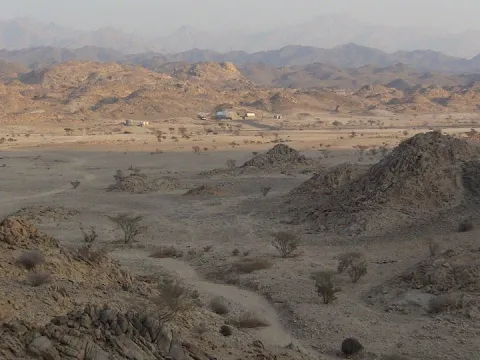

The Recovery Described Is Not Limited To Greenery. The Report Mentions A Food Chain Returning To Organize: Insects Attract Lizards; Lizards Attract Birds Of Prey. Species That Require More Stable Environments, Such As Stick Insects, Also Appear, And There Is Even Observation Of Natural Predators On The Edges Of The Valley, Such As Arabian Wolves And Striped Hyenas, Suggesting That The Ecosystem Would Already Have Enough Complexity To Support Life At Higher Levels.
This Kind Of Indicator Matters Because It Separates “Beautiful Landscape” From Territory That Functioned Again. In The Saudi Arabian Desert, Where Water Instability Is The Norm, Signs Of Ecological Stability Often Depend Precisely On What The Project Sought To Build: Infiltration, Shade, Living Soil And Water Protected From The Sun.
From The Valley To The Country: Water, Desalination And The Ambition To Scale
The Report Connects Albaida To A Greater Ambition: An Arab Green Initiative, Announcing The Planting Of 10 Billion Trees In The Coming Decades. The International Doubt Described Is Predictable, Because Mass Planting In The Desert Generally Seems To Depend On Expensive And Energy-Intensive Desalination.
Al Baydha Appears As “Technical Proof” That It Is Possible To Increase Vegetative Cover Without Fully Relying On Desalinated Seawater, Using Intelligent Management Of Existing Flood Waters.
The Economic Logic Appears In The Background: While The Country Loses Enormous Volumes Of Fresh Water In Floods, It Also Needs To Operate Expensive Desalination Plants, Burning Millions Of Barrels Of Oil. If The Water That Today Destroys Can Turn Into Underground Reserves, The Cost Of “Green” Changes Levels — And The Discussion Stops Being Only Environmental.
Circular Economy, Carbon And The Risk Of Becoming Propaganda
The Project Is Described As A Generator Of High-Value Byproducts: Desert Honey, Medicinal Plants, Acacia Resin And Sustainably Sourced Firewood From Controlled Pruning. This Alters The Local Incentive: Communities Do Not Need To Destroy The Forest To Survive; They Begin To Live By Protecting It.
The Report Also Brings A Strong Economic Estimate: The Conversion Of Dead Lands Into Agroforestry Systems Could Contribute Between 3% And 5% To The Gross Domestic Product Of Saudi Arabia.
In The Plan To Absorb Millions Of Tons Of Carbon Through Soil And Biomass, In Addition To The Capacity Of Deserts To Store Inorganic Carbon Through The Formation Of Limestone Layers, A Reservoir Potentially More Stable Than Carbon In Tropical Forests.
But There Is A Fine Line Here: The Greater The Promise Of Carbon Credits, GDP, “Green Turn”, The Greater The Need For Criteria, Transparency And Measurement, So As Not To Become Just A Pretty Narrative.
What Albaida Shows Is Not That “It Is Enough To Cut Water” And Wait. It Shows That, In The Saudi Arabian Desert, The Decisive Factor Can Be Transforming Flood Into Infiltration, Evaporation Into Underground Protection And Planting Into The Consequence Of A Well-Designed Water System. The Real Turn Happens When The Soil Starts To Hold Water Again And Life Once Again Has A Place To Lean On.
Now I Want A Personal Response From You, Because This Changes Everything Depending On Your Perspective: Would You Trust A Project That Requires Turning Off Irrigation To Prove It Works? And If You Lived In A Dry Region, Would You Bet More On Desalination And Heavy Technology Or On Simple Infrastructure To Capture Floods And Recharge The Groundwater?






We have to return towards nature & that too if we as a human race is to survive in these conditions. We should only ensure that the rain water is not wasted through flash floods. Ensure not a drop is wasted, it must all be absorbed by the dessert.
Arábia Saudita.
A Empresa EMBRAPA no Brasil possui uma tecnologia muito legal para reflorestamento e agronegócio.
Vale a pesquisa na internet.
Muitas pessoas já estão utilizando várias técnicas ajudadas pela EMBRAPA.
Felicidades.
Curvas de nível o chinês faz isso a milhões de anos