





 Portuguese
  English
  Spanish
  5 min of reading
  0 comments


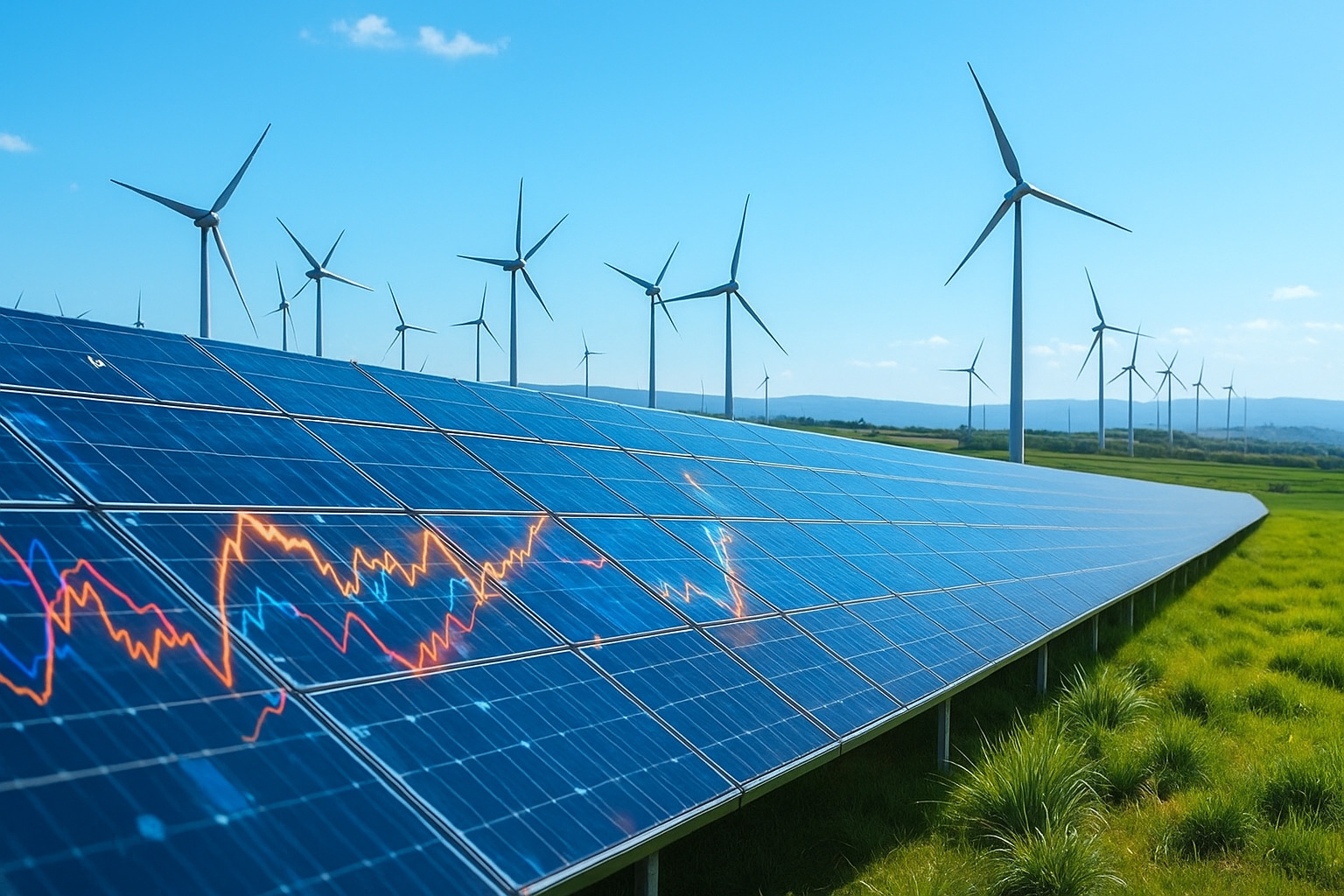
Increasing Wind And Solar Curtailments Impact Operations And Profitability Of Major Renewable Energy Companies In Brazil.
The renewable energy sector in Brazil is facing a challenging moment. In recent years, the expansion of solar and wind power plants has advanced rapidly, driven by subsidies and government incentives aimed at diversifying the energy matrix. Additionally, the goal was to reduce dependence on fossil sources.
However, this accelerated growth has brought to light a structural problem that directly affects the operations of the largest companies in the sector: winds and solar curtailments.
Energy curtailments, known in the industry as curtailment, involve the forced reduction of electricity generation from renewable sources. Thus, the National Electric System Operator (ONS) implements this practice to ensure the stability and security of the system. This measure prevents overload or imbalances in energy supply.
-
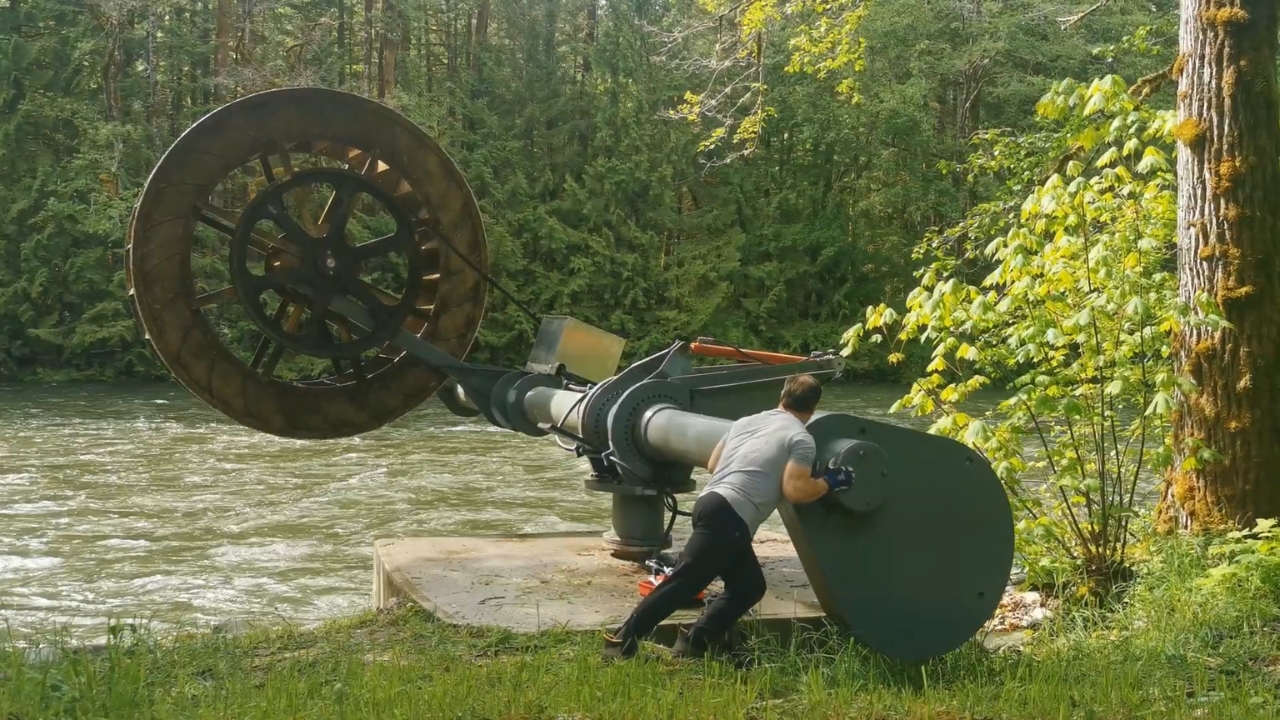
A Canadian retiree creates a hydroelectric system on a real river, generating energy continuously throughout the day and demonstrating how the power of water can supply a house with stability even in a simple structure.
-
Petrobras reaffirms its commitment to the market and ensures that it will carry out the energy transition safely to maintain national sovereignty.

-
Researchers discover a possible hydrogen deposit of up to 46 million tons beneath an ancient coal basin, and the volume could exceed half of the entire global production.

-
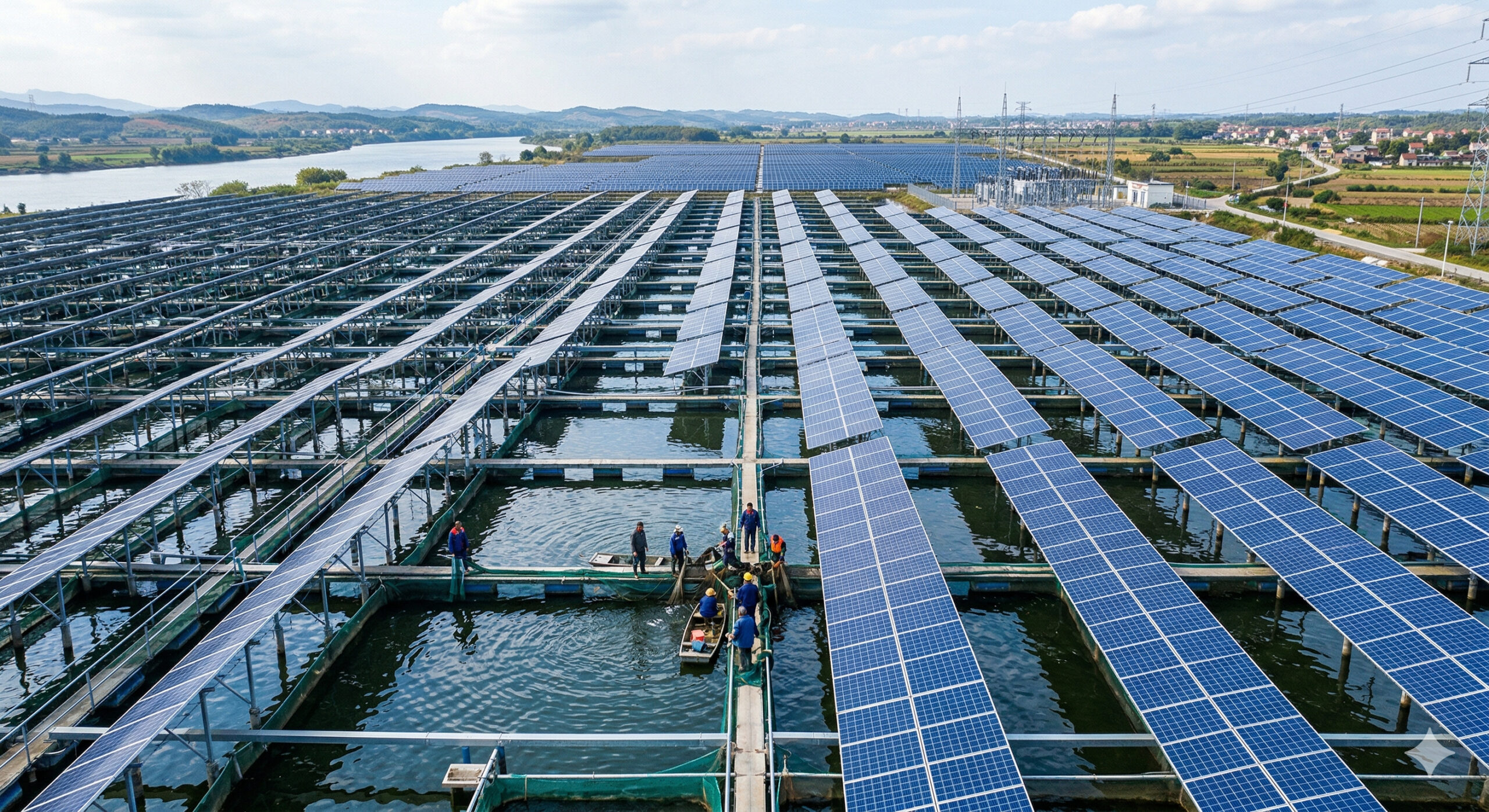
China bets on the Fishery-PV model and transforms fish farms into giant solar plants, covering ponds with panels that generate energy while utilizing the same space for large-scale aquaculture production.

While necessary at times, the recurrence of these curtailments directly impacts the profitability and predictability of the businesses that depend on these intermittent sources.
The sector’s history shows that the concern over overproduction of energy is not recent. Since 2021, the ONS has made detailed data on generation curtailments available, revealing a gradual increase in the problem.
Between 2021 and 2025, winds and solar curtailments caused accumulated losses of approximately R$ 6 billion, with half of that amount recorded just in 2025.
Additionally, the growth of distributed generation with solar panels in homes, businesses, and industries has contributed to exacerbating the scenario, increasing energy supply during specific times of the day, especially during peak sunlight hours.
Impacts on Companies and Distribution of Curtailments
In the third quarter of 2025, curtailment figures revealed a worrying trend. In the solar sector, generation reduction reached 34.1% of the plants’ potential, representing a significant jump from 23.8% in the previous quarter and 16.5% in the same period the year before.
In the wind sector, the curtailment hit 20.4%, a notable increase compared to the 11.9% observed in the previous quarter and 11.6% in 2024. Thus, while Brazil has one of the cleanest energy matrices in the world, the management of renewable energy still faces complex challenges.
The largest companies in the sector, including Echoenergia, Auren, and Engie Brasil, directly feel the effects of the curtailments. For instance, Echoenergia reported a 51.4% reduction in its solar generation capacity, while Auren faced 40.2% and Engie Brasil 34.2%.
In the wind segment, although the impact was smaller, CPFL and Copel reported curtailments of 33.7%, while Echoenergia, Auren, and Engie Brasil had rates between 22% and 26%. These figures show that wind and solar curtailments vary according to location, technology type, and installed capacity of the plants.
The problem goes beyond financial impact. Indeed, the curtailments compromise operational predictability and the performance of generating units. Companies with diversified portfolios can mitigate part of the losses by using other energy sources, such as hydropower plants, which store water during the day and generate electricity during peak demand times.
However, for those heavily exposed to intermittent sources, winds and solar curtailments represent a significant risk, potentially affecting financial stability and investment capacity.
Structural Causes and System Challenges
Industry experts point out that curtailments primarily occur due to a lack of demand at specific times, especially during the day and on weekends. Furthermore, the rapid expansion of distributed generation with high subsidies contributes to the problem. As a result, this excess energy overloads the system, making it necessary to reduce generation from centralized plants.
On the other hand, another historical challenge for the sector involves the adaptation of the Brazilian electrical system to intermittent sources. The country built its matrix mainly based on hydropower plants, which can regulate production according to demand.
However, the large-scale entry of solar and wind energy has brought greater volatility, requiring new planning models, more flexible regulatory rules, and integration of storage technologies. Without these measures, winds and solar curtailments are likely to become more frequent.
Solutions Under Discussion
To tackle the problem, experts and regulators are discussing several solutions. Among them, mechanisms that establish an hourly price signal stand out, allowing the system to better reflect energy supply and demand. This measure encourages a more efficient use of renewable sources and reduces the economic impacts of curtailment.
Another proposal envisions auctions in which the accumulated losses from curtailments turn into assets that hydropower generators could acquire, promoting a financial balance between different types of generation.
Additionally, regulating storage systems, such as battery banks, allows for the absorption of excess solar energy during the day. It also enables dispatching electricity during peak demand times. Thus, these systems help reduce winds and solar curtailments and increase the reliability and flexibility of the electrical system, making it more resilient to fluctuations in supply.
Another solution under consideration involves modernizing transmission lines and adopting digital technologies to improve monitoring and coordination among different plants. Therefore, the integration of smart systems allows for precise management of generation and consumption, making winds and solar curtailments smaller and more predictable.
Historical Perspective and Industry Learning
Historically, Brazil has always had a energy matrix dominated by hydropower, with strong capacity to regulate production and store energy. However, the large-scale entry of intermittent sources has brought new management challenges, necessitating modernization of the control system, adaptation of regulatory rules, and greater integration among different sources of generation.
Therefore, winds and solar curtailments reflect the very need to harmonize this energy transition, balancing sustainable growth and security of supply.
The major companies in the sector recognize the importance of strategic measures to address the problem. Engie Brasil diversifies its portfolio and optimizes contracts to reduce exposure to curtailments. Additionally, Echoenergia advocates for structural changes in legislation and regulation, with equality among all generators and elimination of subsidies that distort the market’s economic signals.
For both, constant dialogue with the regulatory sector is essential to implement solutions that modernize the Brazilian energy matrix. The rapid growth of the solar and wind market also shows that awareness of energy efficiency and strategic planning will be essential for the future.
Thus, companies that invest in innovation, storage, and technological integration will be better prepared to face winds and solar curtailments, reducing risks and making the sector more economically sustainable.
Winds And Solar Curtailments Are A Challenge
In summary, winds and solar curtailments represent a growing challenge but also an opportunity for the sector to rethink strategies, modernize systems, and create mechanisms that make operations more efficient and sustainable. Indeed, historical learning shows that while Brazil has made progress in generating clean energy, it is essential to align incentives, regulation, and technology so that the expansion of renewable sources does not compromise the stability of the electrical system or the profitability of companies.
The current scenario highlights the need for continuous planning and innovation. Consequently, the success of the sector will depend on the ability to integrate technical, economic, and regulatory solutions, ensuring that the growth of renewable energy consistently contributes to the country’s energy matrix. Thus, winds and solar curtailments cease to be just a problem and become an indicator of the maturity and efficiency of the Brazilian electricity sector.










Seja o primeiro a reagir!