





 Portuguese
  English
  Spanish
  6 min of reading
  0 comments


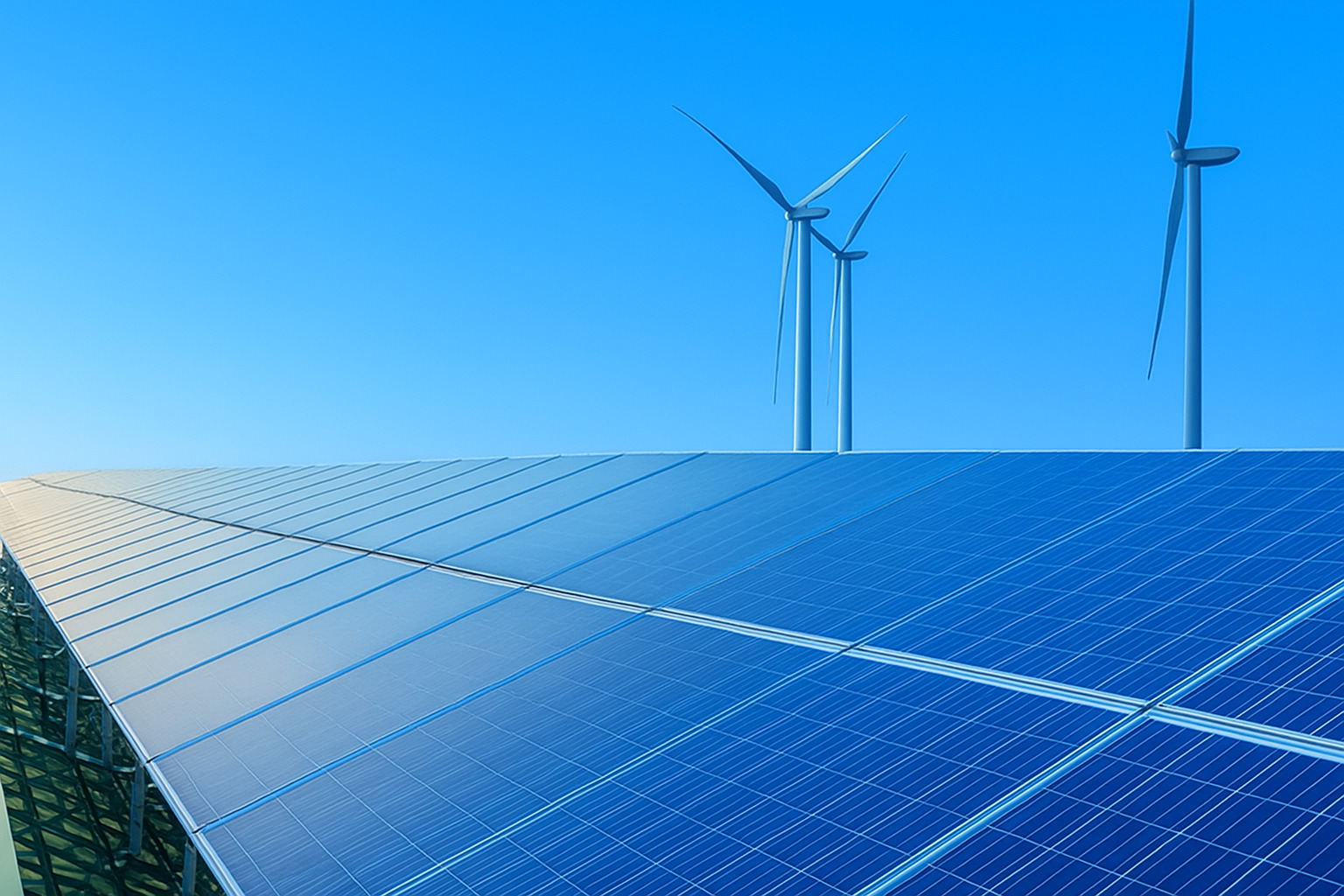
Discover How Generation Cuts Cause Billions in Losses to Wind and Solar Plants in Brazil, Impacting Investments and Local Communities.
Generation cuts cause significant losses to renewable energy companies in Brazil.
Moreover, they generate economic and social impacts that extend throughout the production chain.
Between January and September of this year, companies lost about R$ 4.2 billion in revenue, according to data from the consulting firm Volt Robotics.
This scenario highlights not only the fragility of the Brazilian electrical system but also the urgency for solutions that allow for greater stability and predictability for clean energy generators.
Historically, the Brazilian electrical sector has always faced challenges related to the supply and demand for energy.
Since the construction of the first hydropower plants in the early 20th century, the country has sought to balance energy production with economic growth and industrial expansion.
-
The Brazilian state accelerates industrial competitiveness with a focus on the extraction of strategic minerals to boost the energy transition in Goiás.
-
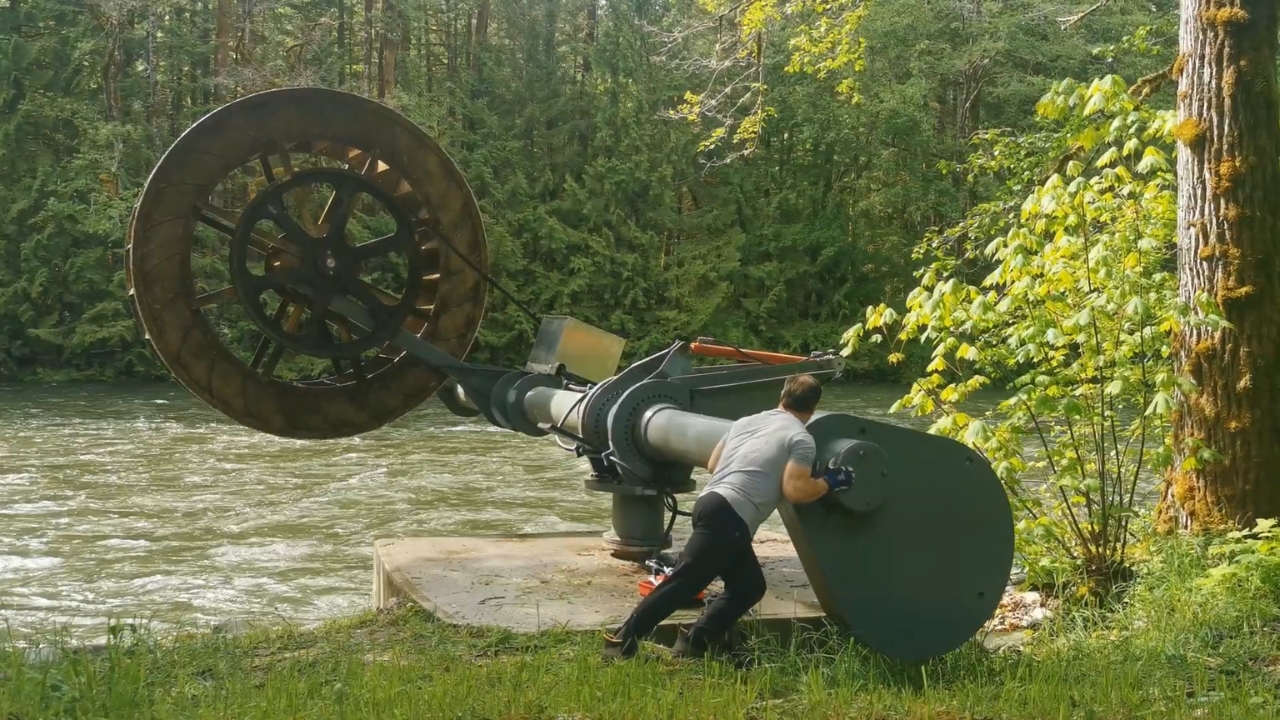
A Canadian retiree creates a hydroelectric system on a real river, generating energy continuously throughout the day and demonstrating how the power of water can supply a house with stability even in a simple structure.
-
Petrobras reaffirms its commitment to the market and ensures that it will carry out the energy transition safely to maintain national sovereignty.

-
Researchers discover a possible hydrogen deposit of up to 46 million tons beneath an ancient coal basin, and the volume could exceed half of the entire global production.


For example, plants such as Paulo Afonso and Furnas have driven regional development by providing reliable energy and strengthening the local economy.
Additionally, over time, new energy sources such as solar and wind have begun to gain traction.
Especially since the 2000s, public policies and financial incentives have encouraged the diversification of the Brazilian energy matrix.
However, despite these advances, generation cuts cause increasing losses, showing that there are still structural limitations that impede the continuous production of energy.
For this reason, the National Electrical System Operator (ONS) requests companies to halt production, even when generation conditions are favorable.
This measure seeks to balance the national electrical system and avoid overloads or imbalances between supply and demand.
Nonetheless, the constant repetition of these cuts indicates a critical fragility that needs to be urgently addressed.
Economic and Regional Impacts of Generation Cuts
The financial impact on generators is severe.
In September, for instance, the ONS interrupted 6,788 average megawatts of energy, an increase of 14% compared to the previous month.
Thus, this volume represents almost half of the annual output of the Belo Monte Plant in Pará and exceeds the average production of Itaipu by 65% in the same month.
These figures illustrate that the country’s generation capacity is not being fully utilized.
Moreover, the economic effects ripple through the entire production chain.
The most affected states include Minas Gerais, Ceará, Rio Grande do Norte, Bahia, and Pernambuco, where large wind and solar farms account for a significant share of national generation.
Consequently, the interruption of production causes not only direct financial losses but also indirect impacts on suppliers, service providers, project financing banks, and local communities that depend on energy generation in their territories.
Therefore, it is clear that generation cuts cause losses far beyond the plants themselves, affecting families, small entrepreneurs, and regional economies.
Furthermore, the cuts directly affect the confidence of investors in the clean energy sector.
Indeed, long-term projects require revenue predictability, and the frequency of interruptions discourages new investments in renewable energy.
Therefore, it also undermines Brazil’s competitiveness on the international stage, at a time when countries around the world seek to expand their clean energy matrix, attracting foreign capital and technological innovation.
Generation cuts cause losses to the country’s decarbonization initiatives.
On the other hand, renewable energy plays a strategic role in Brazil’s commitment to climate targets, reducing dependency on fossil fuels and promoting environmental sustainability.
Thus, interrupting the production of clean energy not only harms the economy but also compromises the reliability of the green energy matrix, slowing advances that could reduce greenhouse gas emissions and strengthen the energy security of the country.
Solutions to Reduce Cuts and Their Impacts
Among the proposed solutions is the expansion of electrical transmission infrastructure.
For instance, new transmission lines could distribute the generated energy in regions with high wind and sun availability more efficiently to consumer centers.
Thus, accelerating these works, expected for 2027 and 2028, would help to minimize interruptions and reduce impacts on renewable energy generators.
Additionally, modernizing substations and implementing digital monitoring systems could improve network control.
This way, it would allow quick responses to overloads.
Another relevant measure involves compensation mechanisms.
Currently, generators prevented from producing do not receive adequate compensation.
Therefore, creating financial instruments that guarantee proportional indemnities for non-generated energy would be an important step to protect the sector.
These resources could come from adjustments in energy contracts, revenue sharing from hydropower plants, or specific funds aimed at balancing financial impacts.
This way, generators would not be penalized for electrical system failures that are beyond their control.
The development of energy storage technologies is also essential.
For example, batteries and smart systems could absorb excess generation during high production periods, such as during the morning and early afternoon when solar energy peaks.
Consequently, some of the energy that is currently wasted could be stored for later use.
This would reduce the need for cuts and increase system efficiency.
Moreover, encouraging small residential installations with home batteries would also help create a more balanced grid.
Benefits of Intelligent and Social Consumption
Adopting differentiated rates throughout the day could stimulate more balanced consumption, allowing renewable energy to be better utilized.
For example, lower prices during periods of higher generation and higher values at night could guide consumption.
This measure would reduce the mismatch between supply and demand and decrease the frequency of cuts.
Measures like this encourage conscious energy use and strengthen the sustainability of the electrical system.
Generation cuts cause not only financial but also social losses.
Indeed, communities that depend on renewable energy face economic consequences when generators lose revenue.
Small farmers and landowners leasing land for wind or solar farms receive less, jeopardizing local development projects and sustainable initiatives.
Therefore, these impacts can generate prolonged effects, such as decreased employment and discouragement of investments in regions more reliant on clean energy.
Historically, Brazil has faced similar challenges, especially during drought periods that affected hydropower generation.
However, now the cuts primarily affect modern renewable sources that depend on wind and solar.
These intermittent natural resources could be better utilized with proper infrastructure and efficient regulatory policies.
Thus, learning from past experiences and integrating storage, transmission, and intelligent management technologies is crucial to prevent recurring generation cuts from causing losses.
Paths to a Sustainable Future for Renewable Energy
The current situation highlights the urgent need for an integrated approach, involving investments in transmission, regulation of compensations, and encouragement of energy storage.
Only with structured measures will it be possible to ensure that the production of renewable energy continues to grow.
This would contribute to energy security, environmental sustainability, and regional economic development.
Furthermore, it is also important to foster technological innovation and training programs.
Thus, sector professionals would operate and maintain more modern and resilient systems.
In summary, generation cuts cause significant losses to wind and solar plants, threatening not only the financial viability of projects but also the sustainable advancement of the Brazilian energy matrix.
Therefore, the sector requires immediate and long-term solutions, combining technology, regulation, and public policies that ensure that clean energy is effectively utilized.
Historically, Brazil has demonstrated the ability to overcome challenges in the electrical sector.
Now, with planning and innovation, it is possible to minimize losses, protect investments, and strengthen the contribution of renewable sources to the economic and environmental development of the country.







Seja o primeiro a reagir!