





 Portuguese
  English
  Spanish
  3 min of reading
  0 comments


How Cuts In Renewable Energy Increase Electricity Bills And Affect The Electricity Sector
In recent years, the cuts in wind and solar energy generation have increased considerably in Brazil. According to the National Electric Energy Agency (ANEEL), between 2022 and 2024, the volume of electricity wasted due to restrictions in the electrical system grew by more than 200%. As a result, consumers and investors face increasing challenges.
Moreover, the lack of adequate infrastructure in the transmission lines prevents the full utilization of the electricity generated. Therefore, financial losses accumulate, while the energy tariff progressively rises.
On August 15, 2023, a blackout affected almost the entire country, leaving millions of Brazilians without power for several hours. The National Operator of Electric System (ONS) indicated that overload on the grid was one of the main causes of the incident.
-
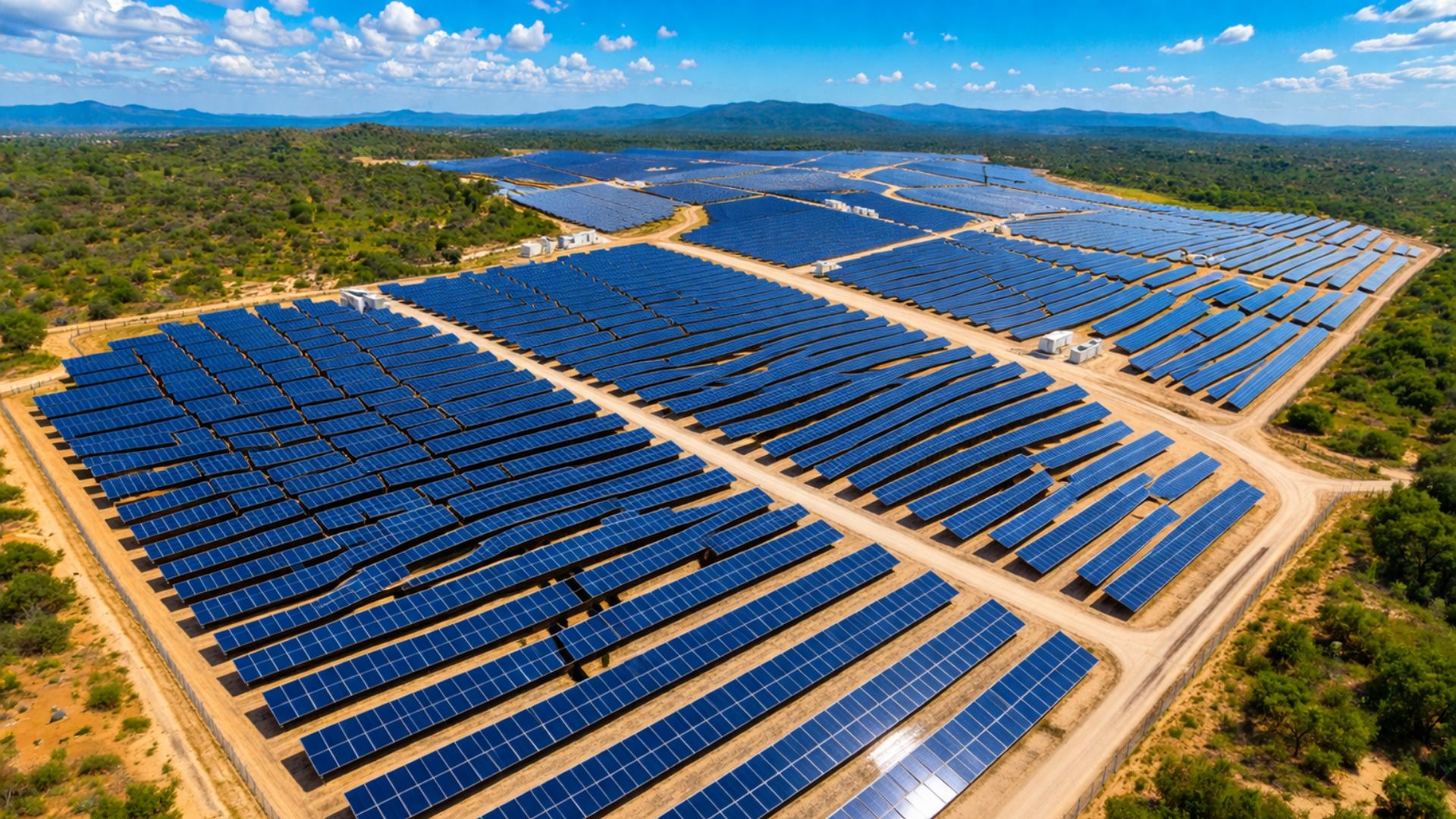
The Sol do Agreste Photovoltaic Complex begins operations in Pernambuco and accelerates the expansion of solar energy in Brazil, directly impacting the reduction of emissions and strengthening the sustainable energy matrix.
-
The Sol do Agreste Photovoltaic Complex begins operations in Pernambuco and accelerates the expansion of solar energy in Brazil, directly impacting the reduction of emissions and strengthening the sustainable energy matrix.
-
Renewable energy advances over protected areas in Brazil, and a survey by the Energy Transition Observatory reveals silent impacts that challenge environmental conservation and pressure sensitive traditional territories.

-
Rio Grande do Sul accelerates energy transition: State invests in renewable technologies and consolidates decarbonization strategies and pathways to attract billions in new industrial investments.

Since then, stricter measures have been adopted to prevent new collapses in the system. However, these actions have intensified the so-called curtailment, that is, the cuts in renewable energy generation to prevent overloads in transmission.
Why Does Wind And Solar Energy Generation Suffer Reductions?
Currently, the Brazilian electricity sector is going through a critical moment. According to data from the ONS released in January 2025, cuts in solar and wind generation reached historic records in the second half of 2024.
In the month of December, for example, 17.8% of solar generation and 9.8% of wind generation were wasted due to the inability of the transmission infrastructure.
Since the 2023 blackout, the ANEEL and the Ministry of Mines and Energy (MME) have reinforced guidelines to prevent overloads in the system. As a result, wind and solar energy plants have begun to experience production restrictions, even when weather conditions favored generation.
However, experts warn that these measures, although preventive, may have negative long-term effects, especially on electricity prices.
The lack of expansion of transmission lines is the main factor for the increase in cuts.
Without new investments, the problem may worsen even further by 2030, especially with the increasing participation of renewable energies in the Brazilian electricity matrix.
What Factors Cause The Cuts In Energy Generation?
Many factors contribute to the increase of curtailment. Firstly, the lack of capacity in transmission lines prevents all generated energy from being utilized.
According to a report by the Energy Research Company (EPE), published in 2024, the expansion of transmission has not kept pace with the growth of solar and wind plants over the past five years.
This means that, even with record production of clean energy, a significant portion of this electricity is wasted.
Additionally, current public policies still do not encourage the adaptation of the electrical system to renewable sources. Unlike hydroelectric and thermal plants, which can adjust their production according to demand, solar and wind energy depend on weather conditions.
Thus, the absence of modern infrastructure hampers the efficient management of generated electricity.
Another important problem involves the lack of a dynamic market for buying and selling renewable energy.
If there were more flexibility in the system, wastage would be reduced.
How Do Cuts In Renewable Energy Increase Electricity Bills?
With the increase in cuts in wind and solar energy generation, consumers are already feeling the financial impacts.
Additionally, companies are seeking compensation for losses caused by the cuts.
If the courts grant compensations, the costs may be passed on to electricity tariffs, further increasing prices for consumers.
What Measures Can Reduce The Cuts In Energy Generation?
To reverse this scenario, the electricity sector needs to urgently invest in modernizing transmission lines.
According to the EPE, at least R$ 50 billion will be needed by 2030 to enable the expansion of the national electricity system and better integrate renewable sources.
In addition, energy storage through batteries and the implementation of smart grids can optimize electrical distribution.
Another essential factor involves creating a more flexible market for renewable energy trading.
Finally, the government needs to adopt public policies that encourage distributed generation and the decentralization of electric energy.
If the government implements these measures quickly, Brazil will better harness its renewable potential and ensure a more secure, sustainable, and economical energy supply for all.









Seja o primeiro a reagir!