





 English
  Francês
  Alemão
  Italiano
  Japonês
  Norueguês
  Portuguese
  Spanish
  3 min of reading


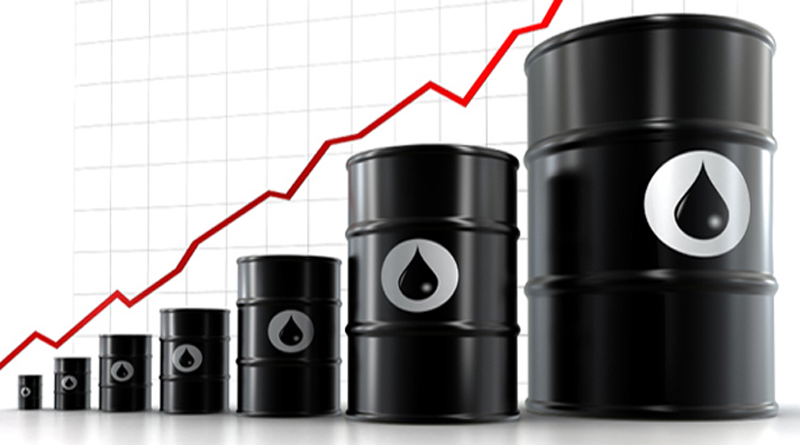
According to Fernanda Delgado, Executive Director of IBP, with Russia losing space as a supplier due to the war, Brazilian oil producers may benefit from the market imbalance
The price of oil around US$ 100, the highest since 2014, may benefit Brazil, a country that has become a major oil producer and exporter over the past decade. According to Fernanda Delgado, the fact that Russia is losing space as a supplier will open the possibility to import from other suppliers, potentially reviving Iran, Venezuela, and also bringing opportunities for Brazil, due to its already established and active market. In the current scenario, Brazil may benefit from high demand and gain part of the international market, which will encourage production in Brazil.
Read Also:
- Production of Maritime Fields in Pre-Salt Sets Record with 2.9 Million Barrels of Oil Per Day and 98.6 Million Cubic Meters of Natural Gas Daily, Corresponding to About 75% of the National Total
- PetroReconcavo Increases Oil and Gas Production in Onshore Fields
- With Instability in the Global Oil Market Due to the War in Ukraine, Bento Albuquerque Discusses the U.S. Request to Brazil and Other Measures Taken in the Country
For Flávio Conde, a professor at Unesp, the effects of the war on Brazil’s oil sector are divided into two phases: before and after the adjustment of Petrobras fuel prices. Before, the beneficiary area was that of crude oil producers who import the barrel at international market rates, since the profit of producers is proportional to the price of the barrel of oil. Petrobras only benefits when it adjusts fuel prices at refineries, so when it imports oil at a higher price on the external market, it avoids losses.
According to Conde, “Before the adjustment, I calculated a loss of R$ 12 billion in the first quarter from this difference. It was an additional expense to avoid passing on prices.”
-
Expansion of Federal Institutes: 38 new campuses and R$ 200 million for public education; see the cities included.

-
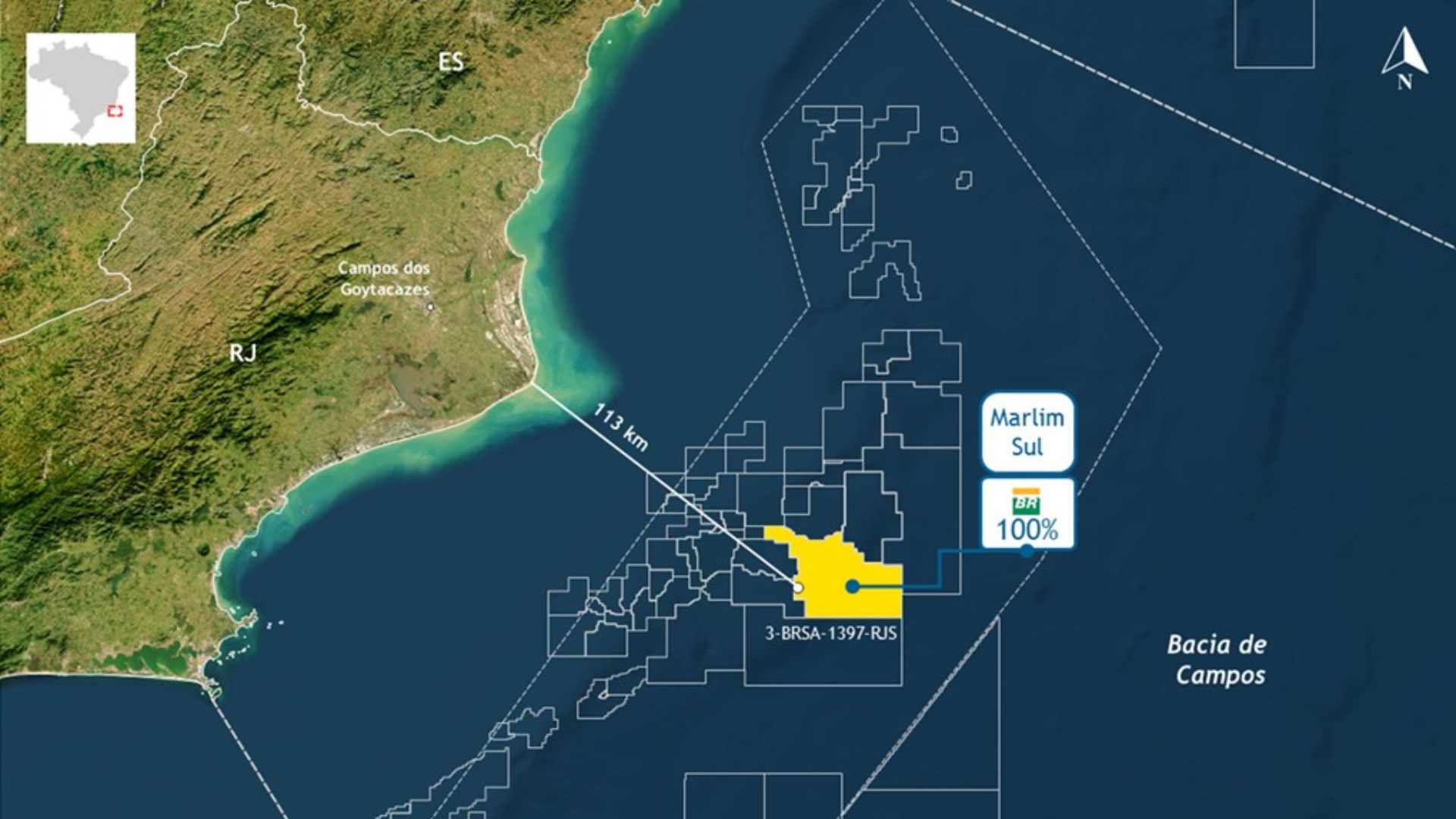
Petrobras announces new oil discovery in the pre-salt of the Campos Basin and reinforces Brazil’s prominence with high-quality reserves that can increase production and energy revenues.
-
Alert in the fuel market: Analysts and a former director of ANP warn that oil prices may worsen in the coming months due to global instability.
-
Lula’s government changes rule in important benefit and thousands of Brazilians will no longer receive it; see what has changed.


Petrobras Adjustments Take About 60 Days
Flávio Conde believes that Petrobras adjustments take an average of 50 to 60 days, a reasonable time when the market is in normal conditions, but not currently, with the sharp rise in oil prices.
Former ANP president and current president of Enauta, Décio Oddone estimates that for a country with more expensive oil, losses will, on average, be three times the gains. For Décio, in comparison to when the country was completely dependent on oil imports, the current scenario is already an improvement. Décio states that “For each increase of US$ 1 in the price of oil, Brazil has an increase of around R$ 1 billion in revenue, but the impact of the increases in major derivatives is around R$ 3 billion more in costs for society.”
Oddone explains that Brazil is still dependent on imported oil products for domestic consumption, even after achieving self-sufficiency in crude oil. He adds that in the 1980s, the oil crisis was a double crisis, as besides the high prices, Brazil also faced an external debt crisis.
The former ANP director, David Zylbersztajn, emphasizes that the downsides of high oil prices may outweigh the benefits. “For Petrobras, high oil prices are good business, but it is negative for those who need to buy. Oil is an input for many things, from road transportation and aviation to gas cylinders. There’s no way around it; everything will get more expensive,” says Zylbersztajn.
Source: CNN








Seja o primeiro a reagir!