





 Portuguese
  English
  Spanish
 5 min of reading
  4 comments


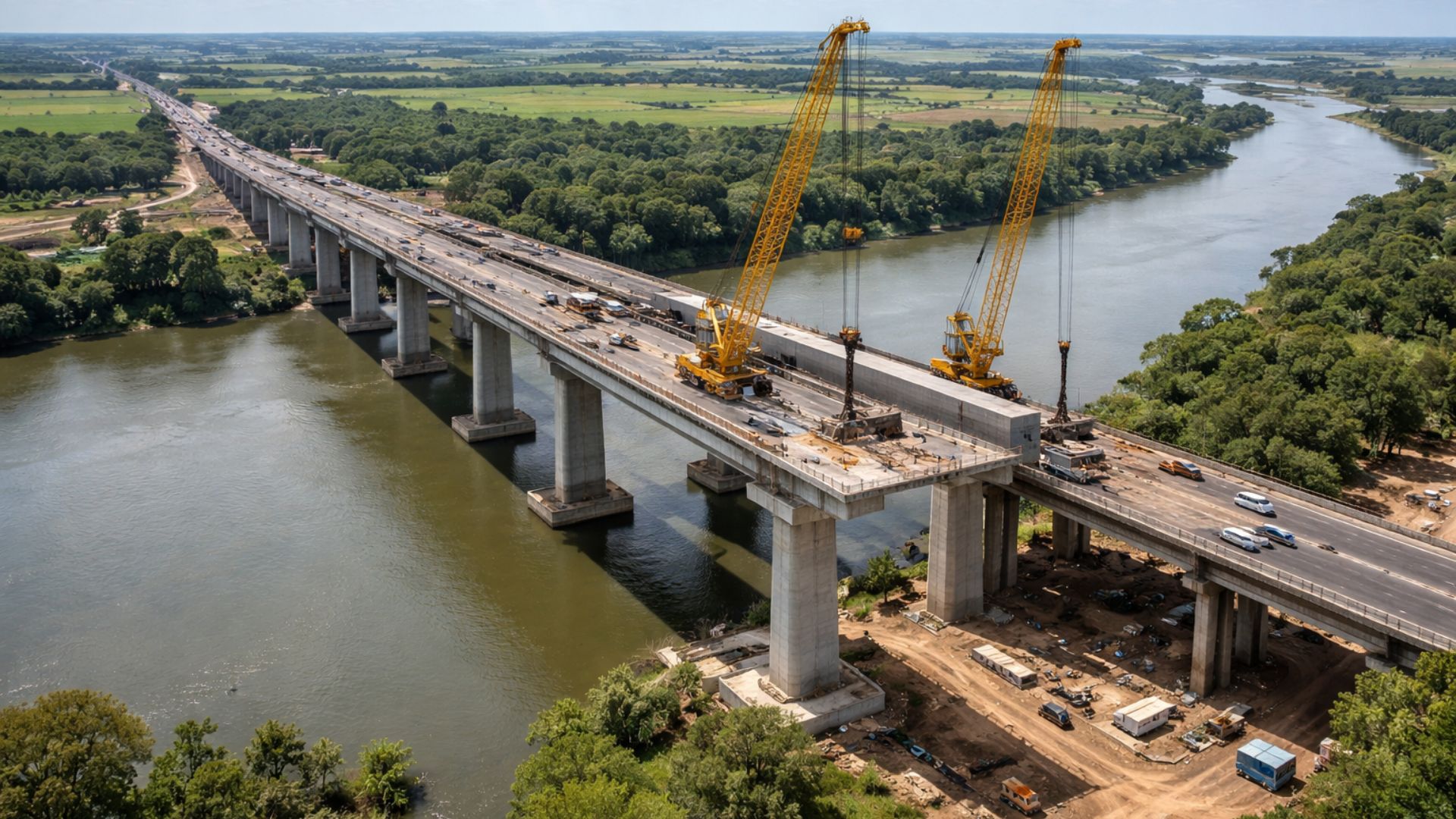


Large Infrastructure Work in the Interior of São Paulo Advances Over the Tietê River, Gathers Significant Engineering Numbers and Integrates the Duplication Package of the SP-333, with Direct Impact on Regional Mobility and Official Prediction of Delivery by 2026.
The construction of the largest bridge in the state of São Paulo over the Tietê River has reached 60% completion, according to information released by the São Paulo government.
The structure is located on the Dr. Mário Gentil Highway (SP-333), between Novo Horizonte and Pongaí, in the interior of the state, and is part of the set of works for the duplication and adaptation of the road corridor.
The estimated investment is R$ 373 million, with expected delivery by 2026.
-
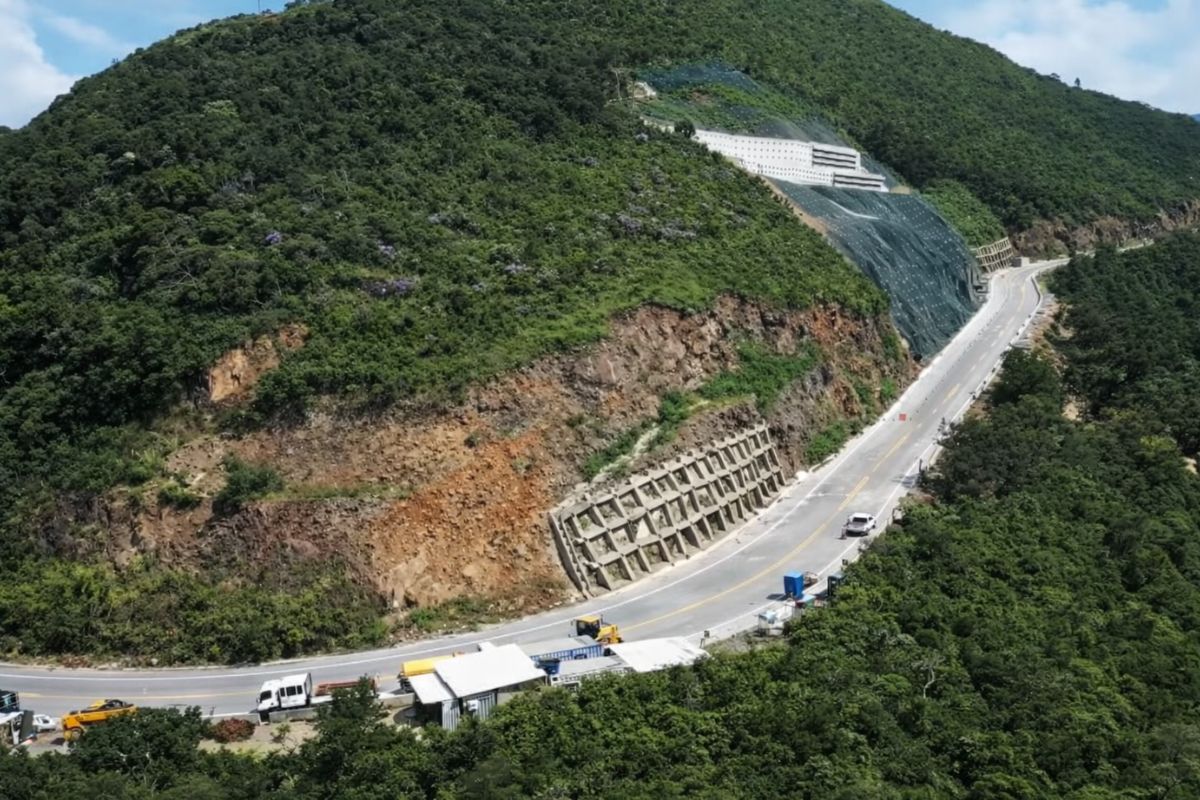
The section of Serra da Rocinha on BR-285 is now open in Timbé do Sul: 50 m tensioned curtains and top-down technique stabilize the slope, with a stairway duct controlling the water.
-
Scientists use sawdust mixed with clay to create a lighter brick, promising efficient thermal insulation and impressing by transforming waste into a solution for construction.

-
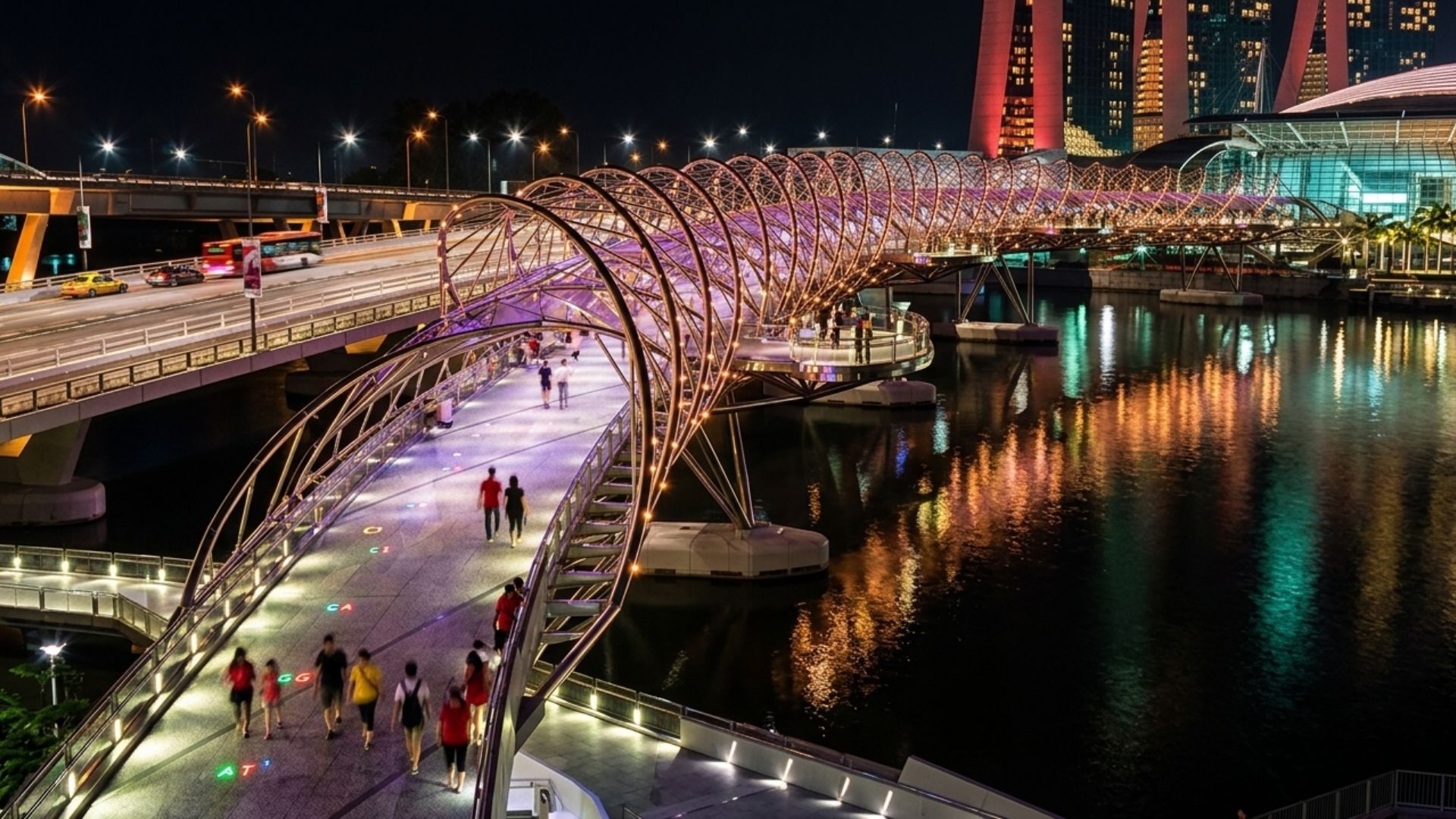
With a DNA shape, this bridge in Singapore draws attention in modern architecture and surprises tourists by transforming a simple crossing into an unforgettable visual experience in the urban heart.
-
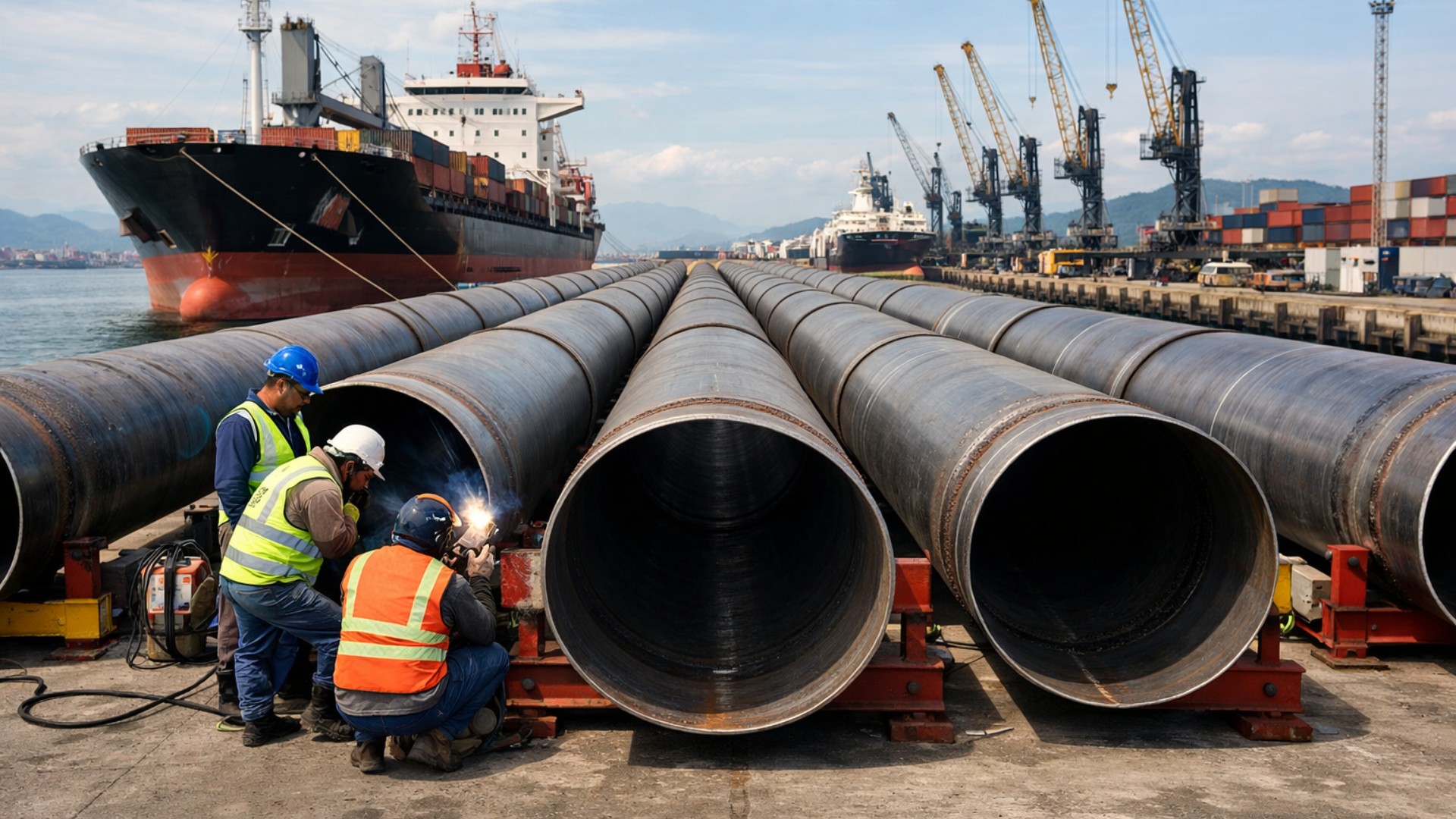
Giant underwater pipeline begins to take shape with a R$ 134.7 million project at the Port of Santos: the 1.7 km structure uses 12-meter and 700 mm pipes to supply water to 450,000 people in Guarujá.

With a 2,416-meter span, the new bridge has been designed to increase the crossing capacity over the river in a section used for both local travel and the transportation of loads related to the region’s agribusiness activities.
According to the presented project, the structure will concentrate the main vehicle traffic, while the currently operational bridge will undergo adaptations for pedestrian and cyclist circulation.
Physical Advancement of the Work and Government Monitoring
According to data from the state government, more than 100 beams have already been launched and about 1,000 meters of slabs have been installed so far.
These indicators are used by the public administration as a parameter to inform that the execution is in line with the released schedule.
The work is under the supervision of technical teams and representatives of public authorities, who conduct periodic inspections at the site.

In institutional communications and reports published throughout the execution, different percentages of physical advancement appear, associated with distinct moments of the work.
Still, the index of 60% is the most recurring number in the official information available at the moment.
Construction Next to the Existing Bridge Keeps Traffic on the SP-333
The new bridge is being built alongside the current structure, in the eastbound direction of the SP-333, between kilometers 229 and 232.
According to the executive project, this configuration allows for the maintenance of traffic on the existing crossing during the works, avoiding prolonged closures or the need for extensive detours for road users.
There are plans for two traffic lanes in the new structure, sized to accommodate both light and heavy vehicles.
As reported by the São Paulo government, the increase in capacity aims to reduce congestion points and organize traffic flow during peak demand periods.
Central Span and Precast Beams Determine Engineering Solutions
Among the technical aspects highlighted by the project is the central span of 125 meters.
According to information disclosed by those responsible for the work, this section requires specific structural solutions to meet the safety and performance criteria established in engineering standards, as well as to minimize interference in the riverbed.

Another central element of the construction is the use of 208 precast beams, each measuring 41 meters in length and weighing approximately 74 tons.
The pieces are manufactured at a plant installed on-site.
According to the state government, this strategy reduces logistical displacements and allows greater control over the construction process during execution.
At the current stage, work is focused on launching the beams and installing the slabs.
The next steps include paving, implementation of drainage systems, barriers, lighting, and conducting load tests, as per the schedule released by the technical managers.
Old Bridge Will Be Adapted for Pedestrians and Cyclists
The project for the road complex foresees the separation of functions between the two structures.
While the new bridge will be designated for vehicle traffic, the existing bridge should be revitalized for pedestrian and cyclist use.
The announced interventions include lighting improvements and safety adjustments, with the creation of specific spaces for non-motorized circulation.
According to the planning presented by the government, the reorganization of flows aims to manage the different types of travel between the banks of the Tietê River.

The implementation of this model is conditioned to the completion of the new bridge and the execution of the works planned for the current structure.
Delivery Time and Expected Effects on the Highway
The official forecast released is for completion by the end of 2026.
Documents and communications related to the project indicate that the opening of the new bridge and the adaptation of the old bridge may occur in distinct phases, depending on the progress of the works and the necessary technical releases.
So far, there is no detailed public calendar with consolidated intermediate dates.
With the completion of the work, the state government indicates that the expectation is for a change in the traffic dynamics of the SP-333, with increased crossing capacity over the river.
The highway is part of a corridor used for regional travel and freight transportation, which explains the relevance attributed to the intervention in the state’s traffic planning.
As the works advance to phases such as paving and installation of complementary systems, adherence to the announced timeline increasingly depends on the progress of these fronts and the necessary technical assessments for traffic clearance.
In this context, the question remains about how the opening of the new bridge will be coordinated with the adaptation of the old structure, in order to maintain circulation and safety for users.









Boa noite! Me desculpem, mas que reportagem ruim, começando pela primeira foto que não tem nada a ver com a ponte objeto da reportagem. Na sequência as fotos seguintes devem ser fotos antigas pois só aparece a ponte existente, ao invés de mostrar a estrutura atual, eu estava curioso pra ver o vão central com está sendo construído.
Outra coisa, fala-se que a nova ponte vai ter 2 faixas, mas por sentido?, imagino que sim, pois a ponte antiga será para uso de pedestres e ciclistas, vocês estão de brincadeira, só ser for liberada para pescaria e, de onde virá tanto ciclista e pedestres nesse volume, nem cidade tem por perto.
Não se sabe quando será entregue a obra, piada isso hein, pois segundo a reportagem várias fontes informam a diferentes percentuais do andamento da obra. Outro mistério, qual será a dificuldade em coordenadar a liberação do tráfego quando a segunda ponte estiver pronta.
Da última vez que eu passei pela ponte vi que as rodovias estão prontas, quem está indo de Marília sentido Ribeirão preto vai pela ponte nova , quem vai de Ribeirão preto para Marília usa a ponte antiga serão duas pistas por sentido
cara é de chorar mas a vontade de rir é grande tbm, os caras não dão uma dentro meu amigo, lamentavel os pseudos jornalista que por ai estão.
Muito interessante