





 Portuguese
  English
  Spanish
  3 min of reading
  0 comments



Understand Why Banks Led the Suspension of the Operator’s Bankruptcy and Why Judicial Recovery Became Seen as the Least Damaging Alternative
Since 2016, Oi has been facing a prolonged financial crisis. Nevertheless, recently, the creditors themselves acted to suspend the bankruptcy, advocating for an organized liquidation within the judicial recovery process. In this way, the case gained legal, economic, and regulatory relevance.
Initially, in June 2016, the company made the largest judicial recovery request in Brazil’s history. Subsequently, in February 2023, it became the first Brazilian company to request a second judicial recovery. Then, in July, it sought simultaneous judicial recovery in Brazil and the United States, increasing the complexity of the process.
Oi’s Financial Crisis Accumulates Unprecedented Decisions
In this context, in November, the crisis advanced to a new stage. Bankruptcy was decreed in the first instance. However, just a few days later, a rare turnaround occurred in the Brazilian judiciary.
-
The noise law will no longer be in effect at 10 PM starting in June with a new rule valid during the 2026 World Cup.

-
The Chamber opens a debate on driver’s licenses at 16 years old as part of a reform that includes around 270 proposals to change the Brazilian Traffic Code and may redesign rules for licensing, enforcement, and circulation in the country.

-
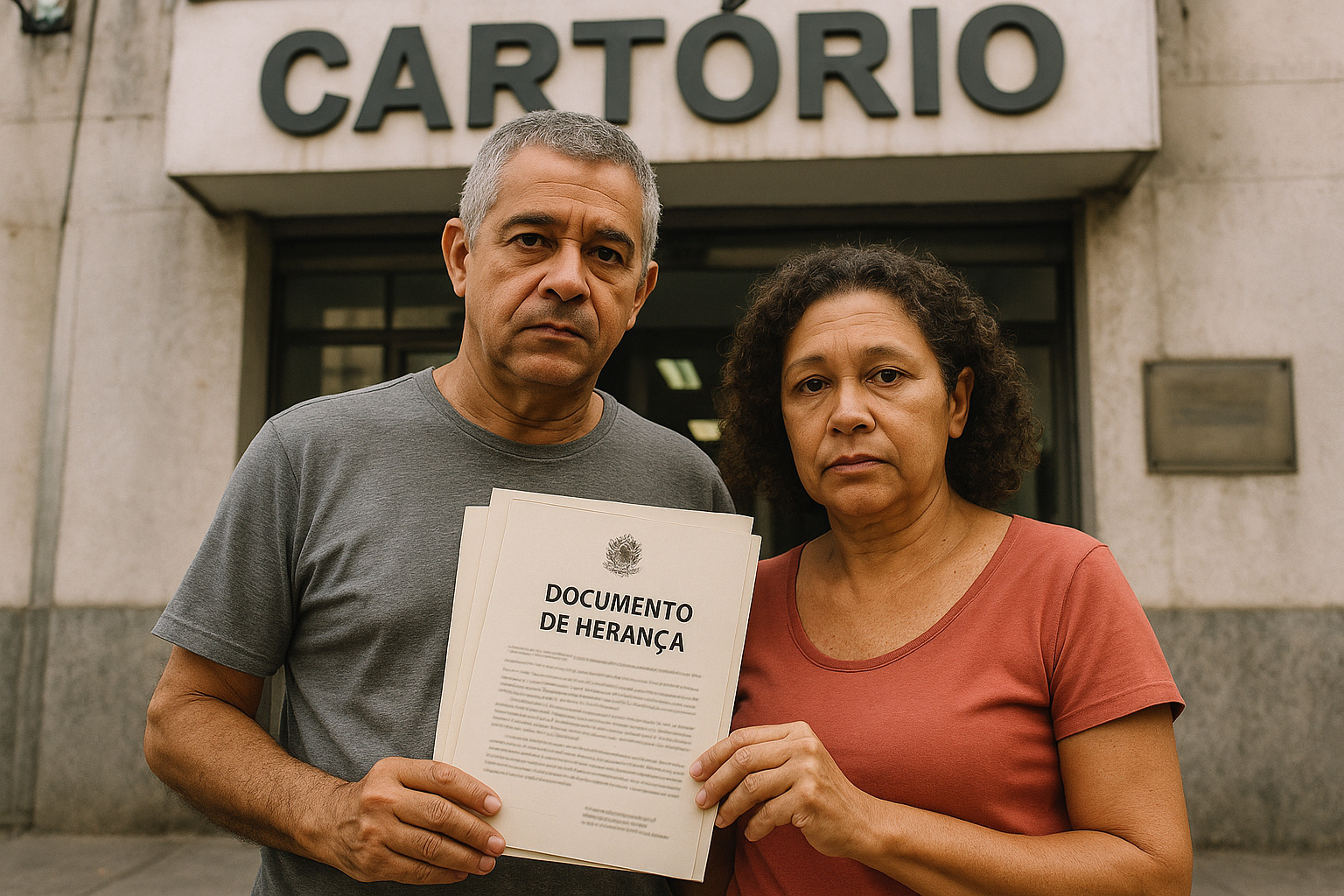
The new Civil Code could revolutionize marriages in Brazil with “express divorce” and changes that could exclude spouses from inheritance.
-
Banco do Brasil sues famous influencer for million-dollar debt and intensifies debate on delinquency, risks of seizure, and direct impact on Gkay’s credibility.


The request for suspension came from Itaú Unibanco and was supported by Bradesco. According to data from the General Assembly of Creditors, Oi’s debt with Itaú totals R$ 2.066 billion, while Bradesco’s credit amounts to R$ 47.1 million. Thus, the banks concluded that the bankruptcy would further reduce the recoverable value.
Why Creditors Decided to Block the Bankruptcy
Meanwhile, experts explain that, in bankruptcy, the legislation imposes a strict order of payments. First, labor debts are paid. Next, secured creditors. Then, tax credits appear. Finally, unsecured creditors are last.
On the other hand, in judicial recovery, there is greater negotiation flexibility, which tends to preserve value for a larger number of creditors. This difference was decisive in the strategy adopted by the banks.
According to Francisco Satiro, a professor at USP, liquidating the company within the judicial recovery may generate fewer losses than traditional bankruptcy, especially when the assets are sold in an organized manner.
Technical Report Led to Bankruptcy Decree
Despite this, bankruptcy was declared after a report from the judicial administrator, released at the end of 2023, indicated an imbalance between assets and liabilities, financial infeasibility, and substantial liquidation.
According to Thiago Groppo Nunes, an expert connected to Insper and FGV, the company was alienating assets in a fragmented manner, which indicated a real risk of operational disappearance.
Judicial Divergence Keeps Scenario Undefined
On November 10, the judge from the 7th Business Court of Rio de Janeiro declared Oi’s bankruptcy. However, on November 14, the appellate judge Mônica Maria Costa, from the TJRJ, suspended the decision on an interim basis. The case will still be analyzed by a panel.
Public Concession Weighs in Economic Assessment
In addition to the high liabilities, the fact that Oi is a public service concessionaire weighs heavily. According to experts, the company’s economic value is strongly linked to state authorizations and not just to physical assets.
Therefore, liquidation outside bankruptcy tends to preserve more value, especially for creditors and for the continuation of essential contracts.
What Remains of Oi After Almost a Decade of Crisis
Founded in 1998, after the privatization of the Telebrás system, Oi consolidated itself nationally in the 2000s. However, rapid growth strategies led to increased debt.
During judicial recovery, the company sold its entire mobile operation, completing the process in April 2022, after approval from Anatel.
Today, the consensus is that Oi should not resume its operations as before, but rather alienate assets, contracts, and property in an organized manner, allowing other groups to take over this space. Given this, the central question remains: Will the negotiated liquidation manage to reduce losses and preserve value in one of Brazil’s largest corporate collapses?










-

-

-

3 pessoas reagiram a isso.