





 Portuguese
  English
  Spanish
  2 min of reading


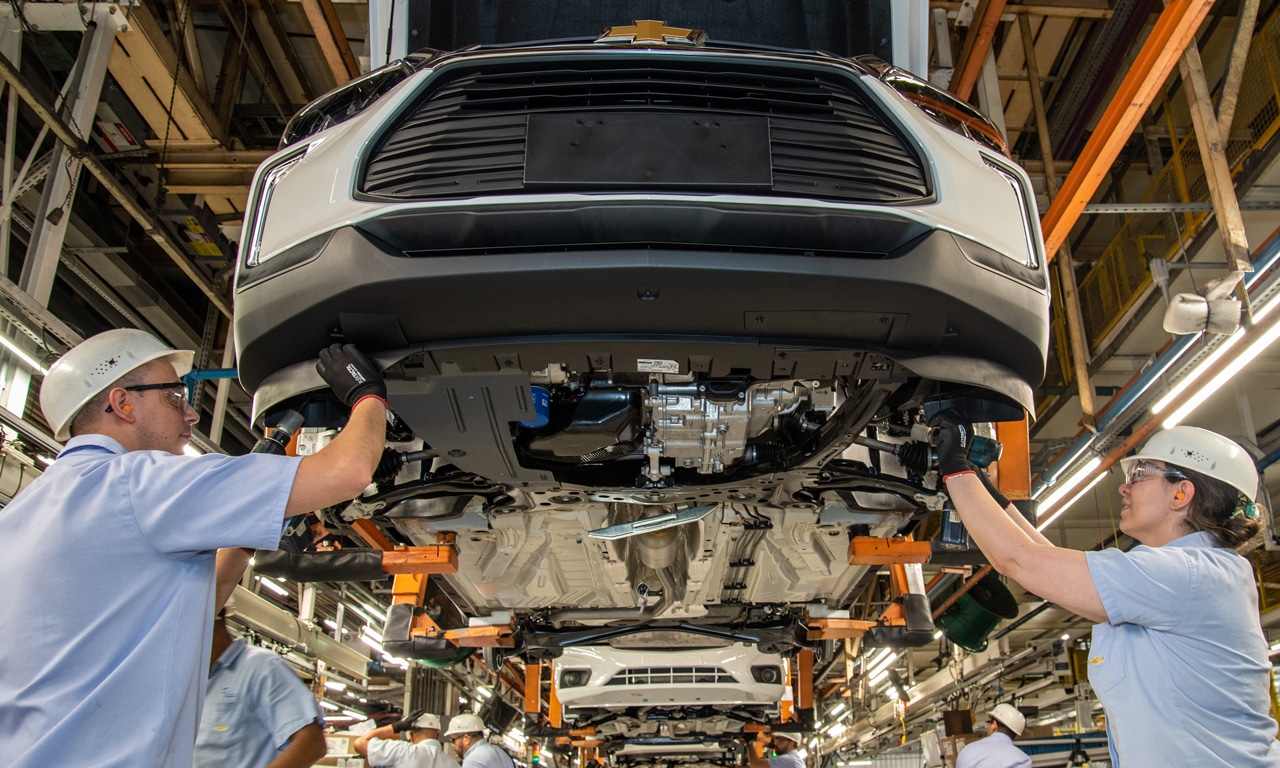
Olavo Ehmke, Partner-Director of the Business Group Autobunkers Defense, Points to a Wait of Up to Two Years for a Model
With an estimate of being the fourth most traded product in the world, semiconductors are facing a global crisis that has directly affected various sectors of the industry, a phenomenon that continues to cause a general problem, as many companies have had to alter their schedules or even halt production lines due to the shortage of components.
According to the Brazilian Electrical and Electronics Industry Association (Abinee), 12% of manufacturers from various sectors had to stop part of their production in July 2021 due to the lack of electronic components. In the automotive sector, organizations see the looming threat of shortages, that is, the lack of vehicles to be delivered.
Semiconductors: Fundamental Components for Vehicle Manufacturing
Olavo Ehmke, Partner-Director of the business group Autobunkers Defense, a national reference in automotive armor, is already detecting this reality. He recalls that semiconductors are fundamental components for vehicle manufacturing; therefore, the crisis continues to significantly impact the automotive sector. “It has been affected by shortages throughout the entire supply chain,” he explains. “And one of the reasons for the bad situation lies in the shutdown of several factories in 2020,” he adds.
-
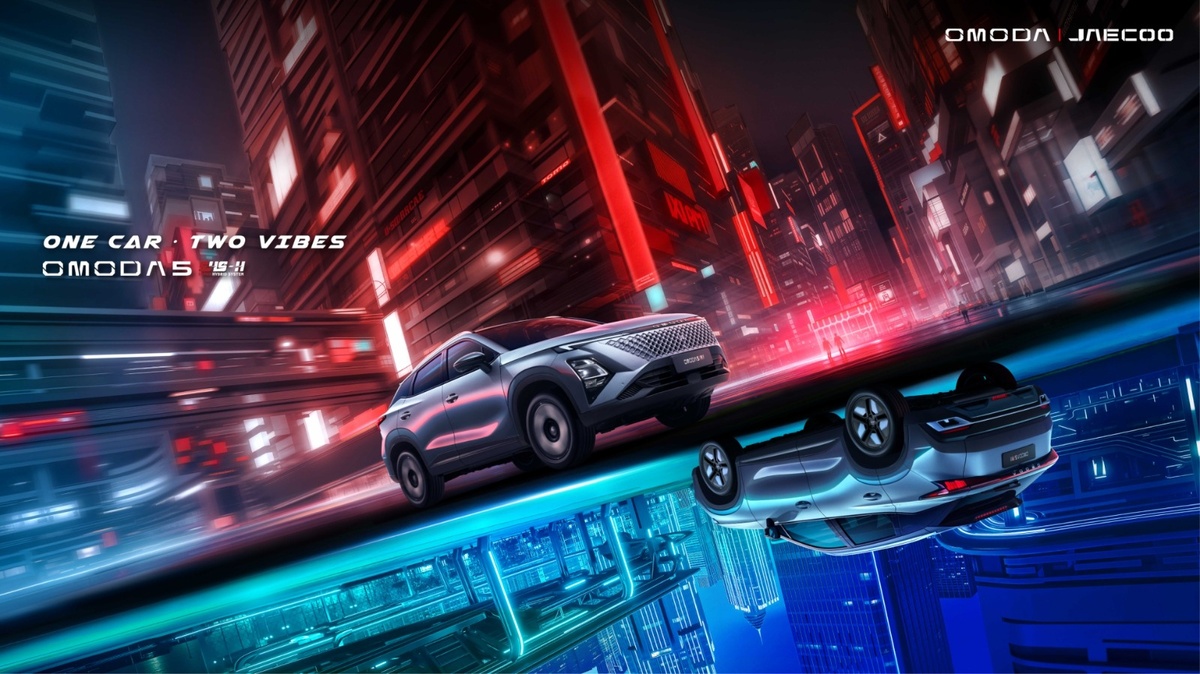
OMODA & JAECOO grows in Europe in 2026 with an integrated strategy of sales, innovation, local production, and technological advancement in the United Kingdom, Italy, and Spain.
-
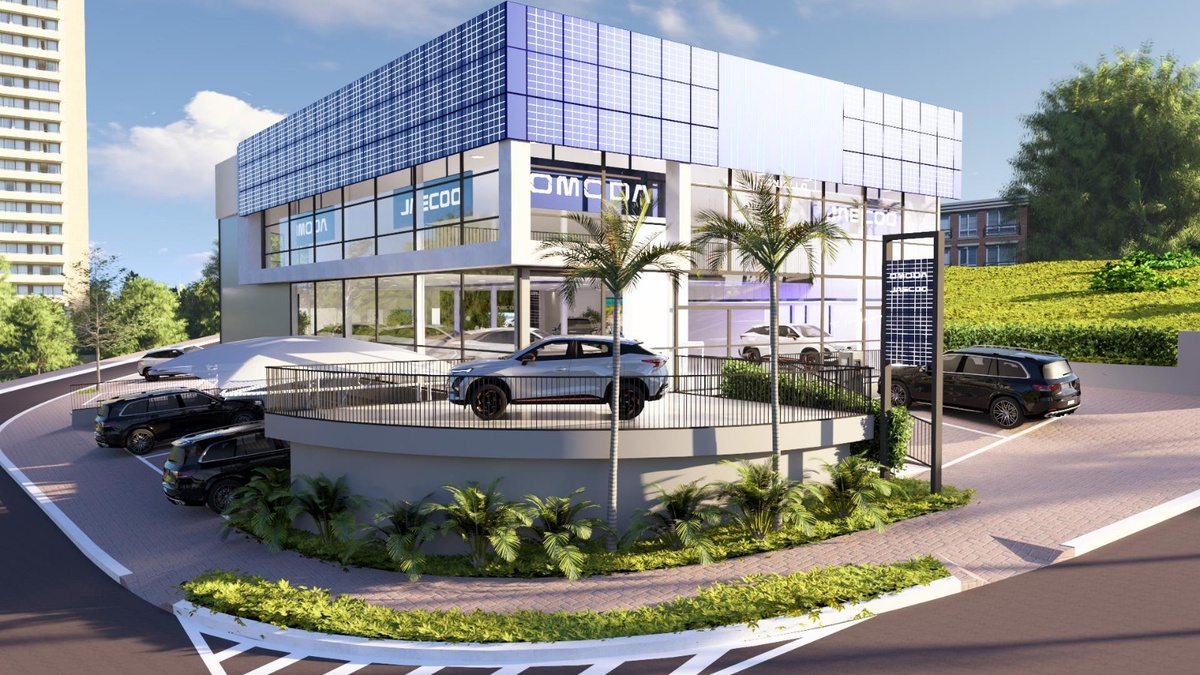
OMODA & JAECOO expands after-sales service in Brazil with competitive maintenance, a 7-year warranty, and high availability of parts for technological SUVs.
-
OMODA & JAECOO appoints Alessandra Souza as executive marketing director in Brazil and accelerates brand expansion with a focus on innovation, networking, and hybrid portfolio.

-
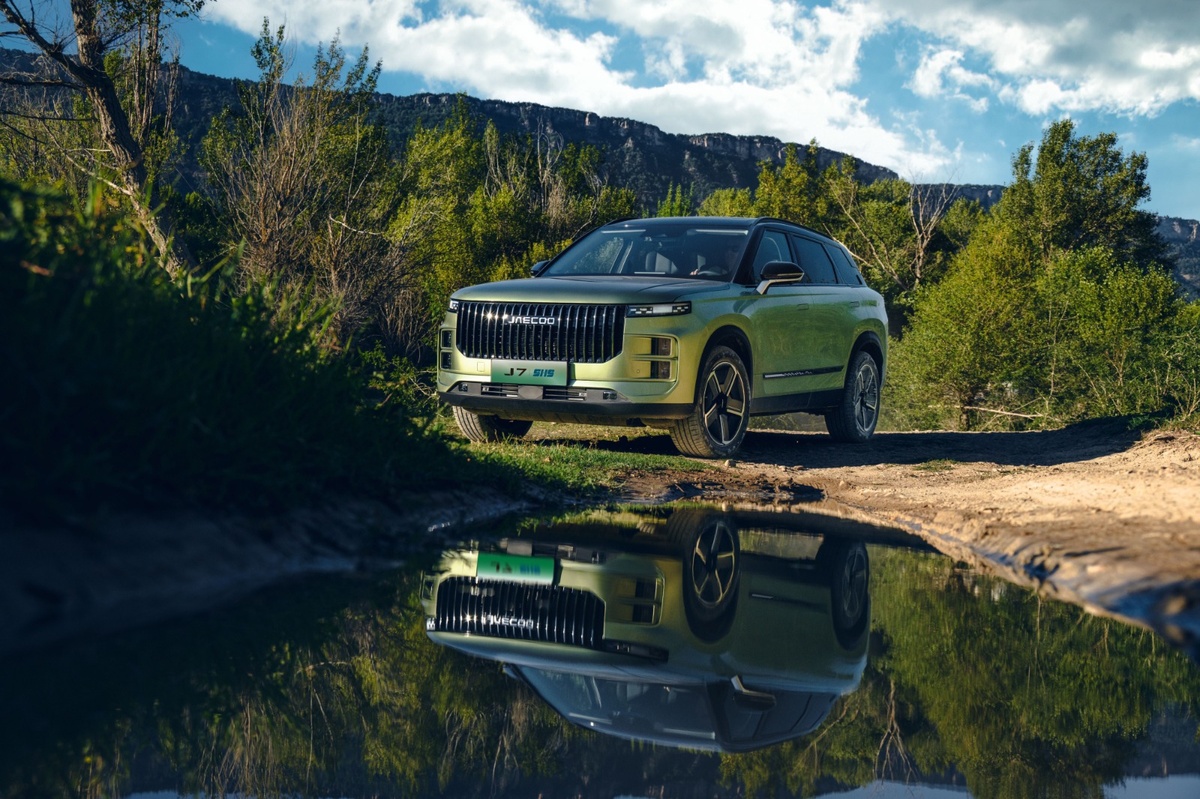
Jaecoo 7 with super hybrid SHS system exceeds 1,200 km of combined range with a 1.5 turbo engine, high-density battery, and intelligent energy management.

Olavo says that, in light of this, the average waiting time between the purchase of a new car in Brazil and the delivery of the model to the customer is three months. “But there are cases where the buyer waits for two years,” he asserts.
It is no coincidence that the expert sees the lack of new cars as a present reality. “We are already facing this issue at the moment.” So much so that, according to Olavo, there is no brand that is delivering vehicles normally. “What happens is slow delivery or delivery of models with fewer features and equipment.”
Used Cars Are the Only Option at the Moment
Another consequence pointed out by Olavo is the migration of customers to used vehicles, as this segment is independent of the supply of components and meets the demand from those who cannot wait. “This is happening and leading to a consequent aging of the national fleet.”
Olavo believes that stability in the sector should occur in about a year. “However, this depends on stability in all external/international factors.”
Source: Carolina Lara Comunicação – carolina@carolinalara.com.br









Seja o primeiro a reagir!