






 Portuguese
  Spanish


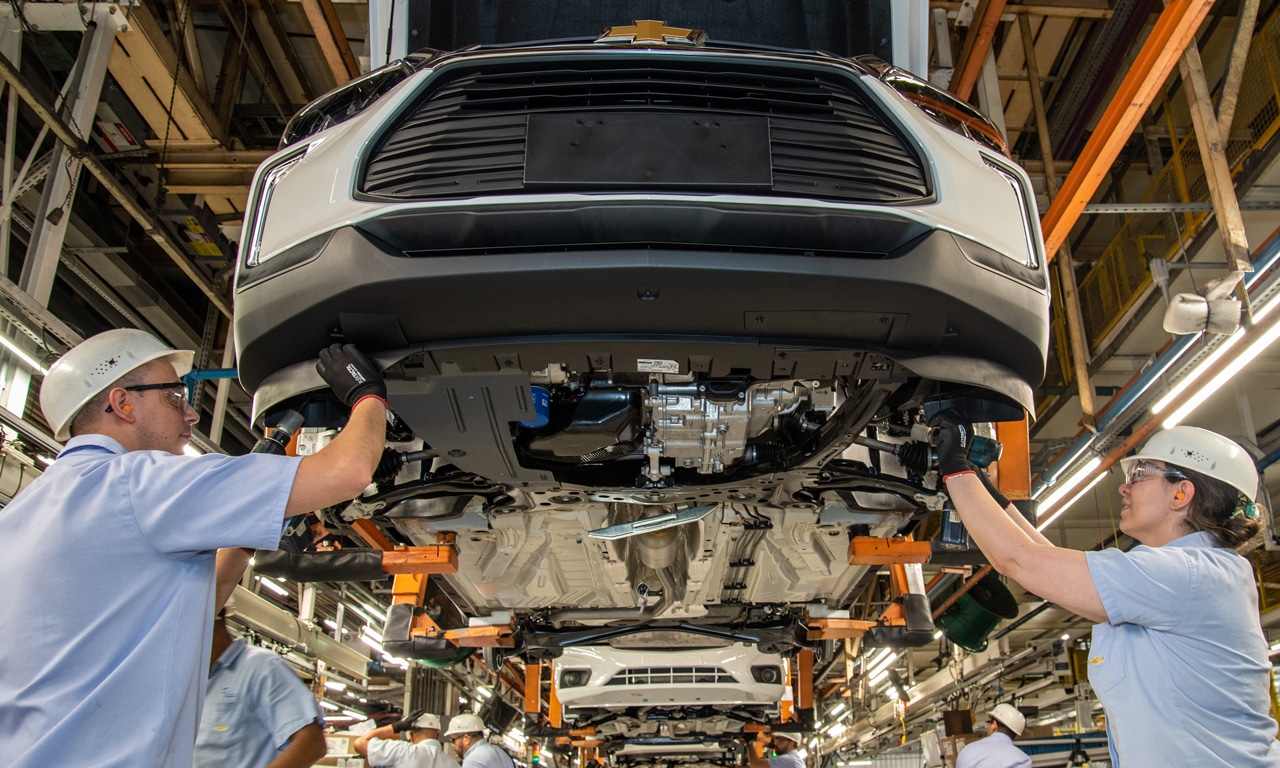

Olavo Ehmke, Partner-Director of the Business Group Autobunkers Defense, Points to a Wait of Up to Two Years for a Model
With an estimate of being the fourth most traded product in the world, semiconductors are facing a global crisis that has directly affected various sectors of the industry, a phenomenon that continues to cause a general problem, as many companies have had to alter their schedules or even halt production lines due to the shortage of components.
According to the Brazilian Electrical and Electronics Industry Association (Abinee), 12% of manufacturers from various sectors had to stop part of their production in July 2021 due to the lack of electronic components. In the automotive sector, organizations see the looming threat of shortages, that is, the lack of vehicles to be delivered.
Semiconductors: Fundamental Components for Vehicle Manufacturing
Olavo Ehmke, Partner-Director of the business group Autobunkers Defense, a national reference in automotive armor, is already detecting this reality. He recalls that semiconductors are fundamental components for vehicle manufacturing; therefore, the crisis continues to significantly impact the automotive sector. “It has been affected by shortages throughout the entire supply chain,” he explains. “And one of the reasons for the bad situation lies in the shutdown of several factories in 2020,” he adds.
-
Banco do Brasil and Uber Launch Cashback Program Offering Up to 3.5 Loan Installments Back, Drivers Gain Access to New Cars Worth Up to $30,000 Through Move Brasil Initiative

-
Looking for a Car for Dirt Roads? Fiat Uno, Strada, and Volkswagen Gol Offer Durability and Affordability

-
MG Motor to Produce Two Electric Cars in Brazil with $75 Million Investment, Creating 600 Jobs
-
Nissan Kicks S Direct 2018: Affordable Used SUV with Over 13 km/l Fuel Efficiency, 432-Liter Trunk, and CVT Automatic Transmission


Olavo says that, in light of this, the average waiting time between the purchase of a new car in Brazil and the delivery of the model to the customer is three months. “But there are cases where the buyer waits for two years,” he asserts.
It is no coincidence that the expert sees the lack of new cars as a present reality. “We are already facing this issue at the moment.” So much so that, according to Olavo, there is no brand that is delivering vehicles normally. “What happens is slow delivery or delivery of models with fewer features and equipment.”
Used Cars Are the Only Option at the Moment
Another consequence pointed out by Olavo is the migration of customers to used vehicles, as this segment is independent of the supply of components and meets the demand from those who cannot wait. “This is happening and leading to a consequent aging of the national fleet.”
Olavo believes that stability in the sector should occur in about a year. “However, this depends on stability in all external/international factors.”
Source: Carolina Lara Comunicação – carolina@carolinalara.com.br


