





 Portuguese
  English
  Spanish
 4 min of reading
  0 comments


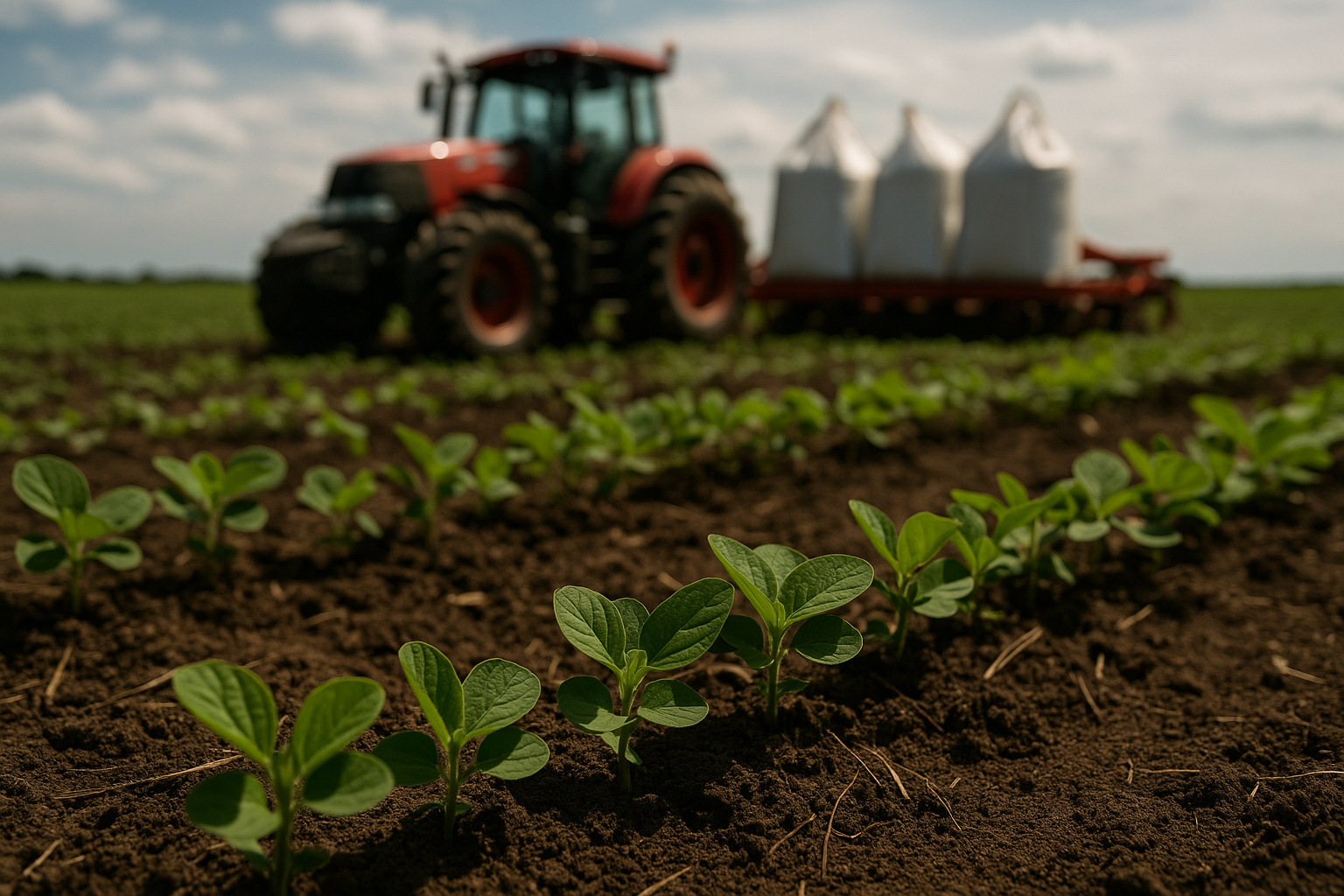
Despite The Calendar Being Open Since October 1st, RS Producers Still Lack Access To Credit And Inputs, Reducing Areas And Returning Leased Crops
The crisis in the field is once again worrying Rio Grande do Sul, the second largest soybean producer in Brazil alongside Paraná. After facing severe droughts followed by flooding in the fields, the state is now experiencing a new phase of uncertainties at the beginning of the 2025/26 harvest. Although the weather conditions show signs of stability, the lack of rural credit and inputs continues to hinder planting in several regions, leading producers to reduce areas and even return leased land.
Lack Of Inputs Threatens The Start Of Planting
According to the official planting calendar, soybean seeding has been allowed since October 1, 2025. However, many farmers still haven’t been able to purchase seeds, fertilizers, or pesticides, remaining idle even with the soil ready. As a result, there are reports of producers attempting to plant only with what is left in stock.
According to Armindo Crestani, a producer from Cachoeira do Sul, the situation is critical. “We lost credit and can’t plant the entire area. We’ll give up some land and plant whatever we can,” he stated. He reports that his CPF was negatively affected after failed negotiations with banks that refused to renegotiate debts.
-
The sugar-energy sector advances with agricultural technology, but agricultural productivity still raises concerns.

-
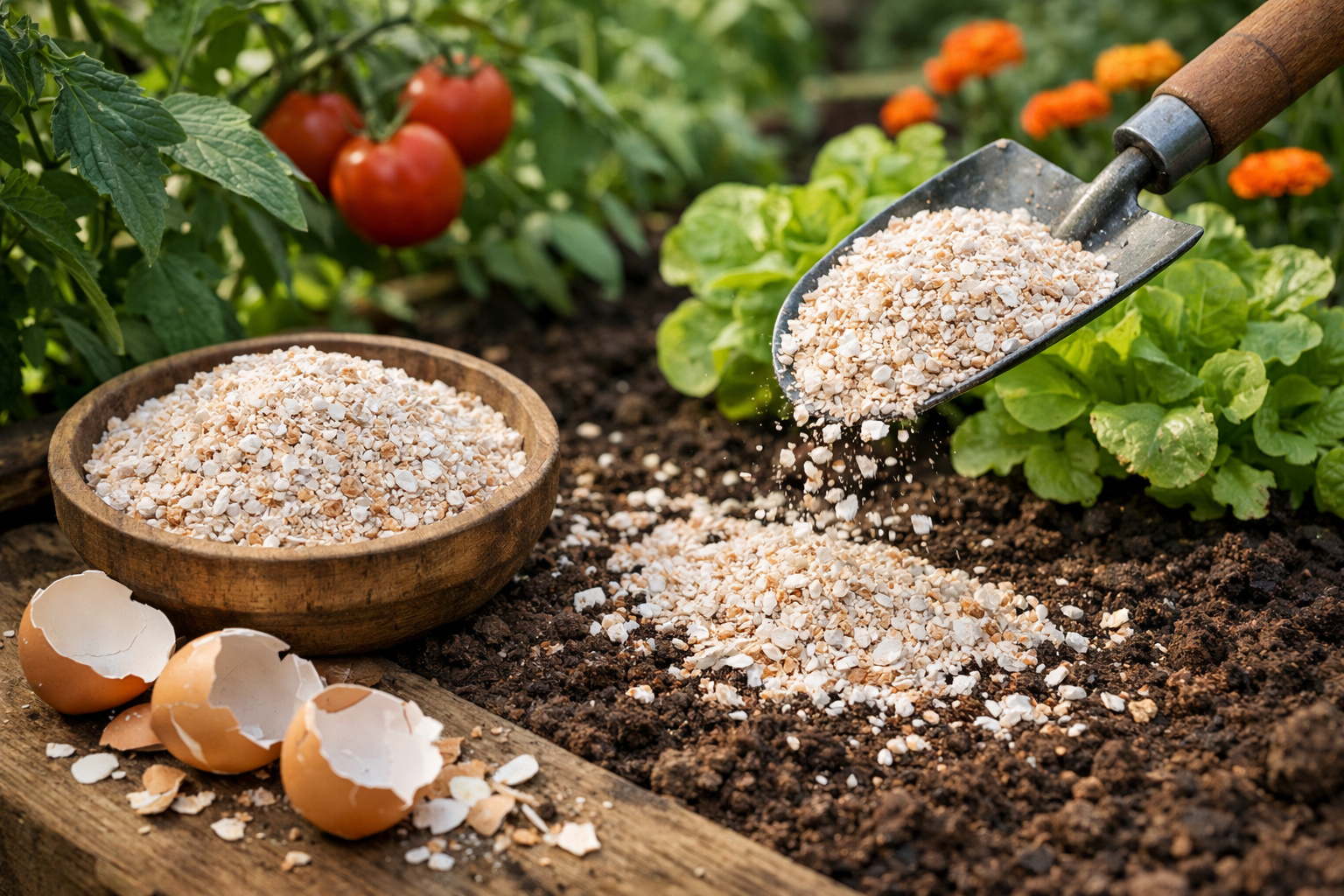
The eggshell that almost everyone throws away is made up of about 95% calcium carbonate and can help enrich the soil when crushed, slowly releasing nutrients and being reused in home gardens and vegetable patches.
-
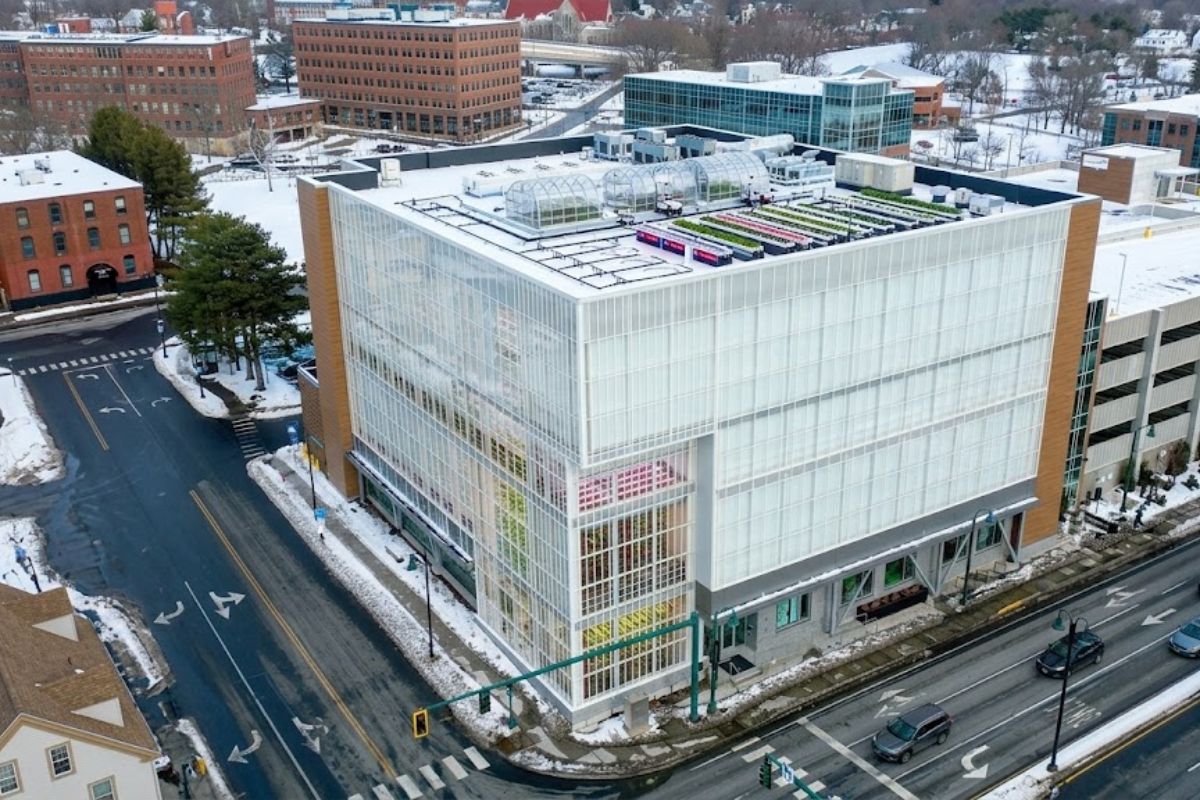
This farm in the United States does not use sunlight, does not use soil, and produces 500 times more food per square meter than traditional agriculture: the secret lies in 42,000 LEDs, hydroponics, and a system that recycles even the heat from the lamps.
-
The water that almost everyone throws away after cooking potatoes carries nutrients released during the preparation and can be reused to help in the development of plants when used correctly at the base of gardens and pots, at no additional cost and without changing the routine.


Meanwhile, farmer Fábio Santos, from São Vicente do Sul, laments the attitude of financial institutions: “Producers are good for banks when they buy contracts and insurance. But when they need help, they’re no longer valuable,” he expresses.
Leases Become Unviable And Credit Disappears
The difficulty in meeting lease payments exacerbates the problem. Many producers returned land due to a lack of resources, which compromises access to new financing, as leased areas serve as collateral for rural credit.
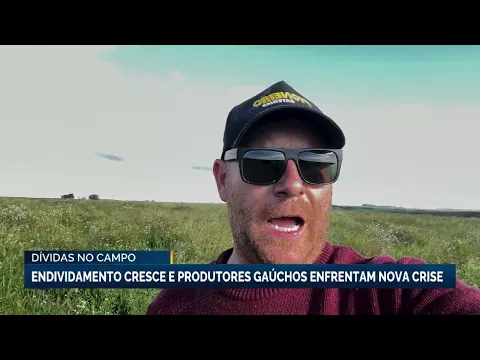

In Tapes, producer Dimitrius José reports that he has already “renegotiated the renegotiation” and still lacks access to credit. “I gave up part of the areas and continue without guarantees for new loans. I am still without seeds, fertilizer, and pesticides,” he explains.
The scenario repeats itself in Alegrete, where Marcelino Michelotti managed to renegotiate his debts for three years but is now also facing a blockade on credit lines. “I intend to maintain the area, but I have no inputs or conditions to expand planting,” he asserts.
In Bagé, on the border with Uruguay, farmer Jeferson Scheibler describes the situation as unsustainable. “The calamities came one after another. There is a lack of sensitivity from the government and banks to understand that the producer is not to blame,” he says.
Government Measures Have Yet To Reach The Field
In the midst of the crisis, the federal government announced, in September 2025, MP 1314, releasing R$ 12 billion for renegotiation of rural debts. Despite the promise, the funds have still not reached producers, according to information from the Ministry of Agriculture and Livestock (Mapa).
In addition, 93 municipalities were initially left out of the program for not declaring a state of emergency during the floods. Only 56 cities were later included after a review of the list, but most producers still have not had practical access to the renegotiation lines.
Timeline Of The Rural Crisis In RS
- 2022 And 2023: Severe droughts affect soybean and corn production.
- 2024: Floods cause significant agricultural losses in over 300 municipalities.
- October 2025: Planting of the 2025/26 harvest is released, but inputs and credit still do not arrive.
- September 2025: MP 1314 announces R$ 12 billion for renegotiations, without practical effectiveness so far.
This sequence of events leaves the agricultural sector of Rio Grande do Sul in a delicate situation, with growing debts and scarce credit just as the most important cycle of the national agribusiness begins.
Perspectives And Need For Action
If access to credit remains restricted, the soybean planting in RS could shrink significantly in 2025, directly impacting the state’s economy and the Brazilian trade balance. Sector experts affirm that the recovery of production in Rio Grande do Sul depends on the speed of releasing resources and bank flexibility for indebted producers.
Meanwhile, farmers continue trying to maintain their activities “as best as they can”, hoping that Mapa and public banks can unlock the renegotiations in the coming weeks.
Without this, the struggles of the gaucho countryside will continue to be the most evident portrait of how climate change and financial bureaucracy can together hinder one of the country’s most important productive chains.
What do you think: Should the government prioritize the immediate release of rural credit to save the 2025/26 harvest or adopt a more cautious and gradual policy, focusing only on compliant producers?










-

Uma pessoa reagiu a isso.