





 Portuguese
  English
  Spanish
  4 min of reading
  0 comments


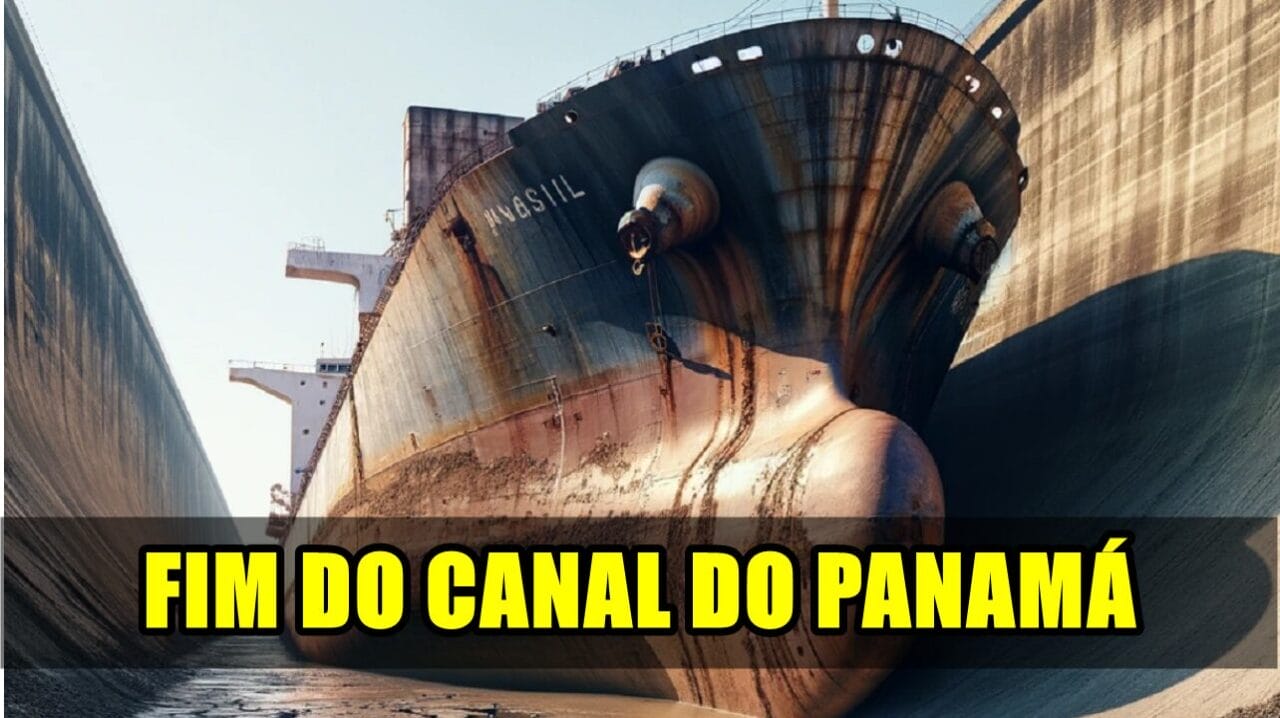
Drought in the Panama Canal: The Lack of Rain and the Climatic Phenomenon El Niño Contributed to the Second Driest Year in the 110-Year History of the Canal.
The Panama Canal is one of the most important trade routes in the world, as 6% of global maritime trade passes through its locks each year. In 2023, more than 14,000 ships transited through this route between the Atlantic and Pacific Oceans. However, the drought in Panama forced authorities to reduce the passage of ships, creating uncertainty about when Canal operations will return to normal.
The crisis in the Panama Canal affects key maritime trade routes, worrying exporting countries, importing countries, and consumers around the world. The number of ships anchored near the Canal has increased, reaching hundreds per day, reflecting the severity of the situation.
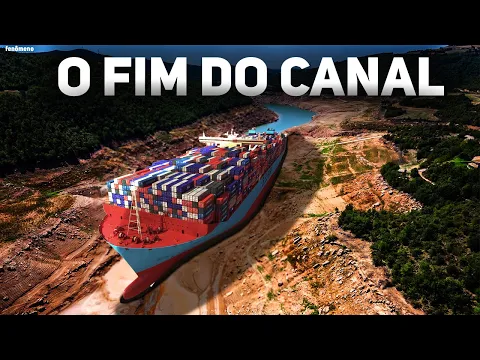

Consequences for Panama and Trade
This drought impacts not only the Canal and shipping companies but also reverberates through the economy and survival of Panama. Furthermore, supply chains and consumers are affected, with potential increases in costs and reduced availability of products.
-
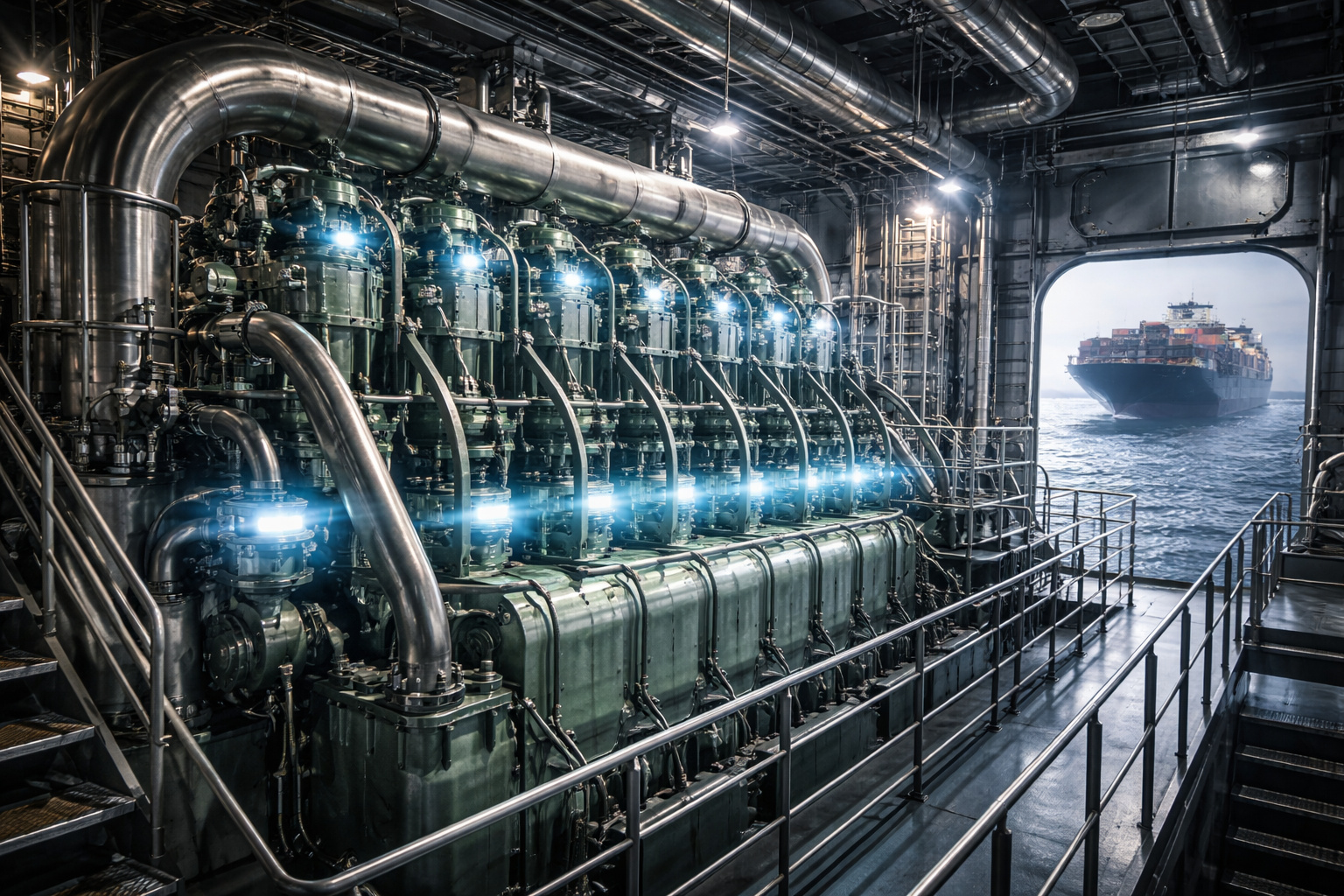
Europe is trying to create an ammonia-powered marine engine without auxiliary fuel, which could unlock the race for giant emission-free ships. The technology aims to eliminate one of the biggest obstacles to clean maritime propulsion.
-
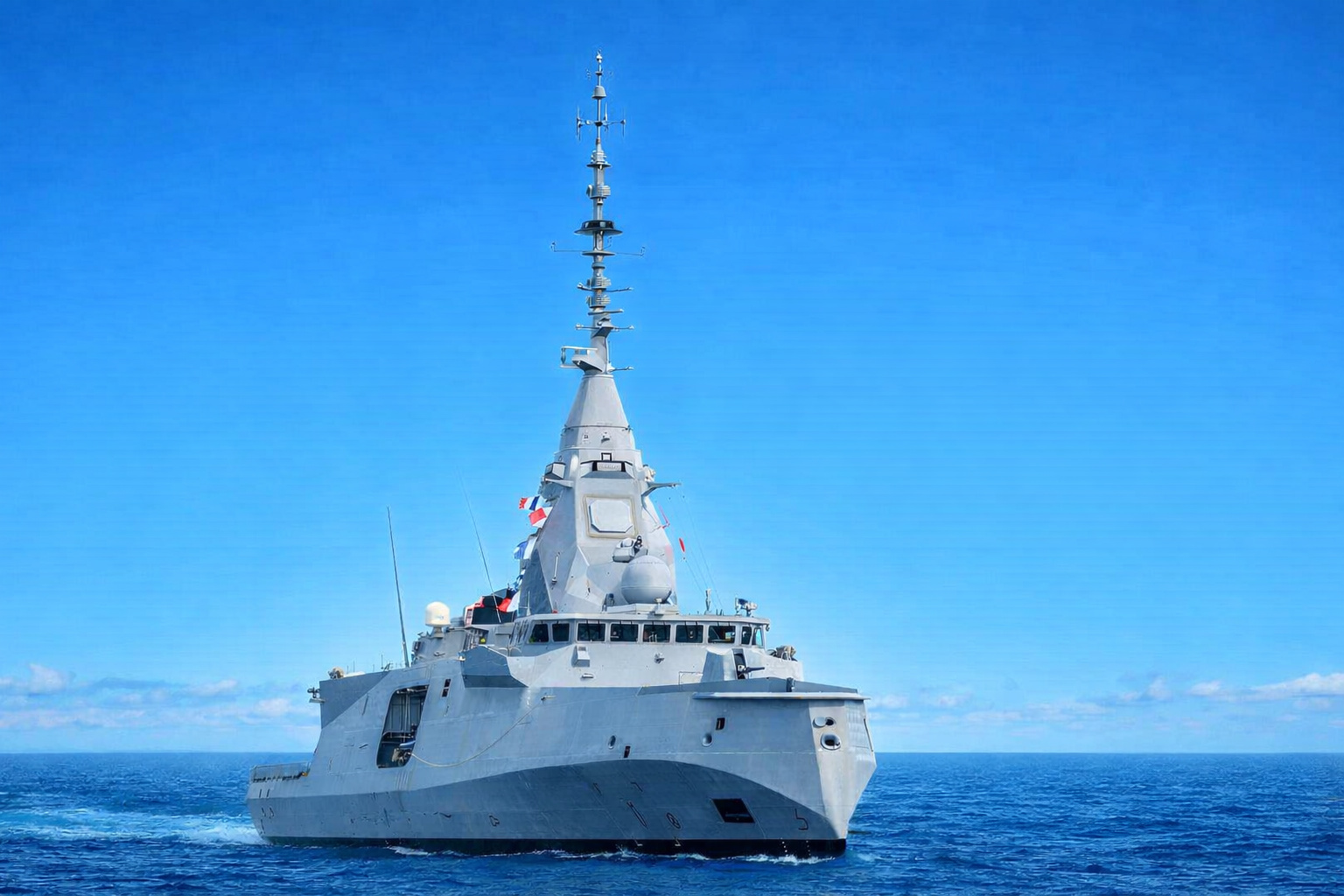
A 4,500-ton frigate with just over 100 crew members, state-of-the-art radar, and cruise missiles is being touted as the new standard of naval warfare in the 21st century.
-
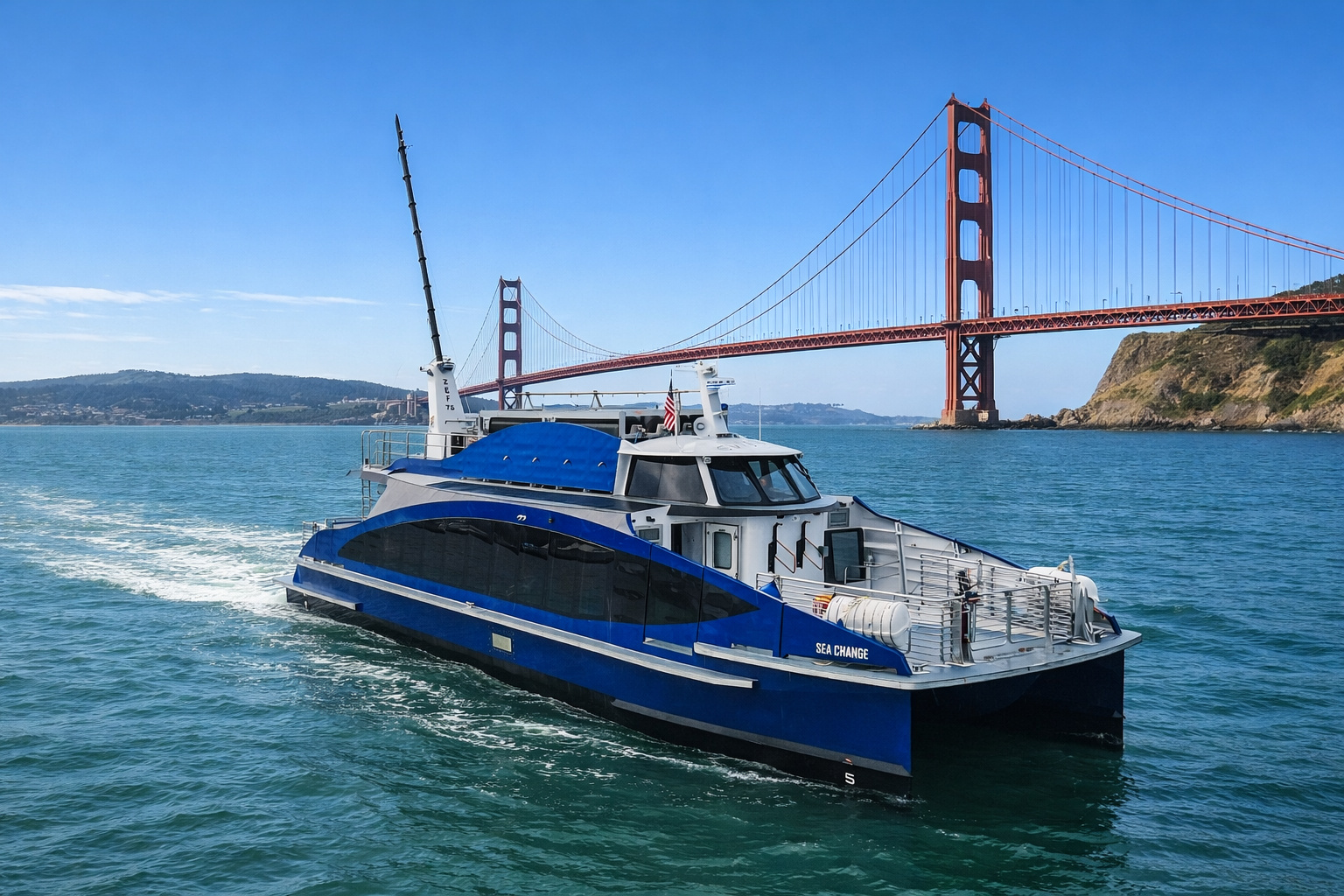
The first commercial hydrogen-powered ferry enters operation in the U.S., eliminates the use of diesel, uses fuel cells to generate clean energy on board, and transforms San Francisco Bay into a landmark of the new era of emission-free navigation.
-
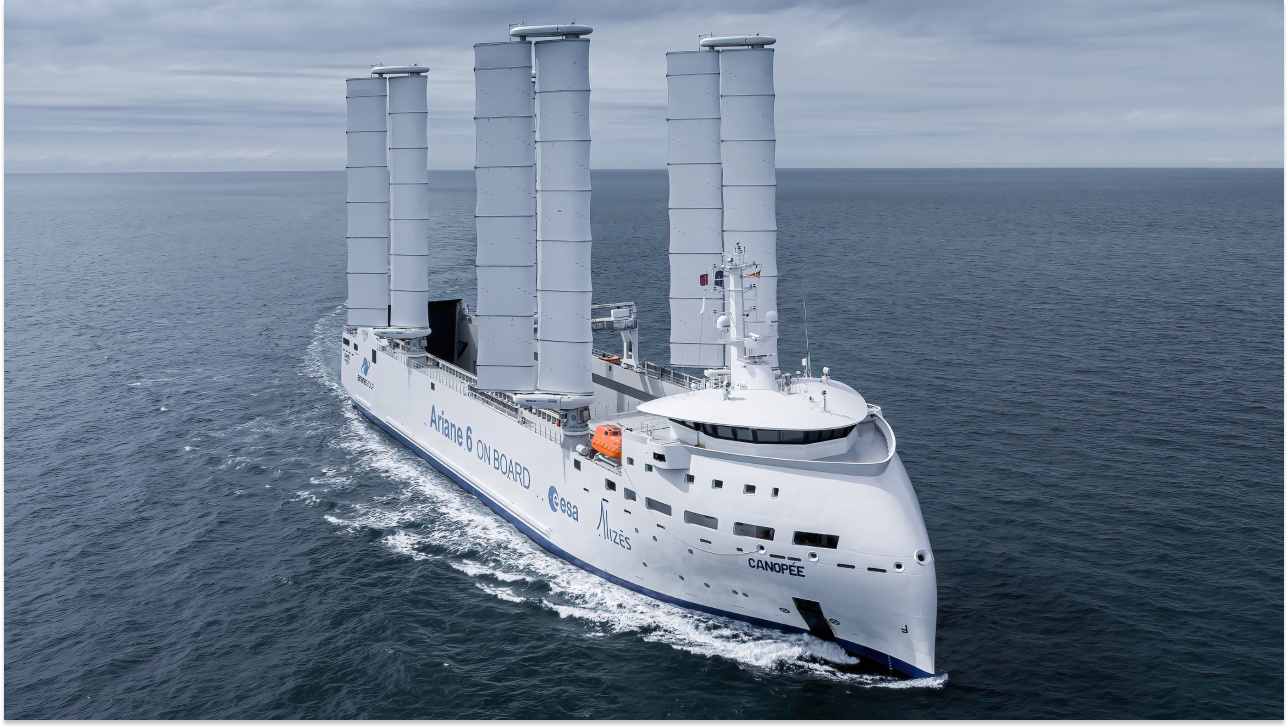
With a length of 121 meters and four rigid sails of 36 meters that automatically rotate to capture the wind, Canopée is the world’s first hybrid industrial cargo ship powered by wind, used to transport rockets and reduce fuel consumption by up to 30% on transoceanic routes.

Latin America and the east coast of the United States significantly depend on the Panama Canal. Countries such as Guatemala, Ecuador, Chile, Peru, Mexico, and Colombia move a large part of their maritime trade through this route. Additionally, more than 40% of consumer goods traded between Northeast Asia and the east coast of the United States pass through the Canal.
Impact of Drought on the Panama Canal and Maritime Trade Routes
The phenomenon of drought in Panama has caused a series of significant impacts on the Panama Canal and key maritime trade routes. This issue has generated uncertainty and concerns at a global level, affecting exporting countries, importing countries, and consumers.
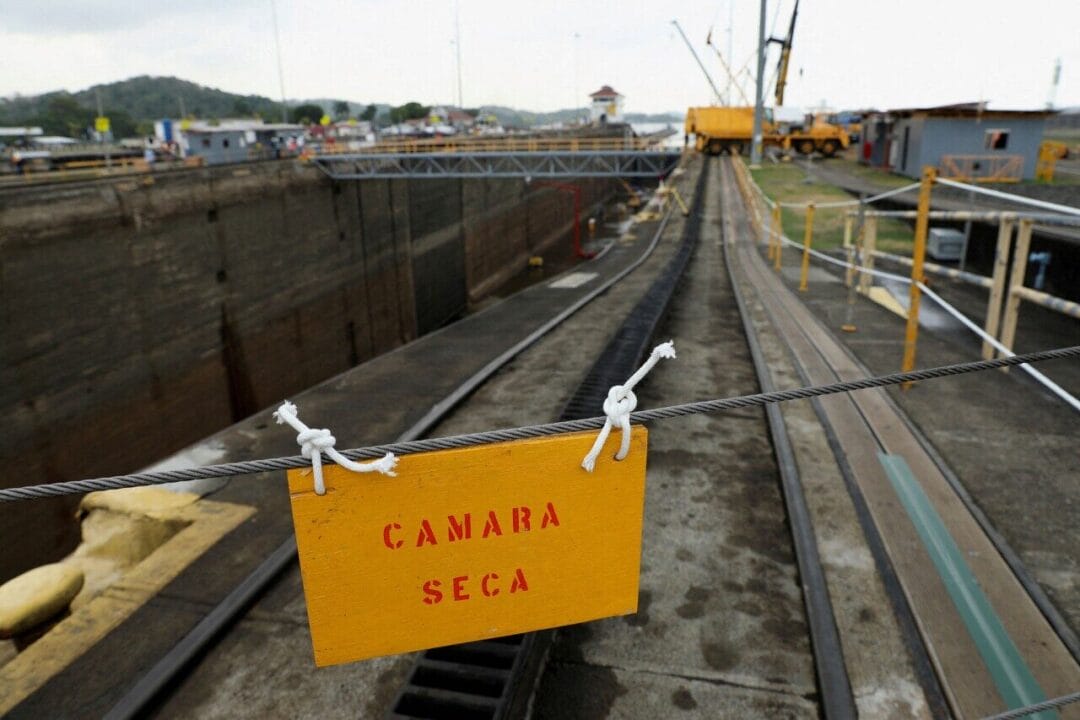
The reduction in water levels in Gatun Lake, caused by the drought, has led to restrictions on the passage of ships through the Canal. This has compelled Canal authorities to limit the daily number of ship transits and implement reservation fees, significantly reshaping maritime trade flows.
Global Consequences
The crisis in the Panama Canal has global implications, affecting the maritime transport of key products such as grains, minerals, and goods. Shipping costs have increased dramatically as a result, which will eventually impact end consumers.
Countries in Latin America, such as Guatemala, Ecuador, Chile, Peru, Mexico, and Colombia, largely depend on the Panama Canal for their maritime trade. This dependence extends to the east coast of the United States, where more than 40% of consumer goods traded between Northeast Asia and the east coast of the United States pass through the Canal.
Economic and Commercial Consequences of the Drought
The drought in Panama has had a significant impact on the economy and trade, generating concerns globally. The restrictions on the passage of ships through the Panama Canal have led to an increase in the number of ships anchored nearby, reflecting the severity of the situation.
The crisis in the Panama Canal has global implications, affecting the maritime transport of key products such as grains, minerals, and goods. Shipping costs have increased dramatically, which will eventually impact end consumers.
Countries in Latin America, such as Guatemala, Ecuador, Chile, Peru, Mexico, and Colombia, largely depend on the Panama Canal for their maritime trade. Moreover, 40% of consumer goods traded between Northeast Asia and the east coast of the United States pass through the Canal, demonstrating the importance of this route for global trade.
Alternatives and Future Prospects
The drought in the Panama Canal has generated uncertainties about the future of key maritime trade routes. As climate change continues to affect the availability of water in the Canal, it is essential to consider alternatives and future prospects to address this crisis and its global implications.
The drought in the Panama Canal has led to a significant increase in shipping costs, which will eventually impact end consumers. New alternative routes may result in longer journeys and higher costs, affecting the global economy.
Countries such as Mexico and Colombia have proposed alternative transport options, such as the Mexican interoceanic train and the train through the Colombian region of Chocó, to complement the Panama Canal. However, these projects face logistical challenges that must be overcome in order to provide viable long-term solutions.
Sustainability and Water Security
It is essential for Panama to seek long-term solutions to ensure water security for both Canal operations and human consumption. The implementation of sustainable measures, such as increasing the inflow from another artificial lake, is crucial to address water scarcity in a comprehensive manner.






Seja o primeiro a reagir!