





 Portuguese
  English
  Spanish
  5 min of reading
  2 comments





Brazil Faces A Deficit Of 120 Thousand Drivers; Aging Of The Category And Lack Of Youth Leads Companies To Bet On Women, Veterans, And Automation To Keep Trucks On The Roads.
Brazil is experiencing a structural crisis in road freight transport — one of the most strategic sectors of the national economy. According to data from the National Confederation of Transport (CNT) and the Interstate Federation of Workers in Road Transport (FITRANS), the country is facing a deficit of over 120 thousand professional drivers, a number that has been growing year after year and already threatens the supply and logistics of large companies.
The scarcity, which once seemed an isolated problem in border regions, is now a national bottleneck. By 2025, freight transport accounts for about 65% of the Brazilian logistics matrix, moving over R$ 1 trillion a year in goods — but the truck fleet is stopped in lots due to a lack of drivers.
Aging Of The Category And Lack Of Interest From Youth
The main factor behind the crisis is the accelerated aging of the category. The average age of Brazilian drivers jumped from 42 years in 2014 to 48 years in 2025, according to CNT research. Less than 15% of new professionals are under 30 years old, indicating a generation that is abandoning the roads.
-
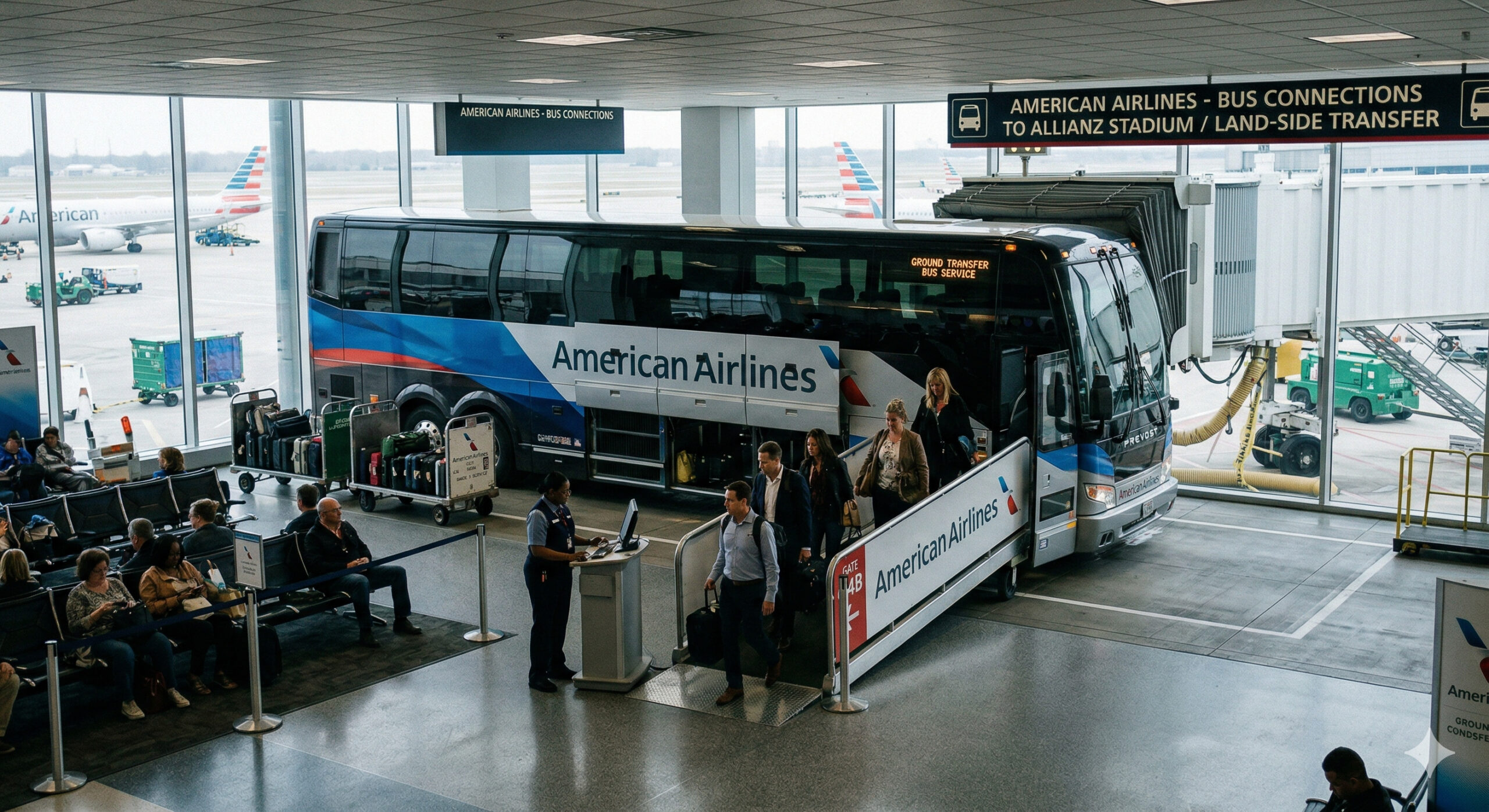
American Airlines starts selling trips as if they were flights, with check-in and baggage check at the airport, but on short routes, passengers board luxury buses connecting cities to major hubs in the U.S.
-
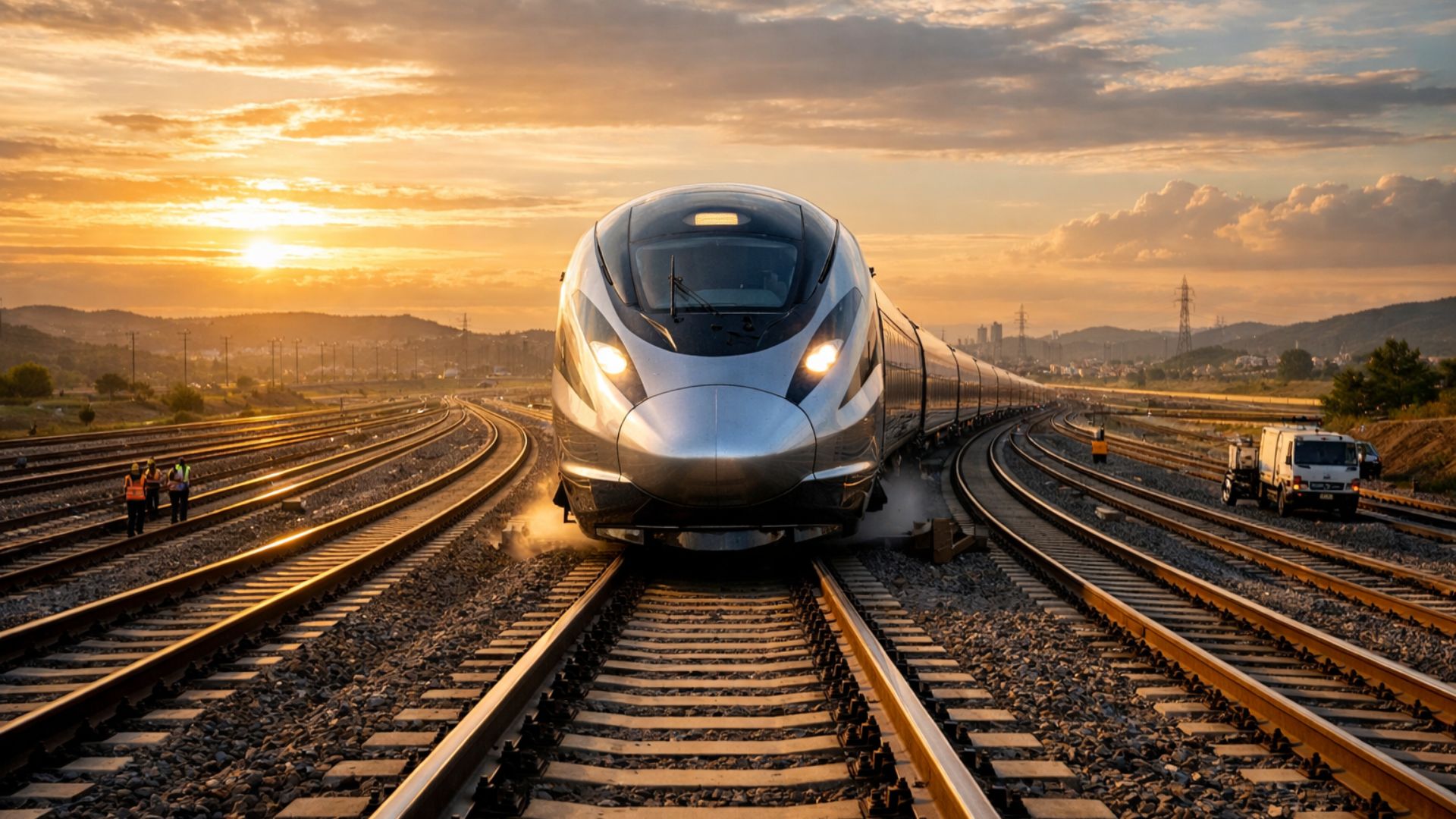
São Paulo surprises the world with a colossal railway network project that promises over 1,000 km of tracks, R$ 194 billion in investments, and 40 projects connecting the capital to the interior with fast and sustainable trains.
-
The world’s largest escalator, measuring 905 meters in China, reduces urban travel time from 1 hour to about 20 minutes and transforms mobility in mountainous regions with an engineering solution adapted to the terrain.

-
A R$ 300 million logistics giant is taking shape in Serra with over 100,000 m² and raises a question: how can this transform e-commerce and distribution in the state?




The lack of interest has an explanation. The exhausting routine, long distances, and risks of accidents and thefts make the profession increasingly less attractive. In addition, the cost to obtain the National Driver’s License (CNH) professional category E, combined with the MOPP (Hazardous Products Handling) course, can exceed R$ 6 thousand, an inaccessible amount for many young people.
“It’s a career of sacrifice and the road, and today young people seek stability, comfort, and technology,” summarizes Rafael Telles, director of the Brazilian Logistics Association (Abralog). “Without generational renewal, the sector runs the risk of operational collapse in a few years.”
Companies Seek New Profiles And Invest In Women Inclusion
In light of the scarcity, transport companies have been seeking unprecedented alternatives: training and employing women as truck drivers. According to data from the Brazilian Association of Vehicle Drivers (ABCV), the number of female drivers grew by 180% in the last five years, although they still represent less than 5% of the category.
Companies like Randon, Scania, and Ambev have specific programs to train and employ women on long routes, focusing on safety and comfort. One of the most prominent projects is “Women On The Road,” created in 2022, which has already trained over 4,500 women drivers and reduced turnover by up to 30%.
“In addition to filling part of the deficit, the presence of women has changed the culture of the roads,” states Rosane Souza, director of CNT Women. “Companies report fewer accidents and greater care for the vehicle and cargo.”
Reskill And Return Of Veterans
With difficulty attracting new professionals, the sector is also betting on reskilling veterans and former drivers who left the profession. Partnerships between transport companies and the National Service for Transport Learning (Senat) have allowed recycling professionals over 50 years old, offering updates on safety, economic driving, and assisted driving.

Incentive programs offer bonuses per kilometer driven, health plans, and adjusted daily rates, trying to retain the most experienced. According to Sindicam-SP, 1 in 4 re-hired drivers in 2024 was over 55 years old — something unprecedented in the sector.
Scarcity Raises Costs And Threatens National Logistics
The most direct consequence of the lack of drivers is the increase in logistics costs. Freight rates increased on average 18% between 2023 and 2024, and the average delivery time on interstate routes increased by up to two days.
“There are companies that prefer to keep the truck stopped rather than put an inexperienced driver behind the wheel,” says Manoel Cardoso, manager at the Coopercarga cooperative. “This creates bottlenecks in sensitive chains, such as food and fuel.”
The impact also affects agribusiness, responsible for over 30% of the transported loads. During the 2024/2025 harvest, logistics terminals in Goiás, Mato Grosso, and Paraná recorded queues of up to 10 km due to the lack of available truck drivers.
Automation And Autonomous Vehicles: Solution Or Threat?
While seeking to attract new drivers, the sector is also looking to the future. Automakers and transport companies are testing autonomous vehicles and semi-automated systems capable of reducing human dependence on long and repetitive routes.
Scania and Mercedes-Benz are already conducting tests with level 4 autonomous trucks in controlled corridors in the Southeast, while national startups are developing assisted driving systems adapted to the Brazilian fleet.

However, experts warn that automation should not replace human drivers in the short term. “The truck driver is still indispensable for loading, cargo control, and regional operations,” states Felipe Bonato, researcher at the Institute of Logistics and Supply Chain (ILOS). “But the professional of the future will need to master both driving and technology.”
A Future In Dispute
The federal government is trying to curb the crisis with training programs and incentives. The Pró-Motorista Brasil, launched in 2024 by the Ministry of Labor and Employment, aims to train 50 thousand new drivers annually, offering full subsidies for the professional CNH and partnerships with accredited driving schools.
Despite the efforts, time is short. If the current deficit continues to grow, the CNT projects that the country could have 200 thousand vacant positions by 2027, compromising the transport of essential goods and reducing national competitiveness.
Road transport — which has sustained the backbone of the Brazilian economy for over half a century — is now facing its greatest challenge since the Vargas era: keeping the roads alive in a country that seems increasingly to be losing its direction in the profession that has driven it thus far.










OS SALÁRIOS BAIXOS AFASTAM A GRANDE MAIORIA, FICAM DIAS E HORAS LONGE DA FAMÍLIA, NÃO TÊM ACESSO A LAZER,AI MEU AMIGO O RESULTADO É ESSE AÍ..
Exatamente isso