





 Portuguese
  English
  Spanish
  4 min of reading
  0 comments


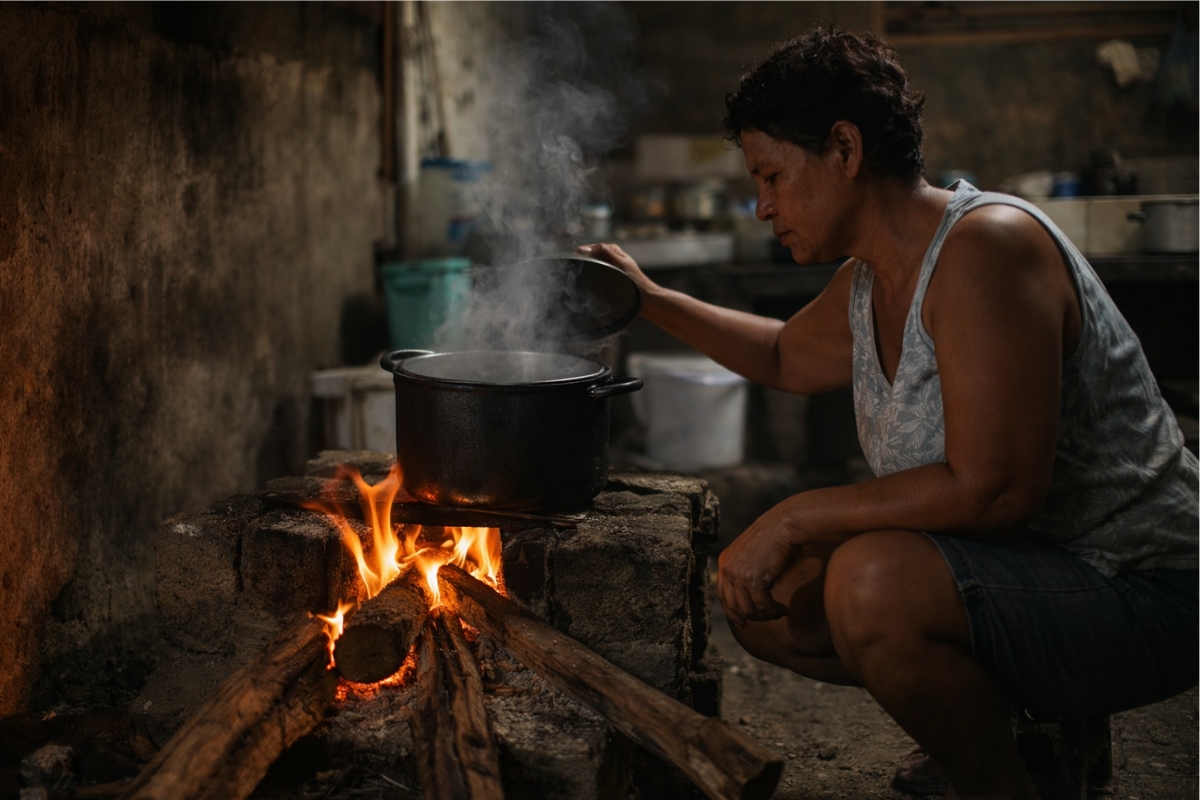
Cuba Faces Massive Blackouts, Fuel Shortages, and External Pressure on Oil Amid the Worsening Energy Crisis and Cost of Energy.
The energy crisis in Cuba has entered a harsher phase in March 2026. New large-scale blackouts have again hit the island and reinforced a scenario that has been worsening with less available fuel, aging plants, and difficulties in maintaining electricity generation.
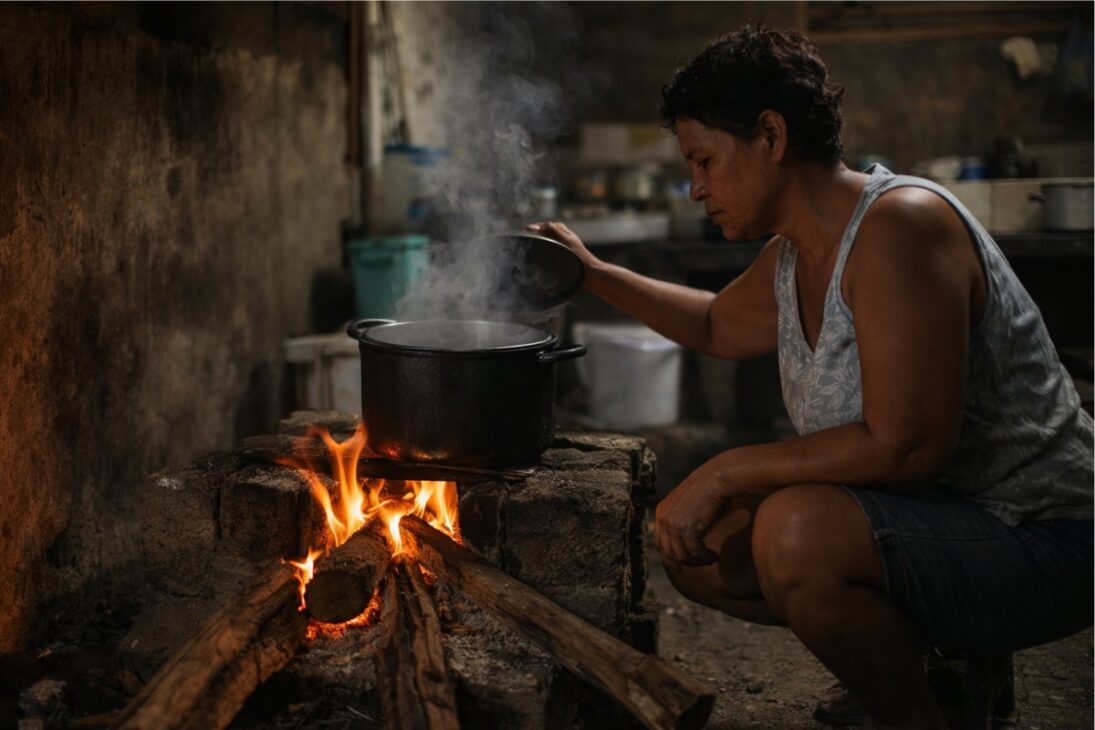
The impact is already visible in daily life. In several regions, the lack of electricity and fuel has disrupted transport, hampered food preservation, and led some of the population to resort to coal and firewood for cooking.
March Blackout Exposed the Fragility of the Cuban System
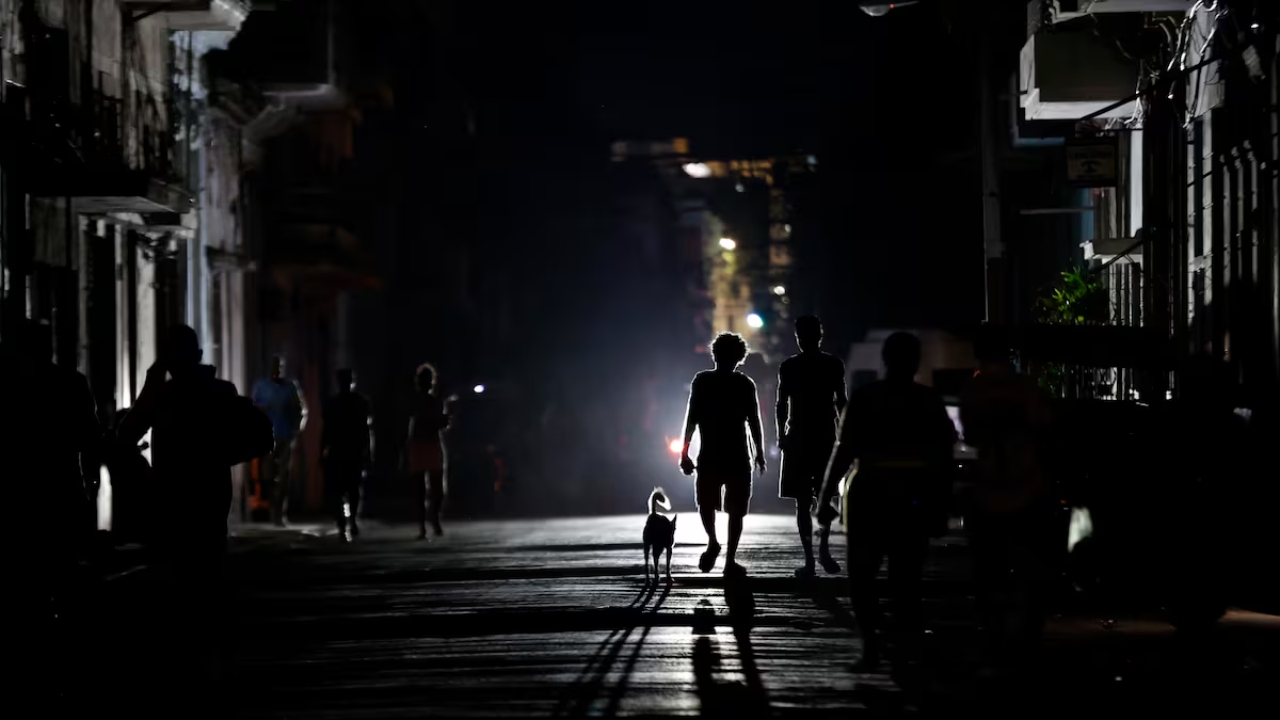
In early March 2026, a failure at the Antonio Guiteras thermoelectric plant caused a large-scale blackout affecting much of western Cuba, including Havana. The reconnection was gradual, but the incident showed once again that the system operates with very little margin to absorb failures.
-
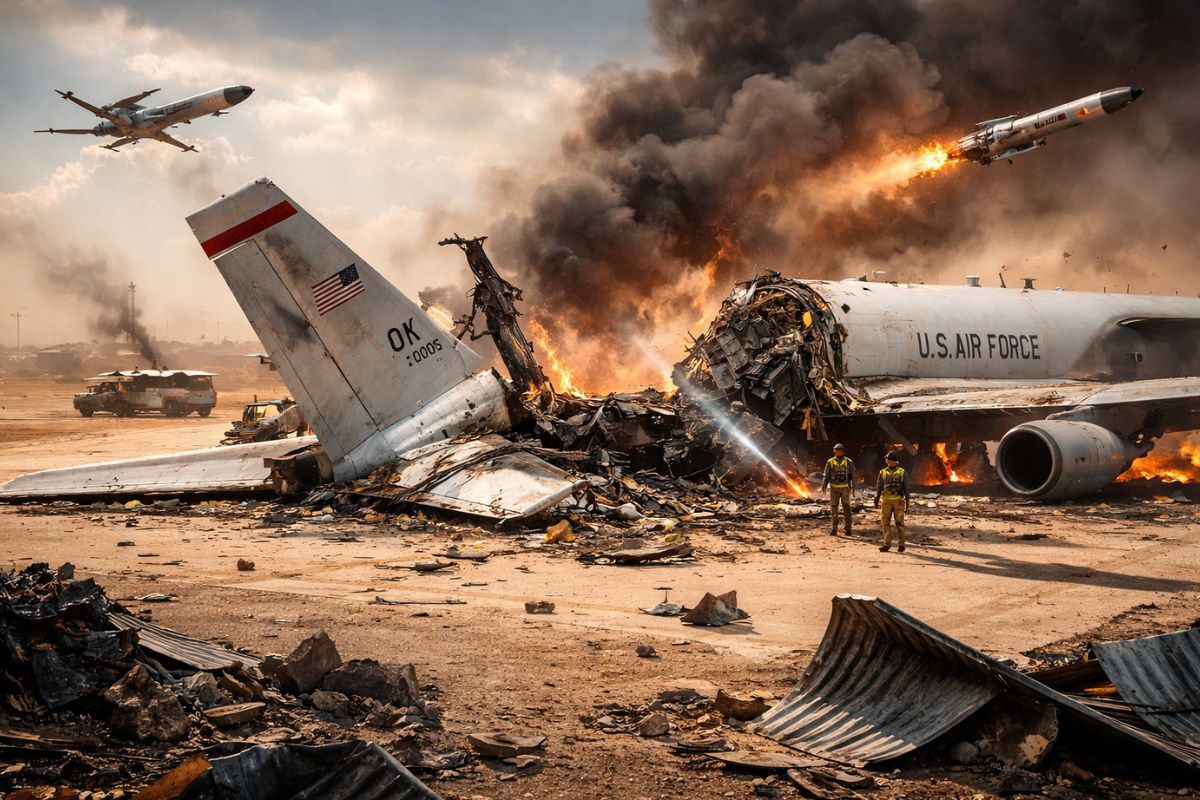
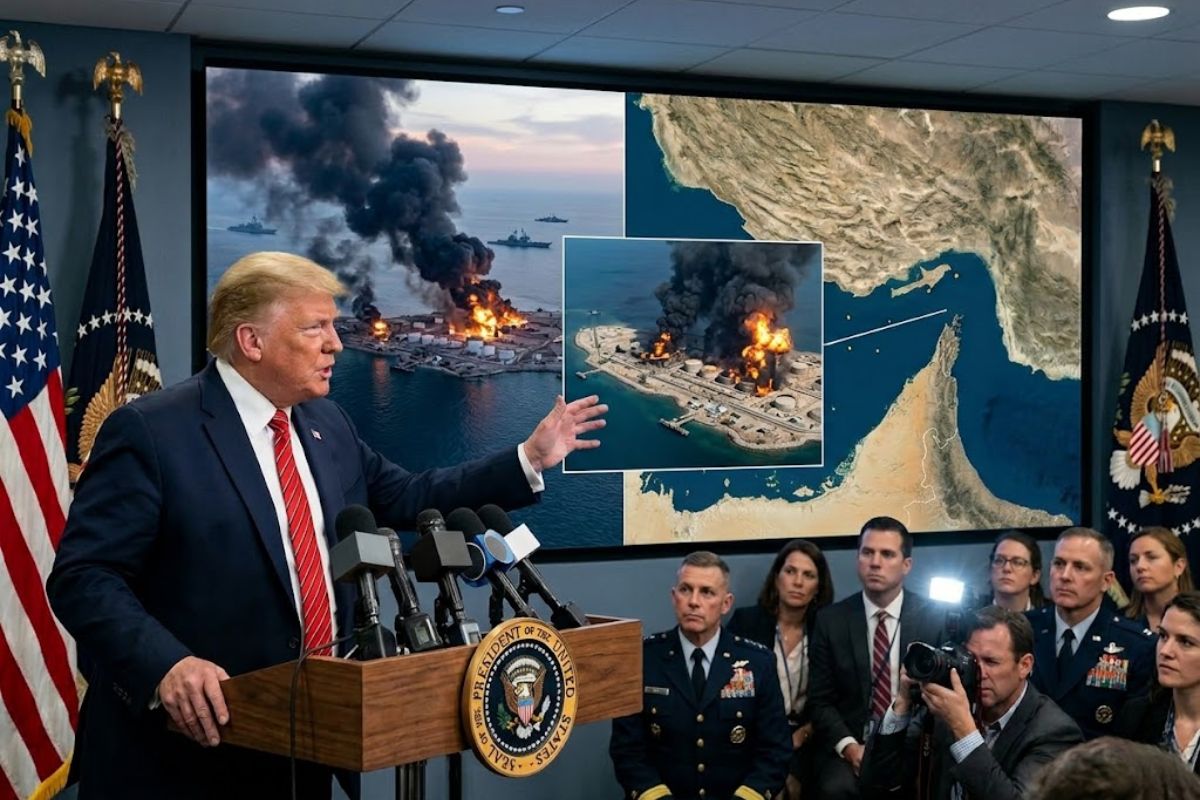
Iranian drones and missiles destroyed a 270 million dollar American spy plane in Saudi Arabia, splitting the E-3 Sentry aircraft in half and injuring 12 military personnel in an attack that exposes the vulnerability of U.S. bases in the Persian Gulf.
-
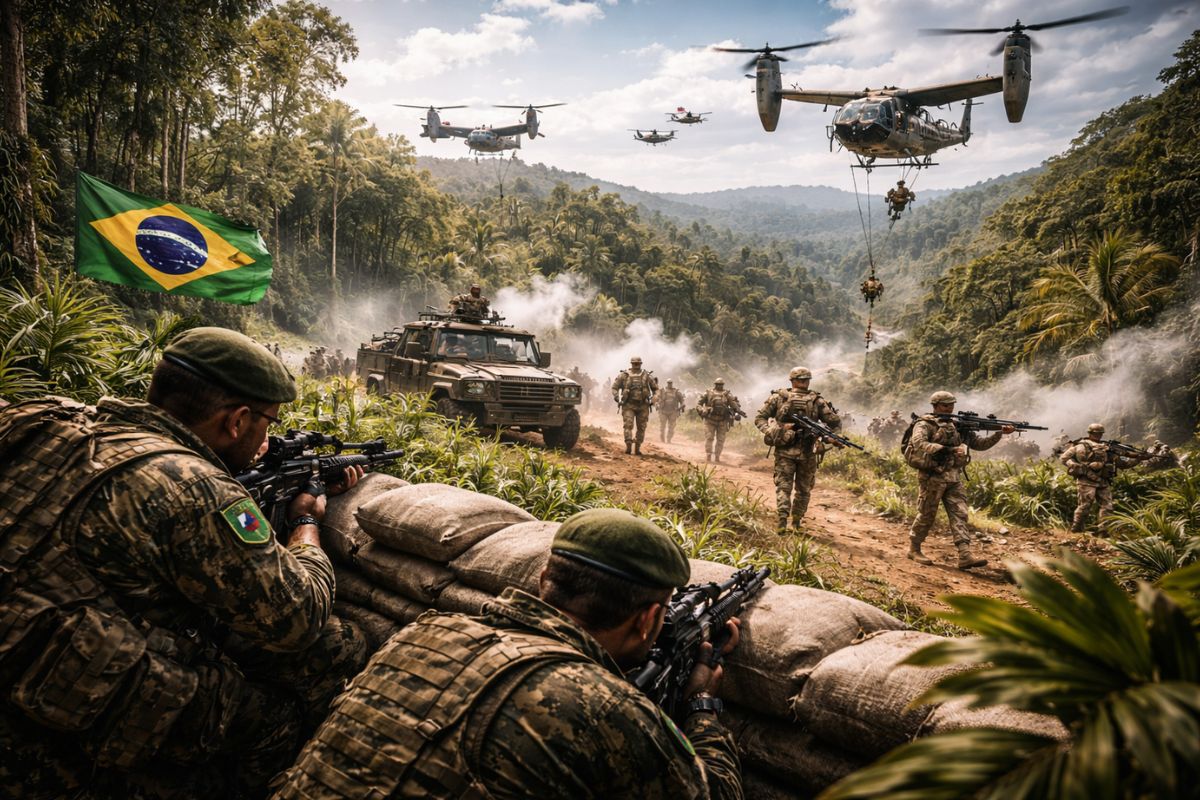
If the USA were to go to war with Brazil, Washington’s greatest fear would not be the attack itself, but facing a vast territory, prolonged resistance, and a costly, chaotic, and unpredictable occupation.
-
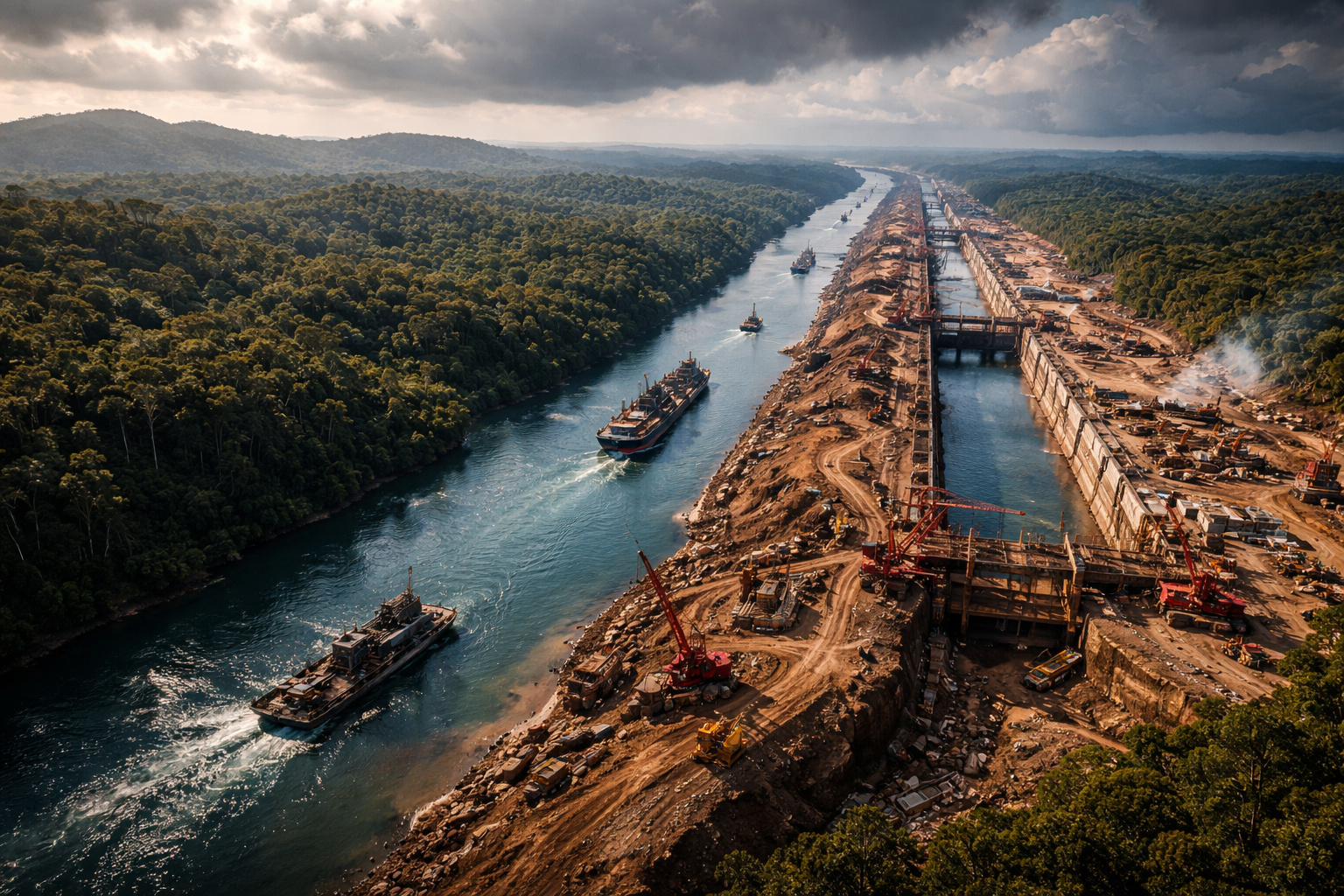
In 2013, Nicaragua sold the concession for a canal to rival Panama to a Chinese billionaire who lost 85% of his fortune, disappeared, and was declared bankrupt. Now the project resurfaces with a new route, a new Chinese partner, and a cost of $64.5 billion.
-
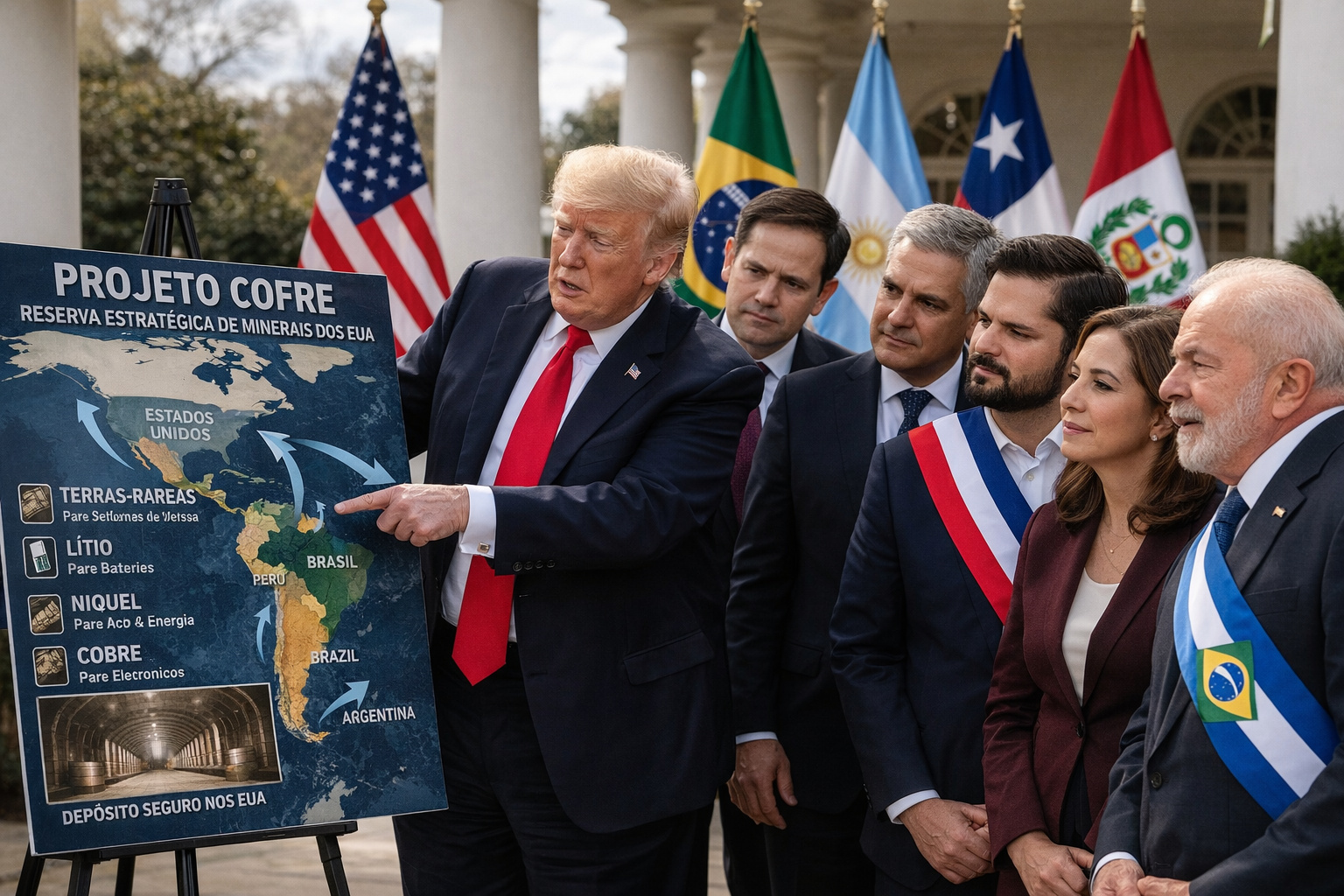
The USA announces a mysterious billion-dollar vault project to store critical minerals, but what intrigues experts is not just the plan itself, but why Latin America, including Brazil, has entered the center of this global dispute against China.

The problem is not limited to one plant. Cuba depends on an aging thermoelectric park, with difficult maintenance and a strong need for imported fuel. When an important unit goes offline, the effect spreads rapidly throughout the rest of the network.
Less Oil from Venezuela Tightened Generation Further
The reduction in oil shipments from Venezuela appears as one of the central factors in understanding the worsening of the crisis. In January 2026, the pressure from the United States on Venezuela’s export network was already seen as a direct threat to Cuban supplies.
The effect was felt in the supply of electricity and also in internal supply. With less fuel available, the government began to operate with less capacity to keep plants active, maintain transport, and avoid new prolonged cuts.
Imports Shrunk and the Country Lost Reaction Margin
In November 2025, Cuba was already facing a very delicate situation. According to Reuters, an international news agency with extensive economic and geopolitical coverage, Cuban imports from Mexico had fallen 73%, to about 5,000 barrels per day, while Venezuelan shipments were also decreasing and blackouts exceeded 9 hours in Havana, with areas in the interior receiving only a few hours of power per day.
This tightening helps explain why the crisis became more visible in 2026. Without a regular flow of fuel and with aging plants, any technical failure or logistical delay gains strategic importance and changes the daily life of the entire country.
Firewood, Coal, and Lines Show the Weight of the Crisis in Daily Life
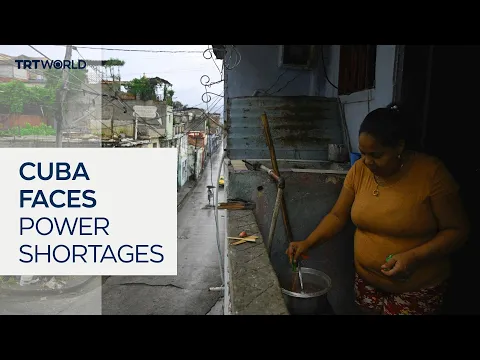

The lack of energy has already gone beyond the technical field and has fully entered the daily lives of families. There are recent reports of Cubans cooking with firewood and coal, an image that summarizes the level of deterioration of energy supply on the island.
There are also consistent reports of severe fuel shortages and long waits to refuel. What does not appear with solid support in the more reliable sources is an exact national measure of lines stretching 2 kilometers, so the safest formulation is to speak of long lines and strong rationing, without turning this distance into a fixed figure.
War in the Middle East Worsens the Scenario for an Already Pressured Country
The war between the United States, Israel, and Iran has added a new layer of pressure to the global energy market. On March 9, 2026, oil prices surged amid fears of supply disruptions and risks in strategic routes for global oil trade.
For Cuba, this has a direct impact. A country already facing a lack of foreign currency, difficulties importing, and fragile internal generation is now competing for fuel in a more expensive, tense, and geopolitically sensitive market. This pressures the region and alters the strategic outlook of the Caribbean.
Russia and China Still Appear as Support, Not as Proven Retraction
Some of the circulating versions associate the Cuban crisis with a supposed widespread retention of oil by partner countries. What has been confirmed so far points in a different direction in at least two relevant cases. In February 2026, there were reports of new Russian shipments of oil and fuel to the island, while China expressed its willingness to help Cuba in the face of aviation fuel shortages.
In the case of Vietnam, there are recent measures to protect the internal supply amid rising oil prices, but there is no solid basis in the consulted sources to claim that the country is withholding oil that would normally be intended for Cuba. In such a sensitive topic, this difference matters because it separates international context from proven fact.
Cuba today is experiencing an energy crisis that combines blackouts, less fuel, worn infrastructure, and external pressure on oil. The result is visible on the streets, in homes, and in the basic functioning of the country.
Without a more stable fuel supply and no consistent improvement in generation, the scenario remains vulnerable to new drops and new rationing. More than a technical problem, the crisis has become a matter of presence, influence, and competition that repositions Latin America on the continent’s energy radar.





Seja o primeiro a reagir!